Bad VVT Solenoid Symptoms and How to Fix the Problem

Discover common symptoms of a malfunctioning Variable Valve Timing (VVT) solenoid and learn how to fix the issues.
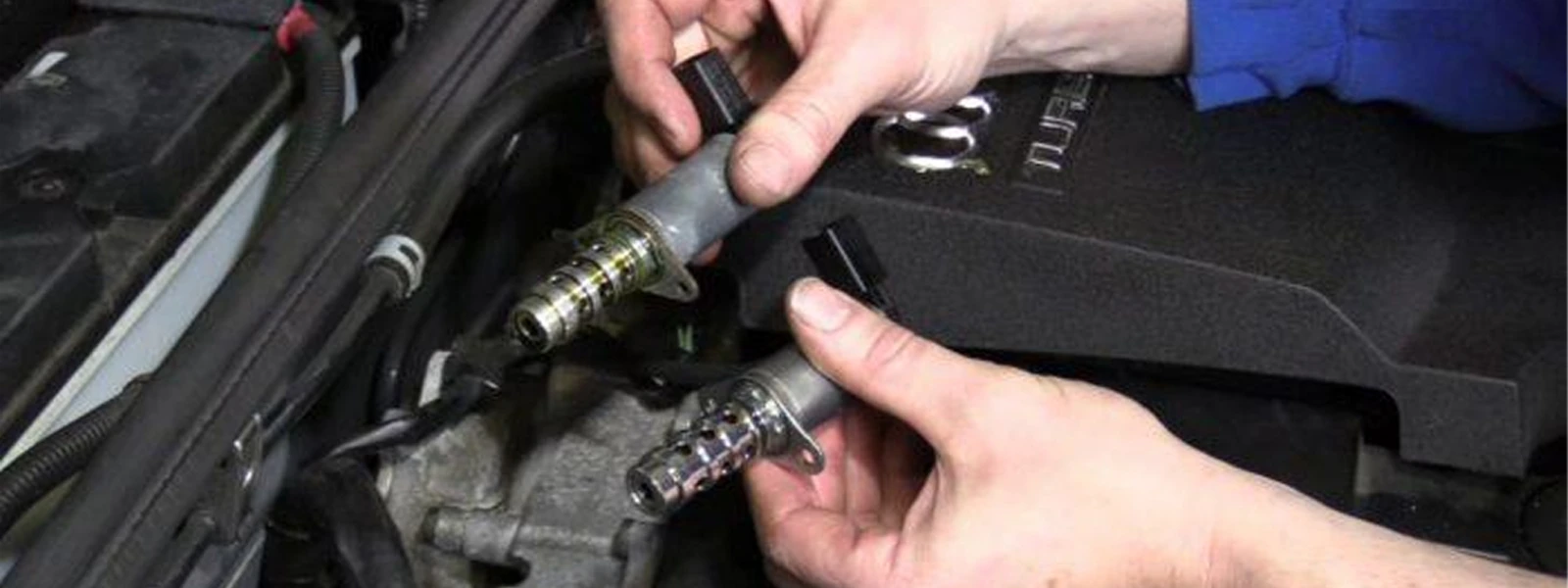
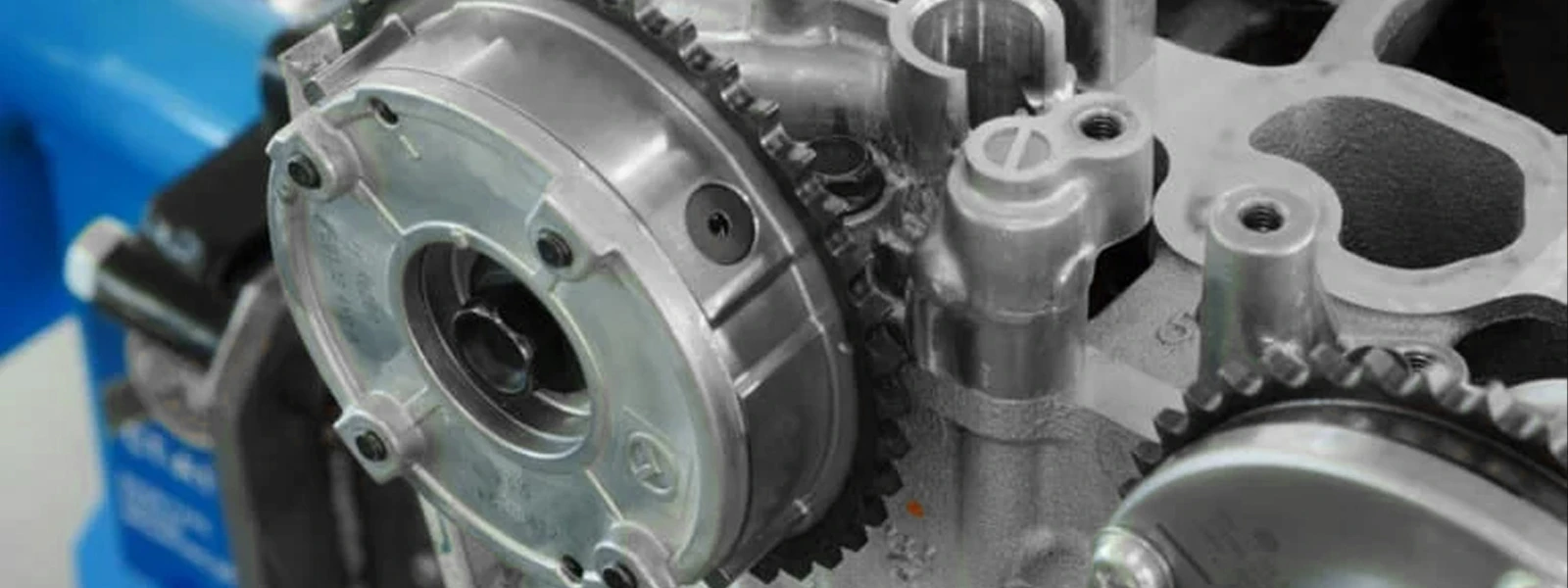
The VVT, or variable valve timing, remains an enduring and prominent milestone in the annals of automotive innovation. In contemporary vehicles, VVT systems serve to enhance performance and fuel efficiency by adjusting the valve lift timing. This precise control over oil supply ensures that the engine operates with both outstanding power and economical fuel consumption.
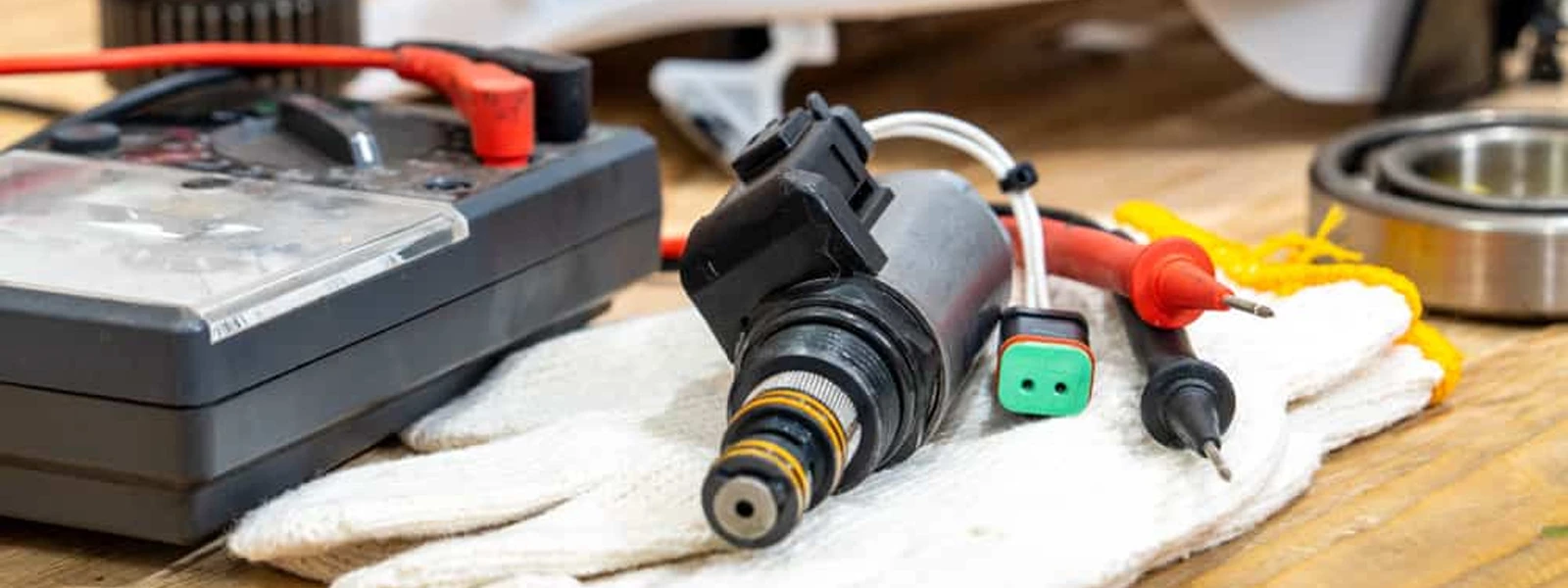
As a crucial part of the variable valve timing system, Variable Valve Timing (VVT) solenoids seem to have a plethora of names across different automakers. Depending on the vehicle manufacturer, you might encounter terms like camshaft actuator solenoids, VTEC solenoids, oil control solenoids, VANOS solenoids, and more. However, regardless of the diverse nomenclature, all VVT solenoids serve the same purpose: improve engine performance, enhance fuel efficiency, and reduce emissions.
What causes VVT solenoid issues
Various factors can lead to VVT solenoid issues, including:
- Oil Contamination
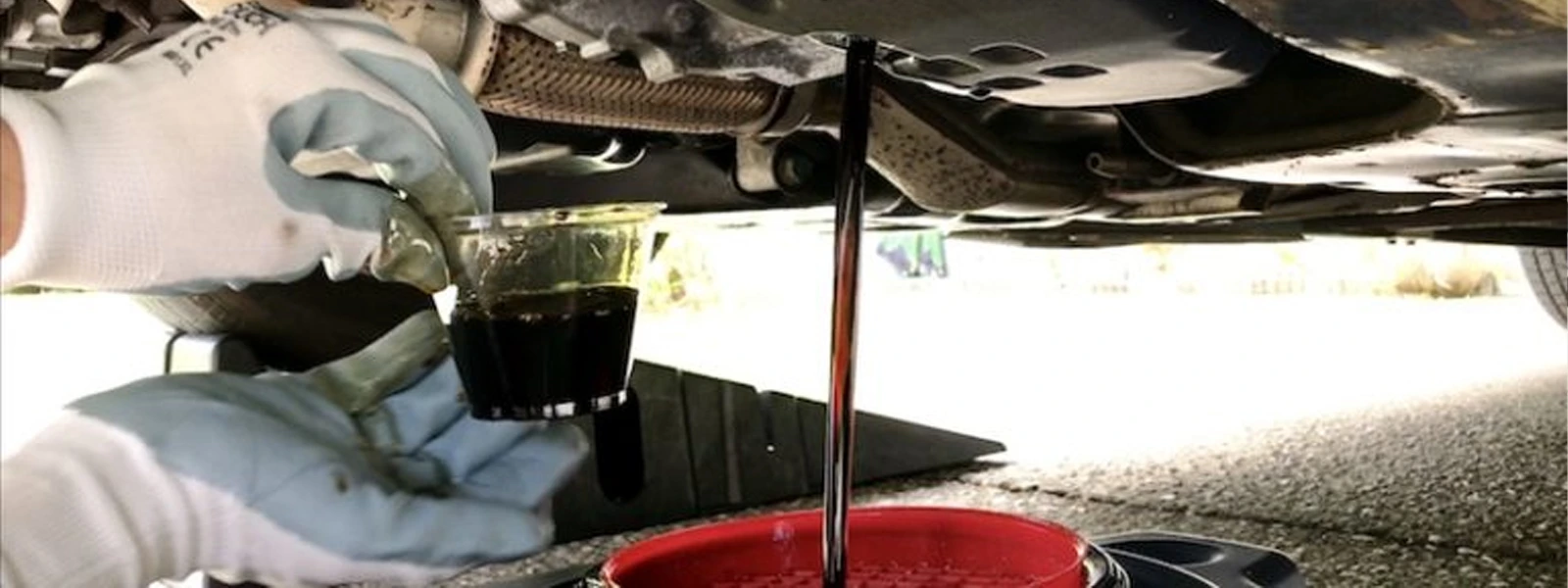
Oil contamination is a critical factor that can lead to VVT solenoid problems. Over time, sludge, debris, or varnish can accumulate in the engine oil, which can clog the solenoid's internal passages. When these passages become restricted, the solenoid may not function correctly, leading to issues such as poor engine performance and reduced fuel efficiency.
- Oil Flow Problems
Proper oil flow is essential for the VVT solenoid's operation. Inadequate oil flow, caused by factors like oil pump failure or a clogged oil filter, can hinder the solenoid's ability to regulate valve timing effectively. As a result, the engine may experience performance issues and increased emissions.
- Electrical Problems
VVT solenoids rely on electrical signals to control the timing of the engine's valves. Electrical issues, such as damaged wiring or faulty connections, can disrupt these signals, preventing the solenoid from functioning correctly. This disruption can lead to rough engine operation and decreased performance.
- Mechanical Wear
Like many engine components, VVT solenoids can experience mechanical wear over time. Continuous use and exposure to engine heat and vibrations can lead to internal wear and tear. As the solenoid's internal components degrade, it may struggle to regulate valve timing accurately, resulting in issues like reduced power and fuel efficiency.
Common Symptoms of a bad VVT solenoid
VVT solenoid problems are a common concern in modern engines, and they are worth careful consideration due to their potential impact on engine performance and efficiency. You are suggested to keep an eye on these key aspects:
- Reduced Engine Performance: A malfunctioning VVT solenoid can lead to decreased engine power and acceleration. You may notice that your vehicle struggles to respond as quickly or as forcefully as it should.
- Poor Fuel Efficiency: VVT solenoid problems can result in reduced fuel efficiency. Your vehicle may consume more fuel than usual, leading to decreased gas mileage.
- Rough Idling: A bad VVT solenoid can cause irregular engine idling. You may feel vibrations or experience a fluctuating or unstable idle speed when the vehicle is in gear or at a stop.
- Increased Emissions: When the VVT system doesn't function correctly, it can lead to higher emissions, potentially causing your vehicle to fail emissions tests and environmental standards.
- Illuminated Check Engine Light: A failing VVT solenoid can trigger the check engine light on your dashboard. This is often accompanied by diagnostic trouble codes (DTCs) related to the VVT system.
- Engine Knock or Pinging: In some cases, VVT solenoid issues can result in engine knock or pinging sounds during combustion, which can be detrimental to the engine's health.
Always note that these symptoms can overlap with other engine problems, and a comprehensive diagnosis is necessary to determine if a bad VVT solenoid is the root cause.
VVT solenoid problem diagnosis
Having addressed the reasons and signs of VVT solenoid problems, let's now investigate some practical solutions. It begins with precise diagnostics.
Initiate the process by connecting a diagnostic scanner to retrieve the trouble codes stored in your vehicle's ECM (Engine Control Module). These codes can offer essential insights into the specific problem related to your VVT solenoid, serving as a guide for your troubleshooting efforts.
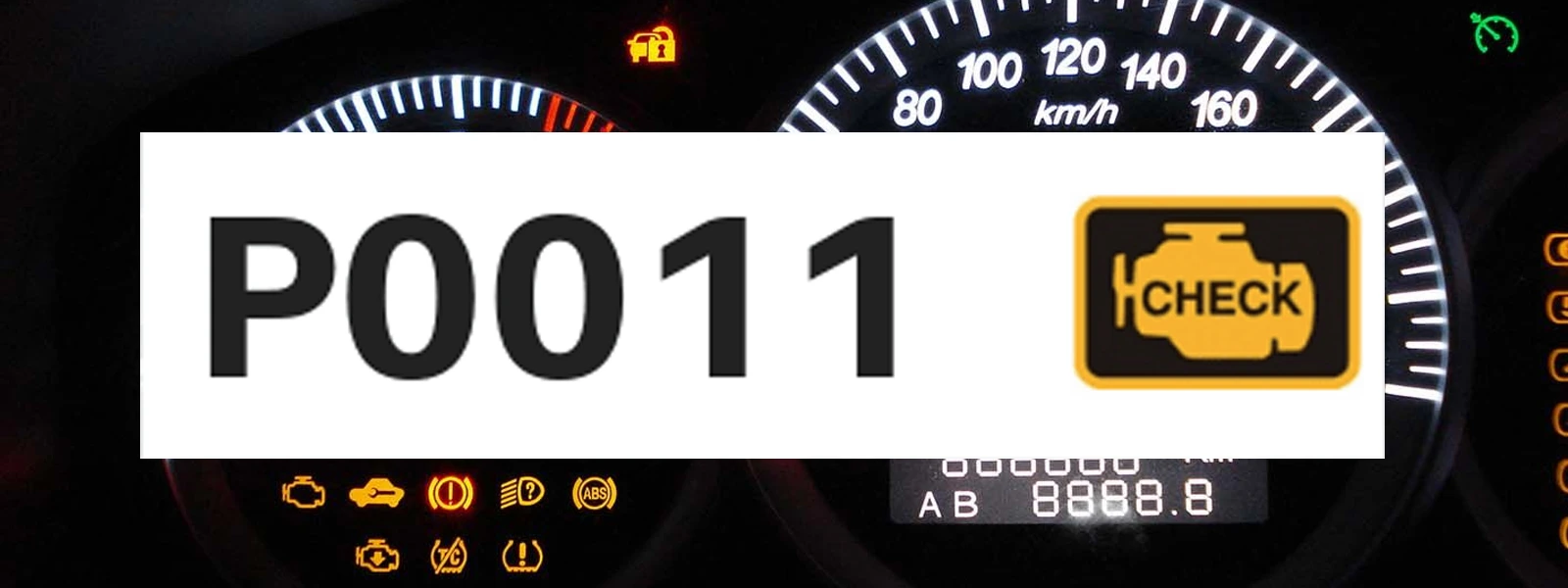
Here's a table illustrating common trouble codes associated with VVT solenoid failure:
How to fix the issues
If the problem with the VVT solenoid is caused by oil contamination, you have the option to clean the solenoid and its components using an appropriate cleaning solution. Most VVT solenoids are equipped with small openings and passages designed to allow engine oil to flow into the solenoid. When these passages become blocked due to contaminated oil or infrequent oil changes, they can impede the necessary oil pressure for the solenoid's operation. In certain cases, a careful inspection and the removal of the obstruction's source may enable you to effectively clean the solenoid.
If cleaning fails to rectify the issue or if the solenoid is irreparably damaged, the next appropriate course of action is to replace it. The good news is that accessing VVT solenoids is not difficult for most models. In many instances, it is a relatively straightforward task that involves loosening a few bolts securing the solenoid, disconnecting the wiring harness, and installing a new unit.
Choose A-Premium VVT solenoid Solution
Experiencing problems with your VVT solenoid can be both aggravating and detrimental to your vehicle's performance. It's crucial to emphasize the importance of consistent maintenance practices, such as regular oil changes and electrical inspections, to reduce the likelihood of encountering future VVT solenoid complications.
If you finally need a new VVT solenoid to make things right, you’re in the perfect place! A-Premium’s powerful VVT solenoid categories can meet your needs!


