Big Block Vs Small Block Engines

Ready to settle the big block vs. small block debate? This guide breaks down their performance, torque, and applications, helping you choose the engine that will elevate your ride and match your driving style.


When it comes to automotive performance, the choice of engine can make all the difference. Among car enthusiasts, two engine types often spark debate: big block and small block engines. Each has its own unique characteristics and advantages that cater to different driving styles and needs. Here, we’ll break down the fundamental differences, advantages, and typical uses of big block versus small block engines.
Understanding different engine types
You may encounter various engine types, including four-cylinder, inline-six, V6, V8, and more. However, we’ll concentrate on two that are particularly popular among performance and classic car enthusiasts: big block and small block engines.
Big block engines are known for their larger displacement and robust power output, typically ranging from 366 to 572 cubic inches. These engines feature a more substantial engine block, allowing for larger bore sizes and increased torque, making them ideal for high-performance applications like muscle cars, trucks, and racing vehicles. Their design often prioritizes raw power and towing capability, catering to enthusiasts who seek thrilling acceleration and impressive performance on the road or track.
Small block engines, generally ranging from 262 to 400 cubic inches, are celebrated for their compact size and versatility. Known for their lightweight design, small block engines offer a balance of efficiency and performance, making them suitable for a wide array of vehicles, from everyday cars to performance models. Their ability to deliver respectable horsepower while maintaining good fuel efficiency has made them a favorite among car enthusiasts and manufacturers alike, especially in applications where agility and handling are prioritized.
Differences between big block and small block engines
1. Size and displacement
- Big block engines: Larger displacement typically ranging from 366 to 572 cubic inches, allowing for greater power and torque.
- Small block engines: Smaller displacement, generally between 262 to 400 cubic inches, making them lighter and more compact.
2. Power and torque
- Big block engines: Known for producing higher torque and horsepower, making them ideal for heavy-duty applications and high-performance racing.
- Small block engines: Offer a good balance of horsepower and efficiency, suitable for a variety of vehicles and driving styles.
3. Weight
- Big block engines: Heavier due to larger components, which can affect vehicle handling and weight distribution.
- Small block engines: Lighter, contributing to better handling and performance in lighter vehicles.
4. Fuel efficiency
- Big block engines: Generally less fuel-efficient, which can be a drawback for everyday driving.
- Small block engines: Typically more fuel-efficient, making them more practical for daily use.
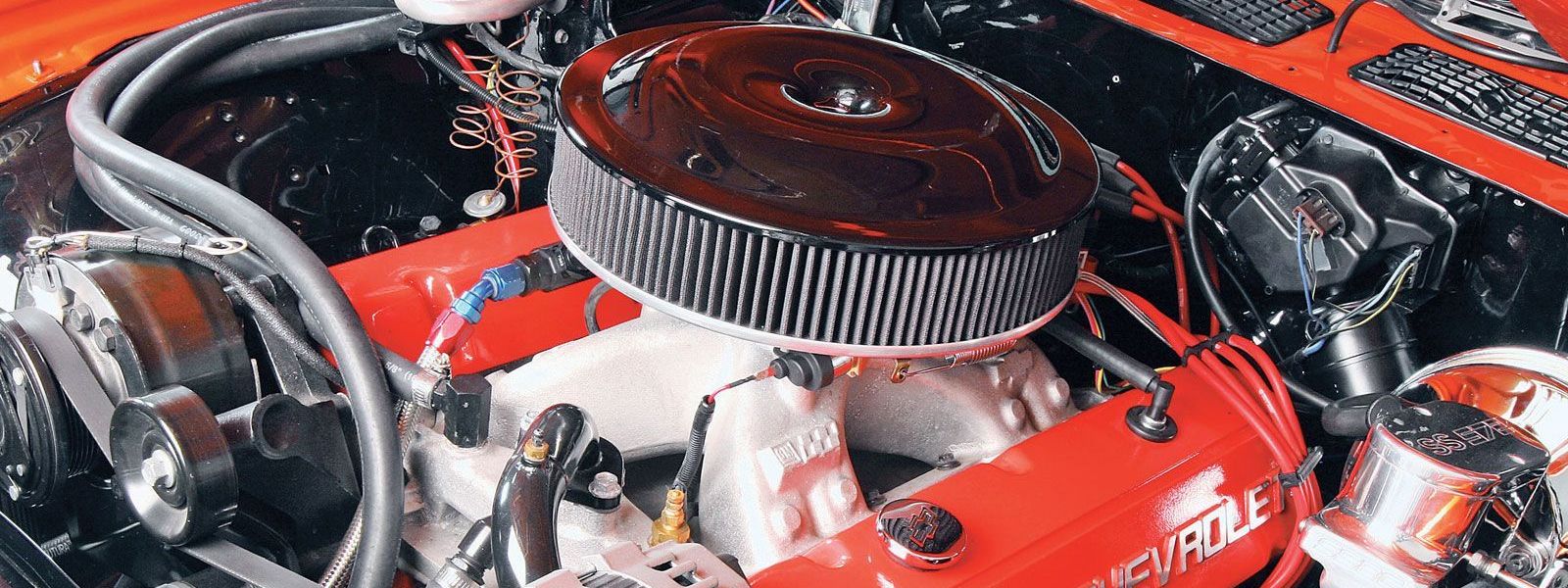
5. Applications
- Big block engines: Commonly used in muscle cars, trucks, and heavy-duty applications where high power is essential.
- Small block engines: Found in a wide range of vehicles, from compact cars to performance models, favored for their versatility.
Pros and cons of big block engines
Big block engines are known for their impressive power output and substantial horsepower and torque, which are ideal for high-performance applications like muscle cars and racing. Their larger size also enables excellent towing and hauling capabilities, making them popular in trucks and heavy-duty vehicles. Additionally, they offer significant potential for modifications and are built with durable materials, ensuring longevity under demanding conditions.
On the downside, big block engines tend to be heavier, which can negatively affect vehicle handling and agility. They are generally less fuel-efficient, leading to higher operating costs, and making them less practical for everyday use. Moreover, the initial purchase and maintenance costs are often higher, and modifying them can be more complex compared to small block engines, which have broader aftermarket support.
Pros and cons of small block engines
Small block engines are lightweight, which enhances vehicle handling and agility, making them ideal for sports cars and compact vehicles. They typically offer good fuel efficiency, making them practical for daily driving and reducing operating costs. Additionally, small blocks are versatile, used in a wide range of vehicles from everyday cars to performance models, and benefit from extensive aftermarket support, allowing for easy customization.
However, small block engines have some drawbacks. Their power output is generally lower than that of big block engines, which may not meet the demands of heavy-duty applications or racing. They also tend to have less torque, making them less suitable for towing and hauling heavy loads. Finally, while easier to work on, enthusiasts seeking maximum power may eventually consider upgrading to a big block engine for higher performance needs.

FAQs
Q: Small and big block engine, which is better?
A: Choosing between a small block and a big block engine depends on your needs: small block engines are better for everyday driving due to their fuel efficiency and versatility, while big block engines excel in performance and towing capacity, making them ideal for high-demand applications. Ultimately, your decision should reflect your priorities in power, handling, and vehicle type.
Q: Are small block engines more fuel-efficient than big blocks?
A: Yes, small block engines typically offer better fuel efficiency, making them more practical for daily driving. Big blocks, while powerful, tend to consume more fuel due to their size and power demands.
Q: Can I tow heavier loads with a small block engine?
A: While small blocks can handle moderate towing, big block engines are generally better suited for heavy-duty towing and hauling due to their higher torque output.
Q: Which engine is easier to modify?
A: Small block engines tend to have more extensive aftermarket support and are often easier to modify, allowing enthusiasts to customize their performance more readily compared to big blocks.


