Engine Air Filter Vs Cabin Air Filter

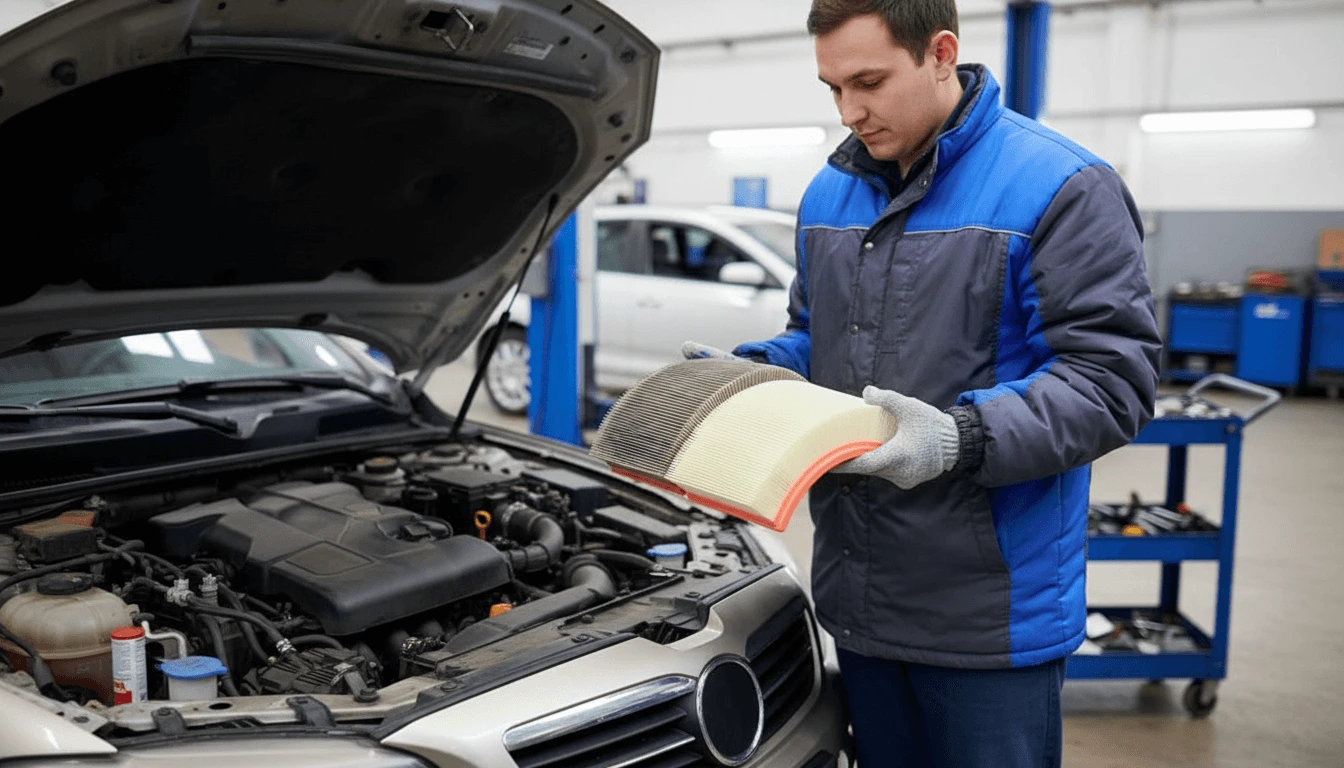
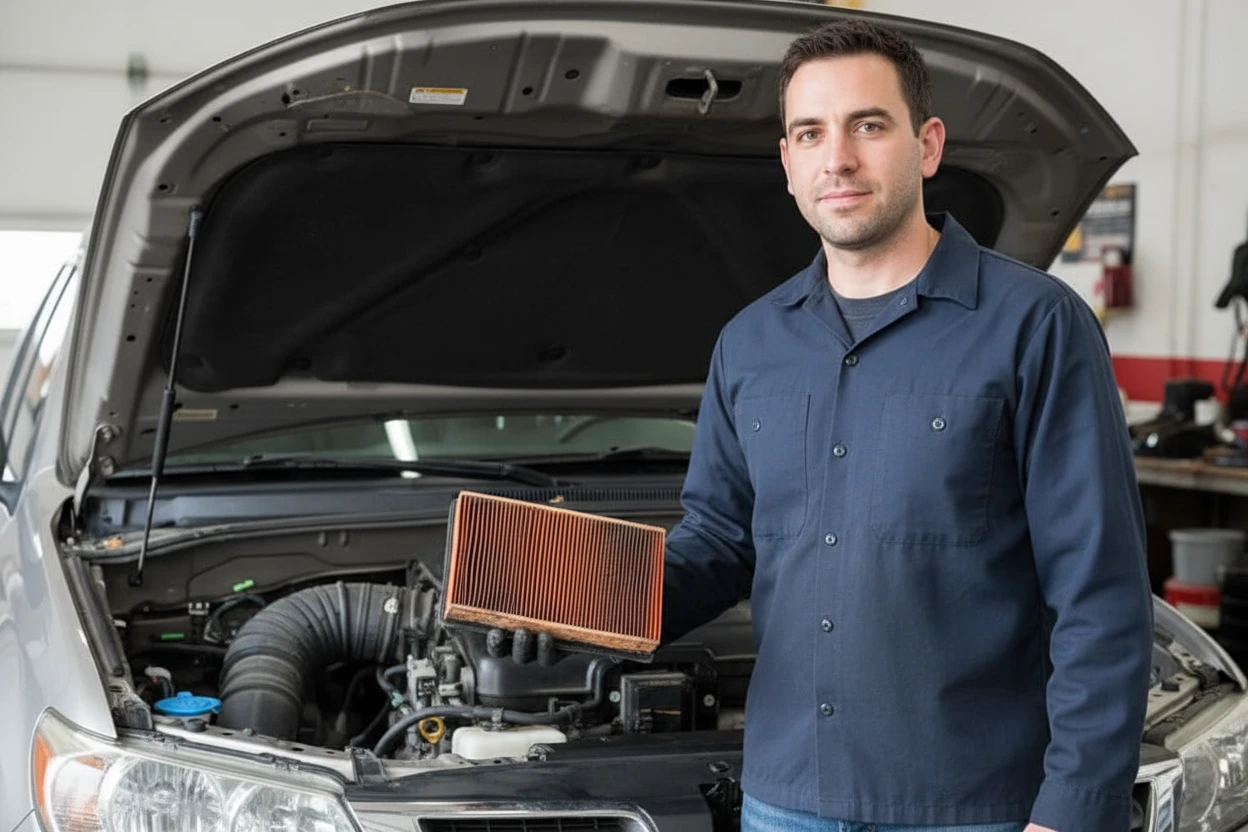
When it comes to keeping your vehicle running smoothly and ensuring a comfortable driving experience, two filters play vital roles: the engine air filter and the cabin air filter. Though they share a similar purpose of filtering air, they are responsible for distinct tasks in maintaining air quality. understanding the differences between these filters allows you to take proactive steps in preserving vehicle performance and creating a safe and enjoyable driving experience for everyone.
About Engine Air Filter
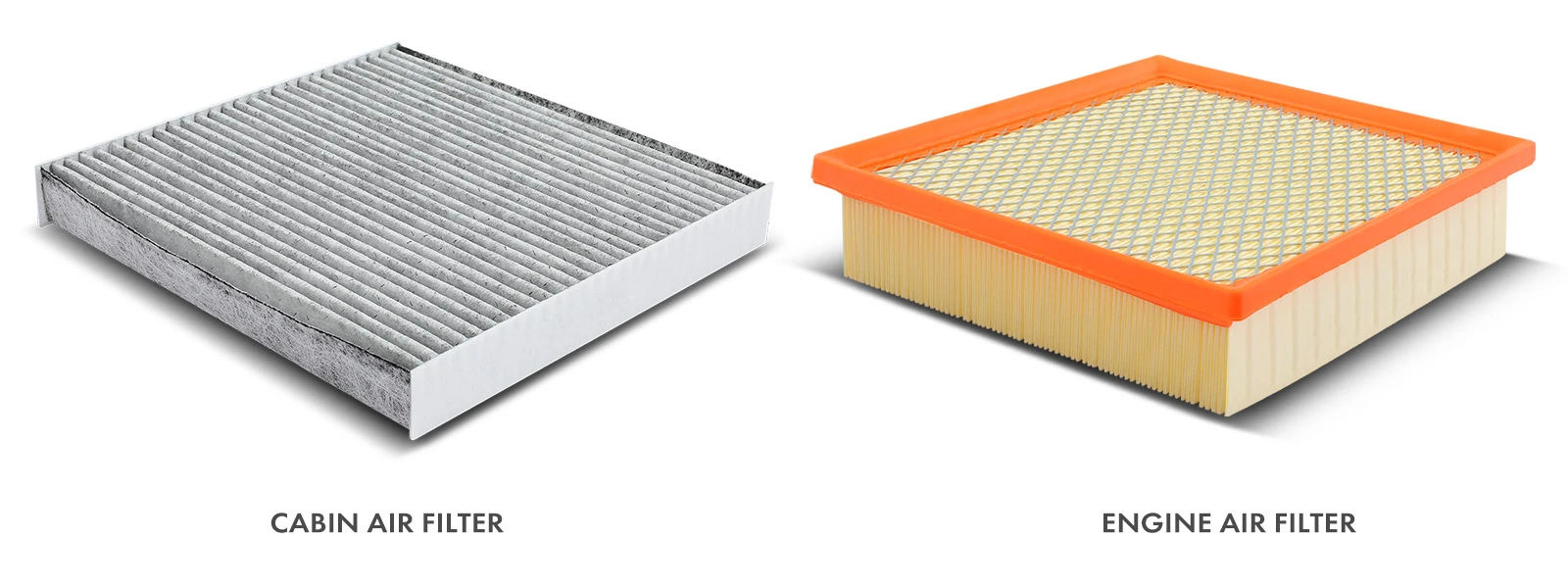
The car engine air filter is a vital part of a vehicle's intake system, and it plays a crucial role in keeping the engine running smoothly. It's like the first line of defense against unwanted dirt, dust, and other particles that can find their way into your engine. By filtering the air that enters the engine, the air filter ensures that only clean air reaches the combustion chamber. This helps to prevent damage to important engine components, such as the cylinders, pistons, valves, and fuel injectors.
Imagine driving on dusty roads or in areas with high pollution levels. Without a properly functioning engine air filter, all that debris could make its way into your engine and cause some serious issues. That's why it's essential to keep an eye on your engine air filter and replace it regularly.
A dirty or clogged engine air filter can restrict airflow to the engine, leading to reduced engine performance, decreased fuel efficiency, and even engine overheating. By regularly inspecting and replacing the engine air filter, you can ensure that your engine breathes clean and efficiently, providing you with better acceleration, improved fuel economy, and a longer-lasting engine. So, whether you're cruising through the city streets or exploring the countryside, make sure to give some attention to your engine air filter.
Understanding cabin air filter
The cabin air filter, on the other hand, is an important part of the car’s ventilation system, designed to improve the air quality inside the cabin where he driver and passengers sit. As you drive, the outside air can contain all sorts of things like dust, pollen, smoke, and even unpleasant odors. The cabin air filter acts like a shield, preventing these unwanted particles from entering your vehicle's interior.
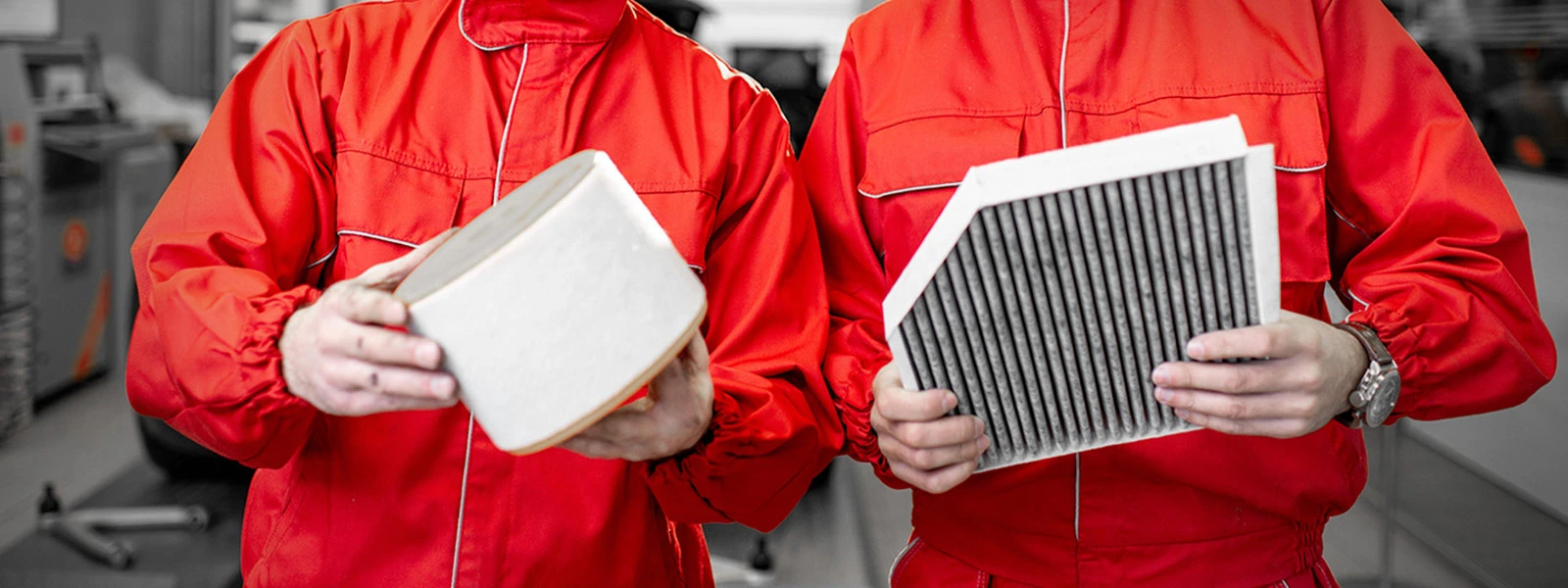
The cabin air filter is commonly found tucked away within the HVAC system, working quietly to purify the air that flows through your air vents. It's like a gatekeeper, capturing and trapping those pesky particles, so the air inside the car is cleaner, fresher, and healthier. That’s why having a clean cabin air filter makes a big difference, especially for those with allergies or sensitivities to airborne pollutants.
To keep the cabin air filter in tip-top shape, it's important to give it regular attention. Over time, it can get clogged with debris, affecting its ability to filter out contaminants. If it is neglected, you might experience poor air circulation, unpleasant smells, and a less efficient HVAC system. To maintain clean and fresh air inside your car, be sure to check and replace the cabin air filter regularly.
Key differences between engine air filter and cabin air filter
- Purpose
- Engine Air Filter: The engine air filter is responsible for filtering the air that enters the engine's combustion chamber. Its primary purpose is to prevent harmful contaminants such as dust, dirt, and debris from reaching the engine's internal components, ensuring clean air intake and protecting the engine from damage.
- Cabin Air Filter: The cabin air filter focuses on enhancing the air quality within the vehicle's cabin. It filters the air that enters the cabin through the HVAC system, capturing particles like dust, pollen, allergens, smoke, and exhaust fumes. Its primary function is to improve the air that passengers breathe, making their driving experience more comfortable and reducing exposure to pollutants.
- Location
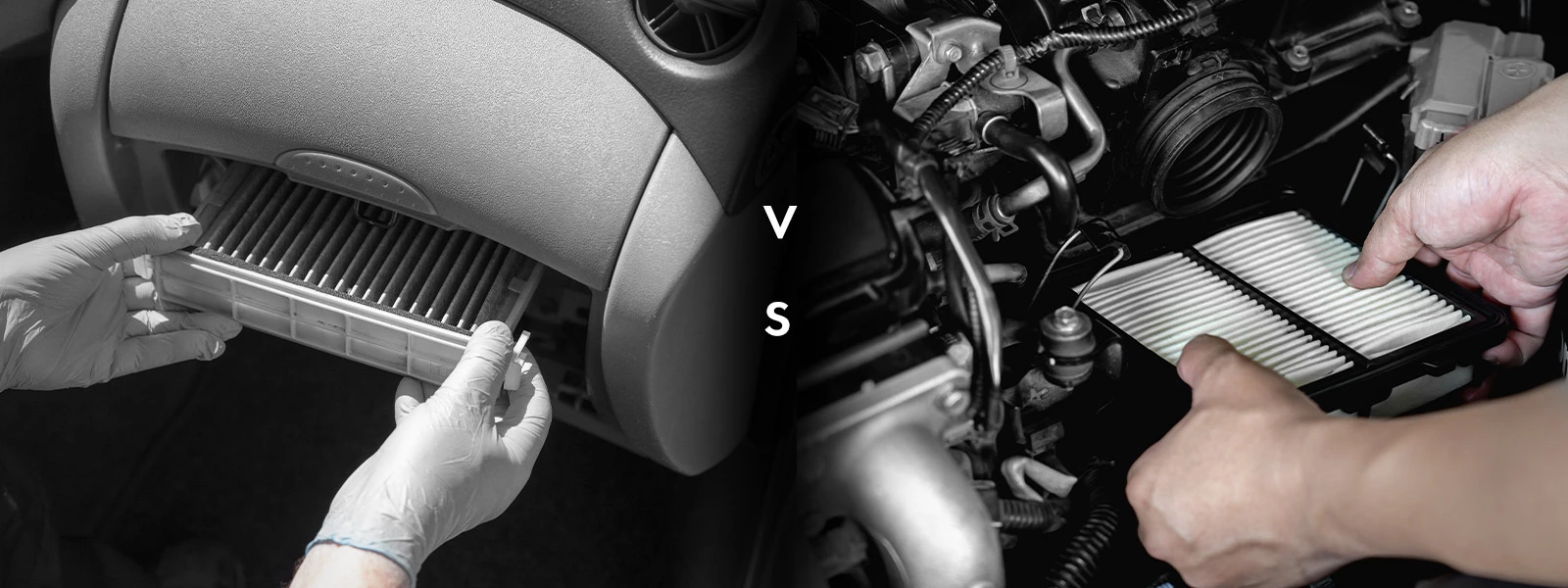
- Engine Air Filter: The engine air filter is typically located in the engine compartment, close to the air intake system. It is positioned in a way that it filters the air before it enters the engine.
- Cabin Air Filter: The cabin air filter is usually situated within the HVAC system, behind the glove compartment or under the dashboard, depending on the vehicle's design. It filters the air that passes through the ventilation system before it reaches the cabin.
- Contaminant Types
- Engine Air Filter: The engine air filter primarily captures larger particles like dust, dirt, and debris that can cause damage to the engine's internal components. It also filters out pollen and other airborne particles that may affect engine performance.
- Cabin Air Filter: The cabin air filter targets smaller particles such as dust, pollen, allergens, smoke, and exhaust fumes that can affect the air quality within the cabin. It focuses on improving the comfort and health of passengers by reducing the presence of these pollutants.
- Replacement Frequency
- Engine Air Filter: Due to its exposure to a higher concentration of contaminants, the engine air filter generally requires more frequent replacement compared to the cabin air filter. The replacement interval can vary depending on driving conditions, but it typically falls within the range of 15,000 to 30,000 miles.
- Cabin Air Filter: The cabin air filter usually requires replacement every 15,000 to 30,000 miles or every 12 to 18 months, depending on environmental conditions and the manufacturer's recommendations. However, it is advisable to inspect it regularly and replace it sooner if it appears dirty or clogged.
In conclusion, the engine air filter and the cabin air filter play distinct roles in maintaining vehicle performance and passenger comfort. Regular maintenance and replacement of both filters are crucial to maximize engine efficiency, protect critical components, and provide clean and fresh air for passengers. By understanding the differences between the two and prioritizing their care, car owners can ensure a smooth-running engine and a pleasant environment inside the car.


