
Myths and Facts About Stabilizer Bars: What Every Driver Should Know

Get the facts about stabilizer bars in our myth-busting blog! We clarify common misconceptions and provide essential insights for drivers, helping you understand how these components contribute to vehicle safety and handling.


Suggested A-Premium Parts

When it comes to vehicle performance, stabilizer bars (or sway bars) often don’t get the spotlight they deserve. They’re the unsung heroes of your suspension system, quietly working behind the scenes to keep your ride smooth and stable. But with so many myths floating around, it’s time to separate fact from fiction. Buckle up as we dive into the world of stabilizer bars!
How do stabilizer bars work
Imagine you're taking a sharp turn at high speed. Your car leans to the outside, and if it leans too much, you risk losing control. Enter the stabilizer bar! This clever piece of engineering links the left and right sides of your suspension. As one wheel rises during cornering, the sway bar twists and transfers force to the opposite wheel, keeping your vehicle level. This not only enhances your handling but also boosts your confidence behind the wheel.
Types of stabilizer bars: One size doesn’t fit all
Not all sway bars are created equal. Here’s a quick rundown:
- Standard sway bars: These are your everyday bars, designed to strike a balance between comfort and handling. Great for daily driving but might leave performance enthusiasts wanting more.
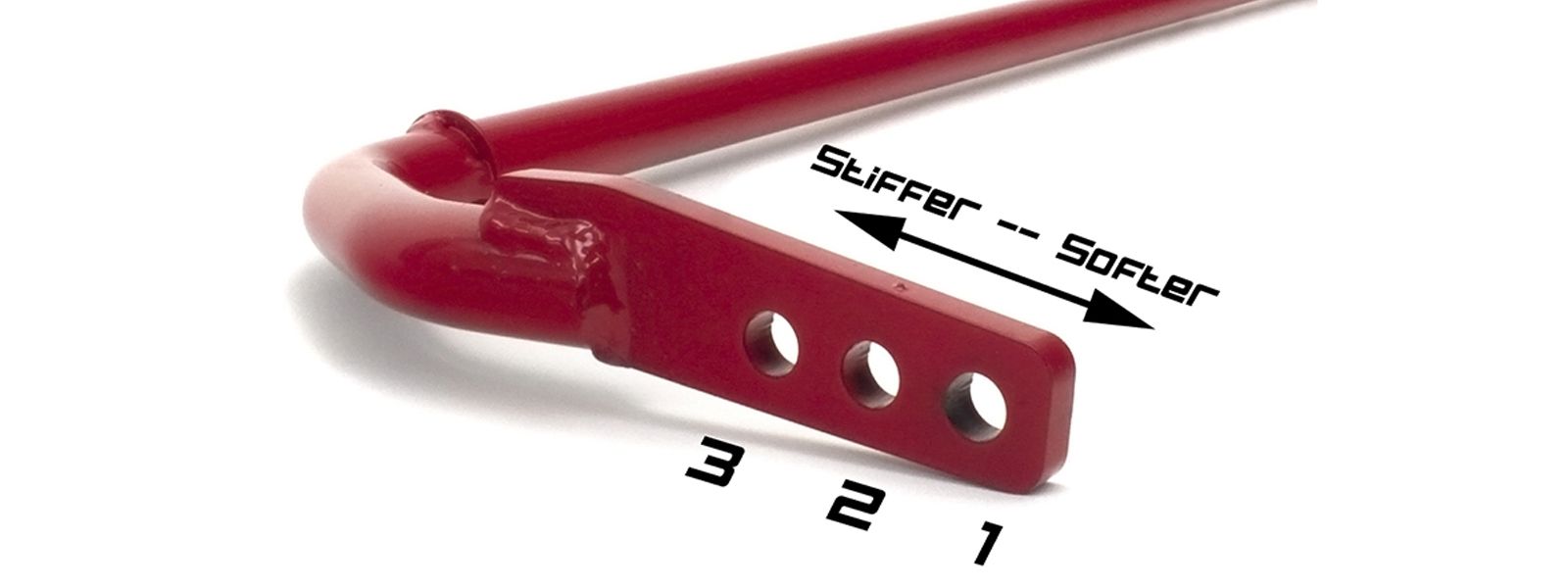
- Adjustable sway bars: Want to fine-tune your ride? These bad boys let you tweak stiffness levels, catering to both spirited driving and everyday comfort. Perfect for those who love to customize!
- Stiffer vs. softer bars: A stiffer sway bar minimizes body roll, enhancing cornering. However, it can make for a bumpier ride. Softer bars offer comfort but may not deliver the tight handling some drivers crave. It’s all about finding your sweet spot!
Upgrading suspension: Is a stiffer sway bar worth it
Let’s get real—upgrading to a stiffer sway bar can transform your driving experience, especially if you’re into performance driving or track days. The benefits are clear: flatter cornering, improved grip, and an overall more engaging ride.
But here’s the catch: While a stiffer sway bar enhances handling, it can compromise ride comfort, especially on rough roads. If you’re a daily commuter who values comfort, you might want to think twice. On the flip side, if you live for that adrenaline rush and love to push your car to its limits, a stiffer sway bar could be your new best friend.
Common misconceptions about sway bars
1. Myth: Stiffer sway bars are always better.
Fact: Not necessarily! While they improve handling, they can also lead to a harsher ride. Comfort matters, too!
2. Myth: Sway bars only matter in corners.
Fact: Stabilizer bars influence overall vehicle stability, including during sudden maneuvers and rough terrain.
3. Myth: You can’t use sway bars with lifted vehicles.
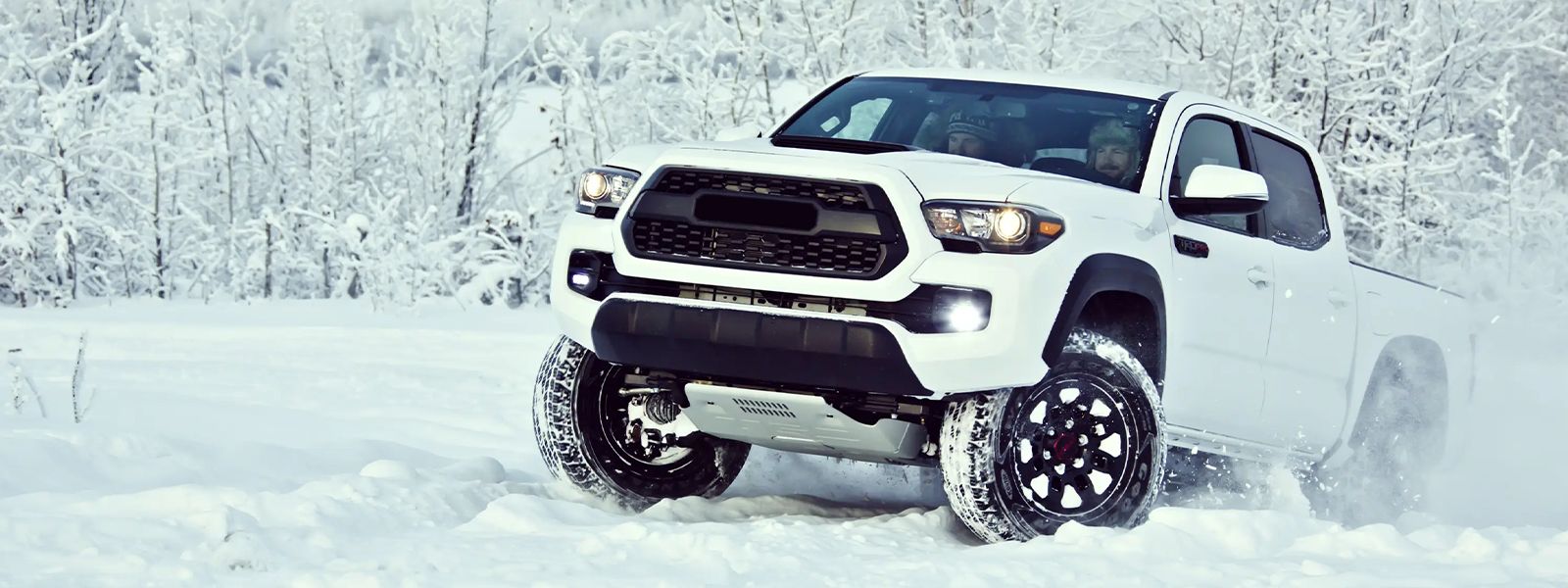
Fact: Lifted trucks and SUVs can absolutely benefit from sway bars, but you might need to adjust for the new suspension setup.
4. Myth: All sway bars are the same.
Fact: Different vehicles and driving styles require specific designs. Choosing the right sway bar is crucial for optimal performance!
Maintenance and inspection
Don’t let a neglected sway bar ruin your driving experience! Taking care of your stabilizer bar isn’t just smart; it’s essential for safety. Make it a point to routinely inspect your sway bar for any signs of wear and tear, like cracks or rust. As you drive, listen for any suspicious clanking sounds—these could indicate worn bushings or end links that need replacing. If your car feels like it’s rolling more than it should during sharp turns, it’s time for a deeper look. Lift the vehicle and do a “wiggle test” to see if there’s excessive play in the sway bar; any movement could mean trouble. If you spot issues, tackle them promptly, and remember that a little lubrication can go a long way in keeping everything running smoothly. Your vehicle will thank you with a more stable ride!


