How to Tell If You Need New Brake Rotors

Brake rotors are a crucial component of a vehicle's braking system, responsible for bringing the car to a safe and controlled stop. This blog post aims to provide a comprehensive understanding of the common signs and symptoms of bad brake rotors.
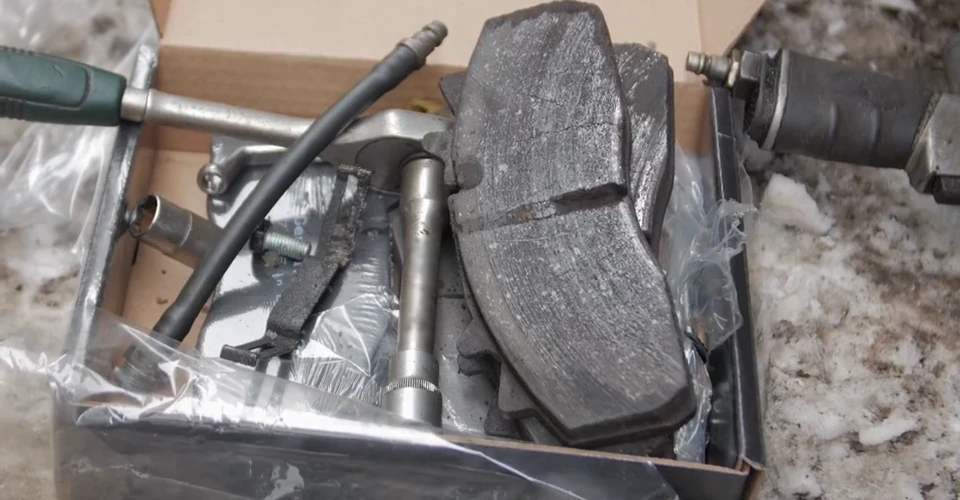
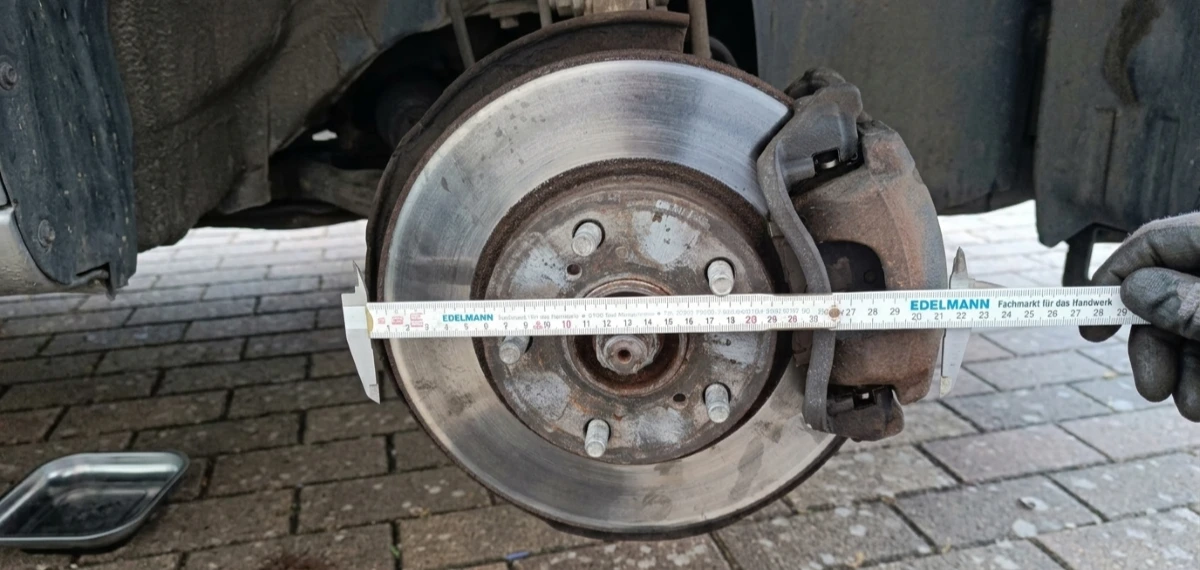
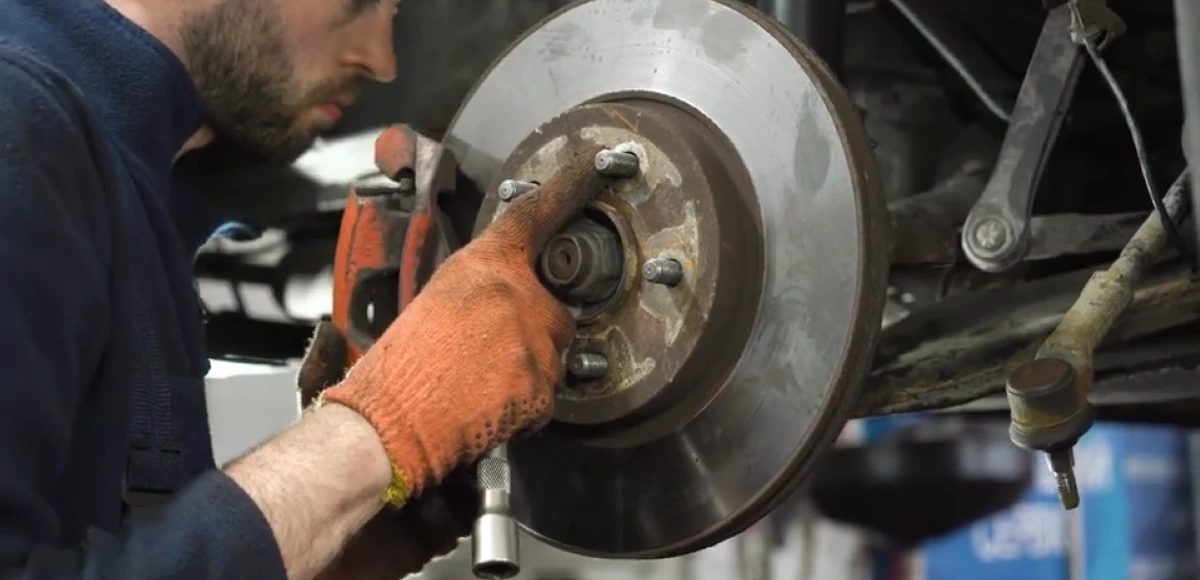


When you press the brake pedal, a high-stakes energy conversion happens instantly. Your brake pads clamp onto the brake rotors (also known as brake discs), generating friction that converts kinetic energy into heat to slow or stop your vehicle. As a critical component attached to the wheel hubs, the condition of your rotors directly dictates your safety.
However, with a typical lifespan of 30,000 to 70,000 miles, your brake rotors won't last forever. Are you hearing a loud screeching noise or feeling a vibration in the brake pedal? These are critical signs that your rotors are worn or warped. In this comprehensive guide, we break down everything from minimum thickness specifications to the 30% performance boost provided by cross-drilled and slotted rotors. Learn how to save money with high-quality aftermarket solutions like A-Premium and why replacing rotors and pads together is the ultimate secret to restored stopping power.
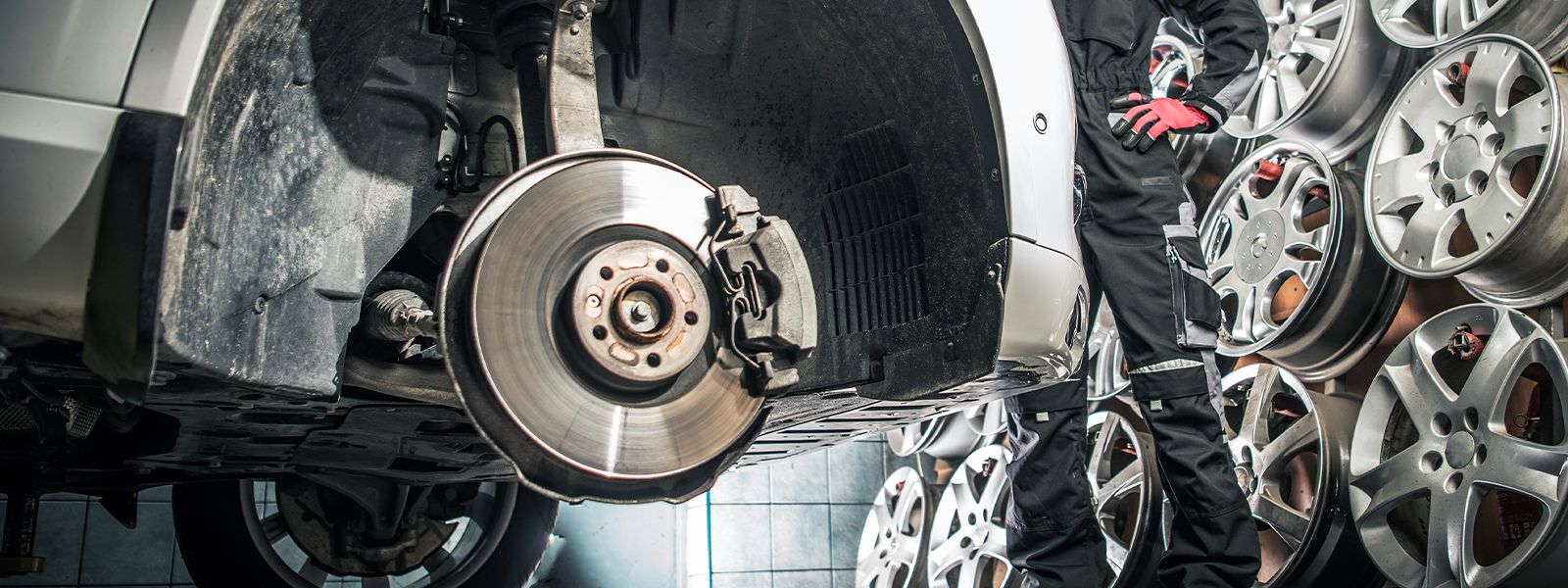
How Long Do Brake Rotors Last?
The lifespan of brake rotors generally ranges from 30,000 to 70,000 miles. However, this number can fluctuate based on driving conditions and materials. Cast iron is the most common material used for rotors due to its excellent heat absorption and durability.
For high-end performance applications, carbon composite or ceramic rotors provide improved braking performance, though they are typically more expensive than standard iron versions.
Red Flags: Common Signs You Need to Replace Rotors
Recognizing signs of wear early is essential to maintain your stopping power. Watch for these symptoms:
-
Audible Warnings: Grinding or loud screeching/squealing noise when braking indicates the pads or rotors are severely worn.
-
Vibration and Pulsing: If the brake pedal vibrates or pulses when pressed, it likely means the rotor is warped.
-
Visual Damage: Visible scoring, deep grooves, or blue discoloration on the rotor surface suggests excessive heat experience.
-
Minimum Thickness: If a rotor is thinner than the manufacturer’s minimum thickness specification, it is considered unsafe to operate the vehicle.
Expert Tip: Regularly check your brake rotors' thickness whenever you are inspecting brake pads to ensure consistent performance.
The Relationship Between Pads and Rotors
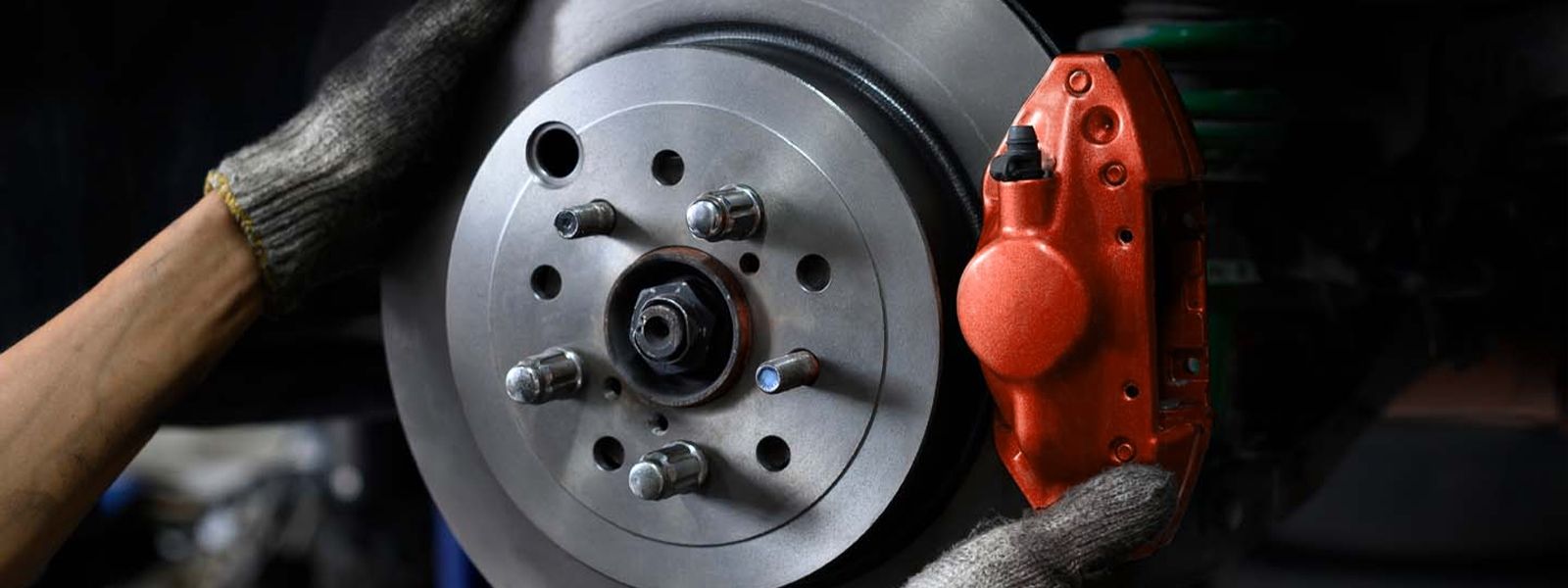
The brake system works as a balanced unit across each axle. Old brake pads can generate more heat and create uneven wear patterns, which compromise braking performance.
When replacing brake pads, it is highly recommended to also replace the rotors on the same axle. This ensures balanced braking and prevents a "cascade effect" where worn rotors damage new pads and other calipers or suspension components.
Upgrading to Performance Brake Rotors
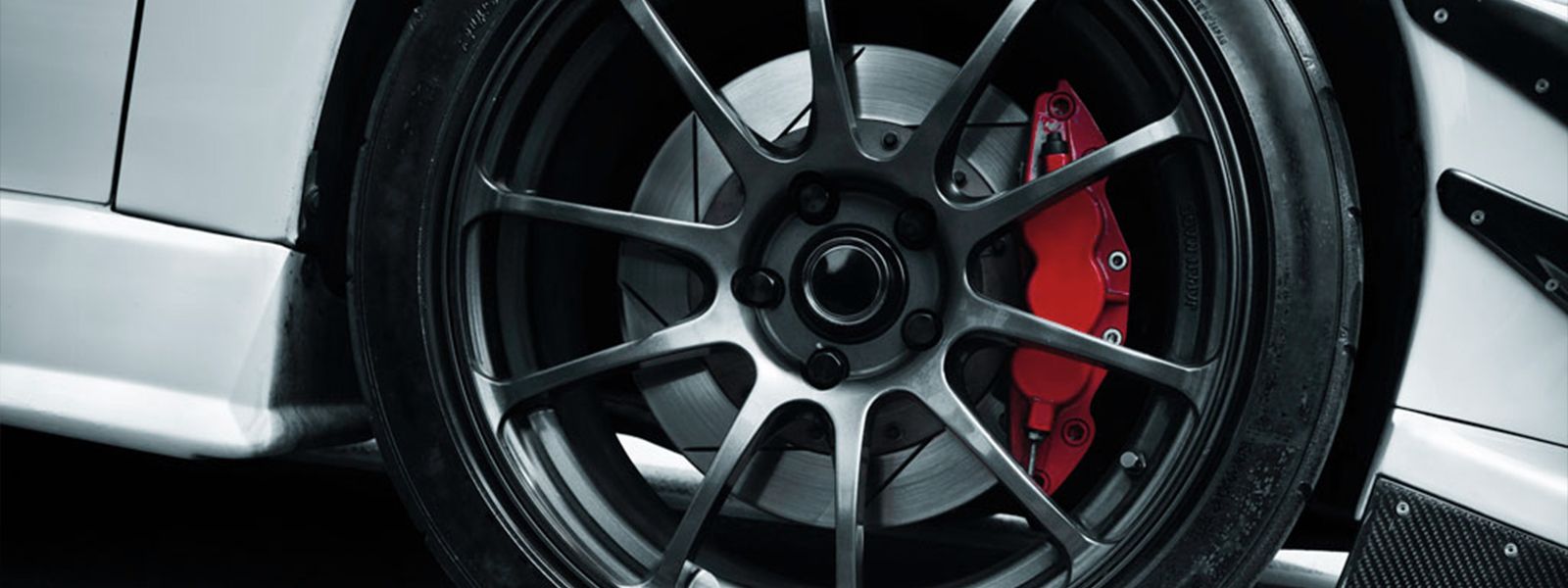
Performance brake rotors are designed to provide up to a 30% improvement in braking performance over factory stock. These advanced products offer:
-
Superior Heat Dissipation: Cross-drilled and slotted brake rotors enhance ventilation, reducing the risk of brake fade during high-stress situations.
-
Reduced Dust and Noise: Advanced materials help keep wheels cleaner and quieter.
-
Enhanced Stopping Power: Slotted rotors are specifically designed to improve the "bite" of the pads.
Why Choose Aftermarket Brake Rotors?
Today’s aftermarket brake rotors are more than just a cost-effective alternative to OEM parts. Brands like A-Premium offer performance that often meets or exceeds original specifications.
-
Durability: Many aftermarket options feature advanced coatings that enhance resistance to corrosion and wear, contributing to a longer service life.
-
Advanced Engineering: From vented designs to specialized slots, these rotors are built to dissipate heat more effectively than standard drums or basic discs.
-
Warranty Protection: Look for a product that carries a solid warranty—this is a hallmark of a quality brand that stands behind its cracking and warping resistance.
Conclusion: Don't Compromise on Safety
Failing to replace rotors when they show signs of thinning or warping puts you and your passengers at risk. Whether you are a daily driver or a performance enthusiast, investing in new rotors and pads ensures your vehicle operates properly in all conditions.
By choosing high-quality aftermarket solutions, you can save money while gaining the stopping power and safety you deserve. Find the right fit for your vehicle today and experience the difference that professional-grade brake hardware makes.


