Unveiling the Secrets of the Oil Filter Housing: Everything You Need to Know

Exploring the significance of the oil filter housing is paramount in understanding the crucial role it plays in maintaining engine health and prolonging its lifespan. This vital component serves as a protective shell, securely enclosing the oil filter.


When it comes to engine health and life, proper lubrication is crucial. At the heart of this lubrication system is an often overlooked but vital component: the oil filter housing. If you want to explore the inner workings of your vehicle's oil filtration system or find yourself in need of an oil filter housing replacement, you've come to the right place. In this blog, we will lead you to understand the appearance of the oil filter, revealing its characteristics, common failures, maintenance and so on. Here, we will unlock the secrets of the oil filter housing to make your engine run more smoothly and efficiently. Get ready to embark on a fascinating journey into the world of automotive lubrication systems as we shed light on the unknown hero, the oil filter housing.
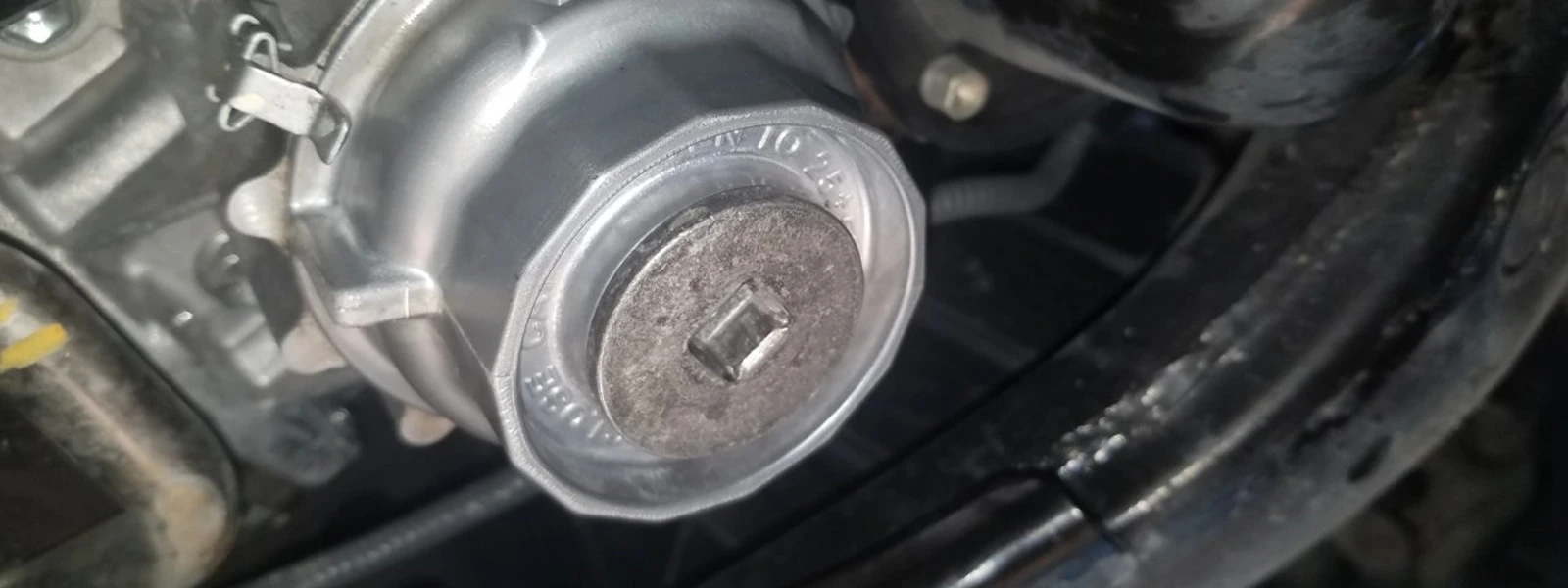
What is the Oil Filter Housing
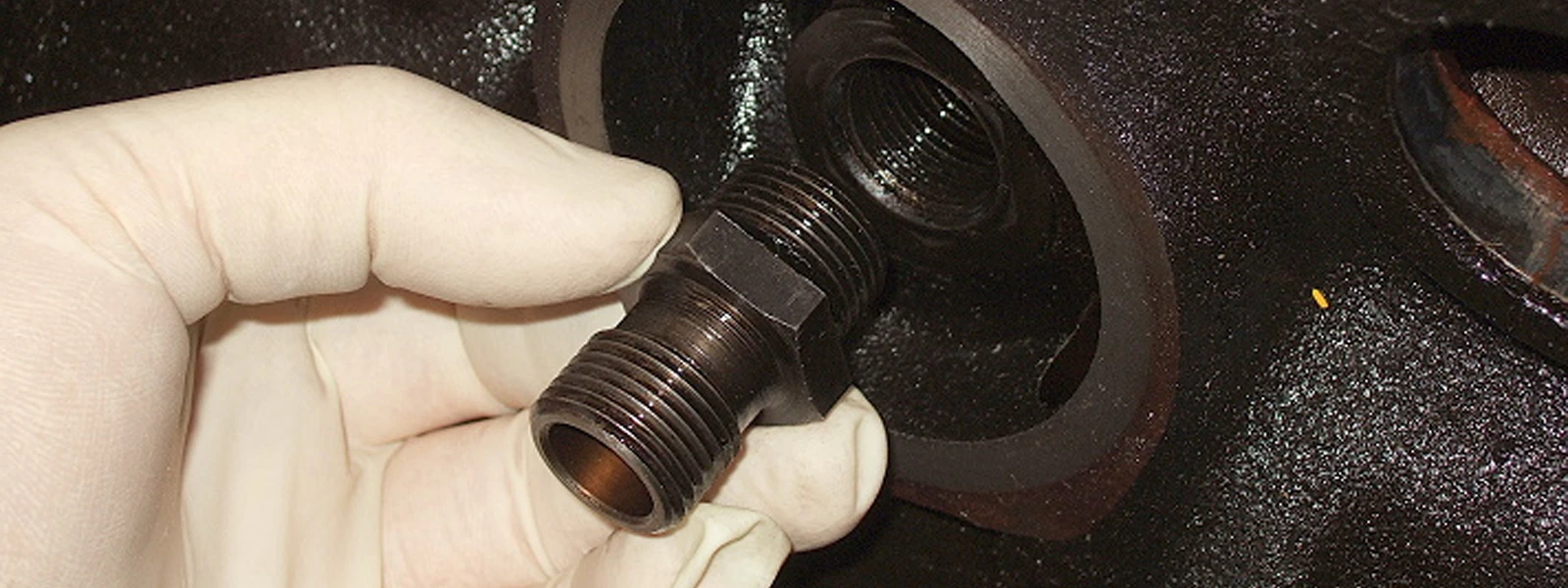
The oil filter housing is part of an internal combustion engine that houses the oil filter. It is usually a metal or plastic casing located in a convenient position within the engine compartment. The oil filter housing provides a secure installation point for the oil filter and serves as the connecting point for the oil pipe or channel that carries the oil into the filter. Inside the housing, there may be additional components such as an oil filter cap or lid, a bypass valve, or a pressure relief valve, depending on the design of the engine and the specific oil filter system used. The oil filter housing plays a crucial role in maintaining the cleanliness and proper functioning of the engine oil by allowing for the effective filtration of contaminants and ensuring the smooth flow of oil throughout the engine.
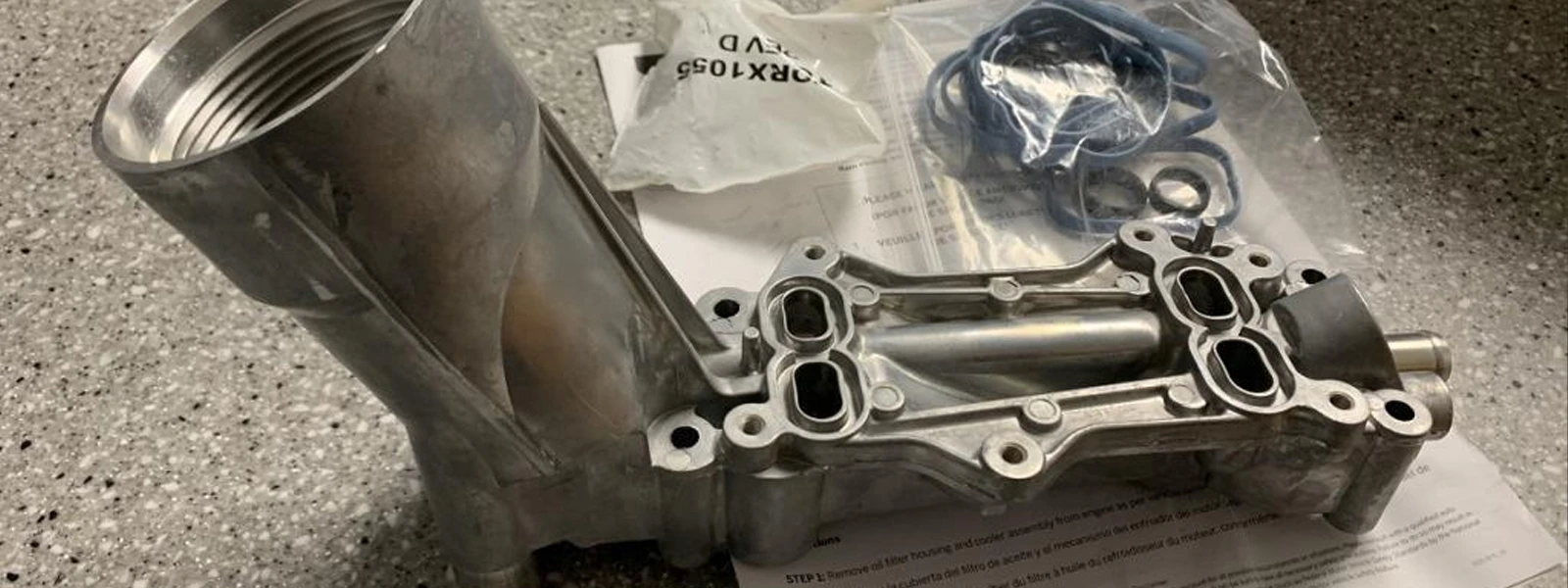
Importance of the Oil Filter Housing in the Vehicle's lubrication System
In the oil lubrication system, the oil filter housing plays a vital role. Here are some of the main aspects of its importance:
Protect the Internal Components
The oil filter housing is the container that houses the filter element and maintains its pressure operation. It is sturdy and durable and can effectively protect the filter paper and other filter elements inside from the impact and damage of the external environment. During engine operation, the inside of the filter will withstand the pressure and flow of engine oil. The strength and durability of the housing ensure the integrity and stability of the filter's internal structure.
Ensure Tightness
Oil filter housing is designed to ensure good sealing properties, so as to avoid oil leakage in and out of the filter. Not only does this prevent engine oil from being wasted, but also prevents oil leakage from contaminating or damaging other parts of the engine, so that the engine can be operated normally and its service life is prolonged.
Oil Pressure Regulation
Some oil filter housings incorporate additional components such as bypass valves or pressure relief valves. These valves help regulate oil pressure within the lubrication system. In case the oil filter becomes clogged or the pressure exceeds a safe limit, these valves ensure that oil continues to flow to the engine, preventing oil starvation or damage to the filter and other engine components.
Secure Mounting
The oil filter housing provides a secure mounting point for the oil filter. It ensures that the filter is properly positioned and tightly sealed to prevent oil leaks. A well-functioning oil filter housing helps maintain the integrity of the oil filter and prevents any potential oil leaks that could lead to oil loss or engine damage.
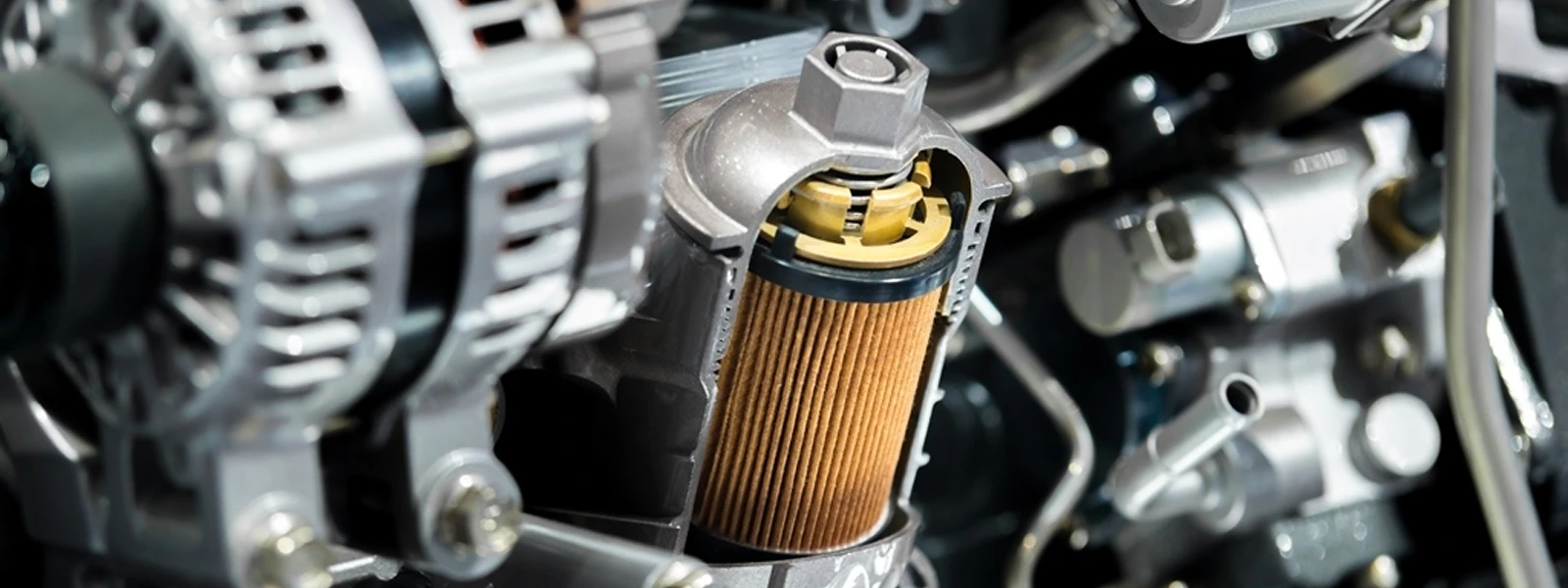
Common Issues with Oil Filter Housing
The function of the oil filter housing has been introduced above. As an indispensable part of automobile accessories, it will face some common problems. We will introduce it to you in detail in this section.
Oil Filter Housing Leak
Oil filter housing leaks can occur due to various factors, such as damage to the housing or rim, aging or deformation of the sealing ring, inadequate pressure resistance, incompatible threads, and other issues related to the quality of the filter assembly. These leaks can result in the loss of engine oil, increased engine wear, and, in severe cases, even engine damage. Therefore, it is crucial to promptly address any oil filter housing leaks by inspecting and replacing the damaged components. Employing high-quality engine oil and filters, and adhering to proper maintenance procedures and safe operating practices, are effective preventive measures. If further assistance is needed, it is advisable to consult professional car repair services.
Filter Housing Damage
The oil filter housing may be damaged due to factors such as manufacturing defects, external force, high temperature and pressure, and improper installation. When the filter housing is damaged, it will cause oil to leak and impurities to enter the engine, thus affecting engine performance and causing problems such as insufficient power and increased fuel consumption. Therefore, regular inspection and maintenance of the oil filter is crucial to detect and solve potential problems in time, ensure the normal operation of the engine, extend its service life, and improve fuel economy. Car owners should pay attention to filter maintenance to avoid unnecessary losses.
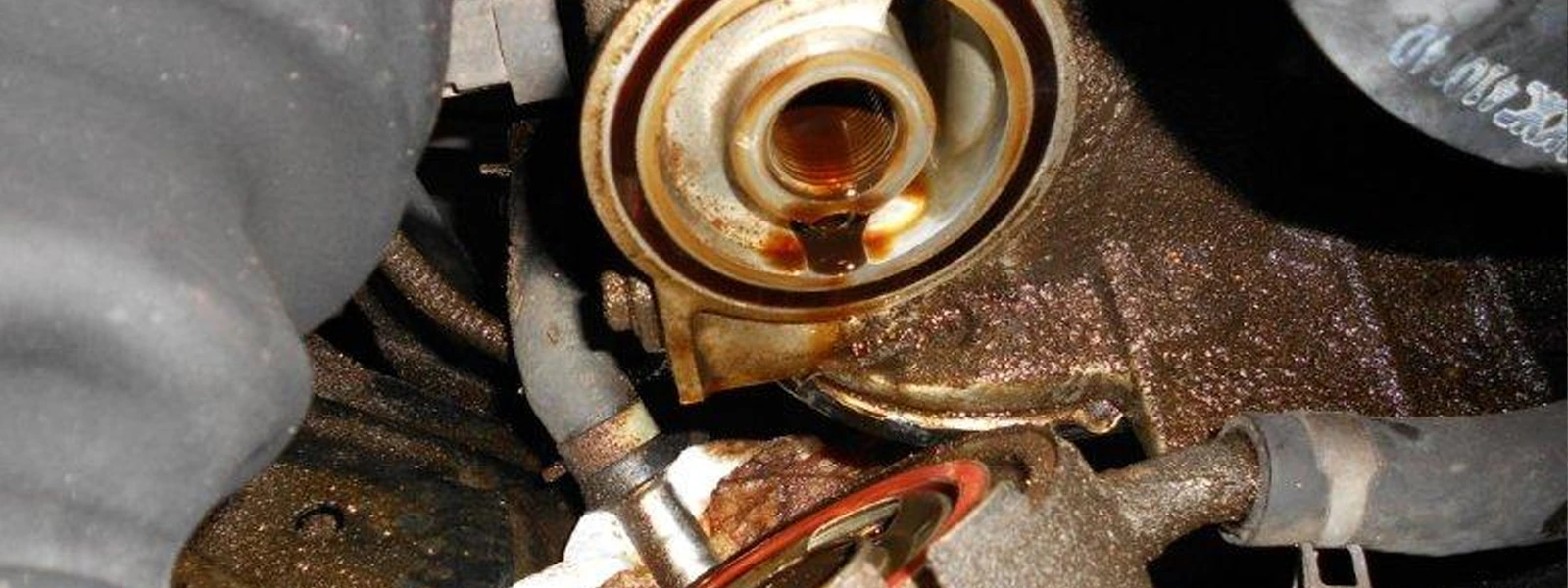
Oil Filter Housing Replacement and Maintenance
The replacement cycle of the oil filter housing is variable, primarily influenced by the vehicle's usage, oil quality, and the manufacturer's suggestions. Typically, the suggested replacement interval aligns with the oil change interval, ranging from roughly 5000 to 10000 kilometers per cycle. Nevertheless, in scenarios where high-grade oil is utilized or the vehicle's condition is substandard, a more frequent oil filter replacement may be necessitated.
Beyond scheduled replacements, it's also crucial to periodically inspect the condition of the filter housing. Prompt replacement is advised if signs of severe wear, deformation, or oil leakage are observed in the filter shell.
The steps to replace the oil filter housing are relatively complex, but here is a rough guide:
- Prepare tools and materials: Prepare a new oil filter housing, filter wrench, engine oil, rag and necessary tools.
- Warm up the engine: Start the engine and let it warm up for a period of time. This will make the oil flow smoother and facilitate subsequent replacement work.
- Drain the old oil: Open the oil filler cap, then lift the vehicle, remove the engine guard, find and remove the oil pan drain screw, and let the old oil flow out. Pay attention to avoid splashing engine oil on yourself or the surrounding environment during the discharge process.
- Remove the old filter housing: After the old oil has been drained, put down the vehicle and use a filter wrench or appropriate tool to remove the old oil filter housing. During disassembly, make sure not to damage the threads of the connection.
- Clean and install the new oil filter housing: Clean the grease and dirt on the filter joint with a cloth, and then install the new filter housing on the engine. A suitable quantity of fresh engine oil may be applied to the O ring of the filter housing before installation to ensure good sealing.
- Add new engine oil: After installation of the new filter housing, re-tighten the oil drain screw, put the car down, and add new engine oil. Be careful to choose proper engine oil as instructed in the Vehicle Handbook. Make sure the quantity of oil is in the prescribed range.
- Check and start the vehicle: After filling the engine oil, start the vehicle and idle for a while, then check the oil filter housing for oil leakage. After everything is normal, the replacement work can be completed.
Essentially, compliance with the manufacturer's replacement instructions and regular assessment of the condition of the filter casing is essential for the optimum performance and longevity of the oil filter. If you have any questions about special exchange intervals or maintenance procedures, it is recommended that you consult your vehicle technician or refer to the Vehicle Handbook.
People Also Ask
How the oil filter housing works to remove impurities from the engine oil
When the engine is working, the oil pump will let the oil flow through the housing. On the inner side of the shell, there is a filter with fine holes in the fiber or synthetic material. When the oil flows through the tank, it will pass through the filter unit. Filters trap pollutants such as dust, metal particles, carbon deposits and sludge suspended in oil. Some filters also have bypass valves on the housing. When the filter is blocked or the oil pressure is too high, the bypass valve opens to allow unfiltered oil to continue to flow through the engine.
How does it ensure consistent oil flow to the engine component
In order to keep the oil flowing to the parts of the engine, it is necessary to take care of the oil pump, the oil pipe, the oil filter, the sealing of the engine parts, and the quality and level of the oil. Only the proper operation of these links can guarantee the smooth flow of engine oil and provide adequate lubrication and cooling for the engine.


