What is ABS Sensor?

An ABS sensor is a crucial component of a car's anti-lock braking system, providing data on wheel speed to help prevent skidding and improve safety.
Have you ever had to slam on your brakes to avoid a collision or unexpected obstacle on the road? At that moment, you rely on your car's braking system to bring you to a safe stop as quickly as possible. But what happens when you brake too hard, too suddenly, or on a slippery surface? Without the right technology, your wheels can lock up and cause you to lose control of your car. That's where ABS sensors come in. These small but crucial components play a key role in preventing wheel lockup and maintaining stability during braking. In this post, we'll explore what ABS sensors are, how they work, and why they're so important for safe driving.
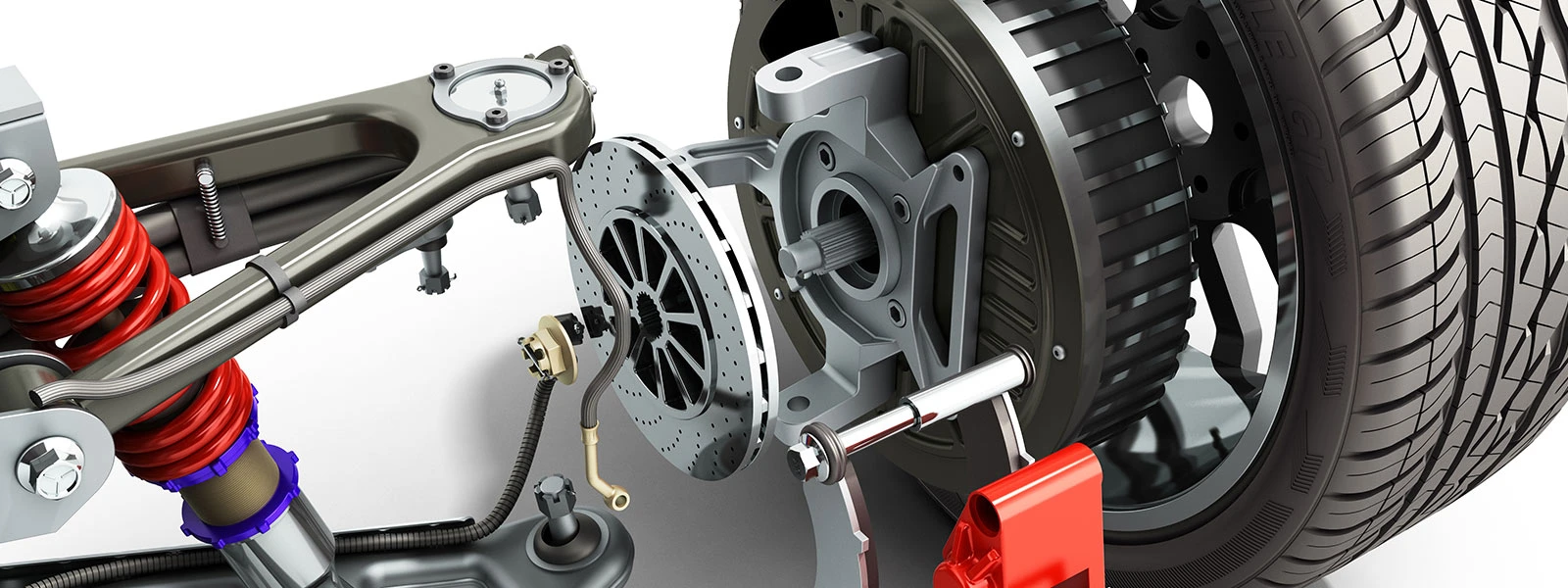
What does a wheel speed sensor do?
An ABS (Anti-lock Braking System) sensor, also known as a wheel speed sensor, is a device that is used in vehicles equipped with ABS systems. The ABS sensor is typically located on the hub or axle of each wheel, and it works by detecting the rotational speed of the wheel.
The ABS system uses the data provided by the ABS sensors to determine if a wheel is about to lock up during braking. If the ABS system detects that a wheel is about to lock up, it will adjust the braking pressure to that wheel to prevent skidding and loss of control. This is accomplished by rapidly modulating the brake pressure to that wheel, which can help to maintain traction and control of the vehicle.
How does ABS Sensor Work?
The ABS sensor works by using a magnetic sensor to detect the rotational speed of the wheel. The ABS sensor is typically mounted on the hub or axle of the wheel, and it reads the teeth on a tone ring that is attached to the wheel. As the wheel rotates, the tone ring passes by the sensor, which generates an alternating current (AC) voltage signal. The frequency of the AC voltage signal is proportional to the speed of the wheel.
The ABS system constantly monitors the signals from each of the ABS sensors, and it compares the speeds of the wheels to each other. If the ABS system detects that one or more wheels are rotating at a different speed than the others, it will adjust the braking force to that wheel to prevent it from locking up.
The ABS system constantly monitors the signals from each of the ABS sensors, and it compares the speeds of the wheels to each other. If the ABS system detects that one or more wheels are rotating at a different speed than the others, it will adjust the braking force to that wheel to prevent it from locking up.
When the driver applies the brakes, the ABS system rapidly modulates the braking pressure to each wheel to prevent any wheel from locking up. This is accomplished by controlling a solenoid valve in the brake line that regulates the hydraulic pressure to the wheel brake cylinder. The solenoid valve is opened and closed very rapidly, allowing the brake pressure to be modulated several times per second, which can help to maintain traction and control of the vehicle.
ABS wheel speed sensor types
According to their installation positions, ABS sensors can be classified into two types:
- Wheel-mounted ABS Speed Sensors: These sensors are mounted directly on the wheel hub or brake caliper, and they detect the speed of the wheel as it rotates. Wheel-mounted sensors are commonly used in vehicles with a front-wheel-drive or rear-wheel-drive layout. The wheel-mounted ABS sensors can be further divided into:
- Front Wheel ABS Speed Sensors
- Rear Wheel ABS Speed Sensors
- Four-Wheel ABS Speed Sensors
- Differential-mounted ABS Speed Sensors: These sensors are mounted on the vehicle's differential housing, and they detect the speed of the drive shaft or axle as it rotates. Differential-mounted sensors are commonly used in vehicles with a four-wheel-drive or all-wheel-drive layout.
Why ABS sensor important to your vehicle?
The ABS system adjusts the brake pressure to prevent the wheels from locking up, which can cause the vehicle to skid and lose control. By preventing the wheels from locking up, ABS sensors help maintain control of the vehicle, especially in emergency braking situations. In addition, ABS sensors can also help extend the life of the vehicle's braking system. They reduce wear and tear on the brakes by preventing the wheels from locking up and creating flat spots on the tires. ABS sensors are essential for safe and effective braking performance, and it's important to ensure they are functioning properly at all times.
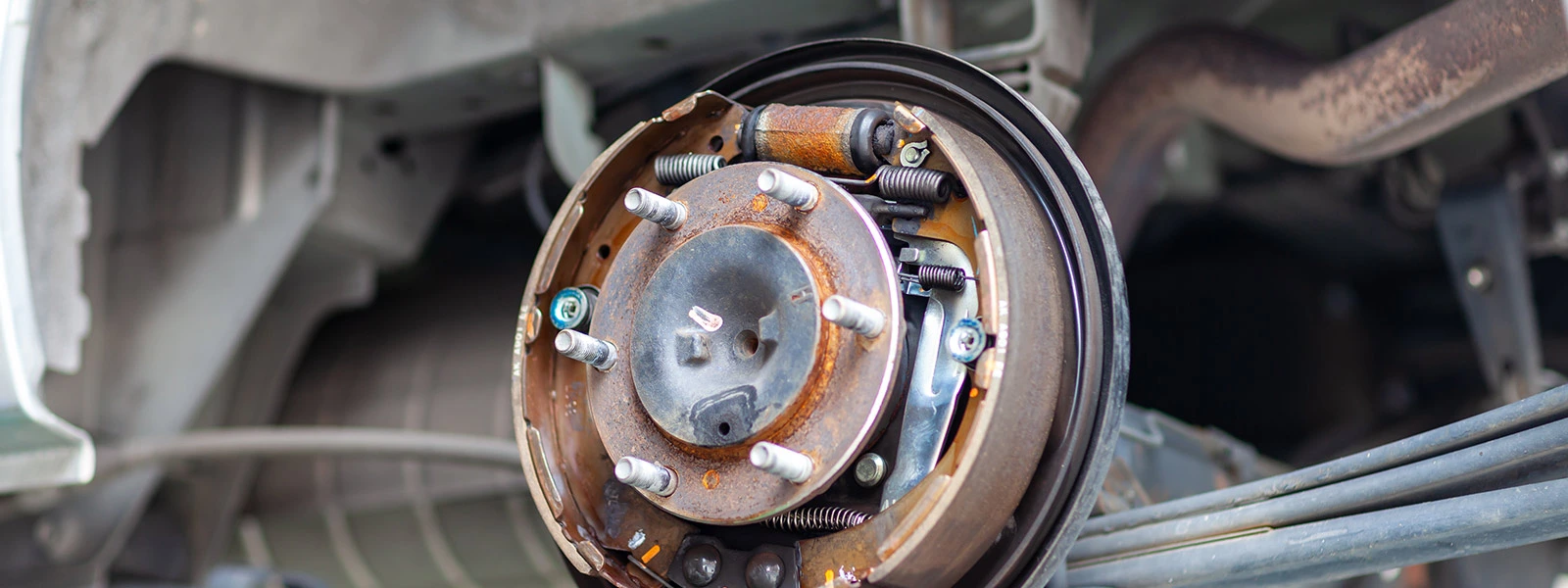
How to maintain ABS sensor on my car?
To ensure that the ABS sensor on your car remains in good working condition and provides reliable performance, regular maintenance is important and necessary. Here are some tips:
- Keep the sensor clean.
- Check for damage and replace if necessary.
- Inspect the wiring for damage or corrosion and repair or replace if needed.
- Follow the recommended maintenance schedule in the User Guide.
- Use high-quality parts when you have to replace your ABS speed sensor.
In conclusion, the ABS sensor is a vital component of the modern braking system as it plays an important part in ensuring the safety and stability of a vehicle. With proper maintenance and regular inspections, the ABS sensor can help drivers prevent accidents and avoid costly repairs in the long run.


