
What is an Engine Mount?

An engine mount secures the engine in place, ensuring stability and reducing vibrations. Common failure signs include excessive vibrations and unusual noises. Understanding when to replace them is crucial for maintaining vehicle performance.


Suggested A-Premium Parts

An engine mount is a crucial component that secures the engine to the vehicle's chassis or frame. It stabilizes the engine, preventing excessive movement during operation and ensuring proper alignment with the drivetrain. This stability is essential for the vehicle's overall performance and handling.
Engine mounts provide stability while also acting as a vibration damping system, absorbing engine vibrations and noise to enhance passenger comfort and reduce wear on mechanical components. They protect the engine and transmission from road shocks and ensure proper alignment with the drivetrain for smooth operation. Typically made from a combination of metal and rubber, engine mounts offer strength and support while effectively isolating vibrations.
Why do engine mounts break
Car engine mounts can break for several reasons, primarily due to wear and tear over time. The rubber components are exposed to heat, oil, and various environmental factors, which can lead to degradation, cracking, and eventual failure. Additionally, excessive engine vibrations, often caused by an unbalanced engine or misfiring cylinders, can put significant stress on the mounts.
Key factors contributing to engine mount failure include:
- Wear and tear: Rubber components degrade over time, leading to cracks and failure.
- Excessive vibrations: High levels of vibration from unbalanced engines or misfires stress the mounts.
- Impact damage: Road hazards, such as potholes or collisions, can physically damage mounts.
- Improper installation: Incorrect installation or low-quality parts can result in premature failure.
- Engine modifications: Upgrades that increase power or alter alignment can strain the mounts.
- Corrosion: Exposure to moisture and road salt can cause rust and deterioration of metal components.
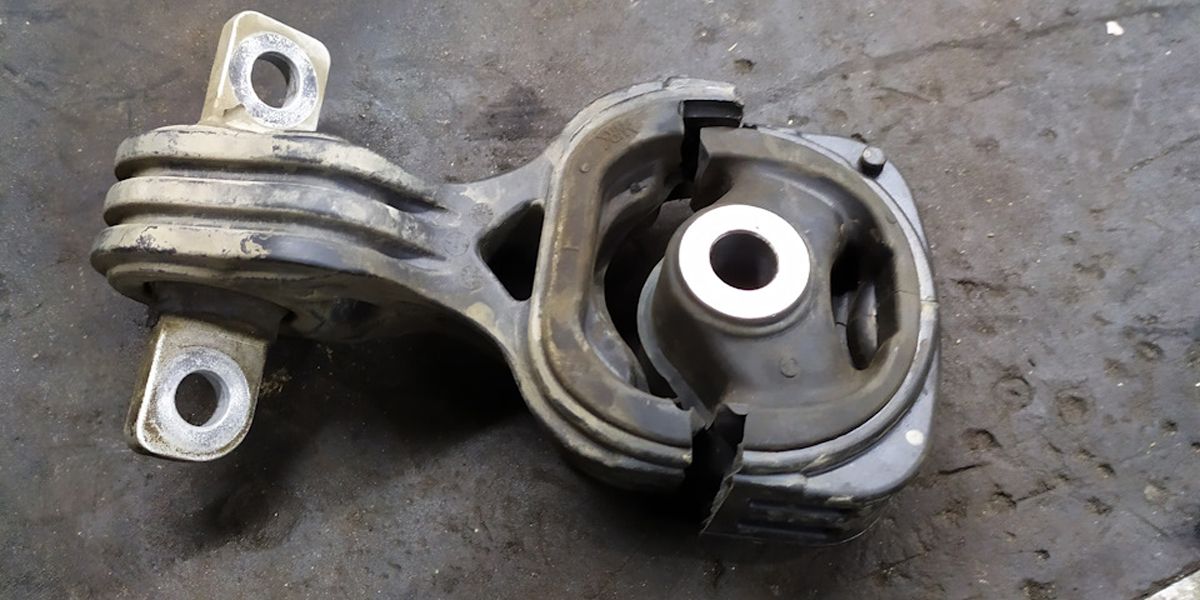
Signs of a bad engine mount
Given that your engine mounts are essential for stabilizing your engine, you'll likely be aware when something isn't right. Look out for these five symptoms of damaged engine mounts.
1. Excessive vibrations
Increased vibrations felt in the cabin, especially during acceleration or at idle.
2. Unusual noises
Clunking or banging sounds when shifting gears or going over bumps, indicating movement of the engine.
3. Engine movement
Visible shifting or movement of the engine when the vehicle is in gear or during acceleration.
4. Difficulty in steering
Increased resistance or difficulty in steering, which can indicate misalignment due to a failing mount.
5. Dashboard warning lights
Illumination of engine or transmission warning lights, which may signal related issues.
6. Oil leaks
Fluid leaks near the engine mount area, potentially indicating a damaged mount or related components.
7. Misalignment
Uneven tire wear or misalignment of the vehicle, which can result from improper engine positioning.
Is replacing engine mounts a big job
Replacing engine mounts can vary in complexity based on the vehicle's make and model, as well as the mounts' accessibility. In some cars (such as the Honda Civic or Toyota Corolla), the mounts are easy to reach, making the replacement straightforward, while in others (such as the Volkswagen Jetta or BMW 3 Series), they may be located in hard-to-access areas, complicating the process.
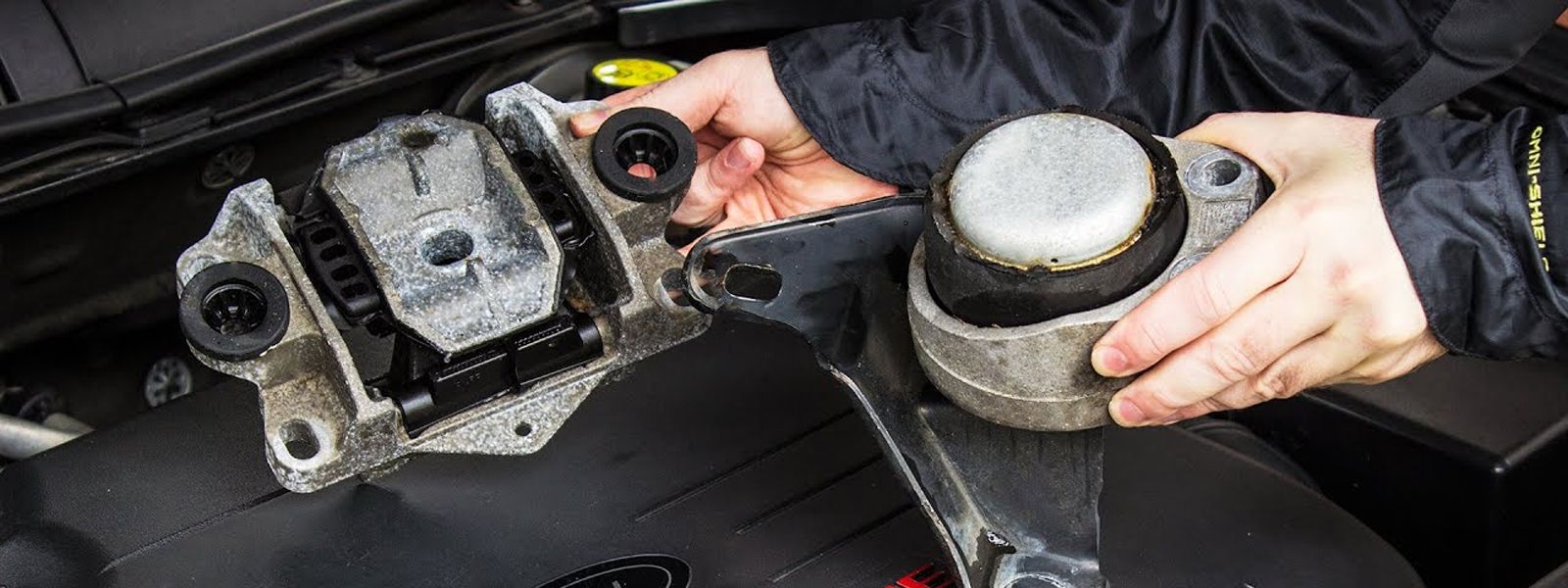
The time required for the job can range from a couple of hours to a full day, especially if multiple mounts need replacing or if additional components must be removed. Specialized tools, such as a hydraulic jack, are often necessary, which can increase the difficulty if not readily available.
Should I replace all engine mounts at the same time
Whether to replace all engine mounts at the same time depends on a few factors. If multiple mounts are worn or damaged, it's usually best to replace them all together for consistent performance and stability. This approach also helps reduce vibrations and improves engine alignment.
Replacing all mounts simultaneously can save on labor costs, as the mechanic only needs to perform the work once, making it more economical than doing it in stages. Additionally, having all new mounts enhances vehicle performance, leading to a smoother driving experience.
If you're already accessing some mounts for repairs, it makes sense to replace them all then. In summary, if several mounts are failing, replacing them together is often the best choice, but if only one is damaged, you can choose to replace just that one.


