What is OBD?Things to Know about On-Board Diagnostics

OBD diagnostic tool monitors performance, retrieves data, detects issues, and plays a crucial role in vehicle maintenance and repair.
Although the car industry originated in the 1870s, the idea of integrating cars with computers was not initially considered. However, with the advancement of computer technology and the rising demand for smart transportation, manufacturers began incorporating computer systems into car control in more advanced models. Consequently, the use of computers in car control systems since the 1970s created a necessity for a device that could detect feedback from these systems. This led to the development of the OBD Scanner, a device capable of retrieving fault codes generated by the computer, which in turn provides valuable maintenance advice for technicians.
What is OBD
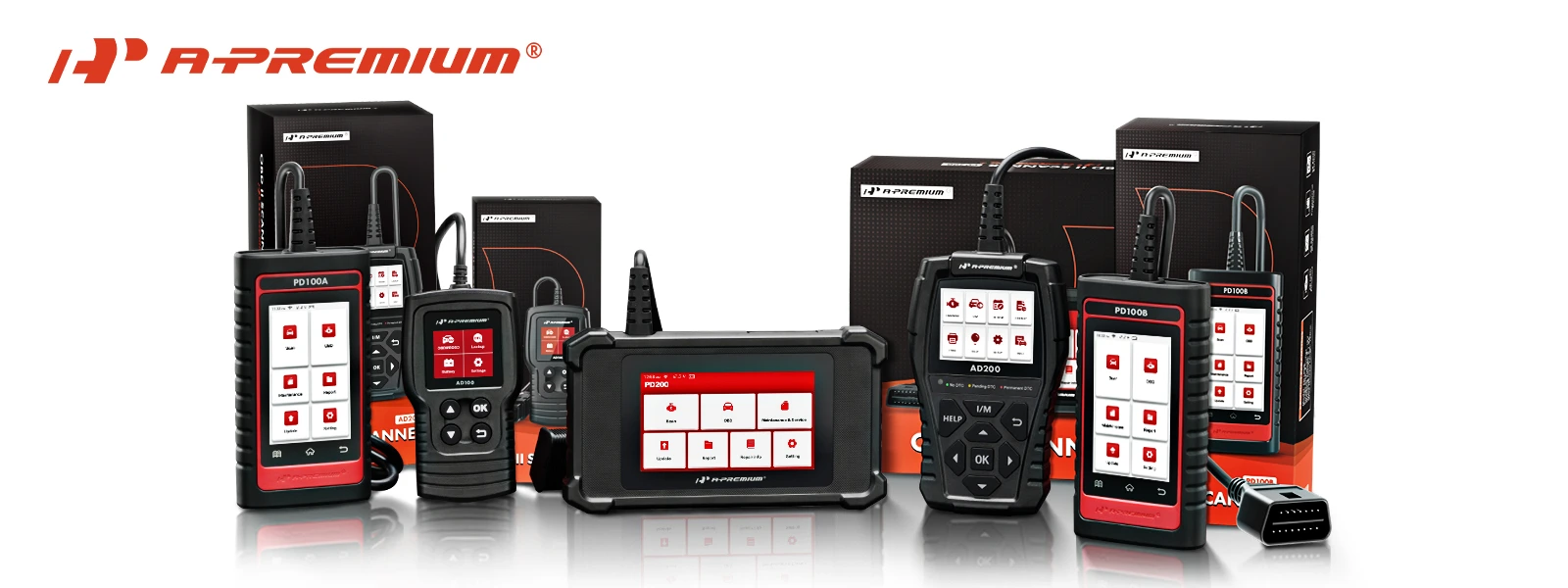
OBD (On-Board Diagnostics) is a system implemented in vehicles that monitors and reports the performance and health of the car's computer system. It is designed to detect and diagnose issues related to the engine, transmission, emissions, and other systems. OBD continuously collects data from various sensors and components within the vehicle and generates diagnostic trouble codes (DTCs) when it detects a problem.
These DTCs are alphanumeric codes that provide information about the specific issue or malfunction occurring in the vehicle. They can be accessed and interpreted using an OBD scanner or code reader. The OBD system is primarily used by mechanics and technicians for troubleshooting and diagnosing problems in vehicles. It helps identify the root cause of issues, allowing for efficient and accurate repairs.
OBD I and OBD II
OBD has evolved over time, with OBD-I being the earlier generation used in vehicles from 1981 to 1996, and OBD-II being the more standardized and widely used system in vehicles from 1994 to the present. OBD-II provides more comprehensive and uniform diagnostics across different vehicle makes and models. It has a standardized OBD port where compatible diagnostic tools can be connected to retrieve DTCs and access real-time data from the vehicle's onboard computer system. SAE (Society of Automotive Engineers) has standardized the diagnostic protocols for all vehicles into five types, which are:
- SAE J1850 PWM: Pulse Width Modulation protocol is used in Ford vehicles
- SAE J1850 VPW: Variable Pulse Width protocol is used in General Motors vehicles
- ISO9141-2: All Chrysler and a variety of European or Asian vehicles use this protocol
- ISO14230-4 (KWP2000): Keyword Protocol is used in a variety of European and Asian imports as well as Honda, Jeep, Land Rover, Subaru, Mazda, Nissan, and more
- ISO 15765 CAN: Controller Area Network is used on all vehicles manufactured after 2008
What is an OBD port and where is it
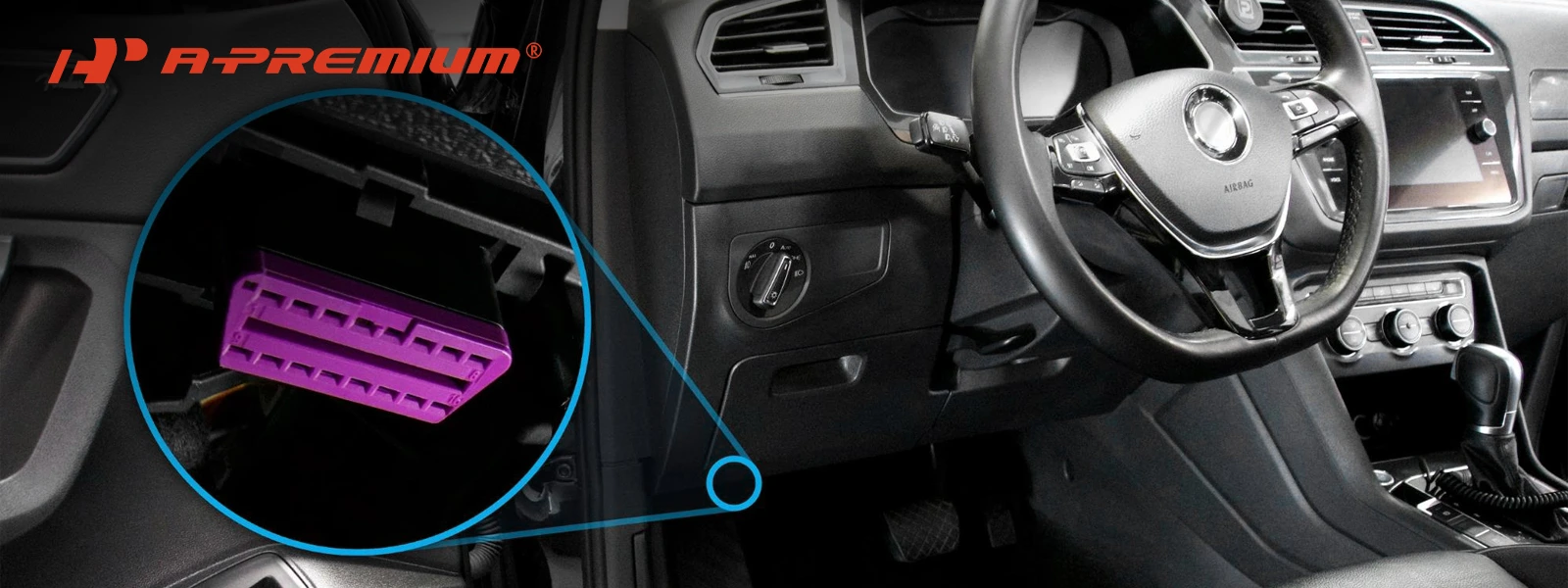
The OBD-II port is an electrical connection point in a vehicle where OBD-II scanners, code readers, and other diagnostic devices can be connected to access the vehicle's OBD-II system.
The location of the OBD port can vary slightly depending on the vehicle make and model, but it is typically found in the driver's compartment, near the steering wheel column. The most common placement is underneath the dashboard, either on the driver's side or in the center. It may also be located near the center console, under the glove box, or in the footwell area. If you’re having trouble finding it, check your owner’s manual.
What are diagnostic trouble codes
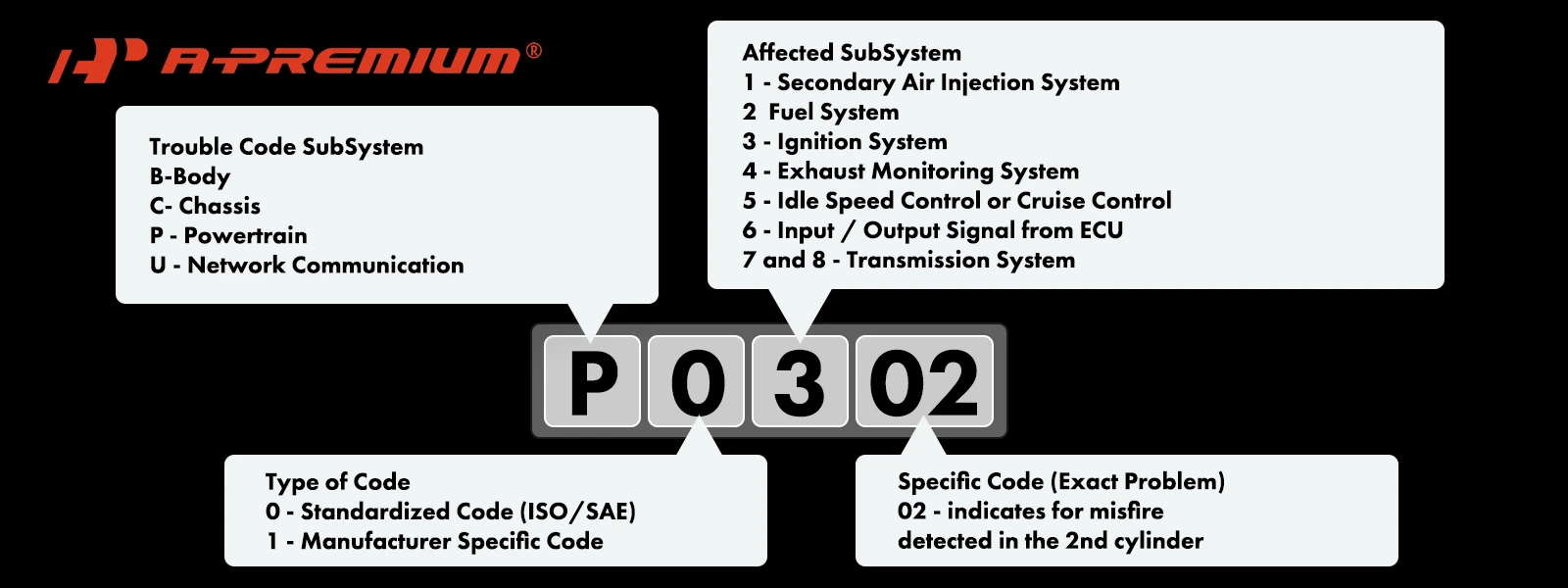
Diagnostic Trouble Codes (DTCs) are alphanumeric codes generated by a vehicle's on-board computer system to indicate a specific issue or malfunction within the vehicle. DTCs consist of a letter followed by a series of numbers. The letter indicates the affected system or area of the vehicle, while the numbers specify the specific issue or fault. Here are some examples of DTCs:
- P0300: Random/Multiple Cylinder Misfire Detected (Powertrain Code)
- B0134: Driver Side Airbag Circuit Shorted to Ground (Body Code)
- C1234: Right Rear Wheel Speed Sensor Input Signal Missing (Chassis Code)
- U0100: Lost Communication with ECM/PCM (Network Code)
It is worth mentioning that Diagnostic Trouble Codes (DTCs) serve as references to indicate potential issues in your vehicle. If you are not familiar with the meaning of a specific code, you can easily look it up online. Most scanners include a DTC lookup function that provides more detailed information about each code. This additional information can help you better understand the nature of the problem and guide you in taking appropriate actions for diagnosis and repair.
In which cases you might need an OBD scanner
If your vehicle has been in use for more than five years or if you have encountered a fault code, we highly recommend acquiring an OBD scanner. There are instances where the electronic control unit (ECU) may not display all the fault codes present in your car. To ensure your safety and the proper functioning of your vehicle, it is essential to use an OBD scanner to regularly check its status. By doing so, you can promptly identify any potential issues and take appropriate measures for maintenance and repairs.
How to choose an OBD scanner suitable for you
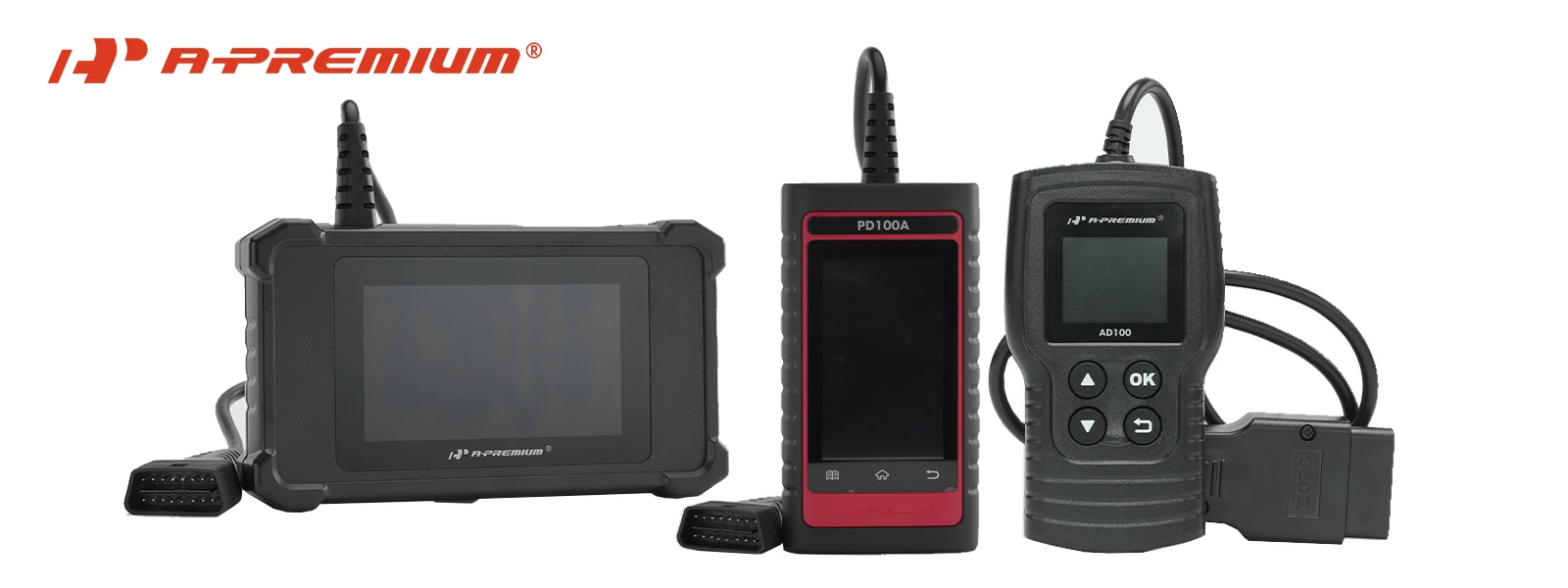
Based on our extensive research on OBD Scanners, we have identified three types of OBD2 Scanners:
Code Readers: These scanners are specifically designed to read the Diagnostic Trouble Codes (DTCs) of the engine system. They also have DTC lookup functions that provide detailed explanations of the codes. Code Readers are affordable, user-friendly, and compact. If you only need to perform occasional vehicle inspections, this device is sufficient.
Scan Tools: In comparison to Code Readers, Scan Tools can read DTCs from multiple systems and are typically more expensive. They offer additional features such as displaying various parameters of the car's operation and generating vehicle inspection reports. Professional-grade Scan Tools can analyze vehicle operating parameters to pinpoint faulty components and potential causes, assisting maintenance personnel in vehicle repairs. If you are a technician or a DIY enthusiast, a professional-grade scanner can be a valuable tool.
Brand-Specific Scan Tools: These scanners provide enhanced functionality and maintenance services compared to regular scanners, often at a more affordable price. However, they are limited to use on vehicles from specific brands. If you own only one car or if all your cars belong to the same brand, this type of scanner is usually the most cost-effective choice.
Apart from their functions, the hardware and user interface (UI) design of an OBD scanner also impact the user experience. When comparing two scanners with similar functions, it is important to consider the quality of the hardware and the ease of use of the device. If you need assistance in making a decision, feel free to reach out to our customer service team at A-Premium. We are always ready to provide helpful suggestions.


