When and How to Change an Auxiliary Water Pump in Your Car

The auxiliary water pump works in tandem with the primary water pump to circulate coolant through the engine, helping to prevent overheating and maintain optimal operating temperatures for reliable performance.

Suggested A-Premium Parts


The auxiliary water pump plays a vital supporting role in a vehicle's cooling system. While the primary pump circulates coolant through the engine, the auxiliary coolant pump provides supplementary flow to prevent overheating, especially during demanding operating conditions. This overlooked component helps maintain optimal engine temperatures and its proper functioning is crucial for reliable vehicle performance.
What does the auxiliary water pump do
The auxiliary water pump is an essential part of a vehicle's cooling system, separate from the main water pump driven by the engine. It is powered by the vehicle's electrical system. The role of this electrically-powered component is to keep coolant circulating through the system when the engine is turned off but other vehicle systems remain active, such as climate control. This continuous coolant flow prevents overheating and potential damage to sensitive engine parts.
The auxiliary water pump activates at low engine speeds to provide supplementary coolant circulation. This helps regulate temperatures and optimize engine performance, especially during stop-and-go or extended idling. By fulfilling this vital role in thermal management, the engine auxiliary water pump is essential for protecting the engine and extending the lifespan of the entire powertrain. It works with the primary water pump to ensure the cooling system functions reliably under all driving conditions.

Differences between a primary water pump and an engine auxiliary water pump
The primary water pump is mechanically driven by the engine, ensuring a steady coolant flow as long as the engine is running. In contrast, the engine auxiliary water pump is electrically powered, relying on the vehicle's electrical system rather than the engine. The auxiliary pump's key purpose is to maintain coolant circulation when the engine is off but other systems remain active, preventing overheating and potential engine damage. Additionally, the auxiliary pump may activate at low engine speeds to provide supplementary coolant flow, helping regulate temperatures and optimize performance, especially during stop-and-go driving or extended idling when the primary pump alone may not circulate coolant efficiently. This complementary design between the primary and auxiliary pumps is crucial for comprehensive engine cooling.
When to change the auxiliary coolant pump in your car
As a key component of your vehicle's cooling system, the auxiliary coolant pump plays a vital role in regulating engine temperature and preventing overheating. While these pumps are designed for longevity, they will eventually require replacement to ensure continued reliable performance. Typically, automotive experts advise changing the auxiliary coolant pump every 60,000 to 100,000 miles, or roughly every 4-7 years, as part of your car's routine maintenance schedule. However, the exact replacement interval can vary depending on factors like your driving habits, environmental conditions, and your vehicle owner’s manual.
Strange Auditory Cues
Strange noises emanating from the auxiliary water pump, such as high-pitched whining, low-frequency rumbling, or sudden metallic clanking, are signs of potential issues. These sounds may intensify with changes in engine RPM or load.
Physical Signs of Deterioration
Visual inspection may reveal deterioration, including cracks, splits, or damage to the pump housing or components. Leakage around the shaft seal or pump-to-engine mounting, as well as excessive corrosion, scaling, or mineral buildup on the pump surfaces, are also indicators of wear.
Cooling System Inefficiencies
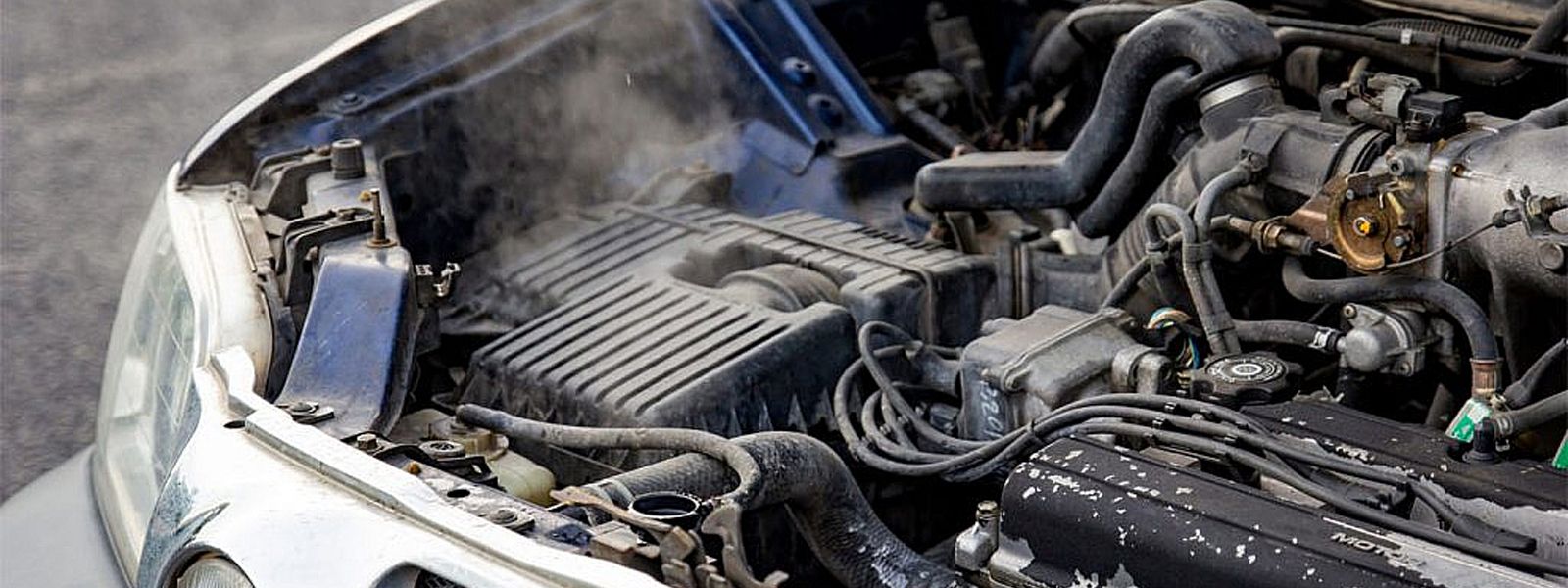
If the engine fails to reach optimal operating temperature, even in warm conditions, or experiences irregular or fluctuating coolant temperatures, the auxiliary water pump may be malfunctioning. Increased cycling of the cooling fan can also be a sign of cooling system inefficiencies.
Dashboard Indicators
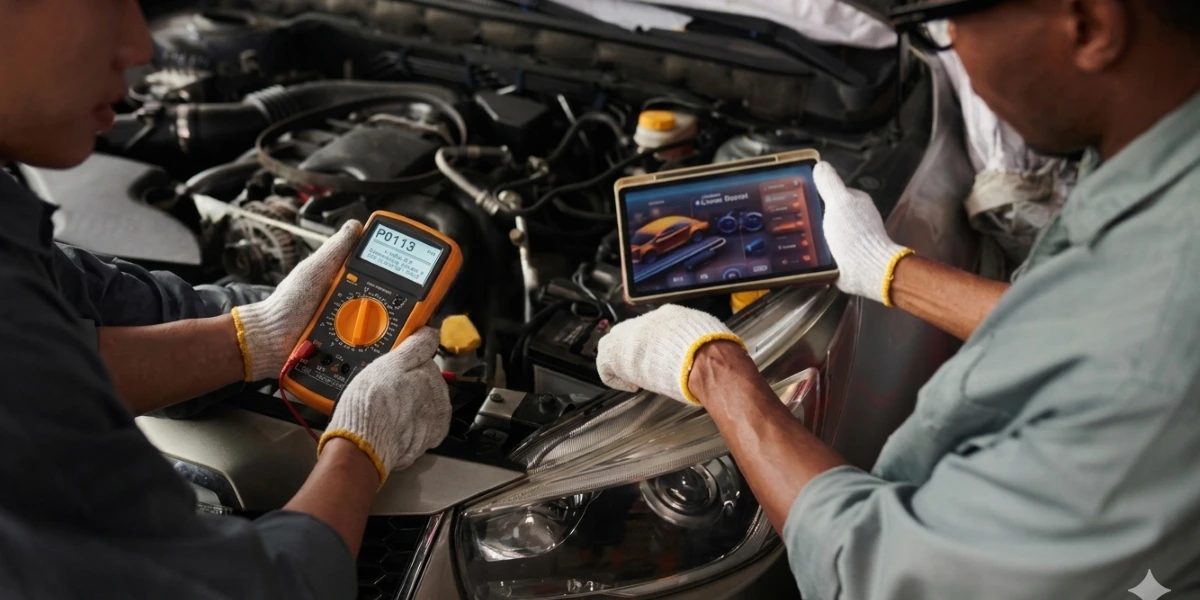
The illumination of warning lights associated with the cooling system or engine temperature, as well as diagnostic trouble codes related to the auxiliary water pump or cooling circuit, should prompt further investigation.
Addressing issues with the auxiliary coolant pump promptly is crucial, as a failing pump can allow the engine to overheat, potentially causing severe and expensive damage to critical components.
Replacing your car's auxiliary water pump made easy
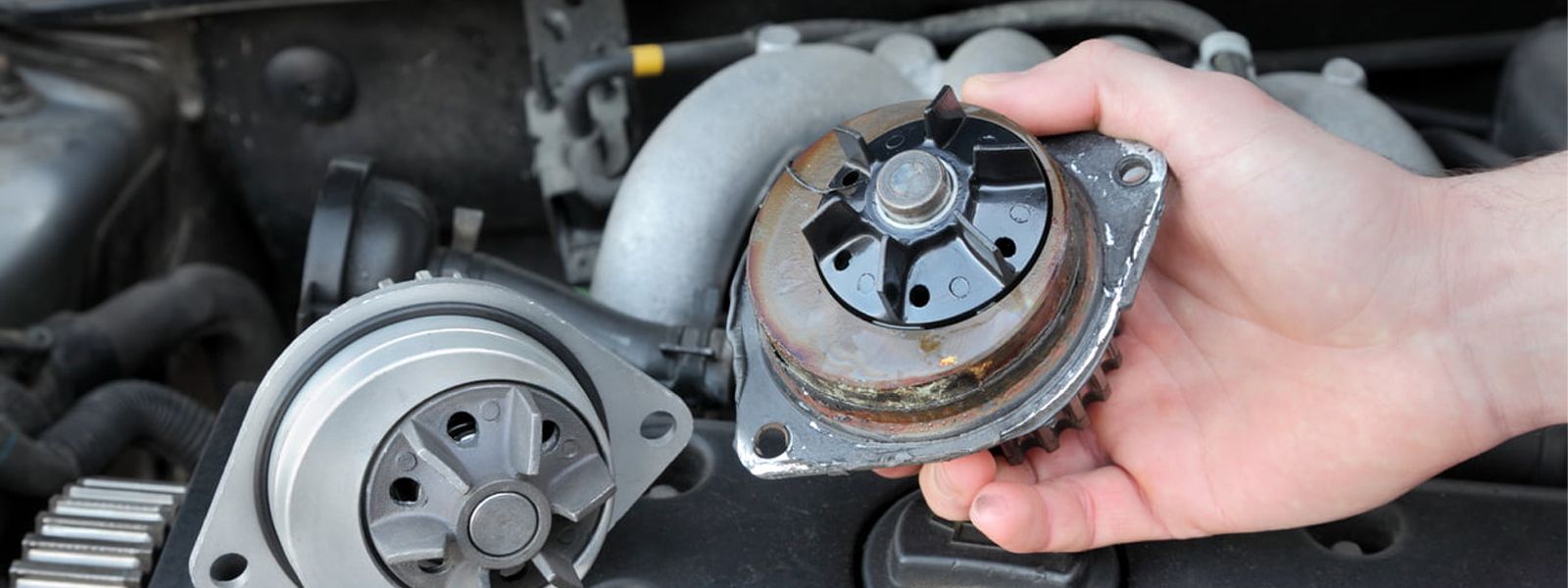
When your vehicle's auxiliary water pump begins to fail, it's generally a straightforward repair that many DIY mechanics can handle. With the right tools and a little care, you can have the cooling system back up and running smoothly.
- Locate and Prepare: Start by locating the water pump near the front of the engine. Disconnect the battery and drain the coolant, capturing the used fluid for proper disposal.
- Remove Obstructions: Remove any hoses, brackets, or belts obstructing access to the pump.
- Detach the Old Pump: Detach the mounting bolts and carefully extract the old unit.
- Install the Replacement Pump: Align the replacement pump properly, secure the mounting, reconnect radiator hoses and other hoses and wiring, and replace the serpentine belt if needed.
- Finalize and Test: Refill the coolant system, start the engine, check for leaks, and allow it to reach normal operating temperature before topping up the fluid level.

How to select a proper auxiliary water pump
When it's time to replace the auxiliary water pump in your vehicle, it's essential to choose the right part for the job. A proper auxiliary water pump ensures the engine cooling system can continue functioning even when the engine water pump is not working. Start by identifying the specific make, model, and engine configuration of your car - this will ensure the replacement pump is a perfect fit. Then Look for a quality model with durable metal housing to resist corrosion and a precision-balanced impeller for efficient, reliable coolant flow.
When in need of a dependable auxiliary water pump, consider options from A-Premium online parts store known for engineering excellence. The replacement auxiliary coolant pumps are built to withstand the rigors of the engine bay, featuring durable housings that resist corrosion over time. The precision-balanced impeller design ensures consistent, efficient coolant flow without excessive noise or vibration. A-Premium auxiliary water pumps use sealing technologies to prevent leakage and protect critical cooling system components, guaranteeing a perfect fit and seamless integration with your vehicle's existing infrastructure.
Visit the A-Premium online parts store to find the exact auxiliary water pump your car needs. You can enjoy its caring services including free shipping, 90-day free return, a 2-year warranty and 24/7 customer support.


