mg Brake Master Cylinder
4items- All filters
- Sort By
- Price
- Brand
- Warranty


What is a Brake Master Cylinder?
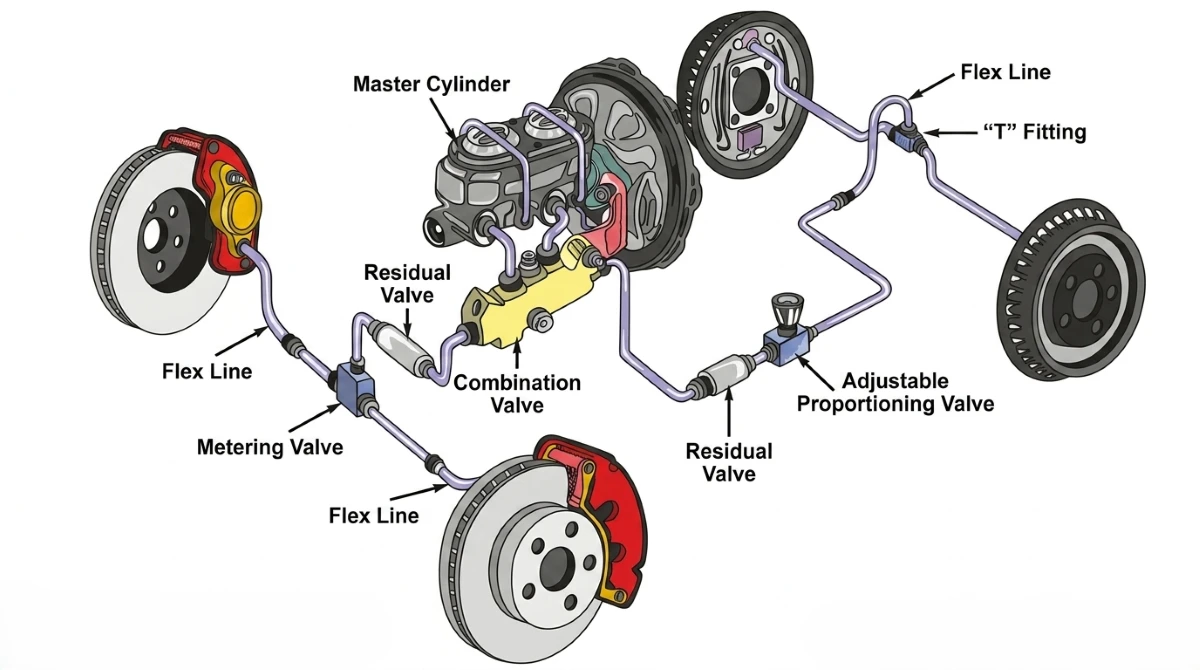
A brake master cylinder is the heart of your vehicle's braking system, acting as the primary force multiplier that transforms mechanical input into hydraulic control. This critical device converts the physical force applied by your foot on the brake pedal into massive hydraulic pressure. The most common vehicle uses of master cylinders are in brake and clutch systems, which utilize this pressure to operate effectively.
Modern light trucks and passenger cars typically feature a tandem design master cylinder with two separate hydraulic circuits for vehicle's safety. This split-circuit configuration ensures that if a leak or malfunction occurs in one part of the brake system, the other independent circuit can still deliver enough pressure to safely stop the vehicle.
Inside the cylinder, the internal bore diameter directly affects overall performance; typically, a small bore diameter is utilized for drum brakes, while a larger diameter is preferred for disc brakes to handle high fluid displacement demands.
How Does a Hydraulic Master Cylinder Work?
The operational physics of a brake master cylinder rely on a highly calculated refrigeration-like closed loop of fluid movement to provide reliable deceleration:
-
Mechanical Force Input: When you press the brake pedal, an internal push rod inside the brake master cylinder moves forward to engage the primary piston.
-
Displacing Fluid: As the piston moves through the bore, it blocks off the compensating ports connected to the plastic fluid reservoir, trapping the brake fluid ahead of it.
-
Pressurizing the System: Because liquid cannot be compressed, this action generates immediate hydraulic pressure, forcing brake fluid out through the high-pressure steel brake lines.
-
Stopping the Wheels: The pressurized fluid traveling through each line reaches the wheel assemblies, where it forces the calipers to clamp down, pressing the brake pads tightly against the spinning rotor surfaces on all wheels.
When you lift your foot, internal springs return the internal components to their resting state, venting pressure and drawing fluid back up into the reservoir.
Common Symptoms of a Failing Brake Master Cylinder
Because internal seals naturally degrade over time from heat and moisture contamination, a failing unit presents serious safety risks. Recognizing these common symptoms early allows you to address the problem before it compromises your vehicle's safety:
-
Spongy or Soft Brake Pedal: A very common sign of internal wear. A soft pedal often indicates that air has entered the brake lines or that fluid is bypassing internal seals, drastically dropping cooling stopping efficiency.
-
Delayed or Reduced Braking Power: If the master cylinder cannot deliver proper hydraulic force to the calipers, you will experience dangerous, delayed stopping distances.
-
Dashboard Brake Warning Light: A lit dashboard warning indicator often triggers to alert you to low fluid levels or an active malfunction somewhere in the wider brake system.
-
Uneven Braking & Instability: A failing dual-circuit cylinder might experience pressure loss on only one side, leading to uneven braking where one side of the vehicle pulls harder than the other during stops.
-
Visible Fluid Leaks & Discoloration: Brake fluid leaks can manifest as wet puddles or dampness under the master cylinder body or near the vacuum booster bracket. A simple visual inspection of the reservoir can reveal low fluid levels or dark, discolored fluid filled with disintegrating rubber particles.
DIY Repair & Maintenance Guide: Bench Bleeding & Installation
Swapping a worn factory unit for a high-performance aftermarket brake master cylinder is an intermediate-to-advanced DIY task. To eliminate the risk of complete brake loss, mechanics and experienced DIYers must follow a strict installation sequence.
Step-by-Step Replacement Sequence
1.Bench Bleed the Cylinder:Prerequisite
Never install a dry master cylinder onto a car. Secure the new cylinder body in a bench vise. Attach short temporary plastic lines leading from the outlet ports back into the fluid reservoir. Fill it with clean brake fluid and push the internal piston slowly with a smooth tool until all trapped air bubbles stop entering the fluid.
2.Siphon the Reservoir:15 mins
Disconnect the negative battery terminal. Place thick protective covers over your painted fenders. Use a clean fluid syringe to drain the old fluid out of the reservoir before unbolting anything to prevent messes.
3.Disconnect Brake Lines & Sensors:20 mins
Unplug the fluid level sensor wire attached to the housing. Using a dedicated flare nut wrench, carefully unbolt the steel brake lines from the side of the cylinder. Plug the open line ends immediately to prevent contamination.
4.Unmount from the Brake Booster:15 mins
Unbolt the mounting nuts holding the cylinder body to the vacuum brake booster. Pull the old master cylinder straight forward off the mounting studs.
5.Seat and Torque the New Unit:20 mins
Slide your freshly bench-bled aftermarket brake master cylinder onto the booster studs. Hand-thread the steel brake lines into the ports to avoid cross-threading, then torque all hardware to factory specs.
6.Bleed All Four Wheels:Final Step
Top off the fluid. Because air entered the line tips when removed, you must perform a comprehensive, manual four-wheel flush to clear all trapped air out of the entire brake system.
Other Components to Check and Service Together
When performing hydraulic repairs, always inspect other components in the loop to avoid a shorter lifespan on your new parts:
-
Brake Power Booster: Inspect the cavity where the master cylinder was unmounted. If the rear seal was leaking, caustic brake fluid may have leaked into the booster, ruining its internal diaphragm. If dampness is found, replace the booster immediately.
-
Brake Calipers & Wheel Cylinders: Check for stuck pistons or weeping seals at the wheels. Fresh, full system pressure from a new master cylinder can easily rupture old, fragile seals down the line.
-
Brake Pads & Rotors: Check the thickness of your brake pads and look for grooves on the rotor faces to ensure uniform friction performance across the vehicle.
Why Choose an A-Premium Aftermarket Brake Master Cylinder?
When sourcing critical components to fix brake master cylinder car issues, choosing a premium manufacturing partner is non-negotiable. A-Premium offers an expansive catalog of premium, exact-fit master cylinders designed to restore factory-spec pedal feel and rock-solid reliability.
Engineering Advantage & Quality Comparison
Our product page highlights exactly what separates an engineered component from budget alternatives, earning top-tier views and reviews from professional technicians worldwide:
|
Feature/Spec |
Generic Low-Tier Alternatives |
A-Premium Engineered Advantage |
|
Bore Finish Precision |
Rough internal honing causing microscopic friction tears over time. |
Micro-honed, ultra-smooth cylinder bores that reduce friction and extend the lifespan of internal seal cups. |
|
Seal Component Quality |
Standard rubber prone to early swelling or tearing under high heat. |
Premium EPDM rubber seals tailored to withstand wide thermal spikes and continuous high pressure. |
|
Housing Integrity |
Uneven cast weights that can warp under extreme emergency braking. |
Precision-cast aluminum or iron housings matching original equipment geometry and wall thickness perfectly. |
|
Quality Testing Standards |
Batch testing or basic visual checks on the factory floor. |
100% computerized pressure testing to guarantee zero internal fluid bypass right out of the box. |
Explore our website to find the exact model matched for your vehicle. Choosing A-Premium means investing in a durable master cylinder that drops seamlessly onto your factory setup without modifications—delivering the consistent, life-saving stopping power you and your passengers deserve.