Aftermarket TPMS: What It Is, How It Works, and Whether It’s Worth It

Aftermarket TPMS uses direct sensors to monitor tire pressure, giving reliable and affordable safety warnings.

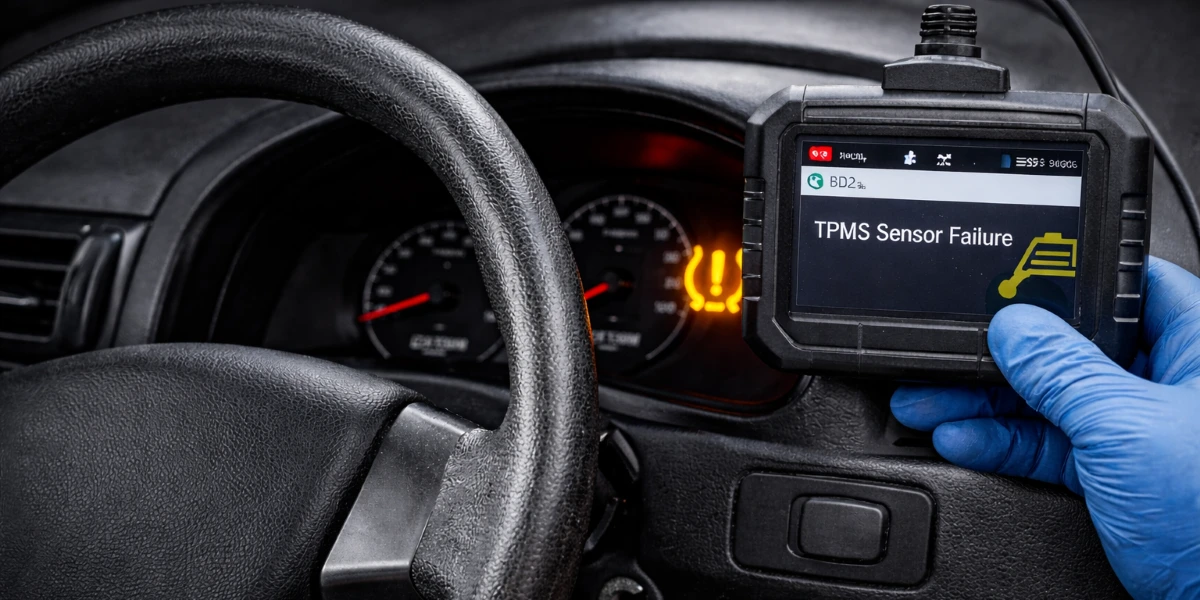
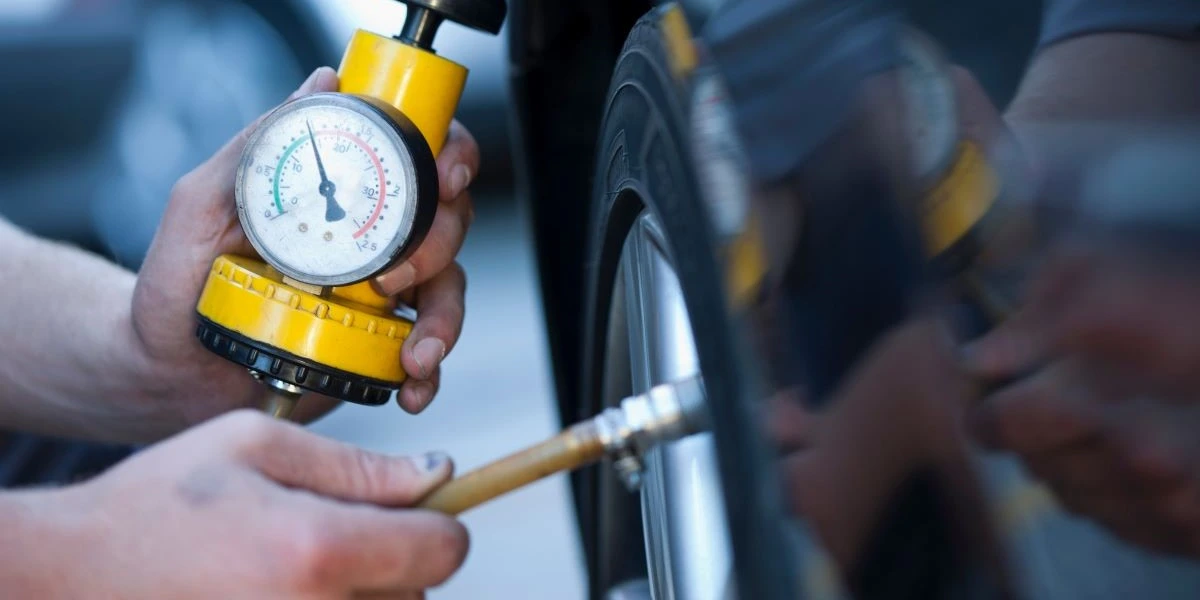
If you’ve ever seen a tire pressure warning light come on for no obvious reason, you already know how confusing TPMS can be. Many drivers eventually run into the same situation: a sensor fails, tires are replaced, or the system stops behaving the way it should. That’s usually when the term aftermarket TPMS enters the conversation.
But what does aftermarket TPMS actually mean, and is it something you can rely on? This article breaks it down in plain language, without assuming technical knowledge or pushing a sales angle.
What “aftermarket TPMS” really means
An aftermarket TPMS is simply a tire pressure monitoring system that doesn’t come directly from the vehicle manufacturer. Instead of being installed at the factory, it’s added later or used as a replacement when original components fail.
Functionally, it does the same job as factory tire pressure monitoring systems:
-
It measures tire pressure
-
It alerts you when something isn’t right
-
It helps you avoid driving on underinflated tires
The difference is where it comes from and how flexible it is, not what it’s supposed to do.
Why tire pressure matters more than most people realize
Tire pressure affects almost everything about how a vehicle drives. When pressure is too low, tires wear faster, fuel efficiency drops, and braking distances increase. When pressure is too high, grip and ride comfort suffer.
A TPMS exists to take the guesswork out of this. Instead of checking manually all the time, the system watches pressure for you and provides clear results when attention is needed.
This applies equally to a daily car, a work truck, or anything in between.
How aftermarket TPMS sensors work in simple terms
Most aftermarket systems use direct TPMS sensors. Each sensor sits inside the tire and measures pressure directly.
Here’s what happens in everyday use:
-
The sensor reads the air pressure inside the tire
-
It sends that data wirelessly
-
The system compares the reading to safe limits
-
If pressure drops, you get a warning
Some systems show this information on a small display, others use a phone app, and some integrate with existing vehicle screens. The process itself is straightforward and happens continuously while you drive.
Is aftermarket TPMS less reliable than factory systems?
This is the most common concern, and it’s understandable. Many people assume “aftermarket” automatically means lower quality.
In reality, reliability depends on design and execution, not whether the system is factory-installed. A well-built aftermarket TPMS can deliver stable pressure readings, consistent alerts, and long service life.
What matters most is:
-
Sensor accuracy
-
Signal stability
-
Clear warnings
-
Durability over time
When those elements are solid, real-world results are comparable to factory systems.
Why many drivers choose aftermarket TPMS on purpose
Aftermarket TPMS isn’t only used when something breaks. Many drivers choose it intentionally because it offers more control.
Common reasons include:
-
Factory sensors are expensive to replace
-
Wheels or tires are changed frequently
-
The vehicle is older but still driven regularly
-
More detailed pressure information is desired
For people who want flexibility, aftermarket systems often make more sense than sticking strictly with original equipment.
Using an app instead of a dashboard display
Some modern aftermarket TPMS setups rely on a phone app rather than a dedicated screen. This can be convenient, but it isn’t for everyone.
Apps can:
-
Show pressure for each tire clearly
-
Store pressure history
-
Send notifications automatically
At the same time, they depend on connectivity and notification settings. Drivers who prefer minimal distractions may still prefer a simple display unit.
The important thing is that the system remains easy to connect, understand, and trust while driving.
Installation: simpler than most people expect
Installing aftermarket TPMS sensors usually happens during a tire change. Sensors are mounted, paired with the system, and tested.
Some drivers handle this themselves, while others prefer a tire shop to take care of it. Either way, installation is typically straightforward and doesn’t require permanent vehicle modifications.
Once set up, the system works in the background with little day-to-day involvement.
Maintenance and long-term use
No TPMS system is completely maintenance-free. Sensors use internal batteries, and like any electronic product, they eventually wear out.
To keep performance consistent:
-
Pay attention to alerts
-
Replace sensors when batteries expire
-
Recheck readings after tire service
Over time, small habits like these make the difference between a system you trust and one you ignore.
Cost, value, and peace of mind
One reason aftermarket TPMS has grown in popularity is cost. Factory replacements can be expensive, especially when multiple sensors fail.
Aftermarket systems often:
-
Cost less to replace
-
Support multiple vehicles
-
Provide similar pressure results
For many drivers, that balance between price and performance builds long-term trust in the system.
When aftermarket TPMS makes the most sense
Aftermarket TPMS is a good fit when:
-
Original sensors are failing
-
The vehicle is no longer under warranty
-
Tires or wheels are changed regularly
-
You want clearer pressure results
In these situations, it isn’t a downgrade—it’s a practical solution.
Final thoughts
Aftermarket TPMS exists to solve real problems drivers face every day. When chosen carefully and used correctly, it delivers reliable tire pressure monitoring without unnecessary complexity.
For anyone looking to maintain safe tire pressure, understand what’s happening with their tires, and avoid unpleasant surprises on the road, aftermarket TPMS is a reasonable and often smart option.


