
Car Oil Cooler Replacement: Symptoms, Causes, and Step-by-Step Guide

Driving with a faulty oil cooler is unsafe due to risks like engine overheating, increased wear, oil leaks, and potential engine seizure. It can also affect other vehicle systems. Immediate inspection and repair are crucial to prevent severe damage.


Your oil cooler is essential for maintaining optimal engine performance and longevity. It is a part of the engine assembly, especially working with the oil pump, piston, and other related components to ensure optimal engine performance and longevity. Neglecting a malfunctioning oil cooler can lead to engine overheating and oil degradation, compromising your vehicle's reliability. Upgrading your oil cooler is a small but crucial step in preserving your vehicle's health and value.
How do I know if an oil cooler needs replacing
When an oil cooler is not functioning as it should, several symptoms can alert you to the problem:
- Engine Overheating: Excessive engine heat can be a sign that the oil cooler is failing to manage heat effectively.
- Decreased Oil Pressure: Reduced oil pressure may be due to oil flow restrictions caused by blockages or leaks within the cooler.
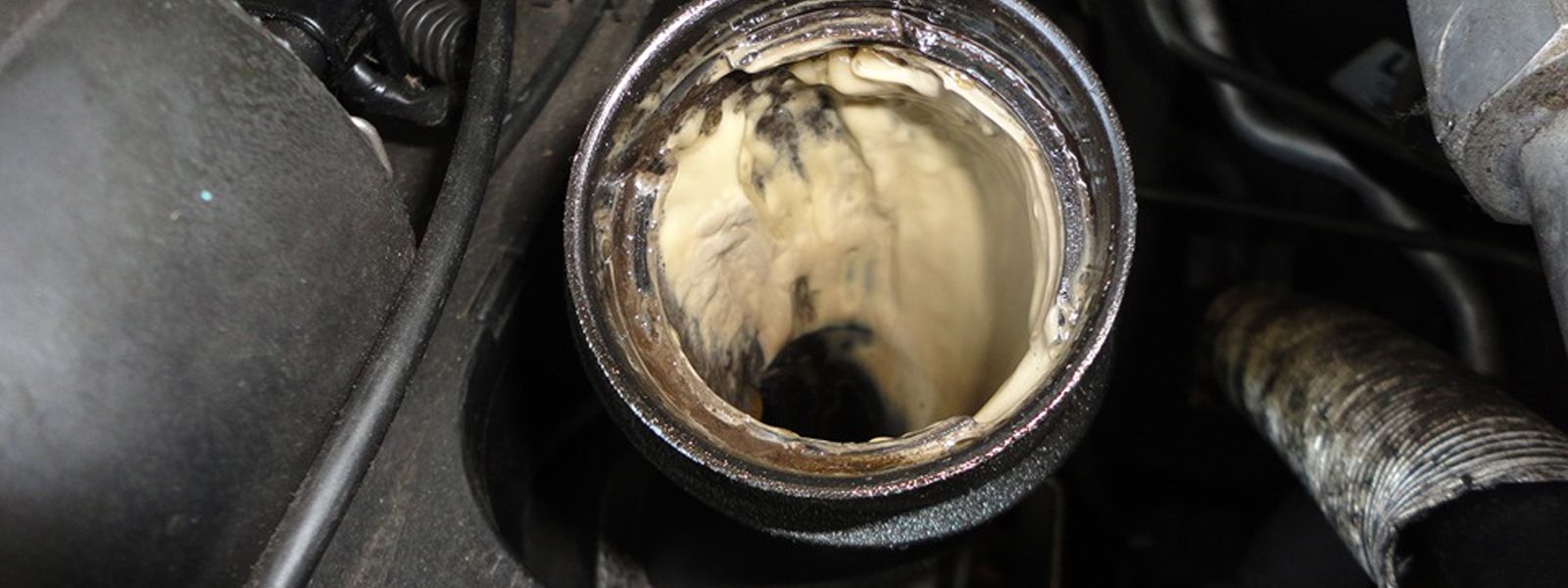
- Oil Discoloration: If the engine oil appears darker or contaminated, it could indicate that the oil cooler is deteriorating.
- Engine Noises: Unusual sounds like knocking or grinding may suggest that the engine is not being adequately lubricated due to an oil cooler issue.
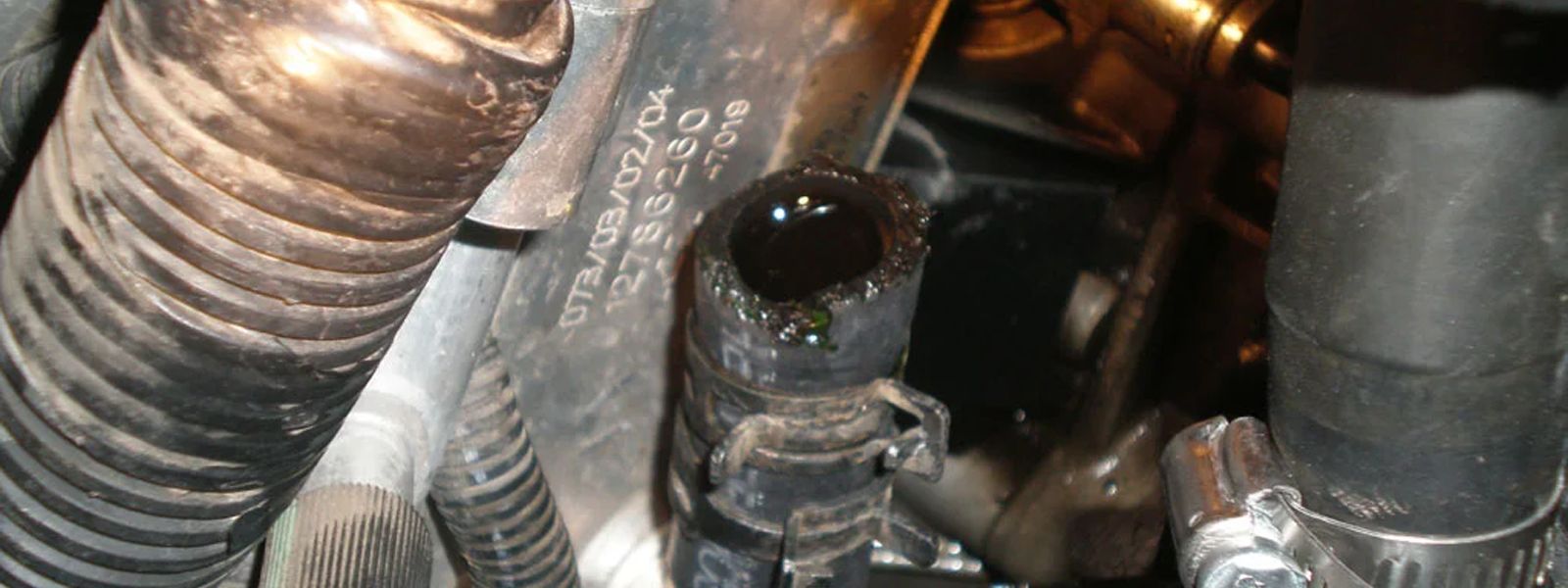
- Oil Leaks: Physical damage to the oil cooler, such as cracks or damaged seals, can result in oil leaks.
How can faulty oil coolers affect other systems in the car
A malfunctioning oil cooler can have far-reaching consequences, affecting various systems beyond just the engine itself. First and foremost, if the oil cooler fails to properly dissipate heat, the engine oil can overheat and lose its critical lubricating properties. This can then accelerate wear and damage to internal engine components, leading to potential engine failure down the line.
Moreover, in some vehicle designs, the oil cooler is integrated with the cooling systems for the transmission and differential. When the oil cooler fails, it can cause those fluids to also overheat, leading to premature degradation of the transmission and differential components like gears, clutches, and bearings. Similarly, if the oil cooler is part of the engine's coolant circuit, its failure can disrupt the proper function of the overall cooling system, resulting in overheating issues. Given these wide-ranging implications, addressing oil cooler issues promptly is crucial to prevent cascading failures across the vehicle.
What causes an oil cooler failure
The main issues that can lead to oil cooler problems include blockage from sludge and debris, leaks in seals and connections, corrosion, and physical damage to the cooler's components, as well as insufficient airflow around the unit. Clogged passages restrict oil flow and heat dissipation, while leaks result in loss of oil pressure and potential contamination. Corrosion and structural damage also impair the cooler's efficiency. Improper positioning or blocked airflow around the oil cooler can further hamper its ability to effectively cool the engine oil.
Regardless of the underlying reason for the oil cooler's malfunction, it is crucial to have it inspected by a qualified mechanic as soon as possible. This helps prevent the issue from leading to further, more extensive damage to the engine.
A step-by-step guide to replacing your oil cooler
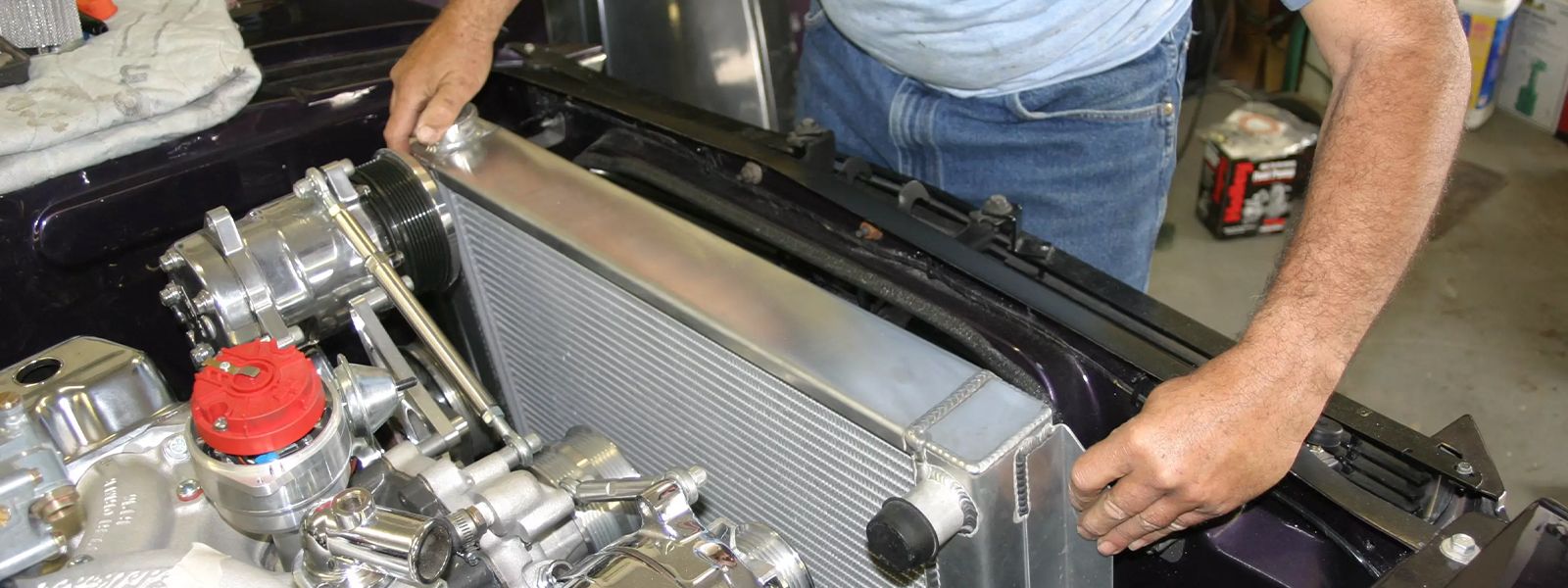
To install an oil cooler, you will need the following materials: an oil cooler, mounting hardware like brackets and bolts, oil hoses, oil fittings, wrenches and pliers, thread sealant, and a drain pan. The specific process for installing an oil cooler can vary slightly between different vehicle models, general steps are as follows:
- Drain the engine oil and prepare the work area.
- Identify a suitable mounting location and secure the oil cooler.
- Install the oil cooler's inlet and outlet fittings.
- Cut and connect the oil hoses, routing them from the cooler to the engine.
- Connect the other ends of the oil hoses to the engine.
- Add the recommended type and amount of fresh engine oil.
- Start the engine and check for leaks, adjusting connections as needed.
- Run the engine, then recheck and top up the oil level.
Remember, if you're not comfortable performing this task yourself, it's always best to consult with a professional mechanic. Regular maintenance and replacement of critical components like the oil cooler are essential for the longevity and performance of your vehicle.
How much is the oil cooler replacement
Replacing an oil cooler can vary in cost depending on the vehicle's make and model, and the type of oil cooler needed. For a basic passenger vehicle. The average oil cooler replacement costs are between $100 and $300 in the market, mainly including labor costs and parts costs.
The cost of labor depends greatly on the repair site you choose. If you go to a professional repair shop, you may pay higher labor costs because of their service. On the contrary, if you choose to repair yourself, you can have great savings in labor costs. The cost of parts depends largely on their type, including both OEM parts and aftermarket parts. Choose whether to buy OEM parts or aftermarket parts based on your budget. A-Premium is an aftermarket auto parts online store. At A-premium.com, you can find a good oil cooler at a price as low as $10.99 without compromising quality.


