What is the Difference Between a Car with a Generator and an Alternator?

Have you ever wondered how to choose between a generator and an alternator? A bad choice would cause a faulty car electrical system. If the electrical system struggles to power car's devices, it can greatly affect your smooth driving.
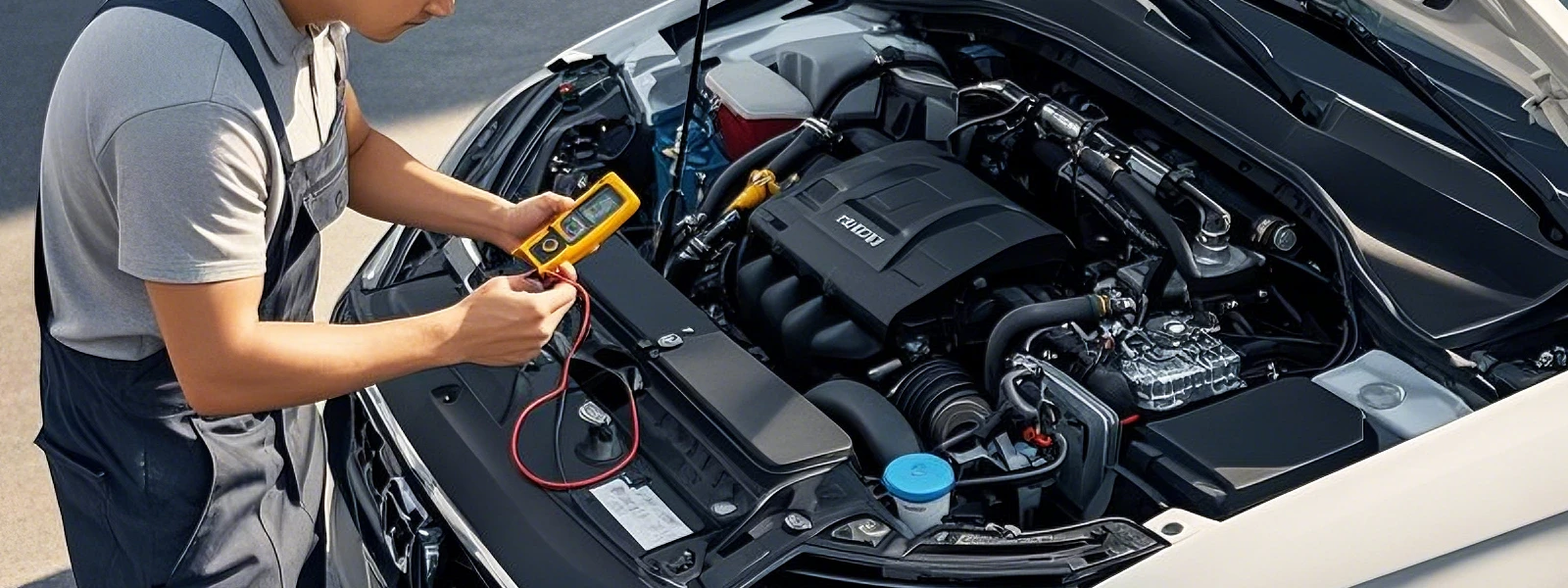
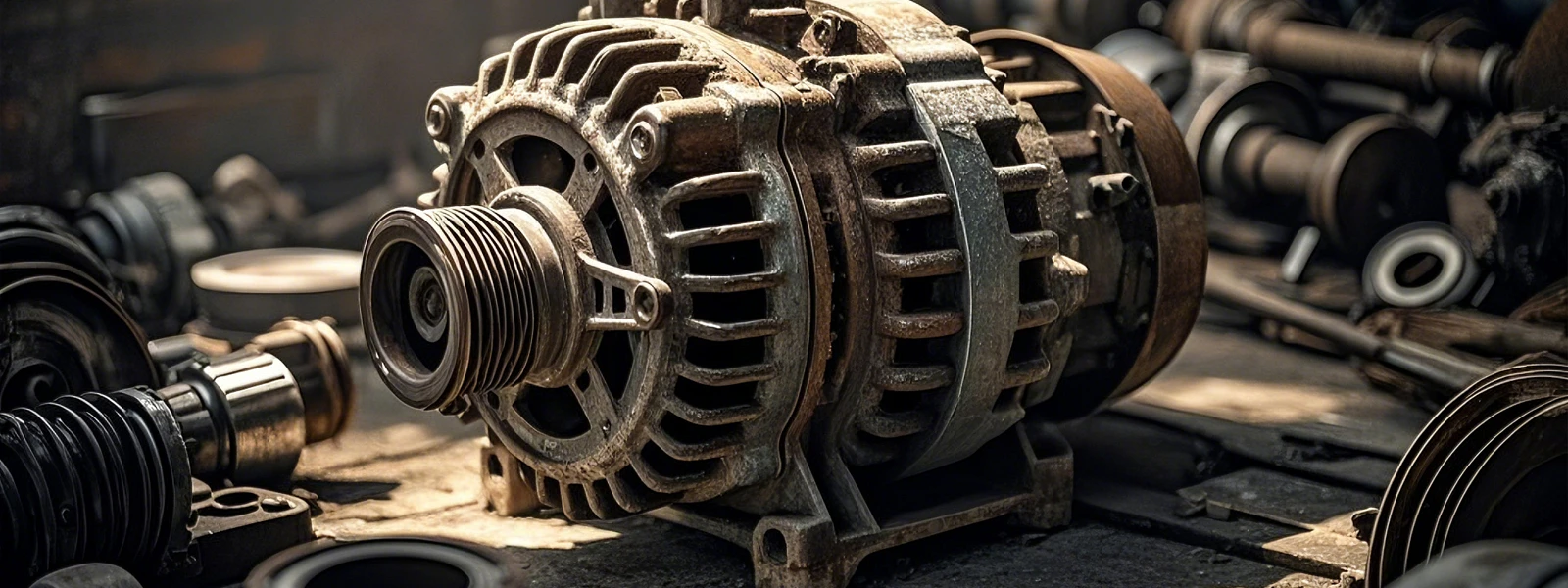
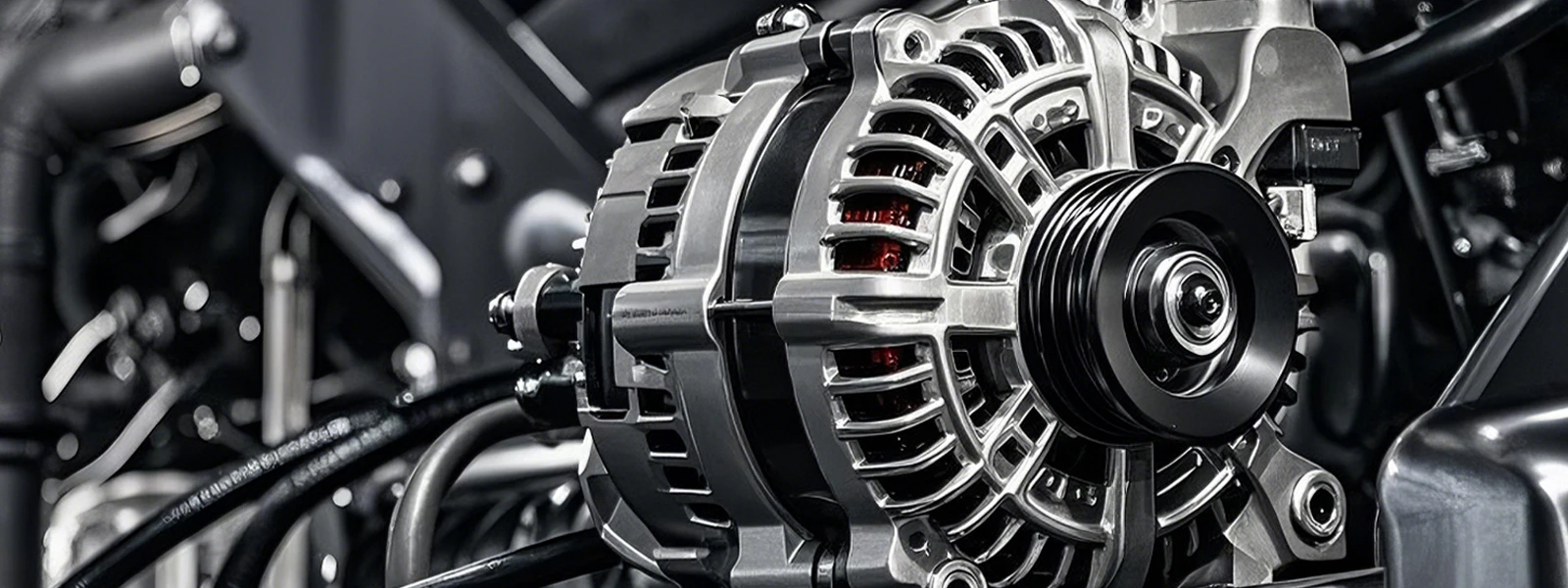
Have you ever wondered how to choose between a generator and an alternator? A bad choice would cause a faulty car electrical system. If the electrical system struggles to power car's devices, it can greatly affect your smooth driving. This alternator vs generator article aims to help you demystify these two components and make a wisdom decision.

What Is A Generator?
A generator is a device that converts engine mechanical energy into electrical energy to produce electricity. With this technique, movement inside the generator creates an electric current through electromagnetic induction. Generators that produce direct current (DC) electricity are commonly found in older automobiles.
Key Characteristics of a Generator:
DC (Direct Current): DC power, which only flows in one direction, is produced by generators. In the early days of cars, when the electrical systems were basic and needed DC, this was helpful.
Mechanical Design: The generator's mechanical design often uses a commutator and brushes to transfer electricity. This design might lead to more wear and tear over time.
Efficiency: Generators are less efficient than alternators at high engine speeds. They struggle to produce enough power when the engine runs at low RPMs or idles. This makes them less suitable for modern cars with higher electrical needs.
What Is An Alternator?
With a few significant exceptions, an alternator is a contemporary electrical device that produces electricity through a similar process. It generates alternating current (AC), which a rectifier transforms into direct current (DC). Compared to a generator, the alternator's design enables it to deliver a far more dependable and efficient power source.
Key Characteristics of an Alternator:
AC (Alternating Current): Alternators produce AC, which is then turned into DC by a rectifier. AC is better for creating electricity at higher engine speeds.
Brushless Construction: Alternators have a brushless design. This reduces wear and tear and eliminates the need for regular maintenance.
Modern Use: Alternators are now the standard in cars. They produce more power and can handle the growing electrical needs of today’s vehicles, like air conditioning, GPS, and power windows.
Advantages of Alternators Over Generators:
Better Power Output: Alternators make more power at both high and low engine speeds. This keeps the battery charged and the electrical systems working well.
Efficiency: Alternators work better than generators, especially at low engine speeds. This saves fuel and helps keep the battery charged when idling.
Lower Maintenance: Alternators need less maintenance. They do not have brushes or a commutator, which means they last longer than generators.
Smaller and Lighter: Alternators are more compact and lighter than generators. This makes it easier to fit into modern engines with limited space.
These benefits make alternators the preferred choice over generators in modern vehicles.
Key Differences Between Generators and Alternators
Although the general function of both systems is the same, there are some key distinctions between them. Some of the most important features of alternators and generators are contrasted in the table below. Understanding this distinction helps to emphasize how automotive electrical systems have advanced and why contemporary cars depend on one over the other.
|
Feature |
Generator |
Alternator |
|
Power Output |
Direct Current (DC) |
Alternating Current (AC) |
|
Efficiency |
Less efficient, especially at higher speeds |
More efficient across all engine speeds |
|
Size & Weight |
Larger, heavier |
Smaller, lighter |
|
Maintenance |
Requires more frequent maintenance, especially the brushes |
Requires less maintenance, no brushes |
|
Lifespan |
Shorter lifespan |
Longer lifespan |
|
Performance |
Decreases with higher engine speeds |
Consistent performance under varying loads |
Why Generators Are Replaced by Alternators in Modern Automobiles?
Modern cars use alternators instead of generators for a few reasons. First, alternators are more efficient. They produce more power at higher engine speeds. This makes them better for cars with many electrical parts that need power.
Second, alternators are smaller and lighter. This is important for cars that focus on fuel efficiency and weight. The compact design of the alternator fits better in the engine compartment. It also requires less maintenance, which lowers long-term costs.
Finally, alternators provide a more steady power output. In older cars with generators, the electrical system could put more strain on the engine at high speeds. This lowered the car’s efficiency. Alternators give power without stressing the engine as much.
How Generators and Alternators Affect Your Car’s Performance
Generators and alternators affect a car’s performance in different ways. A generator powers the battery and electrical parts. When it loses efficiency, the battery can drain, and electrical parts may not work well. However, an alternator provides a steady flow of electricity. It keeps the battery charged and ensures all parts work properly.
In modern cars, an alternator’s stable power output helps performance. It keeps the battery charged on long drives. It also powers systems like air conditioning, headlights, and the radio.
The primary difference between a car with a generator and one with an alternator lies in their power output, efficiency, and construction. While generators were commonly used in older vehicles, alternators have taken over in modern cars due to their better performance, efficiency, and lower maintenance needs. Understanding these differences helps ensure that your vehicle’s electrical system remains in optimal condition for the best performance and longevity.


