
DIY Guide to Engine Mounts Replacement: How to Remove and Install

This DIY guide covers everything you need to know about replacing engine mounts, including their function, necessary tools, step-by-step removal and installation, replacement intervals, and where to buy quality mounts. Keep your car running smoothly!


Suggested A-Premium Parts

Do you notice a clunking sound coming from your car’s engine area or feel vibrations in the cabin? If so, you might be facing a faulty engine mount.
Engine mounts endure a tough job, consistently supporting the engine's weight and dampening vibrations. As a result, it's not unusual for one or more mounts to fail over time. The good news is that if you're skilled and have the right tools, you can save a significant amount of money by replacing a damaged engine mount on your own.
The process of replacing an engine mount can differ based on the vehicle's year, make, and model. Therefore, it's essential to refer to the replacement guidelines specific to your vehicle in a repair manual or database.
For a general understanding of what replacing an engine mount usually entails, you can refer to the following guide provided by A-Premium.
Ready the tools and equipment
Having these tools and equipment on hand will make the engine mount replacement process smoother and more efficient. In general, you’ll need:
- Socket set: Various sizes for removing and installing bolts.
- Wrenches: Adjustable and fixed wrenches for securing nuts and bolts.
- Torque wrench: To ensure bolts are tightened to the manufacturer’s specifications.
- Jack and jack stands: To lift and support the vehicle safely.
- Pry bar: For leveraging and adjusting the engine position if needed.
- Screwdrivers: Flathead and phillips for removing any covers or components.
- New replacement engine mount: Ensure it's the correct part for your vehicle’s make and model.
- Rubber mallet: For gentle tapping on stubborn components without causing damage.
- Shop manual or repair guide: For specific instructions related to your vehicle.
- Safety gear: Gloves and safety glasses to protect yourself during the process.

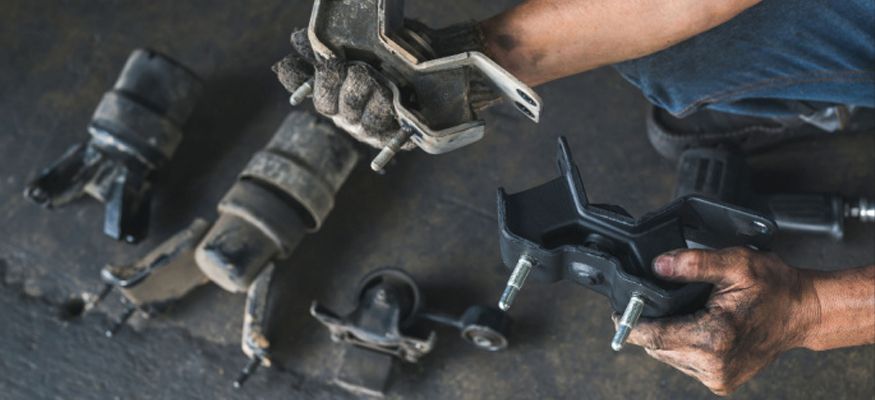
Engine mount removal
Now, let’s begin the process of replacing an engine mount in your car. The steps below will provide you with an overview of what the task usually involves.
- Prepare the vehicle: Park on a level surface, engage the parking brake, and disconnect the negative battery terminal.
- Lift the vehicle: Use a hydraulic jack to lift the car and secure it with jack stands.
- Access the engine mount: Remove any components blocking access, such as the air intake or battery.
- Support the engine: Place a jack or engine support under the engine to prevent it from dropping.
- Remove bolts: Use a socket set to take out the bolts securing the engine mount to the engine and chassis.
- Take out the engine mount: Carefully lift the engine mount from its position.
- Inspect for damage: Check the area for any wear or damage before installing the new mount.
Engine mount installation
1. Prepare the new mount
Ensure the new engine mount is the correct part for your vehicle and check that all necessary hardware is included.
2. Position the mount
Place the new engine mount in alignment with the mounting points on the engine and chassis.
3. Secure the mount
Start by hand-tightening the bolts to hold the mount in place, ensuring it is correctly aligned.
4. Tighten the bolts
Use a torque wrench to tighten the bolts to the manufacturer’s specifications, following a crisscross pattern for even pressure.
5. Reinstall components
If any components were removed for access, reinstall them, such as the air intake, battery, or any other obstructing parts.
6. Remove engine support
Carefully remove the jack or engine support used to hold the engine in place.
7. Reconnect the battery
Reconnect the negative battery terminal.
8. Test the installation
Start the engine and check for any unusual noises or vibrations, ensuring the new mount is properly installed and functioning.
Engine mount replacement interval
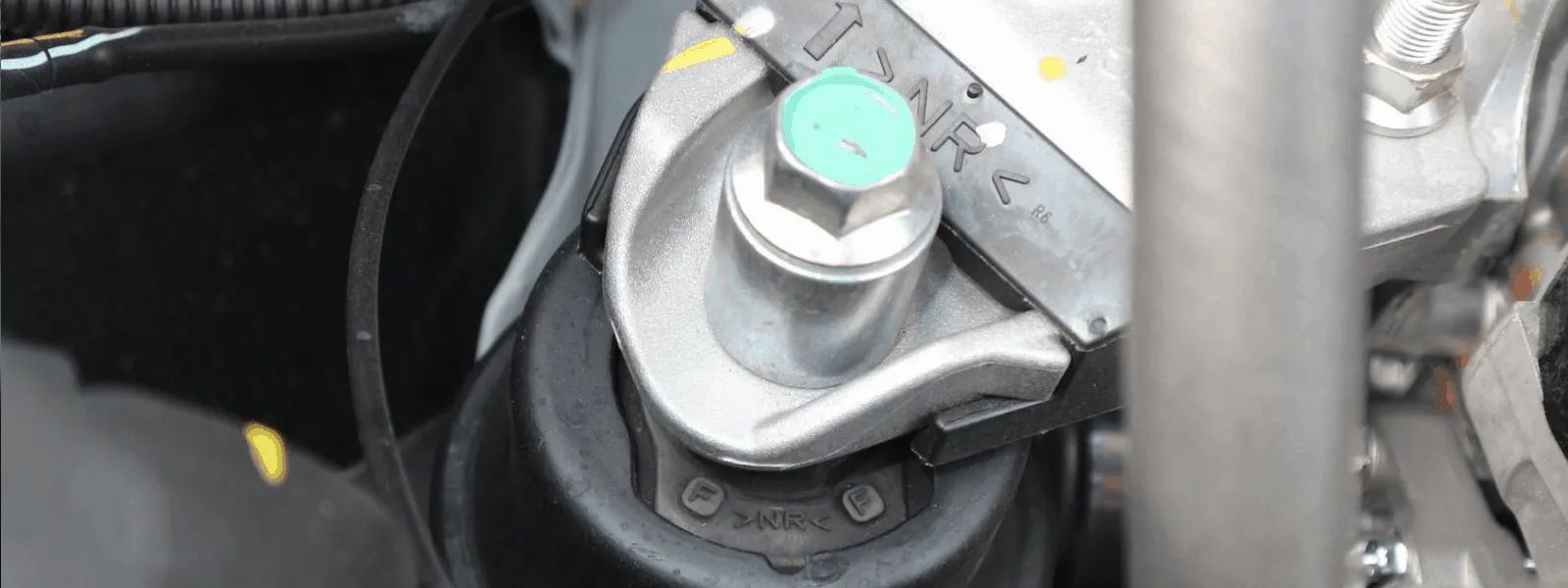
The replacement interval for engine mounts generally ranges between 5 to 7 years or approximately 60,000 to 100,000 miles, though this can vary based on several factors. It's essential to monitor for signs of wear, such as excessive vibrations, clunking noises, or misalignment, which may indicate that replacement is necessary, regardless of mileage. Additionally, driving conditions play a significant role; frequent travel on rough roads, towing, or aggressive driving can accelerate wear and require more frequent inspections. Regular maintenance and inspections can help extend the lifespan of engine mounts and keep your vehicle running smoothly.
Where to buy quality engine mounts
If you're looking for high-quality engine mounts, look no further than A-Premium. Our engine mounts are designed to provide exceptional durability and performance, ensuring your engine remains stable and vibrations are minimized. Available for a wide range of makes and models, our mounts undergo rigorous testing to meet the highest industry standards. You can easily browse our selection online and enjoy competitive pricing, fast shipping, and excellent customer service. Trust A-Premium to keep your vehicle running smoothly with our reliable engine mounts.


