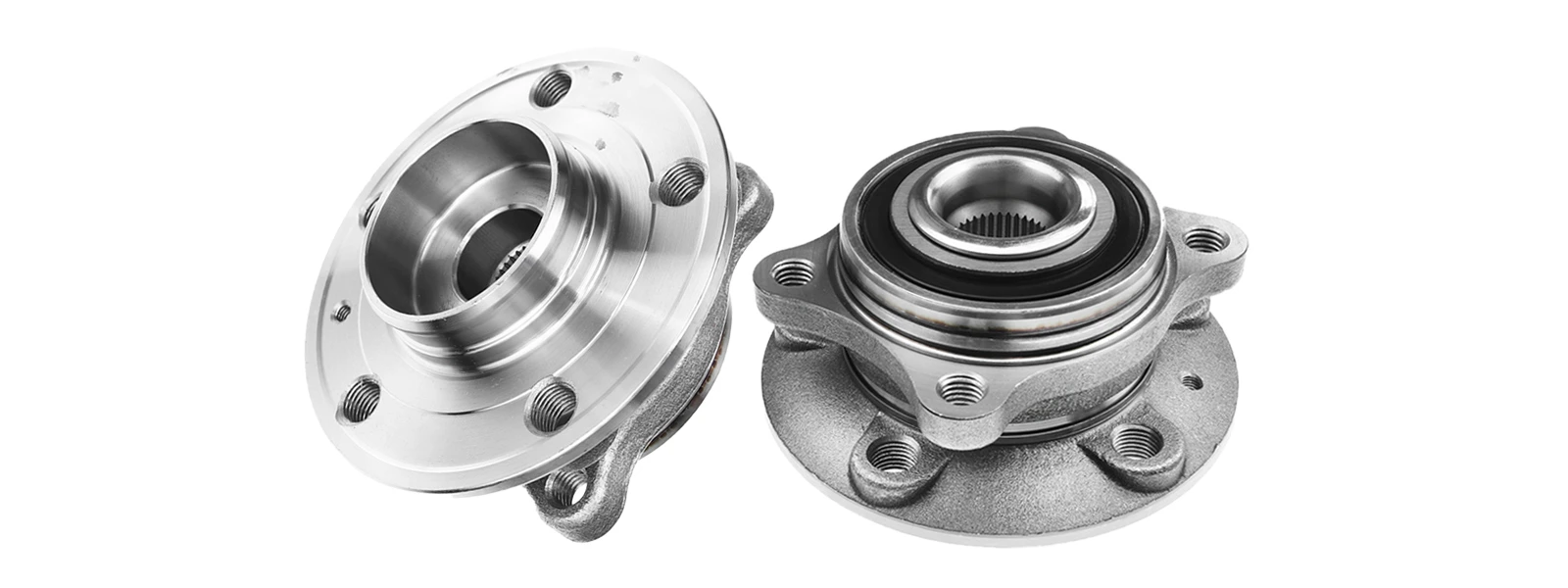
Hub Bearing Replacement

Hub bearing replacement is a common repair in vehicles and is necessary when the bearing wears out or becomes damaged.
If you're experiencing strange noises or vibrations coming from your wheels, or if you've noticed that your vehicle's handling and stability have decreased, it may be time to consider replacing your hub bearings.
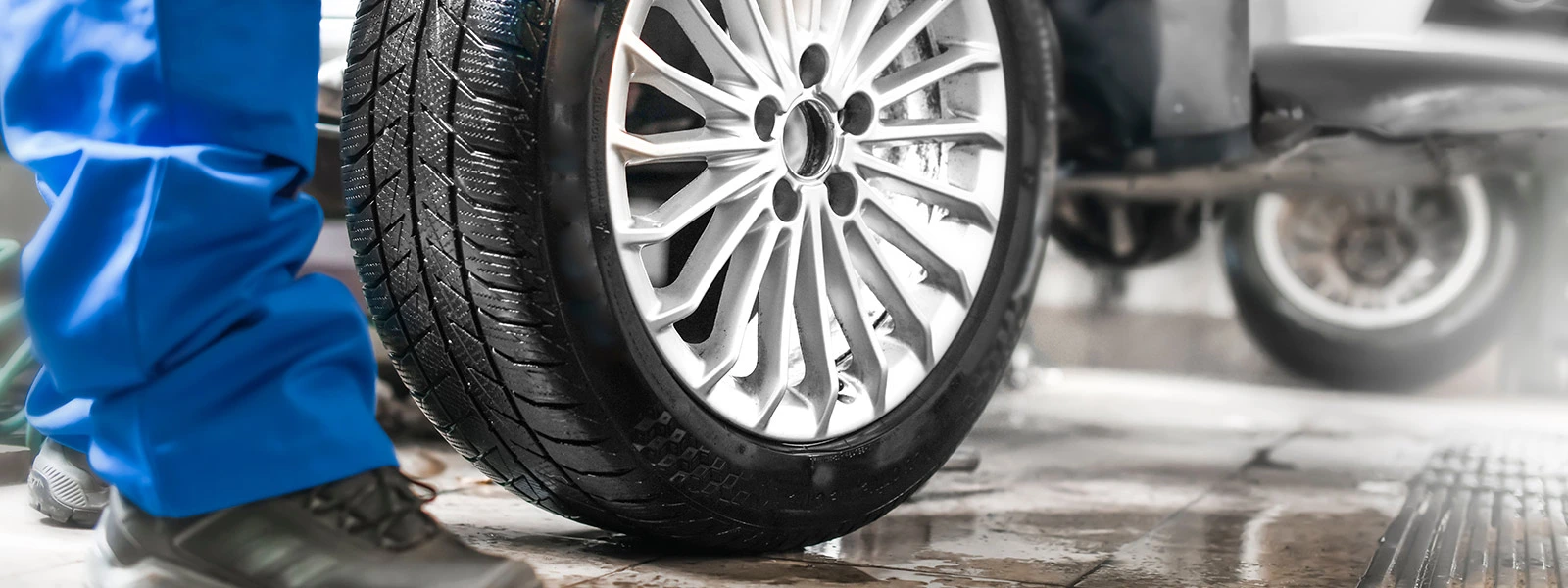
Bad hub bearing symptoms
Bad hub bearing are essential to be aware of as a vehicle owner. By recognizing the signs of a bad hub bearing, vehicle owners can take action to address the issue before it becomes a more significant problem. Common signs that may indicate a bad hub bearing include:
- Uncommon sounds: Unfamiliar noises such as grinding, clicking, or humming are among the most common indications of a problematic wheel hub assembly. Such noises can result from worn or damaged bearings housed within the hub assembly.
- Steering wheel shaking: When you feel vibrations in the steering wheel or the car itself, it might be a sign of a faulty wheel hub assembly. The vibration can become more evident at higher speeds and could stem from a loose or damaged hub assembly.
- Uneven tire tread: Improper alignment or wobbling caused by a bad wheel hub assembly can lead to uneven tire wear.
- ABS warning light: The ABS light turning on might signify a faulty wheel hub assembly. The ABS system employs speed sensors in the hub assembly to monitor the speed of each wheel. A malfunctioning sensor could cause the ABS light to illuminate.
- Wheel looseness: If you observe that the wheel is loose or wobbling, it could imply a bad wheel hub assembly. This could pose a safety hazard since it may cause the wheel to detach from the vehicle.
Hub bearing problem diagnosis
Diagnosis of a damaged hub bearing is crucial to ensuring the safe operation of a vehicle. If you're experiencing any of these symptoms, it's important to have your vehicle inspected. While it's important for car owners to be aware of potential issues with their vehicles, diagnosing a damaged hub bearing without proper training or experience can be challenging and may not provide an accurate assessment of the problem. A qualified mechanic can use a variety of diagnostic tools and techniques to identify potential issues with a vehicle's hub bearings, such as a visual inspection, a road test, or the use of specialized diagnostic equipment. So if you are not sure if you can do the diagnosis job, ask someone professional for help.
Step by step: How to replace the hub bearing?
Replacing a hub bearing is an essential maintenance task that helps ensure safe and efficient operation of a vehicle. It involves removing the old hub assembly and installing a new one. The process can be complex and requires specific tools and knowledge, so it's important to have a professional mechanic perform the replacement or to have a good understanding of the procedure before attempting it yourself. Following a step-by-step guide and being careful and precise throughout the process can help ensure the hub bearing replacement is successful.
Before getting started, you will need to gather the necessary tools and equipment: You will need a jack, jack stands, lug wrench, torque wrench, hammer, pry bar, wheel hub bearing, new retaining bolts, and a wheel bearing grease. The following steps are for you to refer to:
- Lift the car and remove the wheel: Use a jack to lift the car and support it with jack stands. Then, remove the wheel and set it aside.
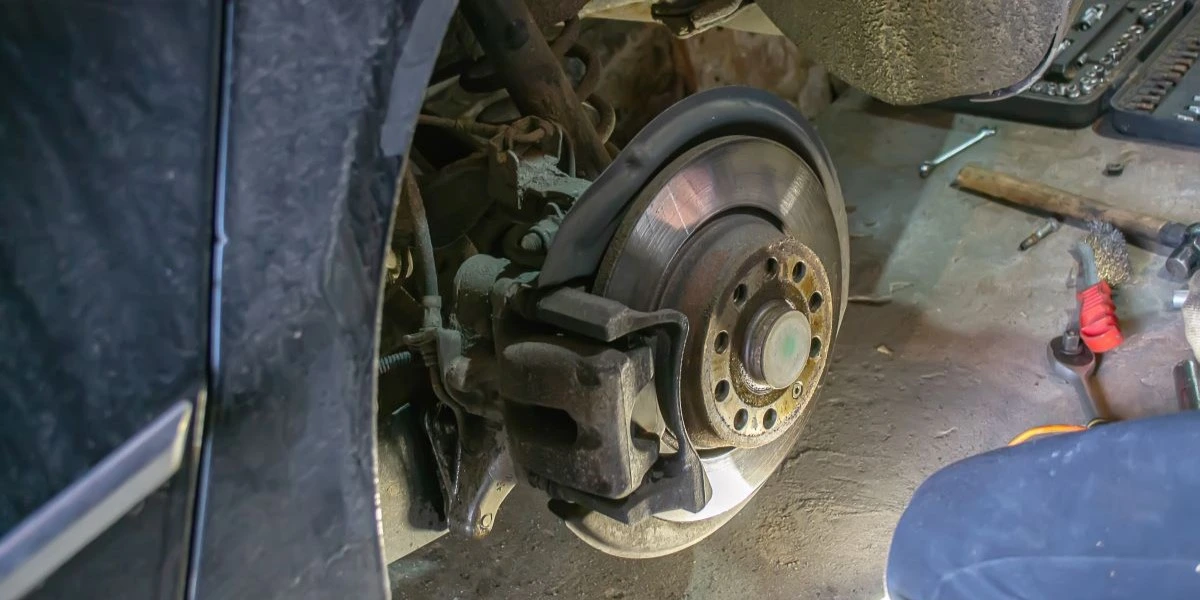
- Remove the brake caliper and rotor: Remove the caliper bolts and slide the caliper off the rotor. Then, remove the rotor by gently tapping it with a rubber mallet.
- Remove the hub nut and hub assembly: Use a socket wrench to remove the hub nut. Then, remove the hub assembly by gently tapping it with a hammer.
- Install the new hub assembly: Place the new hub assembly in place and secure it with the hub nut. Use a torque wrench to tighten the nut to the manufacturer's specifications.
- Reinstall the rotor and caliper: Slide the rotor back onto the hub assembly and reinstall the caliper with new bolts. Use a torque wrench to tighten the bolts to the manufacturer's specifications.
- Reinstall the wheel: Place the wheel back onto the hub assembly and tighten the lug nuts by hand. Then, lower the car and use a torque wrench to tighten the lug nuts to the manufacturer's specifications.
- Test drive the car: Take the car for a test drive to ensure that the new hub bearing is functioning properly and that there are no unusual noises or vibrations.
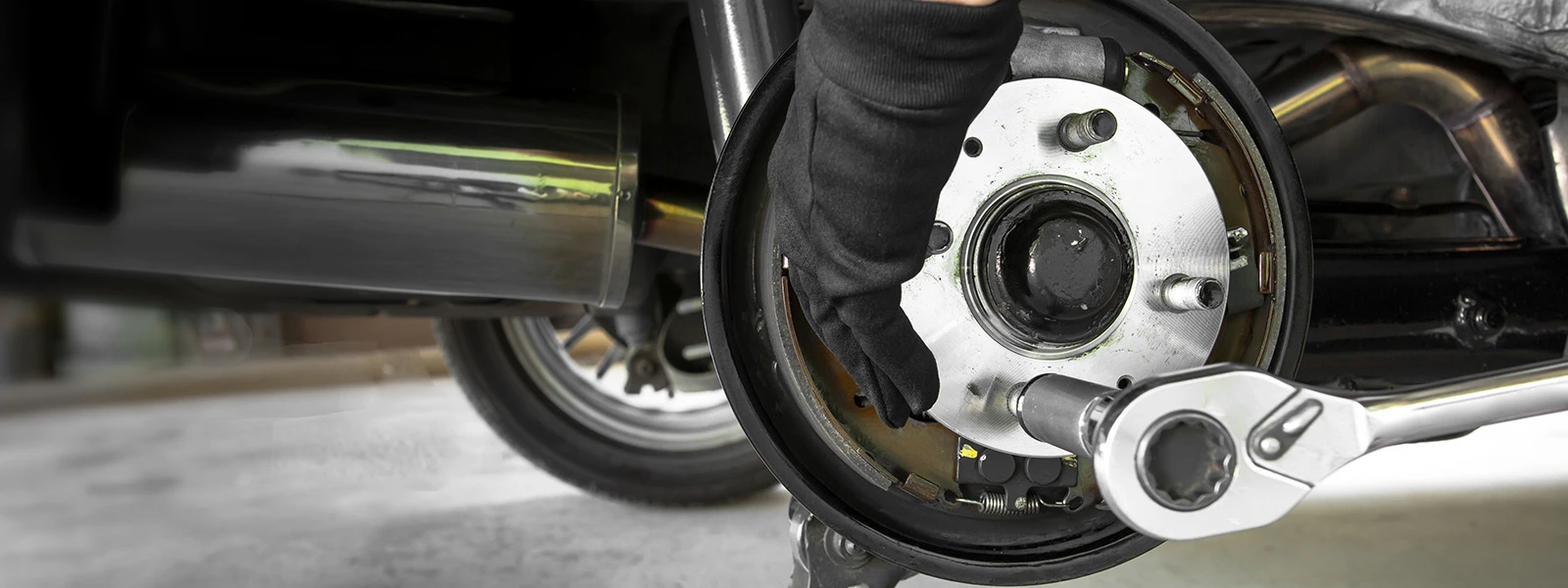
Costs of Hub Bearing Replacement
The cost of hub bearing replacement can vary depending on several factors, such as the make and model of the vehicle, the quality of the replacement part, and the labor costs of the mechanic performing the replacement. Generally, the cost of a single hub bearing replacement can range from around $100 to $500 or more, depending on the factors mentioned above. If multiple hub bearings need to be replaced, the cost can increase accordingly. Keep in mind that in addition to the cost of the replacement part and labor, there may be additional costs for any necessary diagnostic testing, wheel alignment, or other related repairs. It's important to get a detailed estimate from a reputable mechanic before agreeing to any work, to avoid any surprise costs.
In A-Premium, we provide different types of quality hub bearing products at competitive prices. Shop for hub bearings you need on a-premium.com!
Maintenance Tips
To maintain the hub bearing on your car after replacing a damaged one with a new one, there are a few things you can do. First, make sure that your wheels are properly aligned. Misaligned wheels can put extra stress on the hub bearings, causing them to wear out more quickly. You can have your alignment checked and adjusted by a professional mechanic.
Regular tire rotations can also help to maintain the health of your hub bearings. This is because rotating your tires can help to ensure that they wear down evenly, which reduces the strain on the hub bearings.
Another important factor in maintaining your hub bearings is to avoid driving on rough roads or hitting potholes. These can cause extra stress on your suspension system, which can impact the performance of your hub bearings. If you do need to drive on rough roads, try to take it slow and be mindful of any bumps or obstacles in the road.
It's also a good idea to listen for any unusual noises and monitor the performance of your hub bearings. If you hear any strange noises or notice any issues with your car's handling, it's important to have it checked out right away, by yourself or by a qualified professional.