
Hub Bearing Replacement: A Comprehensive Guide to Symptoms and Repair

Don't let a bad bearing compromise your vehicle's safety—discover how to identify, diagnose, and replace your hub bearings with our expert guide to restoring your car's smooth ride.


If you’ve noticed strange, speed-dependent noises or an unsettling vibration emanating from your wheel, it may be time for a hub bearing replacement. As a critical automotive component located at each corner of your vehicle, your wheel bearings enable smooth wheel rotation with minimal friction. When these parts fail, they don't just create noise—they compromise the safety and stability of your entire suspension system.
Recognizing the Signs of a Failing Wheel Hub Assembly
Ignoring a failing wheel hub assembly is a dangerous game. As the load and weight of the cars increase, a damaged bearing can quickly become worse, leading to wheel detachment in extreme cases. Here is how to understand if your bearings are failing:
-
Audible Warnings: A growling or humming sound that changes pitch with vehicle speed is the most common sort of indicator.
-
Steering Wheel Vibration: If you feel a rhythmic shaking in the steering wheel, the wheel hub may have developed excessive internal play.
-
ABS and Traction Control Alerts: Many most cars integrate the ABS speed sensor into the hub assembly. If the sensor is damaged or the bearing is loose, the ABS warning light will illuminate.
-
Physical Looseness: With the vehicle lifted, if you can rock the wheel and detect play compared to the other side, you have found the source of the issue.
-
Uneven Tire Wear: A bad bearing alters wheel geometry, causing irregular tire damage that can cost you significant money in premature tire replacement.
Expert Diagnosis: When to DIY vs. Hire a Mechanic
While some enthusiasts enjoy replacing parts at home, diagnosing a bad bearing is a technical fact that requires experience. Experts often use specialized diagnostic equipment, such as chassis ears or electronic vibration monitors, to pinpoint exactly which corner is failing.
If you lack the special tools or the confidence to work on your brakes and spindle, it is safer and often cheaper in the long run to have a mechanic handle the repairs.
Step-by-Step Hub Bearing Replacement Overview
Before you remove any parts, watch a vehicle-specific guide or consult your service manual. Modern cars typically use sealed hub assembly units, which are non-serviceable.
Tools Required:
-
Jack and jack stands
-
Torque wrench (critical for ensuring components are properly torqued)
-
Socket set and breaker bar
-
Shop press (if dealing with older press-fit type bearings)
The Procedure:
-
Lift and Secure: Safely lift the vehicle and place it on stands. Never rely on a jack alone.
-
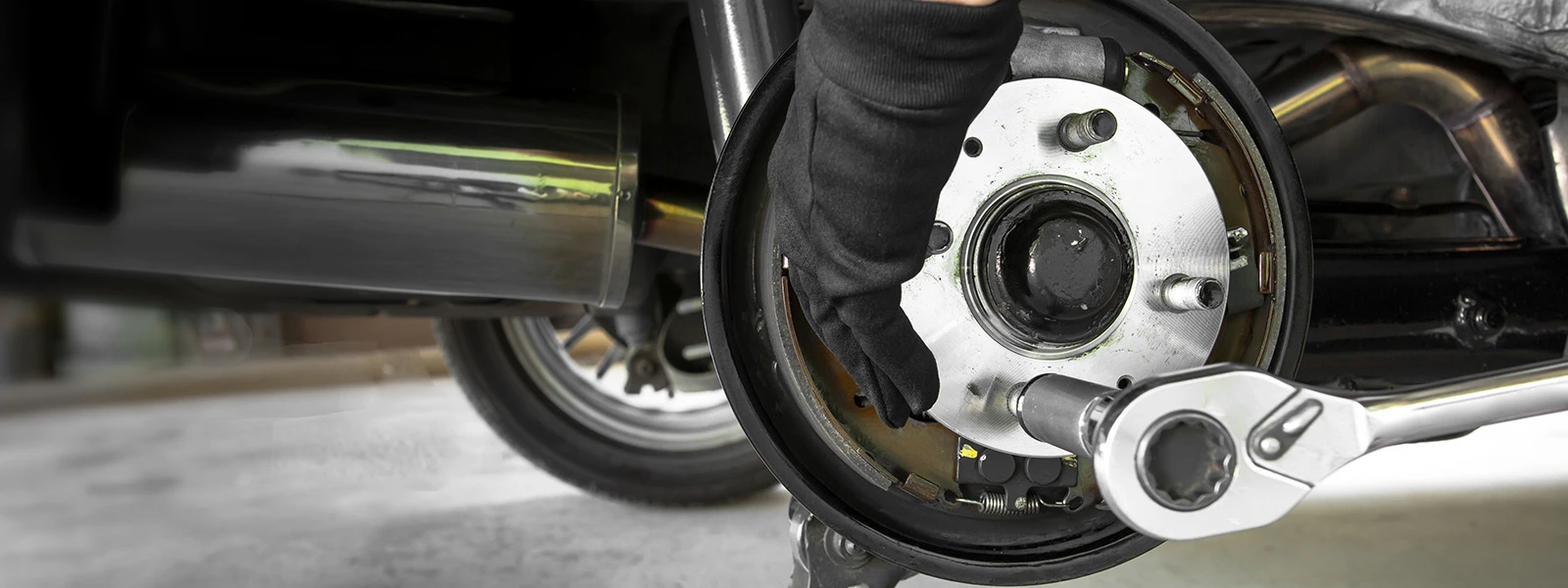
Access the Hub: Remove the wheel, then remove the brakes (caliper and rotor) to expose the spindle and hub.
-
Removal: Use your socket set to loosen the axle nut. For bolt-on units, remove the mounting bolts from the rear of the steering knuckle.
-
Installation: Clean the bearing bore thoroughly. Slide the new wheel bearing unit into place.
-
Torque Specifications: This is the most important step. Tighten all hardware to the manufacturer’s specific foot-pounds. Over-tightening or under-tightening can destroy the new ball bearings within years—or even days.
-
Reassembly: Reinstall the rotor, caliper, and wheel. Lower the vehicle and perform a final torque check on the lug nuts.
-
Test Drive: Take the drive slow initially to ensure everything is working correctly.
Maintenance: Protecting Your Investment
Once the job is fixed, keep your parts healthy by following these experts tips:
-
Alignment: Misaligned suspension geometry puts unnatural side-loading on bearings.
-
Avoid Potholes: Direct impacts are the primary way bearings get damaged.
-
Rotation: Regular tire rotation ensures even pressure, reducing strain on the hub assembly.
Why Choose A-Premium?
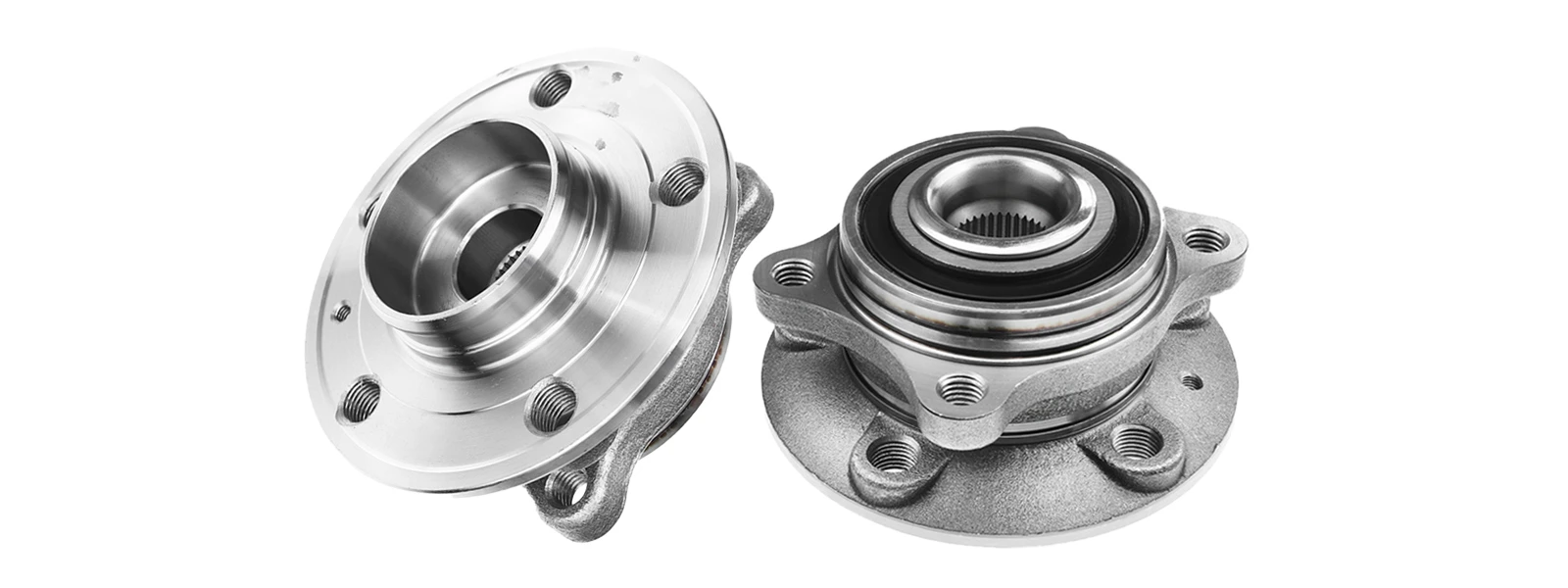
Don't settle for low-quality aftermarket parts that fail within years. At A-Premium, we maintain extensive stock availability for a wide range of makes and models. Whether you are looking for an affordable hub bearing replacement or a high-performance wheel bearing assembly, you can count on us as your reliable source.
Ready to get back on the road? Shop for premium hub bearings at A-Premium.com today!


