What Happens If You Ignore the TPMS Light?

Ignoring the TPMS light can cut gas mileage, worsen handling, speed tire wear, and raise flat-tire risk—act fast.
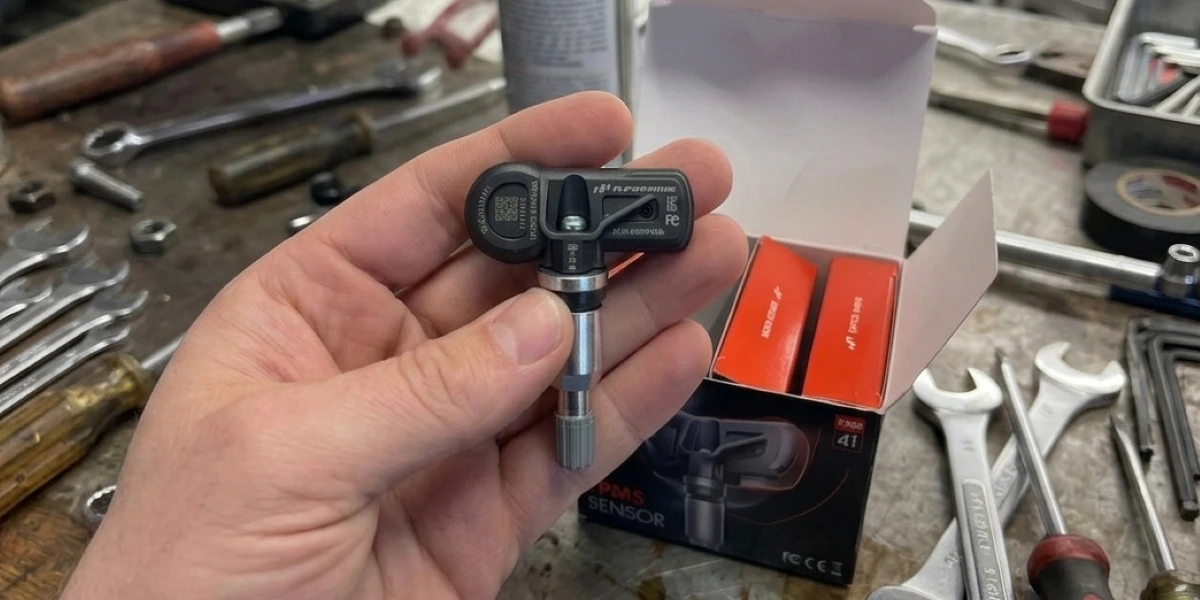
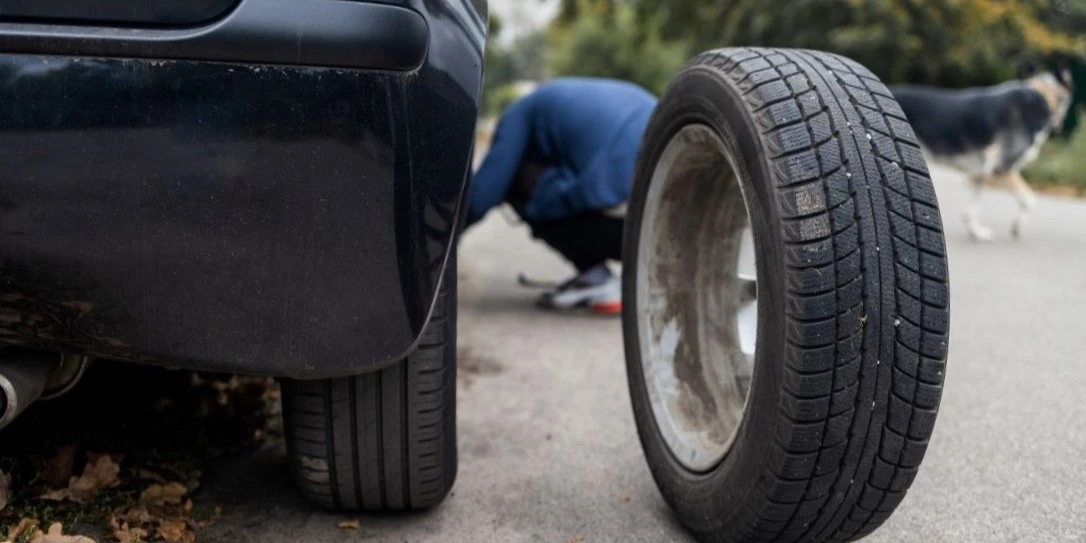
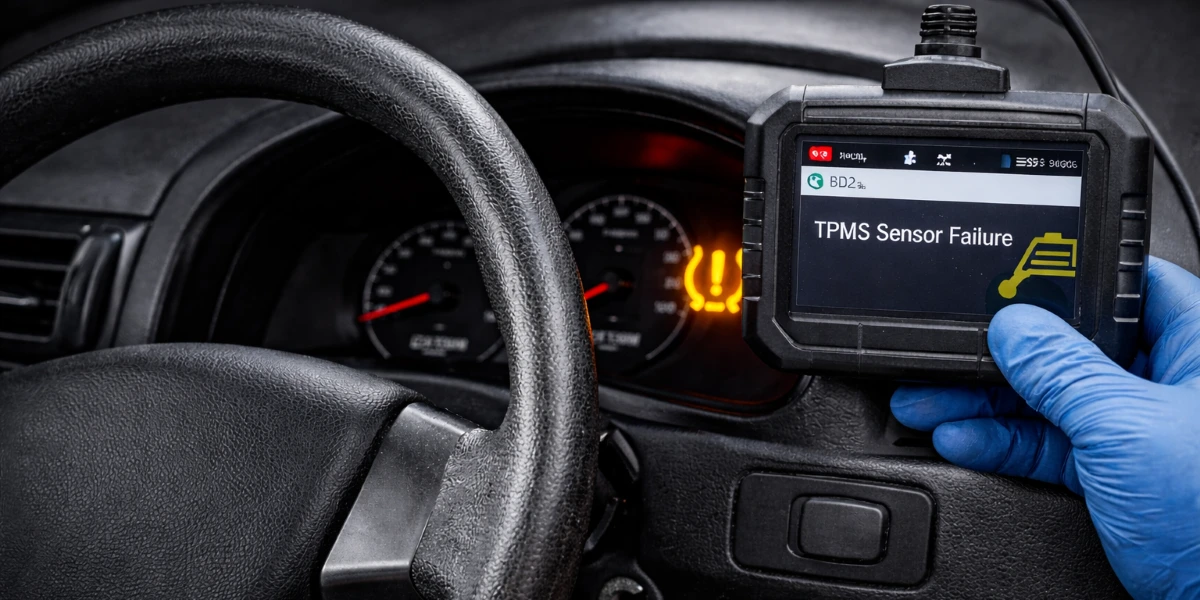
When the tpms light illuminates on your vehicle's dashboard, it is a warning indicator that drivers should never dismiss as a minor inconvenience. Looking like an exclamation point enclosed by an exclamation point inside a horseshoe shape (which actually represents a tire cross-section), this tire pressure light serves as an essential safety signal.
Since 2008, a functional tire pressure monitoring system has been a legal safety requirement on all new passenger vehicles. Your vehicle's tpms exists to protect you, yet ignoring a persistent tpms warning light sets off a predictable, costly, and hazardous chain reaction affecting your entire car.

What Does a TPMS Light On Actually Mean?
At its core, a tpms light on means your vehicle's computer has detected that one or more tires have dropped critically below their required inflation level—typically 25% or more under the manufacturer's recommended level.
Depending on your vehicle's specific design, the underlying pressure monitoring system tpms operates using one of two methods to signal an alert:
-
Direct TPMS: Wheel-mounted, battery-powered tire pressure sensors inside each wheel assembly constantly read precise, real-time data, tracking exact pounds per square inch (PSI) and temperature changes.
-
Indirect TPMS: The computer tracks your ABS wheel speed indicators. A low tire has a smaller rolling diameter, creating a rotational difference by spinning faster than a properly inflated one, which triggers a system malfunction or low-pressure alert.
Whether your tpms system is direct or indirect, this warning light serves as your final preventive barrier before physical tire damage begins.
If you want to learn more about the TPMS light, check out our article: What Is TPMS Light? Warning Signs You Shouldn't Ignore
The Risk Chain: 4 Main Stages of Low Tire Pressure
If you decide to ignore the warning and fail to maintain proper tire pressure, your vehicle will undergo a dangerous progression of mechanical and economic penalties:
1. Fuel Economy Loss (The First Hidden Penalty)
When you drive with low tire pressure, your fuel economy drops immediately. Underinflated tires experience excessive structural deflection at the contact patch, significantly increasing rolling resistance. Because the rubber deforms heavily against the road surface, the engine requires more power and fuel to keep the car moving. This issue quickly compounds during sudden ambient temperature drops in autumn or winter when internal air naturally contracts overnight.
2. Accelerated Wear and Early Replacement (The Slow Money Bleed)
Tires rely on air volume to support the weight of the vehicle evenly across the tread. When you ignore a low tire, the center of the tread collapses inward, causing severe "shoulder scrubbing" along the outer edges. This uneven wear destroys the lifespan of your new tires long before their expected mileage rating. The total loss of money multiplies because you cannot simply replace one tire; you must usually replace them in pairs or full sets to keep the wheel assemblies balanced.
3. Compromised Handling and Reduced Grip (The Safety Risk)
To stay safe during emergency maneuvers, your tires must maintain structural rigidity. Driving on soft, underinflated rubber makes the steering wheel feel heavy, vague, or unresponsive. If a single tire suffers a slow leak, the car will pull hard toward that side. This severe loss of directional grip dramatically increases your stopping distance, turning a simple wet surface into a high-risk braking hazard.
4. Excessive Heat Build-Up and Catastrophic Blowouts
Air pressure keeps a tire structurally sound. When it drives on low air, the continuous, high-frequency flexing of the sidewall generates extreme internal heat. Heat is the ultimate enemy of vulcanized rubber. If left unchecked at highway speeds, this thermal build-up causes internal plies to separate, leading directly to a sudden, highly dangerous tire blowout.
Action Plan: Regular Tire Pressure Checks
When the tpms light remains illuminated, executing a quick, high-ROI 5-minute diagnostic workflow will save your tires and protect your budget:

1.Measure pressure cold:First thing in the morning。
Check tire pressure regularly using a reliable handheld tire pressure gauge before driving. Tires must be cold; driving even a mile heats up the air inside, altering the pressure data.
2.Compare against vehicle specifications:Do not use the tire sidewall number。
Open the driver's door and read the inflation placard on the B-pillar. It lists the exact pounds per square inch required for your specific vehicle configuration.
3.Add air or adjust properly:Correct both under and overinflation。
Use an air pump to fill the tires up to specification. Ensure you do not create overinflated tires, as overinflation reduces traction and creates a harsh ride. Once at the correct pressure, most modern vehicles will turn off the light automatically after 10 to 20 minutes of driving at speeds above 30 mph.
4.Isolate hardware and reset issues:Consult your owner's manual。
If you reset the system or add air and the light won't budge, look up manual relearn instructions in your owner's manual. If the light stays on indefinitely, you are likely dealing with a sensor malfunction.
Understanding Your Dashboard Signal: Solid vs. Blinking Light
Determining how to fix a warning depends entirely on how the dashboard light behaves when you start your vehicle:
|
TPMS Light Behavior |
Primary Meaning |
Recommended Action |
|
Solid Warning Light |
Critical underinflation detected in one or more tires. |
Pull over safely, measure PSI with a gauge, and add air immediately. |
|
Blinking Light / Light Flashes |
The vehicle's computer detects a hardware or system malfunction. |
The tpms sensor internal batteries are likely dead, or a sensor was damaged during recent tire service. Replacement is required. |
⚠️ Don't Forget the Spare: If all four main road tires are functioning properly but your solid tpms light refuses to clear, check your trunk. Many trucks and SUVs have a fifth tpms sensor inside the spare tire that will trigger the dashboard alert if its pressure drops.
Keep Your Safety System Functioning Properly
A flashing dashboard alert with perfectly inflated tires means your vehicle requires fresh replacement parts. Upgrading failing wheel hardware preserves your car's fuel economy, extends tire life, and keeps you safe on the highway.
Would you like a step-by-step guide on how to program and sync new TPMS sensors to your car's computer? Please refer to our article: How to Turn Off the TPMS Light: A Complete, Easy-to-Follow Guide
Frequently Asked Questions
Is it safe to keep driving if the tire pressure light comes on?
It is not safe for prolonged driving. While your vehicle can travel a short distance to a safe rest area or gas station, driving long-term on underinflated tires compromises vehicle safety, extends braking distances, and risks a catastrophic blowout.
What causes a sensor malfunction in the tpms system?
The most common cause of a sensor malfunction is age-related battery depletion. The internal lithium batteries inside your wheel sensors are sealed and typically last 5 to 10 years; once they die, the entire tpms sensor must be replaced. Physical impacts from deep potholes or improper tire dismounting during a routine service can also break the sensor body.
Can ignoring a low tire permanently damage my wheel?
Yes. If you drive completely flat or severely underinflated, the tire's sidewall collapses entirely. This causes the heavy steel wheel rim to press directly through the rubber and smash into the road surface, warping or cracking the costly rim assembly beyond repair.


