Nissan Altima Common Problems and Repairs

The Nissan Altima has remained one of the most recognizable midsize sedans on US roads for decades. Drivers often choose it for its comfortable ride, fuel efficiency, and balanced performance as a daily vehicle. For many owners, the Altima delivers dependable service over a long period of time with routine maintenance.
However, as mileage increases, even well-maintained vehicles develop predictable wear-related issues. Understanding Nissan Altima common problems and common repairs helps owners recognize early warning signs, manage maintenance costs, and reduce the risk of unexpected breakdowns. This article explains what typically fails, why these problems occur, and how they are usually repaired, based on real-world ownership patterns rather than isolated defects.
Most common Nissan Altima problems owners report
When reviewing owner complaints and long-term service data, several problem areas appear repeatedly. These common Nissan Altima issues tend to develop gradually and are often linked to normal wear, driving conditions, and maintenance history rather than sudden defects.
Suspension and ride quality issues
Changes in ride quality are among the earliest Nissan Altima common problems reported by drivers. Symptoms may include vibration at highway speeds, clunking noises over bumps, or uneven tire wear. These issues often become more noticeable during turns or when driving on rough roads.
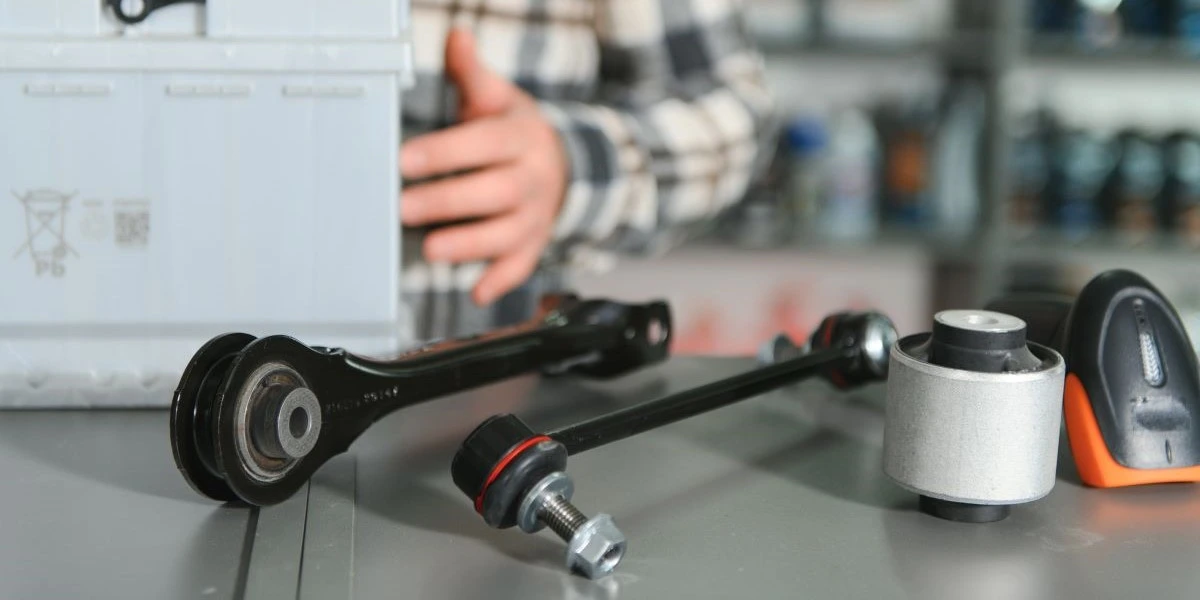
Suspension components are constantly exposed to road impact, moisture, and temperature changes. Over time, bushings lose flexibility, joints wear down, and damping performance declines. While these issues rarely cause immediate failure, they reduce driving comfort and steering stability if left unaddressed.
Brake system concerns
Brake-related complaints are also common. Drivers may notice squealing sounds, vibration while braking, or longer stopping distances. In some cases, the brake pedal may feel less responsive, especially after extended use.
Brake systems are designed around consumable components. Wear is expected as part of normal vehicle life. Problems usually arise when worn components are ignored for too long, increasing stress on related parts and raising safety concerns.
Engine and ignition-related problems
Engine-related Nissan Altima common problems often appear as drivability changes rather than mechanical breakdowns. Rough idle, hesitation when accelerating, or an illuminated check engine light are frequently reported symptoms.
Modern Altima engines rely heavily on sensors and electronic control systems. As sensors age or connections degrade, small inconsistencies can affect timing, fuel delivery, or emissions control. These issues are typically repairable when addressed early.
Transmission and CVT-related issues
One of the most discussed Nissan Altima common problems involves transmission-related complaints, particularly on earlier models equipped with a CVT. Drivers may experience jerking during acceleration, delayed response, or sudden changes in engine speed.
In many cases, these Nissan Altima transmission problems are linked to fluid condition and heat management rather than immediate mechanical failure. Degraded transmission fluid can reduce lubrication and temperature control, increasing the risk of overheating. While total transmission failure is not typical for most vehicles, neglecting early warning signs significantly raises long-term risk.
Electrical and sensor-related issues
Electrical issues often present as dashboard warnings, intermittent alerts, or inconsistent system behavior. These problems may not disable the vehicle immediately, but they can affect drivability and fuel efficiency.
Exposure to heat, vibration, and age-related wear can impact sensors and wiring connections. Prompt diagnosis helps prevent cascading issues that are more complex to repair later.
Nissan Altima common repairs and what they usually involve
Understanding Nissan Altima common repairs requires looking at how the problems above are typically resolved. Most repairs fall into predictable categories and are considered routine over the ownership lifecycle.
Routine suspension and brake repairs
Suspension and brake repairs account for a significant portion of maintenance work. These repairs usually involve replacing worn components rather than addressing structural damage. Timely service restores ride comfort, improves control, and prevents uneven tire wear.
Because these components wear gradually, addressing early symptoms often limits repair complexity and helps maintain predictable handling.
Engine, ignition, and sensor repairs
Repairs related to ignition systems or sensors are commonly triggered by warning lights or drivability concerns. These repairs usually focus on restoring proper signal input to the engine control system.
Although these issues can seem alarming when warning lights appear, they are often resolved without extensive mechanical work when handled promptly.
Transmission service and preventive repairs
Transmission-related repairs vary depending on usage and maintenance history. Regular inspection of fluid condition plays a critical role in preventing severe damage. In many cases, servicing transmission fluid helps reduce overheating risk and improves response.
Drivers who ignore early symptoms such as jerking or hesitation may face more complex repairs later. Preventive service remains one of the most effective ways to manage long-term transmission health.
What parts fail most on Nissan Altima models
Owners frequently ask what parts fail most on Nissan Altima vehicles. The answer usually reflects wear patterns rather than manufacturing defects.
Suspension components
Suspension components absorb constant road stress. Over time, this leads to noise, vibration, and reduced stability. These parts are among the most commonly replaced items during long-term ownership.
Brake components
Brake pads, rotors, and related hardware are designed to wear. Delaying replacement increases stopping distance and can cause secondary damage to surrounding components.
Ignition and engine-related parts
Sensors and ignition components play a crucial role in smooth operation. Aging parts may trigger warning lights, affect fuel efficiency, or cause inconsistent performance.
Transmission-related components
Transmission systems depend on proper lubrication and temperature control. Fluid degradation and heat buildup contribute to many reported transmission issues, particularly in higher-mileage vehicles.
How common repairs affect long-term reliability
Addressing Nissan Altima common repairs in a timely manner directly impacts long-term reliability. Repairs performed early help restore original ride quality, maintain safety, and reduce the likelihood of unexpected breakdowns.
Consistent suspension and brake maintenance improves control and predictability. Addressing engine and sensor-related issues helps preserve fuel efficiency and reduces drivability concerns. Transmission service plays a key role in managing heat and extending system life.
Owners reviewing maintenance options often look at available Nissan Altima parts to understand which components are most commonly involved in routine repairs across different model years.
How to reduce future Nissan Altima maintenance problems
Reducing future Nissan Altima maintenance problems starts with early symptom recognition. New noises, vibration, warning lights, or changes in response should be investigated rather than ignored.
Regular inspections help identify wear before it spreads to related systems. Avoiding delayed repairs reduces overall risk and supports predictable ownership costs. Choosing correctly fitting replacement components also helps systems operate as intended and reduces unnecessary stress.
Final thoughts
The Nissan Altima remains a practical and dependable vehicle for many drivers. While Nissan Altima common problems and common repairs are inevitable as mileage increases, most issues are tied to normal wear rather than inherent flaws. By understanding what typically fails, why it fails, and how repairs are usually handled, owners can approach maintenance with confidence and extend the useful life of their vehicle.


