P0011 Code: Camshaft Timing Over-Advanced Causes & Fix

Your check engine light just came on, and your scanner shows P0011. Before you panic, understand that this code means your engine's variable valve timing system isn't working correctly—specifically, the intake camshaft timing is too far advanced. Let's break down what this means and how to fix it.
Understanding the P0011 Code
The P0011 DTC stands for "A" Camshaft Position Timing Over Advanced or System Performance Bank 1, set when your engine's ECM/PCM cannot detect the difference in the desired camshaft position angle and the actual camshaft position angle, and triggered by a faulty camshaft actuator, failed VVT solenoid, damaged timing components, and circuit issues.
Modern engines use Variable Valve Timing (VVT) to optimize performance across different RPM ranges. VVT technologies change the fuel-air mixture in the engine by opening the cylinder valves for variable amounts of time, which can result in more fuel efficiency or more power as needed. Your engine's computer adjusts camshaft timing continuously, advancing or retarding valve opening to match driving conditions.
Different manufacturers have slightly different criteria, but P0011 points to an Advanced Camshaft Timing condition that won't respond to PCM commands—if the Engine Computer notices cam timing is too far advanced and attempts to correct that angle but the Cam and Crank sensors indicate it didn't correct fast enough, the P0011 code is triggered on bank 1. Bank 1 always refers to the engine side containing cylinder number one, even on inline four-cylinder engines.
The "A" camshaft designation refers specifically to the intake camshaft. The "A" camshaft is the intake camshaft on the left or front of the bank from the perspective of the driver. Engines with dual overhead cams have separate intake and exhaust camshafts, and this code specifically addresses intake valve timing issues.
Symptoms of P0011 Code
If your ride's computer logs a P0011 code, it'll exhibit symptoms like poor idling, engine misfire, and stalling. The engine might feel rough at idle, shaking more than normal or running unevenly. You'll notice this especially when stopped at traffic lights with the transmission in drive.
An over-advanced camshaft can cause the engine to run rough and specifically will have trouble starting, poor idling, and will be more likely to stall. Cold starts become particularly difficult because the timing isn't optimized for starting conditions. You might need to crank the engine longer than normal, or it might start then immediately stall, requiring another attempt.
Fuel economy suffers with improper cam timing. The P0011 code should be taken seriously, as continued operation with advanced camshaft timing can lead to engine damage, and poor timing can affect fuel economy and overall performance, making the vehicle less reliable. You're burning fuel less efficiently because the combustion process isn't optimized. Some drivers report 10-15% decreases in MPG.
Performance issues include hesitation during acceleration and reduced power output. The engine doesn't respond crisply when you press the throttle. In severe cases, the vehicle enters limp mode, dramatically limiting engine RPM and power to prevent damage.
What Causes P0011 Codes?
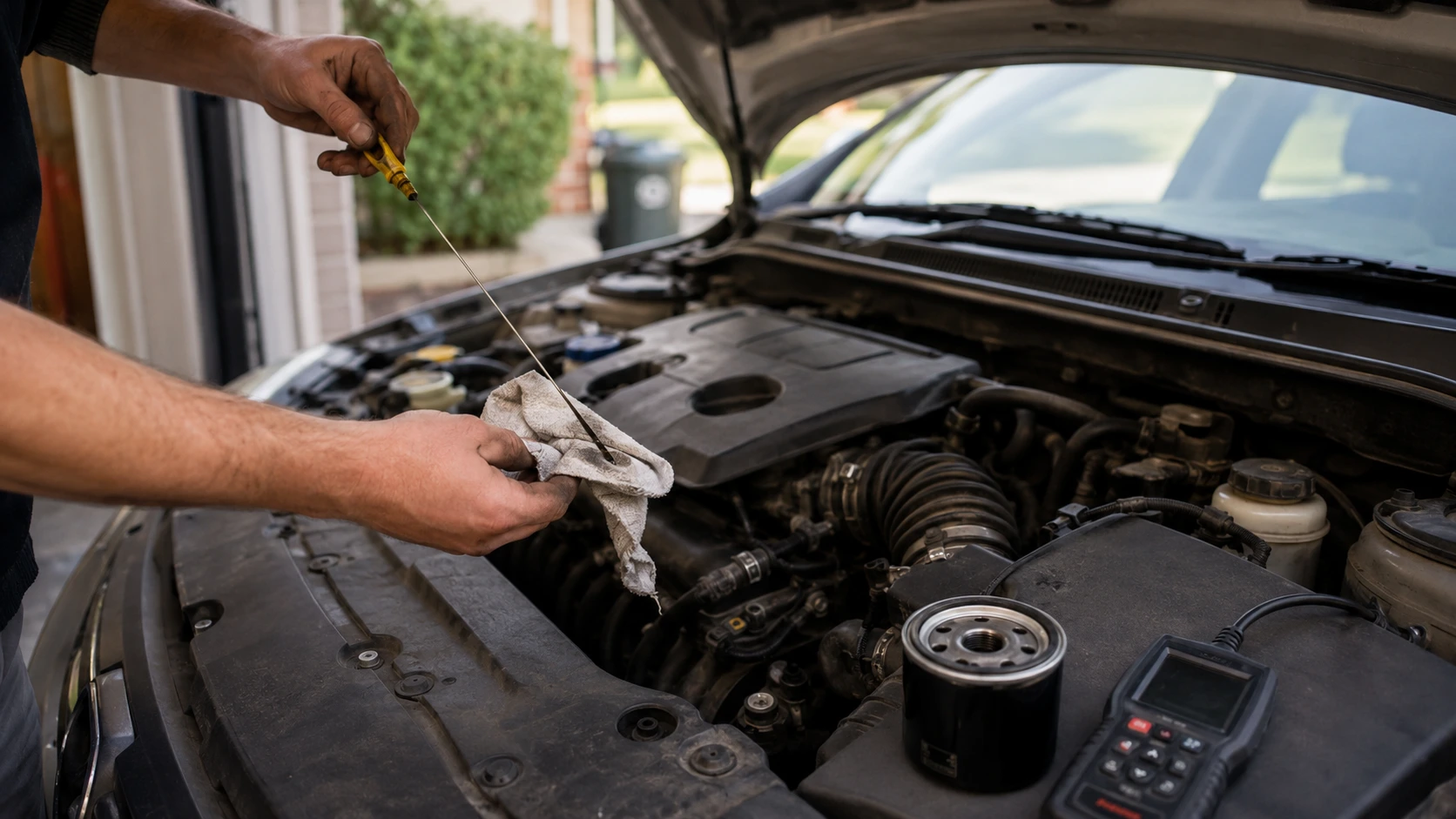
The simplest and most common cause? Low engine oil levels and oil contamination can trigger the code. Your VVT system operates hydraulically using engine oil pressure. Low oil means insufficient pressure to actuate the cam phaser. P0011 sounds complicated, but it can easily be triggered by a low oil level. Check your dipstick before spending money on parts.
Oil quality matters too. The engine oil passages through camshafts and oil control valves are a specific size and only the manufacturer's recommended oil viscosity should be used—if too thick or thin oil is used, the camshaft timing phasers may not change timing advance as designed and may cause premature failure from lack of proper lubrication. Using 10W-40 in an engine designed for 5W-30 restricts oil flow through small VVT passages.
Engine code P0011 may mean it's time to replace the camshaft oil control valve, also known as the VVT solenoid, triggered by a failed VVT solenoid or faulty camshaft actuator. The Oil Control Valve (OCV) regulates oil flow to the cam phaser. Oil contamination or buildup causes the VVT oil flow control valve to stick. Sludge from extended oil change intervals clogs the tiny screen filter inside the solenoid.
Timing chain problems contribute to P0011 codes. If P0011 persists despite addressing common causes, it might point to a stretched timing chain, worn timing belt, or faulty tensioner. Stretched chains change the relationship between crankshaft and camshaft positions. Even a few degrees of slack triggers timing correlation codes.
Electrical issues cause P0011 too. Damaged wiring, corroded connectors, or failed camshaft position sensors send incorrect signals to the computer. Issues with the PCM, such as software in need of an update, can also trigger this code, though this is less common.
Diagnosing P0011 Step by Step
Start with the oil. Check the level using your dipstick and verify oil quality. Check the condition of the engine oil—if it is too low or overly viscous, change your oil. Dark, thick oil that smells burnt needs changing regardless of the service interval. This simple $50 fix solves many P0011 codes.
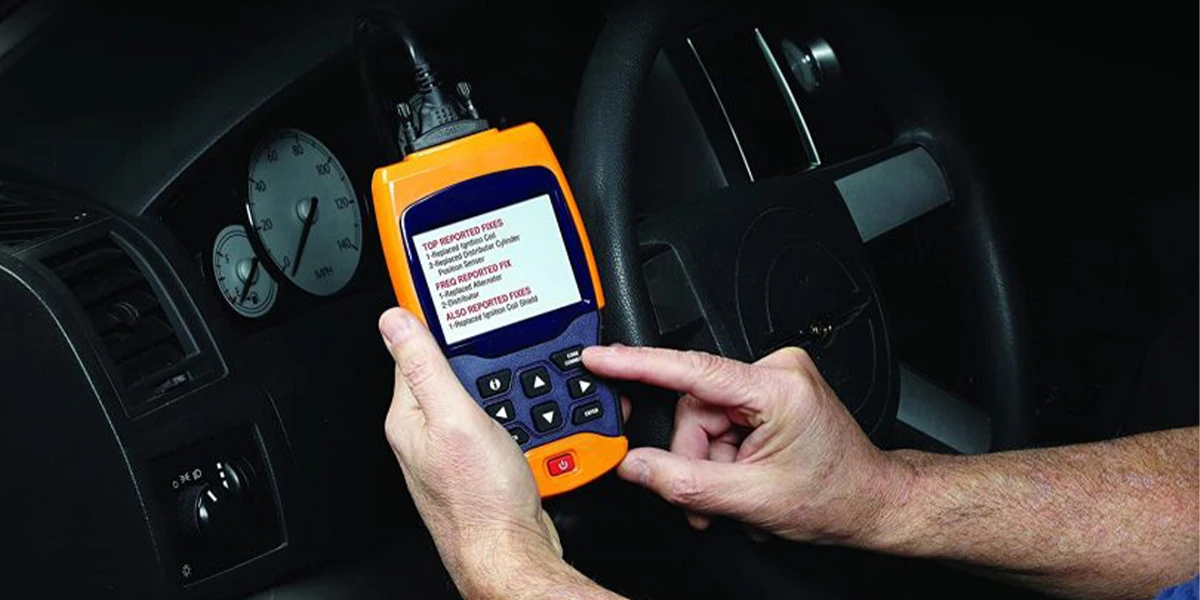
Scan for additional codes that provide diagnostic clues. These codes often occur together with related VVT codes. P0014 indicates exhaust cam timing issues. P0010 suggests VVT solenoid circuit problems. Multiple codes narrow down whether you're dealing with mechanical timing issues or electrical problems.
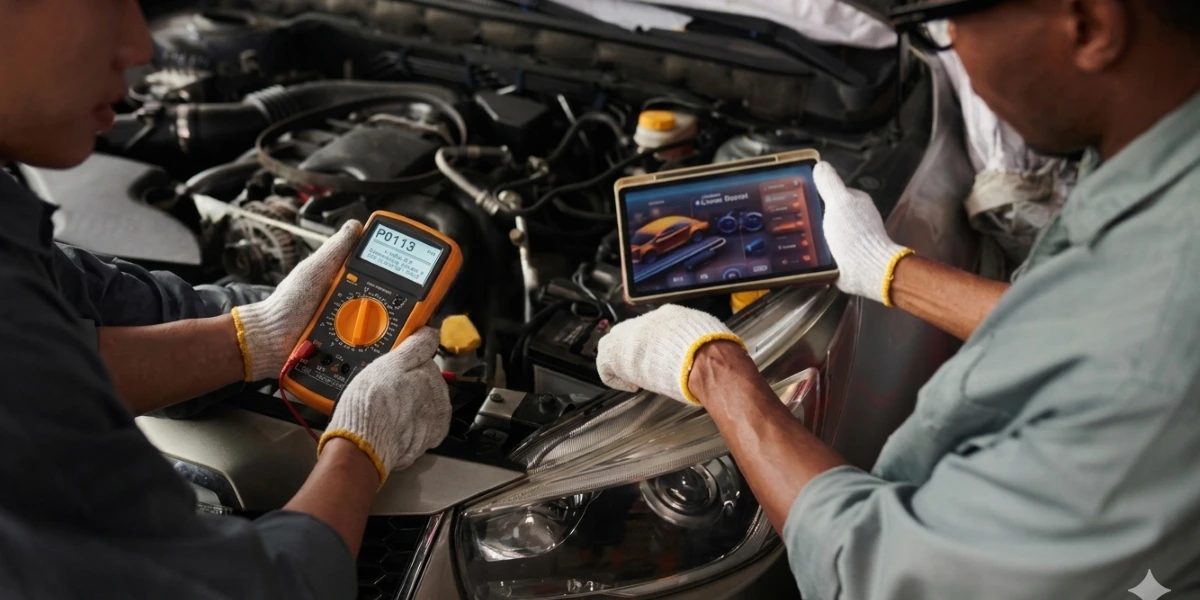
Inspect the VVT solenoid. Locate the camshaft variable timing solenoid, typically mounted on the exterior of the cylinder head cover near the Bank 1 cams, remove it and clean it with valve cleaner, then use a multimeter to measure its resistance, which should be 5-15 Ω—if the reading falls outside this range, replace the solenoid. The solenoid has a small screen filter that catches debris—if this screen is clogged, oil can't flow properly.
Test the camshaft position sensor. These sensors tell the computer exactly where the camshaft is positioned. A faulty sensor provides incorrect timing data. If the sensor malfunctions, it can provide inaccurate timing data to the ECM. Test voltage and resistance against manufacturer specifications using a multimeter.
Check the timing chain if other tests pass. This requires removing the valve cover to visually inspect chain slack and verify timing marks. Check the timing chain alignment for jumped timing problems, which is work intensive but not necessarily expensive. The timing marks on the cam sprockets should align with marks on the chain when the engine is at top dead center.
Fixing P0011 Code
If low or dirty oil caused the code, an oil change provides an instant fix. Use the exact oil viscosity specified in your owner's manual. Check the condition of the engine oil—if it is too low or overly viscous, change your oil. Fill to the proper level shown on the dipstick. This simple maintenance often clears P0011 codes permanently.
VVT solenoid replacement is straightforward for most vehicles. Search for the camshaft oil control valve/VVT solenoid, normally located at the front of the engine, remove mounting bolts, disconnect and remove the old solenoid, lubricate your replacement solenoid with lithium grease, insert and install it, then secure with mounting bolts. The job typically takes 30-60 minutes and requires basic tools.
At A-Premium, we stock quality VVT solenoids for virtually every make and model. Replacing a VVT solenoid costs $55 to $450 depending on your vehicle. Our parts meet or exceed OEM specifications and come with guaranteed fit and free shipping. Don't settle for cheap aftermarket parts that fail prematurely—invest in quality components that last.
Camshaft position sensor replacement is equally simple. Installing a new camshaft sensor is typically straightforward for someone with moderate mechanical skills, though accessing the sensor is often more challenging, and a first-timer may spend more time than an experienced mechanic who knows workarounds. The sensor usually bolts to the cylinder head with one or two bolts. Disconnect the electrical connector, remove the mounting hardware, pull out the old sensor, and reverse the process with the new one.
Timing chain replacement is major surgery requiring professional help in most cases. Replacing a timing belt or chain costs $550 to $3,250. This job involves removing the timing cover, crankshaft pulley, and various accessories. The chain, guides, and tensioners all get replaced together. Timing must be set precisely using factory marks and procedures. One mistake means bent valves and catastrophic engine damage.
When to Worry About P0011
In some cases, P0011 might not cause noticeable performance changes, but ignoring the check engine light can lead to significant problems and sometimes catastrophic engine failure—this code can signal something as small as a poor wire connection or as bad as a failing timing chain component, so without knowing exactly what's causing it, the vehicle should not be driven more than necessary.
Taking this warning seriously is important because driving with this issue can cause severe engine damage, including destroying the cylinder head or bending the valves—these are big-time problems accompanied by large repair bills. In interference engines, the pistons and valves occupy the same space at different times. If timing jumps significantly, they collide at high speed, destroying both.
Get the vehicle diagnosed promptly. If you catch it early, it's usually an inexpensive fix, but waiting too long can be risky, especially if your car has an interference engine where pistons and valves share the same space at different times. A $200 solenoid replacement today beats a $4,000 engine rebuild tomorrow.
Frequently Asked Questions
Can I drive with a P0011 code?
You could possibly drive a short distance with a P0011 code present, but even brief use could result in piston and valve damage—the classic definition of catastrophic engine failure—so until the cause is known, it's better to be safe than sorry, as the price of a tow is far less than rebuilding the engine. If the engine runs normally without stalling or power loss, you can drive to a repair shop, but don't take long trips.
What's the most common fix for P0011?
The most common repairs are replacing the camshaft position sensor, the camshaft variable timing solenoid, or changing the engine oil, with an oil change costing about $200. Start with the cheapest and easiest solution first—check and change the oil if needed. If that doesn't fix it, test and replace the VVT solenoid.
Will P0011 cause engine damage?
Yes, potentially severe damage. If the intake valve opens too early during the exhaust stroke, burned gases may re-enter the intake manifold instead of being expelled, which reduces engine efficiency, increases emissions, and can lead to long-term damage. Improper valve timing also risks valve-to-piston contact in interference engines, which destroys both components instantly.
How do I prevent P0011 codes?
Regular oil changes with the correct oil viscosity prevent most P0011 codes. Follow your manufacturer's recommended service intervals strictly. Use quality oil that meets the required specifications. Avoid extended oil change intervals even if using synthetic oil—VVT systems are sensitive to oil condition and contamination.
What does Bank 1 mean?
Every engine has a bank 1, but on engines with 2 banks (V engines), this condition on bank 2 would store a P0012 code—Bank 1 is always the side where the number 1 cylinder is housed, true even on four-cylinder inline engines. Check your owner's manual or service information for your specific engine configuration to locate cylinder 1 and identify Bank 1.
Need VVT solenoids, camshaft position sensors, or timing components? A-Premium stocks quality engine parts for every make and model. Visit A-Premium.com for guaranteed-fit parts, competitive prices, and free shipping on all orders.


