P0138 Code: O2 Sensor Circuit High Voltage (Bank 1 Sensor 2)

The P0138 code points to a problem with the oxygen sensor after the catalytic converter, which can have broader implications for engine and emissions system performance.


Suggested A-Premium Parts


Does your Check Engine Light reveal a P0138 code? This specific diagnostic trouble code (DTC) indicates that your Engine Control Unit (ECU) detects a high voltage signal coming from the Bank 1 Sensor 2 oxygen sensor.
In the automotive industry, "high" typically means higher than the normal operating range, signaling that the downstream sensor sends a constant voltage output (usually above 1.2 volts) to the system. To protect your vehicle's performance, understanding the relationship between your O2 sensor and the exhaust stream is essential.
What Does the P0138 Code Mean?
The P0138 code is defined as Oxygen Sensor Circuit High Voltage (Bank 1 Sensor 2). To determine the root cause, you must understand the sensor's location and function:
-
Bank 1: Refers to the side of the engine containing cylinder number one.
-
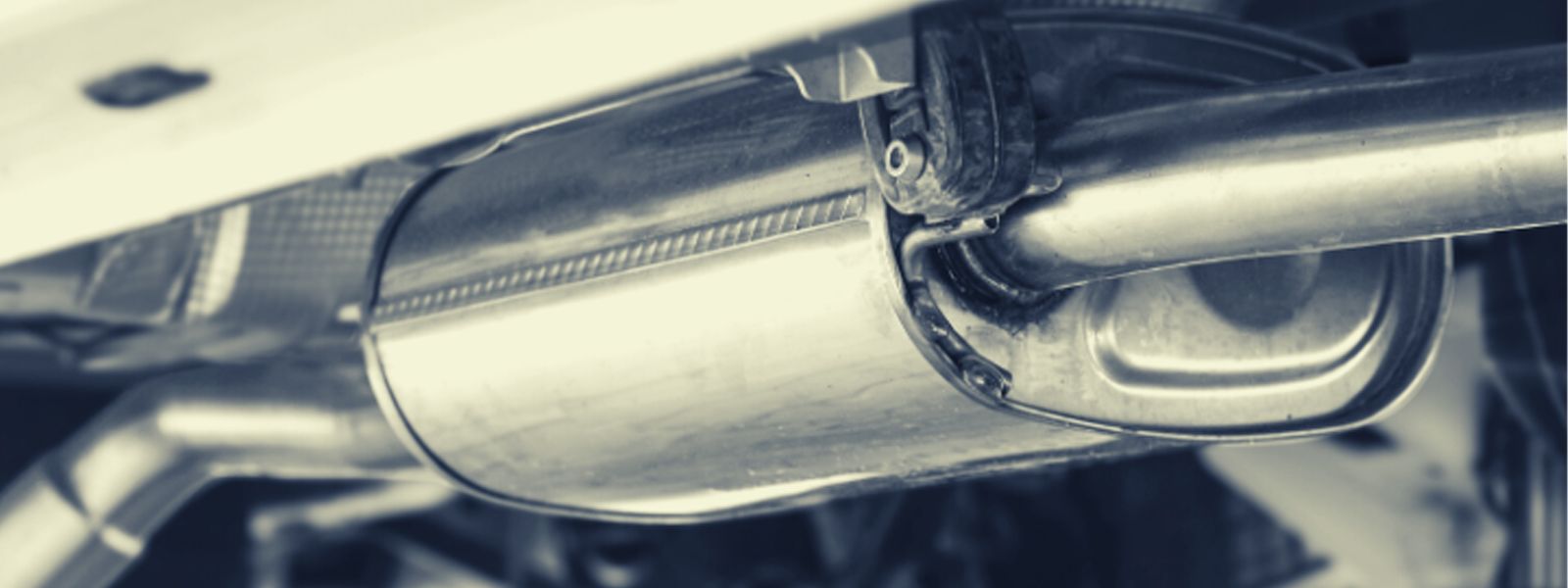
Sensor 2: Refers to the downstream sensor, located after the catalytic converter.
Unlike the upstream oxygen sensor (Sensor 1) situated near the exhaust manifold which regulates the fuel mixture, the downstream sensor serves as a monitor for catalyst efficiency. It measures the oxygen content in the exhaust after it passes through the converter. A working properly sensor should show a steady voltage signal. When the ECU detects that the voltage remains high for an extended period, it triggers the code P0138.

Common Causes of P0138
Several factors can disrupt the measurement of oxygen and hydrocarbons in the exhaust system:
-
Faulty Oxygen Sensor: The most common cause. Over a long service life, most oxygen sensors suffer from contamination or internal resistance issues, leading to inaccurate sensor output.
-
Wiring Harness and Connector Issues: A damaged wire harness or shorted wires can cause a high voltage reading. Inspect the harness for signs of melting due to high exhaust temperature.
-
Rich Fuel Mixture: If the engine is running "rich" (too much fuel, not enough air), there is less oxygen present in the exhaust stream. This results in a higher output voltage from the probe.
-
Catalytic Converter Complications: If the catalyst is not effectively reducing carbon monoxide and other pollutants, the downstream sensor will detect the difference and throw a code.
-
Exhaust Leaks: While leaks often cause low voltage, a leak near the sensor can sometimes trick the system's heater circuit or signal ground, resulting in a P0138 code.

Symptoms of a High Voltage O2 Sensor Circuit
While the check engine light is the most obvious sign, you may notice:
-
Reduced Fuel Efficiency: The ECU may struggle to maintain the ideal air fuel ratio.
-
Engine Performance Issues: You might experience rough idling or poor acceleration under load.
-
Failed Emissions Test: High levels of hydrocarbons and carbon monoxide will be detected.
-
Smell of Rotten Eggs: A sign that the catalytic converter is being overworked or damaged.
How to Diagnose and Fix P0138
To reset your vehicle to peak operation, follow these diagnostic steps:
Step 1: Inspect the Wiring and Harness
Check the connector and wires leading to the Bank 1 Sensor 2. Look for frayed insulation or ground issues. A short to the voltage source in the heater circuit is a frequent culprit.
Step 2: Monitor Sensor Data
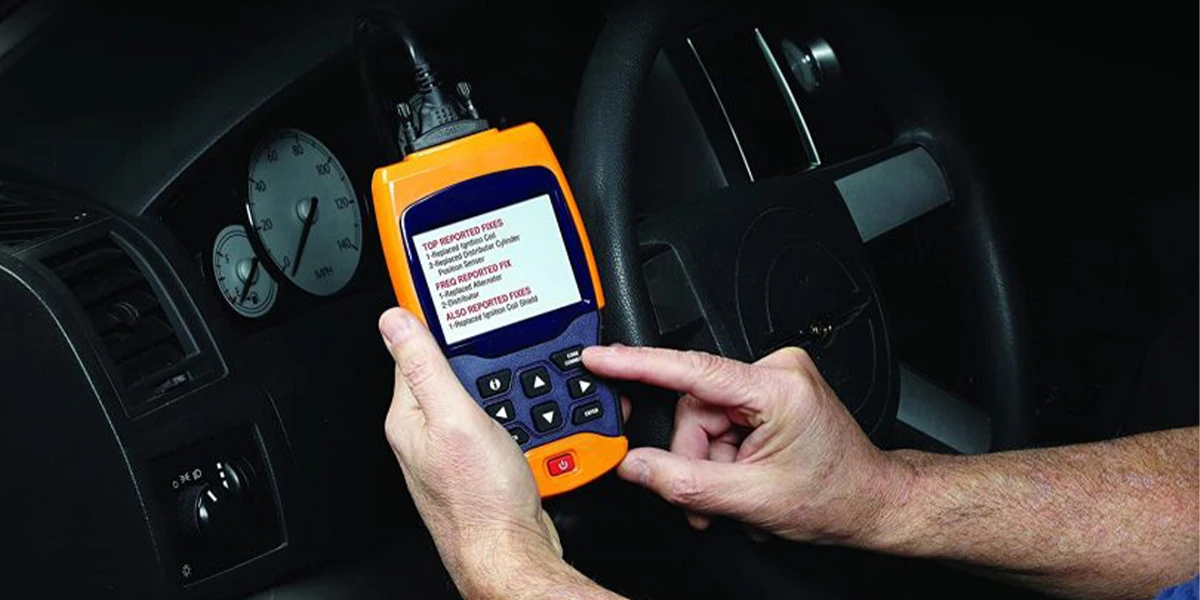
Using an OBD-II scanner, observe the output voltage. If the sensor stays above 0.9V regardless of engine conditions, it is likely a faulty oxygen sensor.
Step 3: Check for a Rich Condition
Inspect the fuel injectors and upstream components. If the upstream oxygen sensor is also reporting a rich fuel mixture, the problem lies within the engine's fuel management, not the downstream sensor.
Step 4: Replace the Sensor
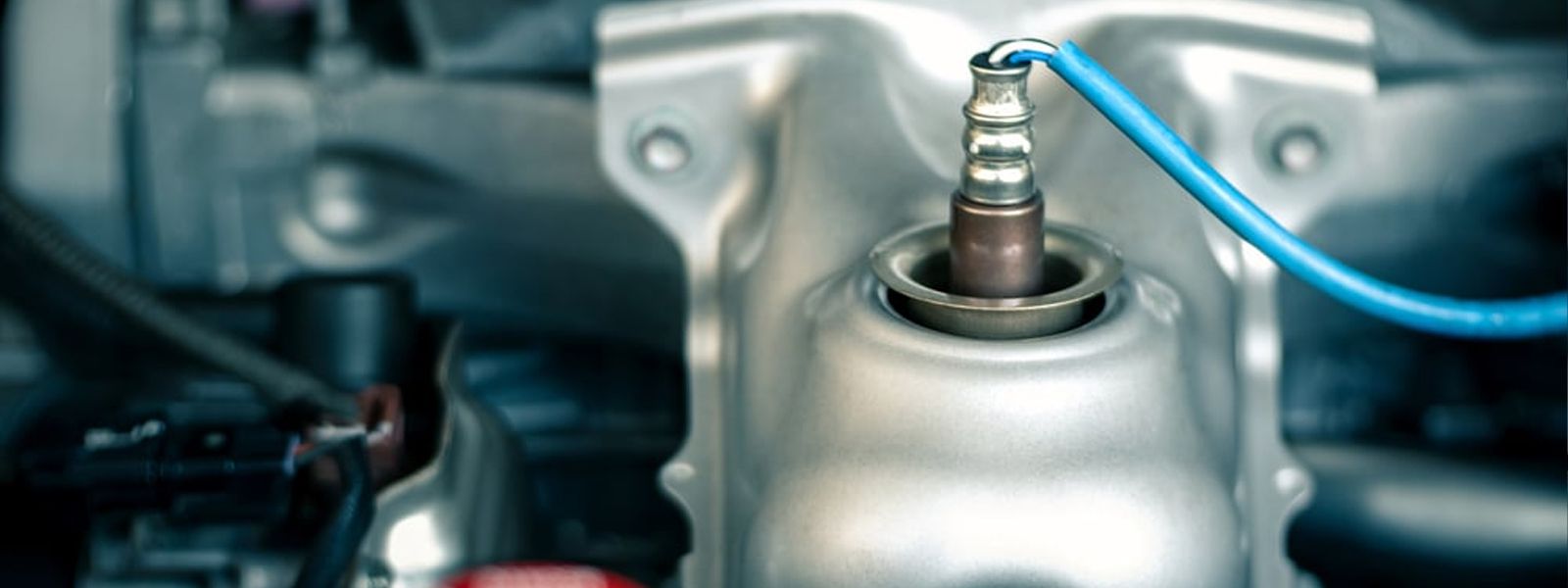
If the wiring is intact and the engine is running fine, you likely need to replace the O2 sensor. Installing a new oxygen sensor will ensure the oxygen ions and oxygen molecules are measured accurately.
Restore Your Exhaust Efficiency with A-Premium
When it’s time for a new oxygen sensor, quality is non-negotiable. A-Premium specializes in high-performance oxygen sensors designed to withstand extreme temperature and harsh exhaust conditions.
Our narrow band and wideband sensors utilize premium ceramic elements to ensure a precise voltage signal to your ECU.
-
Precision Engineering: Optimized for the perfect air fuel ratio and catalyst monitoring.
-
Durability: Built for an extended period of reliable service life.
-
Peace of Mind: Every sensor comes with a 3-year warranty and a 90-day free return policy.
Don't let a P0138 code compromise your engine's efficiency. Choose A-Premium for a sensor that keeps your exhaust system working properly.


