
P0306 Code: Cylinder 6 Misfire Causes, Diagnosis, and Fix

Decode the P0306 Cylinder 6 Misfire code. This step-by-step guide helps you pinpoint the exact cause, avoid unnecessary part replacements, reduce repair costs, and prevent severe engine damage.


Quick Answer
The P0306 code means the engine control module detected a misfire in cylinder 6. It does not prove that a particular spark plug, ignition coil, or fuel injector has failed. Save all stored codes and freeze-frame data, confirm how your engine numbers its cylinders, and diagnose the ignition, fuel, air, and compression systems in order. If the check engine light is flashing or the engine is shaking, stalling, or losing substantial power, minimize driving and arrange service promptly to reduce the risk of catalytic converter or engine damage.
Safety note: Do not work around a hot engine, moving belts, ignition voltage, or a pressurized fuel system without the correct vehicle-specific procedure and protective equipment. A flashing check engine light can indicate a catalyst-damaging misfire. Avoid high speed, heavy acceleration, towing, and unnecessary driving; stop if the vehicle becomes difficult to control or the symptoms worsen.
What Does the P0306 Code Mean, and Where Is Cylinder 6?
P0306 is a generic OBD-II powertrain trouble code for “Cylinder 6 Misfire Detected.” During normal combustion, each cylinder adds a small, predictable increase in crankshaft speed. The powertrain or engine control module uses crankshaft position information to identify an abnormal contribution from cylinder 6 and stores P0306 when the misfire criteria are met.
The code identifies the affected cylinder, but it does not identify the failed part. A cylinder needs the correct spark, fuel mixture, airflow, compression, and timing to contribute normally. A fault in any of those areas can produce the same code.
Cylinder 6 is not the sixth cylinder in the firing order
Cylinder numbering describes the manufacturer-assigned position of each cylinder. Firing order describes the sequence in which the cylinders produce power. They are not interchangeable. Cylinder 6 may be on either bank of a V engine or at a different physical position on an inline engine, depending on the engine family.
Before removing a coil or spark plug, confirm the vehicle’s year, make, model, trim, and engine. Then use reliable service information or an engine-specific cylinder diagram. Do not rely on a universal left/right or front/rear rule.
Is It Safe to Drive With a P0306 Code?
Treat P0306 as a problem that requires prompt diagnosis. A misfiring cylinder can send unburned fuel into the exhaust, raise catalytic converter temperature, reduce power, and make the engine stall or run roughly. The warning-light behavior and drivability symptoms help determine the immediate response.
| Condition | Recommended response |
|---|---|
| Flashing check engine light, severe shaking, stalling, overheating, or major power loss | Reduce load and stop as soon as it is safe. Arrange diagnosis or towing rather than continuing normal driving. |
| Solid check engine light with mild or intermittent symptoms | Avoid hard acceleration, high speed, and heavy loads. Diagnose promptly and stop if the light begins flashing or symptoms worsen. |
What Causes a Cylinder 6 Misfire?
Organizing possible causes by the needs of combustion makes diagnosis more useful than guessing from a list of parts.
Spark and electrical faults
- Worn, fouled, cracked, or incorrectly specified spark plug
- Weak ignition coil, damaged coil boot, or spark plug wire fault
- Loose, corroded, or damaged coil connector and wiring
- Oil or water in the spark plug well, sometimes caused by an underlying seal or valve-cover leak
Fuel and air faults
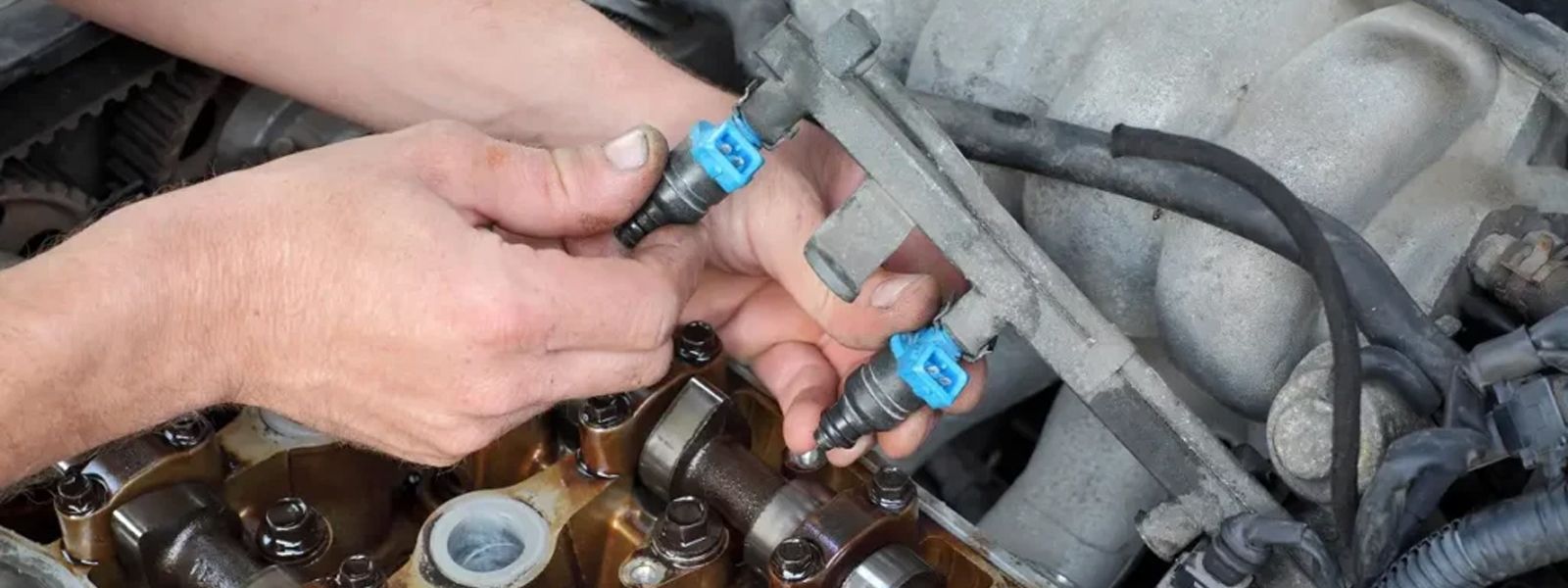
- Clogged, leaking, electrically inactive, or poorly connected cylinder 6 fuel injector
- Intake-manifold or vacuum leak affecting the cylinder 6 runner
- Fuel-pressure or mixture problems, particularly when other cylinders or fuel-trim codes are also involved
Mechanical compression faults
- Leaking or damaged valve
- Worn piston rings or cylinder damage
- Head-gasket leakage
- Valvetrain or engine-timing problem affecting cylinder 6
A crankshaft sensor, camshaft sensor, or control-module fault is possible in some cases, but it should not be the first assumption without related codes, wiring evidence, or vehicle-specific diagnostic results. Broad sensor or fuel-pressure faults also tend to affect more than one cylinder.
How Do You Diagnose P0306 Without Replacing Good Parts?
Start with information that costs nothing to preserve, then move from visual and component-isolation checks to tests that require specialized tools. Do not clear codes before recording the evidence.
1. Save every code and the freeze-frame data
Record P0306 along with all companion codes, pending codes, and freeze-frame conditions. Note whether the misfire happens at cold start, hot idle, under acceleration, in wet weather, or at a particular engine speed. Live misfire counters, when available, can help confirm whether cylinder 6 is consistently affected.
Companion codes can change the path. P0206 points toward the cylinder 6 injector circuit. A cylinder 6 coil-circuit code such as P0356 puts more emphasis on the coil connector, wiring, power supply, and control circuit. P0300 or misfires on several cylinders suggest a broader air, fuel, ignition, timing, or mechanical problem.
2. Confirm cylinder 6 and inspect the area
With the engine cool and off, verify cylinder 6 from engine-specific information. Inspect the coil, boot, plug wire if equipped, connector, and nearby harness for cracks, looseness, corrosion, burn marks, oil, or water. Check accessible intake and vacuum connections near that cylinder. Repair an oil or water source rather than installing a new ignition part into a contaminated plug well.
3. Inspect the plug and isolate the coil
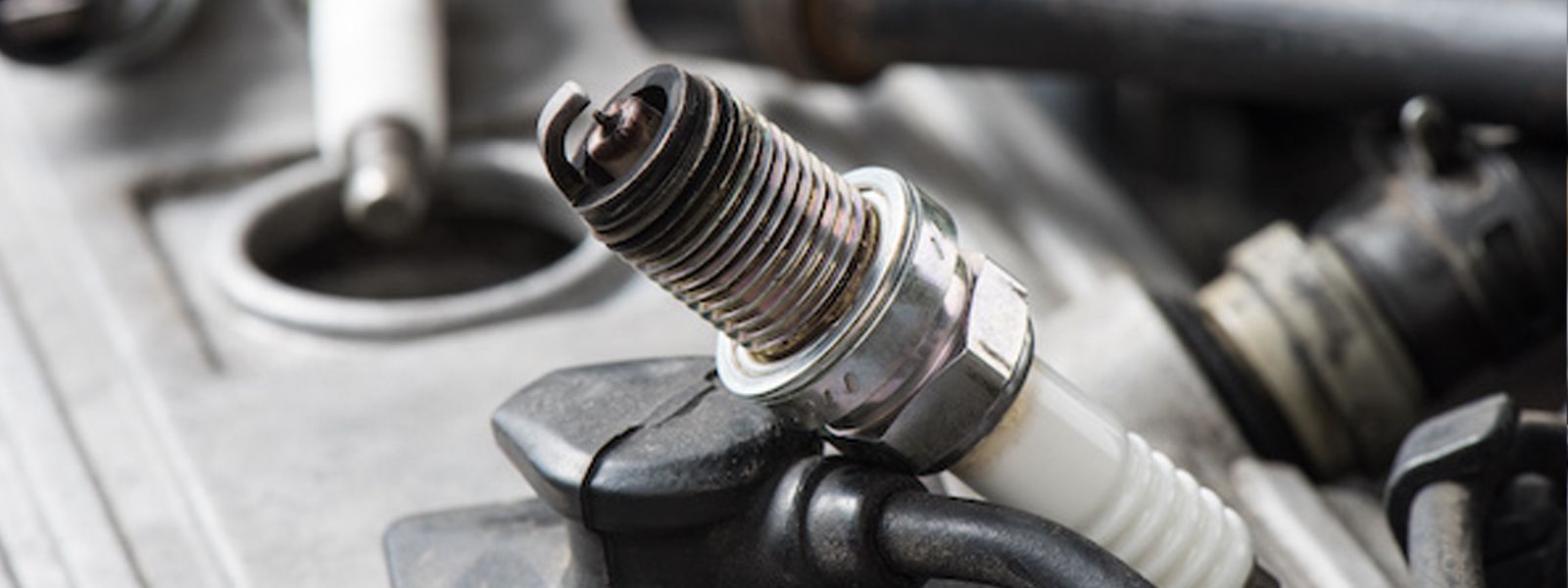
Remove the cylinder 6 spark plug only when the engine-specific procedure and access are appropriate. Check for a worn electrode, cracked insulator, heavy carbon, oil fouling, abnormal deposits, or an incorrect part. Use the specified plug type, gap procedure, and tightening torque for the exact engine; there is no safe universal value.
On a coil-on-plug engine, moving the cylinder 6 coil to a known-good cylinder can help isolate the fault. Move and test one component at a time so the result remains meaningful. Clear the relevant code only after saving the original data, operate the vehicle under a safe condition that previously produced the misfire, and rescan.
If the misfire moves to the cylinder that received the suspect coil, the coil or boot is likely faulty. If P0306 remains on cylinder 6, do not keep buying coils. Continue with the plug, wiring, injector, local air leak, and compression checks. The same evidence-based distinction is explained in the ignition coil or spark plug misfire test.
4. Check the electrical circuit before condemning the coil
A good coil cannot operate through a damaged connector, missing power or ground, or faulty control circuit. Follow the wiring diagram and vehicle-specific test procedure. Avoid forcing meter probes into terminals or shorting a control circuit. If the required test points, equipment, or safe procedure are unclear, this is an appropriate point for professional diagnosis.
5. Test fuel delivery and check for an air leak
If the ignition checks pass, verify the cylinder 6 injector connector and wiring. Injector sound can show that a solenoid is being commanded, but sound alone does not prove correct fuel flow or sealing. Depending on the vehicle, a technician may use an electrical test, injector balance test, flow test, or leak test. Use a smoke test and the correct service procedure to find intake leaks; avoid spraying flammable chemicals around a running engine.
6. Check compression when the misfire stays on cylinder 6
When spark, wiring, fuel, and local airflow do not explain the fault, compare cylinder 6 compression with the manufacturer’s specification and the other cylinders. A leak-down test can help distinguish leakage through an intake valve, exhaust valve, piston rings, or cooling system. Compression and leak-down testing require correct disabling procedures and interpretation, so seek professional help when the service information or equipment is unavailable.
| Test result | What it suggests | Next step |
|---|---|---|
| Misfire follows a swapped coil | Coil or boot is likely faulty | Confirm the circuit and fitment, then replace the confirmed part |
| Misfire follows a swapped plug | Plug is likely faulty | Find the reason for fouling or damage and install the correct plug |
| P0306 stays after ignition checks | Ignition part failure is not confirmed | Check wiring, injector, local air leak, and compression |
| P0206 is also stored | Cylinder 6 injector circuit fault is more likely | Inspect and test the connector, wiring, control, and injector |
| Cylinder 6 has low compression | Mechanical fault is possible | Perform leak-down and vehicle-specific mechanical diagnosis |
Which Repair Fixes P0306, and What Affects the Cost?
The correct repair follows the confirmed cause. It may involve replacing a damaged spark plug, coil, boot, or injector; repairing a connector or wire; sealing an intake or oil leak; or correcting an internal engine problem. Clearing the code or replacing the most convenient part is not a repair unless the underlying misfire has been resolved.
Repair cost varies with diagnosis time, cylinder accessibility, intake-component removal, part quantity, engine layout, local labor rate, and whether the problem is electrical, fuel-related, or internal. Ask which test confirmed the failure, whether related damage or contamination must also be repaired, and how the shop will verify the result.
Choose replacement parts only after the fault is confirmed
If diagnosis identifies a plug, coil, or injector, enter the exact vehicle and engine before ordering. Verify the listed OE or interchange number, connector, position, design, and required quantity. A P0306 code does not determine the correct part or prove that a complete set must be replaced.
A-Premium offers vehicle-specific spark plugs, ignition coils, and fuel injectors. Use these categories after testing points to the corresponding component, then confirm fitment for the exact engine before purchase.
How Do You Clear P0306 and Confirm the Repair?
After completing the confirmed repair, reconnect every component, check that tools and loose items are clear of the engine bay, and clear the stored code with a scan tool. Operate the vehicle only under safe conditions and follow the appropriate vehicle-specific verification procedure.
Confirm that the engine runs smoothly, the original symptoms are gone, live misfire counts do not continue rising on cylinder 6, and P0306 or related codes do not return. Some readiness monitors require defined operating conditions and may not complete during one short drive. If the check engine light flashes or the misfire returns, stop the verification drive and resume diagnosis rather than repeatedly clearing the code.
FAQs
Can a bad ignition coil cause P0306?
Yes. A weak or failed cylinder 6 coil can cause P0306, but the code alone does not prove the coil is bad. Inspect the circuit and use a component-isolation test where appropriate.
Why is P0306 still present after replacing the coil or spark plug?
The fault may be in the connector, wiring, injector, local intake seal, compression, or another component. An incorrect or poorly fitted replacement can also leave the problem unresolved. Return to the diagnostic sequence.
Is P0306 the same as P0300?
No. P0306 identifies a misfire associated with cylinder 6. P0300 describes a random or multiple-cylinder misfire. Learn more in the P0300 code guide.
Should I replace one ignition coil or all of them?
That decision depends on the confirmed failure, coil design, age, access, maintenance history, and vehicle-specific service strategy. P0306 alone does not justify replacing every coil.
Can disconnecting the battery clear P0306?
It may erase diagnostic information on some vehicles, but it does not repair the cause. It can also reset readiness data and other learned settings. Save the evidence, repair the fault, and use the correct scan-tool procedure.


