
P0420 Code: Catalytic Converter Efficiency Below Threshold

Master the P0420 code with this step-by-step diagnostic guide. Learn how symptoms vary across major car brands like Honda, Toyota, and Ford to pinpoint the true root cause and fix your catalyst system efficiently.


Averaging over 33,000 monthly searches, the P0420 code holds the proud title of the most-searched diagnostic trouble code in the United States. While seeing that check engine light can feel stressful, understanding what your vehicle is trying to tell you is the first step toward a stress-free, cost-effective fix.
Let’s break down exactly what this code means, how to accurately diagnose the root cause, and how to get your car running smoothly again without breaking the bank.
What Is the P0420 Code and Why Does It Trigger?
If your vehicle's engine control module (ECM) illuminates the check engine light and stores the diagnostic trouble code (DTC) P0420, it indicates that the catalyst system efficiency is below the minimum threshold on Bank 1.
To understand the root cause of this code, you have to understand how modern vehicles handle environmental protection. The catalytic converter acts as an emissions gatekeeper, transforming toxic gases like carbon monoxide, unburnt hydrocarbons, and nitrogen oxides into harmless water vapor and carbon dioxide.
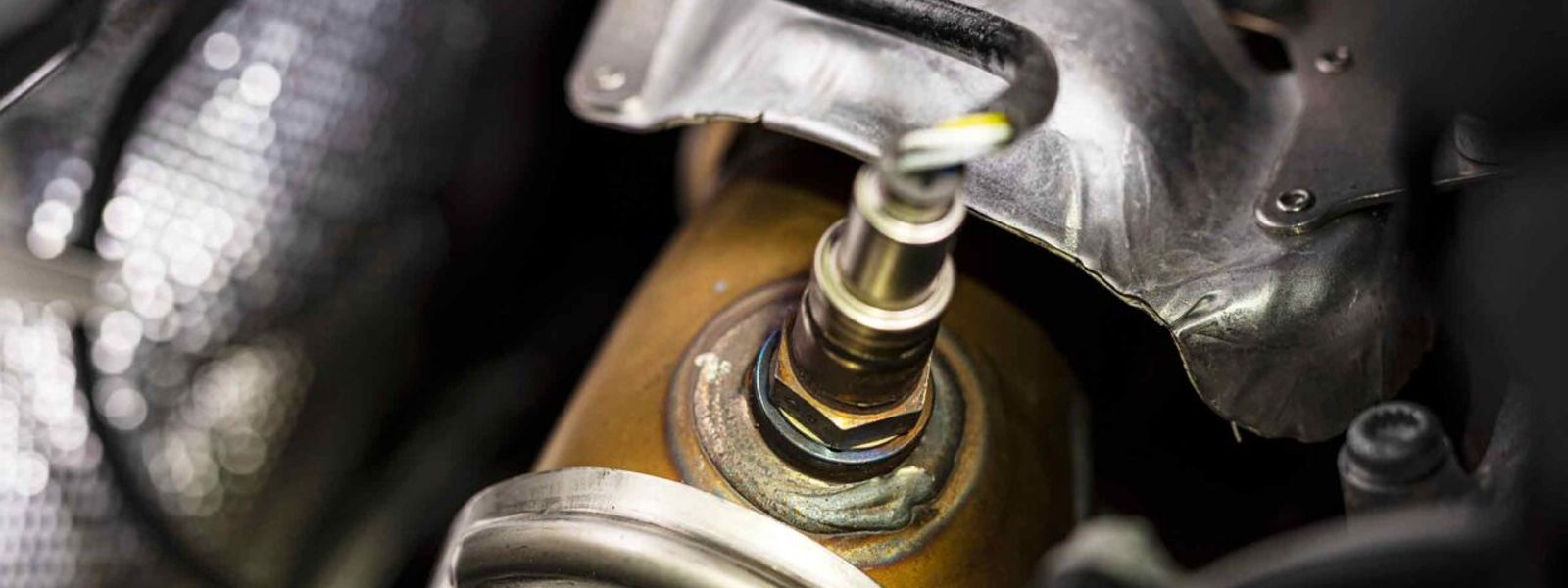
To monitor this process, the ECM relies on two specific sensors:
-
The upstream sensor (positioned before the converter) monitors unburned raw exhaust gases directly leaving the engine.
-
The downstream sensor (positioned after the converter) monitors the cleaned gases leaving the catalyst.
When the system is healthy, the upstream and downstream readings look completely different. The upstream voltage fluctuates rapidly, while the downstream oxygen sensor readings remain relatively flat and steady, confirming the catalyst is storing oxygen and doing its job. However, the code P0420 is triggered when the upstream and downstream O2 sensor voltages become nearly identical, signaling that the efficiency below threshold bank 1 condition has been reached.
What Are the Common Symptoms of a P0420 Code?
In most cases, a driver’s first warning is simply an illuminated check engine light. Because the catalytic converter is part of the exhaust system rather than the mechanical core of the engine, the vehicle might drive completely normally at first.
However, as the issue worsens, you may notice several common symptoms:
-
Failed Emissions Test: A pending code or active P0420 will trigger an automatic failed emissions test.
-
Reduced Fuel Economy: When the catalyst system fails, the ECM can struggle to balance the fuel system, resulting in poor mileage.
-
Rotten Egg Smell: A distinct sulfur or rotten egg smell radiating from the exhaust pipe signals severe internal breakdown of the catalyst substrate.
-
Engine Sluggishness: If the internal core is physically blocked, exhaust gas backpressure will build up, leading to noticeable engine performance issues over time.
How Does the P0420 Code Vary Across Major Car Makes?
While the core engineering definition of the P0420 code remains uniform, different automakers exhibit distinct vulnerabilities that can trigger this pesky diagnostic trouble code. Understanding these brand-specific behaviors can save you hours of unnecessary troubleshooting:
1. Honda P0420 Code
When dealing with a car from this Japanese automaker, software updates are a primary common cause to rule out, particularly on older models. Mechanically, many Honda V6 engines are known to consume oil, which can carry over into the exhaust stream and contaminate the catalytic converter substrate. Additionally, Hondas frequently suffer from engine misfires due to worn spark plugs or ignition coils, as well as weak downstream O2 sensors that skew live data readings.
2. Ford P0420 Code
If you are diagnosing a Ford vehicle, the first step in your repair processes should be using an obd ii scanner to check for pending codes related to the fuel system or misfires. On Fords, over-fueling and turbocharger inefficiencies can trigger a code P0420 even when the converter itself is fully functional. Other standard culprits to check include an exhaust leak, rich fuel trims, and a delayed response from the downstream oxygen sensor.
3. Chevrolet P0420 Code
Auto repair technicians working on a Chevy should instantly graph the live data from both upstream and downstream sensors. If the o2 sensor signals aren’t lagging, look closely for physical exhaust manifold cracks, a very common issue on V8 models. Furthermore, Chevrolets that are restricted to short, stop-and-go city driving frequently experience a P0420 code simply due to excessive soot and carbon buildup loading up the catalyst.
4. Toyota P0420 Code
Toyotas are notorious for being hyper-sensitive to microscopic drops in catalyst system efficiency, which may or may not point to an actual mechanical failure. Like other brands, a lack of responsiveness in the downstream oxygen sensor is common, alongside a tendency for certain high-mileage engines to burn oil, which prematurely degrades the internal catalyst structure. Mechanics highly recommend checking for manufacturer Technical Service Bulletins (TSBs) regarding PCM calibration before replacing parts.
5. Nissan P0420 Code
Specific models—including the Altima, Murano, and Pathfinder—are highly prone to the p0420 code as they age. Beyond standard catalytic converter failure, a contaminated mass airflow (MAF) sensor or an air intake leak can alter the air-fuel mixture enough to trip the code. Nissan systems are also sensitive to poor heater circuit performance, which causes the downstream oxygen sensor readings to become highly inaccurate even if the catalyst is doing its job perfectly.
What Happens if I Ignore P0420 Symptoms?
It is highly tempting to ignore an illuminated check engine light if your car still drives fine, but leaving a P0420 code unresolved can be incredibly costly.
Initially, driving with an active P0420 code can potentially lead to poor performance and an environmental penalty, allowing excess nitrogen oxides and toxic elements into the environment. Financially, you will feel it at the pump due to diminished fuel efficiency.
The greater risk, however, is further damage to the vehicle's engine. If the most common cause is an unaddressed engine misfire or a raw oil or coolant leak from the engine block, the unburnt fuel traveling down the exhaust will rapidly overheat the catalyst core. This can lead to a completely melted or cracked substrate, turning a minor sensor adjustment into an expensive, labor-intensive repair job.
How to Diagnose and Fix the True Root Cause of P0420
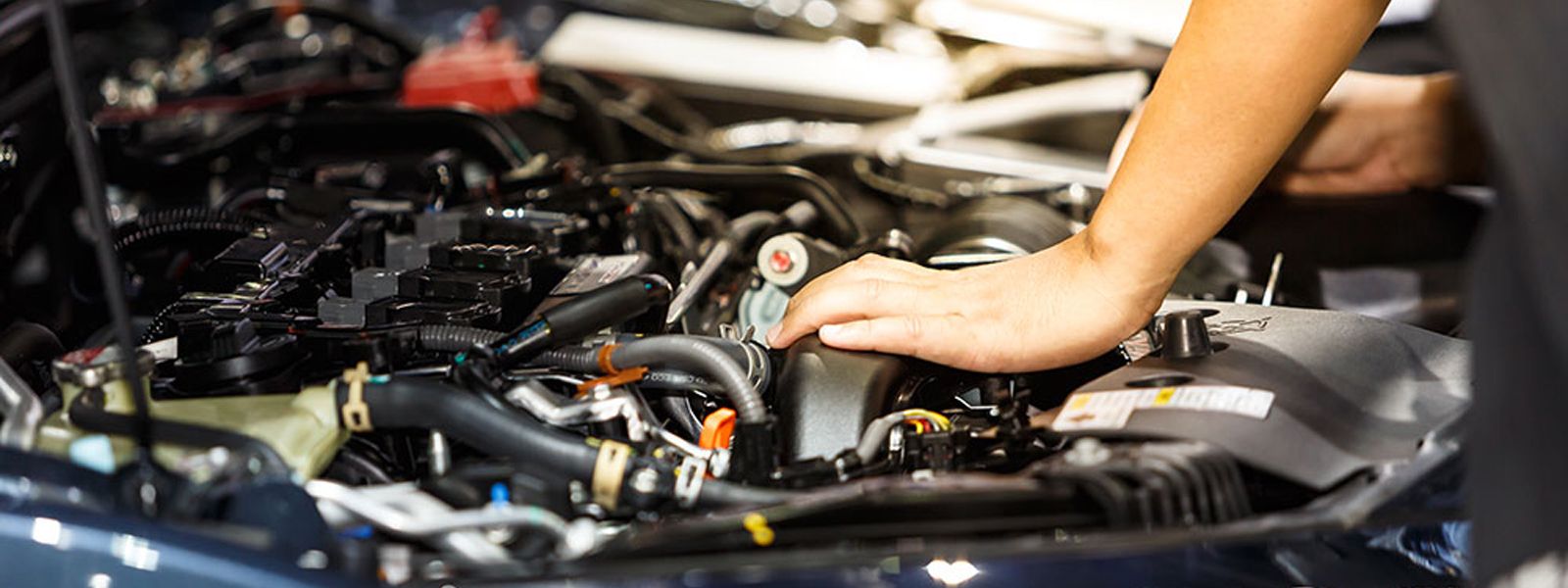
Before running out to purchase an expensive replacement converter, consider this critical industry fact: over 70% of catalytic converters are clogged, not broken. Jumping straight to a component swap without systematic testing is a costly mistake. Follow this real-world diagnostic routine to uncover the true culprit:
Step 1: Scan and Analyze the Data
Plug your obd ii scanner into the port beneath your steering column and pull all active and pending codes. Do not look at P0420 in isolation; pull up the freeze frame data to see exactly what the engine speed, load, and fuel trims were when the code broke. If you find accompanying codes for engine misfires, lean/rich fuel mixtures, or coolant temperature sensors, you must repair those mechanical faults first, as they are likely contaminating the exhaust stream.
Step 2: Test Oxygen Sensor Live Data
Switch your scanner to live data mode and graph the voltage waveforms of the upstream and downstream sensors simultaneously.
-
A healthy upstream sensor should rapidly oscillate between 0.1V and 0.9V.
-
If the downstream sensor mirrors this rapid wave pattern precisely, the catalytic converter has lost its oxygen storage capacity.
-
However, if the downstream sensor output flatlines at zero, stays pinned at a static voltage, or responds sluggishly, you are likely looking at a faulty oxygen sensor rather than a dead converter.
Step 3: Inspect for Exhaust Leaks
A tiny pinhole or crack in the exhaust pipe can draw outside air into the system via venturi effect, tricking the downstream o2 sensor into reading a false lean condition. Thoroughly inspect the entire exhaust system between the engine manifold and the converter. Look for black soot markings around flanges, flex pipes, and weld joints, which indicate an active exhaust leak. Remember to inspect the catalytic converter for cracks before replacement to rule out exterior weld failures.
Step 4: Check Converter Operating Temperature
Use an infrared thermometer to measure the outer temperature of the converter's inlet and outlet pipes after a 15-minute drive. In a properly functioning catalyst system, the chemical reactions inside create heat, meaning the outlet temperature should be at least 20°F to 50°F hotter than the inlet. If the outlet is cooler than or equal to the inlet, the catalyst is chemically dead or severely fouled.
Step 5: Execute the Fix and Clear the Code
Once your diagnostic steps have isolated the fault, execute the targeted fix:
-
For Minor Carbon Clogging: If there is no internal structural damage and the sensors are functional, a specialized catalytic converter cleaner can resolve P0420 in 50–150 miles. Add the formula to your fuel tank and prioritize driving at highway speeds to raise exhaust temperatures and burn off the carbon buildup.
-
For Bad Sensors: If your live data testing isolated a lazy or dead sensor, replace it. You can explore the technical nuances of Should You Replace Upstream and Downstream O2 Sensors at the Same Time? and Can I Clean My Oxygen Sensor Instead of Replacing It? A Complete Guide to plan your sensor maintenance.
-
For Failed Catalysts: If the converter substrate is melted or physically broken (indicated by a metallic rattling sound), structural replacement is required. Learn more about budgeting and choosing structural configurations in our guide: Why Are Catalytic Converters So Expensive? Is a Cheap One Reliable?.
Once the physical repair processes are complete, connect your OBD-II scanner to clear the P0420 code. Take the car on a 20-to-30 minute drive cycle incorporating both stop-and-go driving and highway cruising to allow the engine computer to run its internal readiness monitors and verify the fix.
Upgrade with Confidence: Premium Components from A-Premium
When diagnosing emissions issues, replacing degraded sensors or worn exhaust components with high-quality parts is essential to keeping dashboard warning lights off for good. A-Premium delivers an expansive range of OEM-matching Oxygen Sensors and highly durable Catalytic Converters designed to meet precise vehicle configurations. Engineered to restore accurate signal tracking and maximize emission reduction, A-Premium parts help you protect your engine and clear your check engine light for the long haul.
Frequently Asked Questions (FAQ)
Can a bad O2 sensor cause a P0420 code?
Yes. Faulty oxygen sensors—specifically a degraded downstream oxygen sensor—can misread exhaust composition and falsely report a system drop below the required efficiency threshold. Always check live sensor data before replacing the converter structure itself.
Can I drive with a P0420 code?
Yes, in most cases you can drive short distances since it won't instantly strand you on the road. However, prolonged driving with a P0420 code risks lower fuel economy, potential environmental non-compliance, and severe overheating that can ruin surrounding exhaust plumbing.
Will a P0420 code clear itself?
If the trigger was a temporary bout of poor fuel or minor carbon accumulation that cleared after a long highway drive, the ECM may turn off the light after several consecutive, clean driving cycles. However, the code will remain as a history log until wiped manually with a scanner.


