
P0480 Code: Fan 1 Control Circuit Diagnosis and Fix

Decode the P0480 Fan 1 Control Circuit code without guesswork. Identify symptoms, safely test wiring and relays, and avoid costly replacements. Master step-by-step diagnostics to fix your cooling system and prevent engine overheating.


Quick Answer
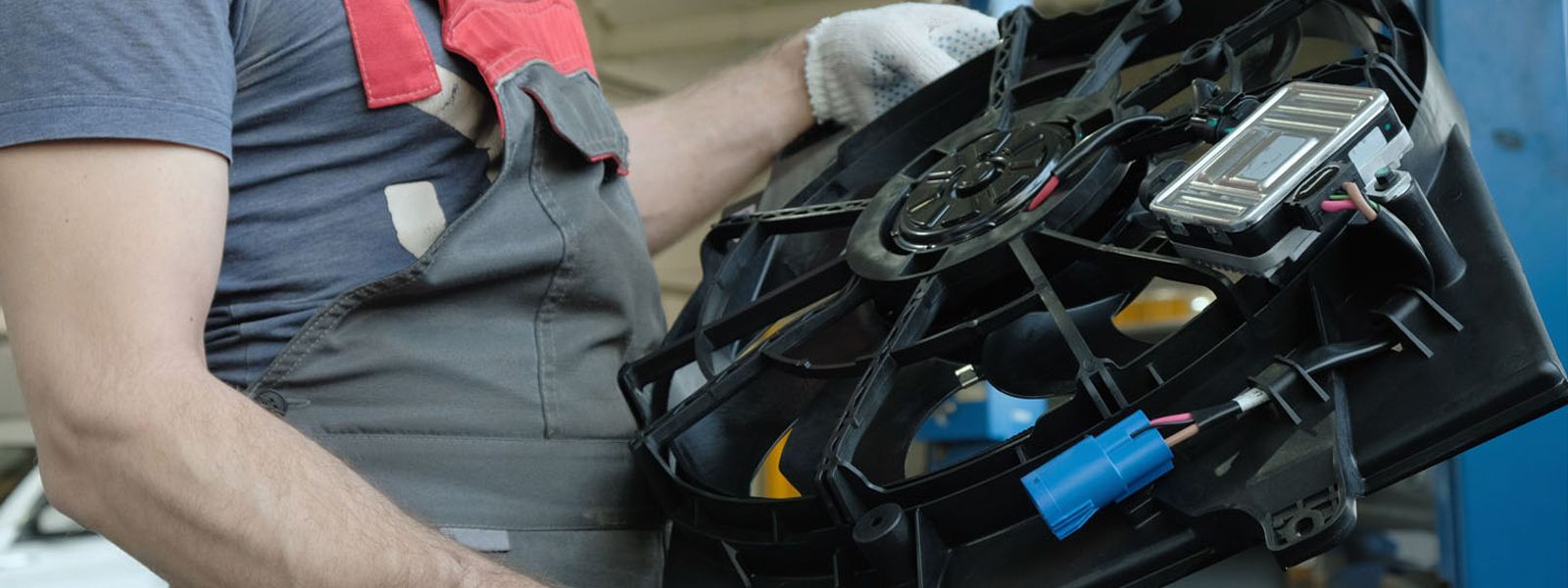
The P0480 code means the powertrain control module detected an electrical problem in the Fan 1 control circuit. It does not prove that the radiator fan motor has failed. Depending on the vehicle, the fault may involve a fuse, relay, fan control module, wiring, connector, ground, fan assembly, or control-module driver. Save all codes and freeze-frame data, identify the exact fan circuit from vehicle-specific service information, and test command versus response before replacing parts. If the temperature gauge rises, an overheat warning appears, or steam is present, stop safely and shut the engine off.
Safety note: An electric cooling fan can start without warning, even when the engine is not running. Keep hands, hair, clothing, and tools away from the blades whenever the battery is connected. Never open a hot, pressurized cooling system. Fan circuits can carry high current; use the vehicle wiring diagram, correctly rated fused test equipment, and a professional technician when the safe test procedure is unclear.
What Does the P0480 Code Mean?
P0480 is the generic OBD-II description for “Fan 1 Control Circuit.” The PCM or ECM commands an electric cooling-fan circuit on or off when cooling demand changes. On a monitored system, the module expects a corresponding electrical response. If the observed circuit state does not match the command, it can store P0480 and illuminate the check engine light.
The code identifies a circuit, not one universal part. An older system may use a removable relay that switches battery power to a fan motor. Another vehicle may use several relays for low and high speed. A newer vehicle may use a solid-state fan control module, a brushless motor, or a variable-speed assembly with the controller built into the fan. “Fan 1” may refer to a primary fan, a particular relay path, or one commanded speed. The wiring diagram and manufacturer’s code definition determine the correct interpretation.
Related codes are not interchangeable. P0481 usually concerns the Fan 2 control circuit, while P0483 describes a cooling-fan rationality or performance check on supported vehicles. Low- or high-circuit codes such as P0691 or P0692 can provide more specific electrical direction when they appear with P0480.
Can You Drive With a P0480 Code?
P0480 should be diagnosed promptly because the vehicle may lose the airflow it needs while idling, moving slowly, climbing a grade, or operating the air conditioner. Road speed can force air through the radiator and temporarily hide a fan problem, but that does not make the circuit reliable.
| Observed condition | Recommended response |
|---|---|
| Gauge rising toward hot, temperature warning, steam, coolant smell or leak, reduced power | Reduce load, stop as soon as it is safe, shut the engine off, and arrange diagnosis or towing. Do not open the hot cooling system. |
| Normal temperature and no immediate symptoms | Avoid unnecessary idling, heavy load, and conditions likely to raise cooling demand. Arrange prompt diagnosis and monitor the gauge. |
Do not depend on the cabin heater, a particular road speed, or a fixed trip distance as a universal workaround. Vehicle design, ambient temperature, load, coolant condition, and the actual electrical fault all change the risk.
Which Symptoms Point Toward the Fan 1 Circuit?
P0480 may appear with only a check engine light, but several operating patterns make the fan circuit more suspicious:
- The cooling fan does not run when the PCM commands it.
- The fan operates intermittently, runs at only one speed, or remains on continuously.
- The temperature rises mainly at idle or in slow traffic but settles at normal road speed.
- The air conditioner becomes warmer while stopped because airflow across the condenser is reduced.
- A fan fuse opens, a relay or module connector overheats, or the fan makes abnormal noise.
- The battery discharges because a stuck relay or control fault keeps the fan running after shutdown.
These symptoms guide testing but do not confirm a fan motor. For example, a fan that never runs may have a good motor but no power, ground, or control. A fan that runs constantly may be a fail-safe response to another detected fault rather than a stuck relay. A rising temperature can also come from low coolant, restricted coolant flow, a thermostat, water pump, or radiator problem. The radiator and cooling-system diagnostic guide covers those parallel causes.
What Causes the P0480 Code?
The most useful cause list follows the electrical path rather than guessing which part fails most often.
Power and load-side faults
- Open fan fuse or fusible link
- Damaged power feed, loose terminal, overheated connector, or poor ground
- Seized, worn, internally open, or high-current fan motor
- Physical obstruction or damage in the fan assembly
Switching and control-side faults
- Failed relay, burned relay contacts, or poor relay-socket terminal contact
- Failed integrated or separately serviceable fan control module
- Open, short-to-ground, or short-to-voltage in the control wire
- PCM driver, connector, software, or calibration issue after the rest of the circuit is proven good
Inputs and parallel cooling faults
Engine coolant temperature and A/C pressure data can affect when the PCM requests fan operation, and faults in those inputs may set their own codes. Low coolant or a leak can cause overheating, but neither automatically proves the P0480 electrical circuit is defective. Check those conditions for safety and as part of a complete cooling diagnosis without using them as a shortcut to replace a sensor or fan.
How Do You Diagnose P0480 Without Guessing?
Diagnosis should progress from saved evidence and low-risk inspection to commanded testing and circuit measurements. The exact sequence and connector pinouts must come from service information for the vehicle.
Save codes, data, and operating conditions
Record P0480, pending and companion codes, freeze-frame data, coolant-temperature data, and the condition in which the fault appeared. Do not clear the evidence first. Codes for fan circuit low/high, coolant-temperature sensors, system voltage, communication, or A/C pressure can change the test path.
Identify the fan-control configuration
Use the correct wiring diagram to determine whether the system has replaceable relays, several speed circuits, a pulse-width-modulated control wire, an integrated module, or a brushless fan. Check whether the controller is included with the fan assembly or serviced separately. Do not swap relays unless the service information confirms identical part numbers, terminal functions, and a safe donor circuit.
Inspect with the engine off and cool
Disconnect power according to the service procedure before touching the fan area. Check for debris, damaged blades or shroud, a fan that is mechanically seized, melted plastic, green corrosion, loose or backed-out terminals, damaged insulation, and insecure grounds. Inspect the related fuse with the specified method.
If a fuse has opened, replace it only with the specified rating and only after checking for a short, damaged wiring, or an overloaded motor. If it opens again, stop. Installing a larger fuse or repeatedly replacing the correct fuse can overheat the harness and create a fire risk.
Compare the commanded state with the fan response
When the vehicle and scan tool support bidirectional control, command Fan 1 through its available speeds while monitoring command status and relevant data. Do not assume turning on the A/C must activate the fan on every vehicle; ambient conditions, pressure, system strategy, and faults can change that response.
If the PCM command changes but the fan does not respond, follow the diagram to check the load-side power, ground, relay/module output, voltage drop, and fan load. If the fan responds correctly during the active test, investigate the conditions and input data that normally request fan operation, intermittent wiring, and whether the code returns. A constantly running fan requires checking for a stuck relay, shorted control, module fault, or programmed fail-safe strategy.
Know when to hand off the diagnosis
Directly powering a fan, measuring current, load-testing a circuit, or probing a solid-state driver can damage a module or create heat and arc hazards if performed incorrectly. Use fused leads, the specified pinout, and correctly rated equipment only when the manufacturer’s procedure calls for it. PCM driver diagnosis, programming, and high-current wiring repair are appropriate professional tasks.
| Diagnostic result | Likely direction | Next action |
|---|---|---|
| Correct power and ground reach the motor, but it does not run | Fan motor or integrated assembly fault | Confirm load test and assembly configuration before replacement |
| Command is present, but relay/module output is absent | Relay, module, feed, terminal, or control-path fault | Follow the diagram and isolate input from output |
| Specified fuse opens again | Short circuit or excessive fan current | Stop replacing fuses; isolate the harness and load professionally |
| Fan passes active test | Intermittent circuit or normal-request/input problem | Check freeze-frame conditions, input data, terminals, and code recurrence |
| Fan runs continuously | Stuck relay, control short, module fault, or fail-safe strategy | Check related codes, commanded state, and circuit design |
Which Repair Fixes P0480, and What Affects the Cost?
The repair must match the confirmed fault. It may involve repairing a terminal, wire, ground, or power feed; replacing the specified fuse after correcting its root cause; replacing a relay; replacing a separately serviceable fan control module; or replacing a failed fan motor or complete assembly. PCM replacement or programming should come only after the circuit, load, commands, power, grounds, and applicable service information have been verified.
Cost depends on diagnostic time, access, whether the module is integrated into the fan, required calibration, harness damage, vehicle configuration, and local labor rates. A fan assembly may include or exclude the shroud, resistor, controller, or second fan. Match year, make, model, trim, engine, connector, OE or interchange number, and package notes rather than ordering from the code alone.
Once testing confirms the failed component, A-Premium offers exact-fit cooling fan assemblies and radiator fan control modules. Verify whether the controller is separate or included before purchase. Do not use a generic P0480 diagnosis to select a vehicle-specific SKU.
How Do You Clear P0480 and Verify the Repair?
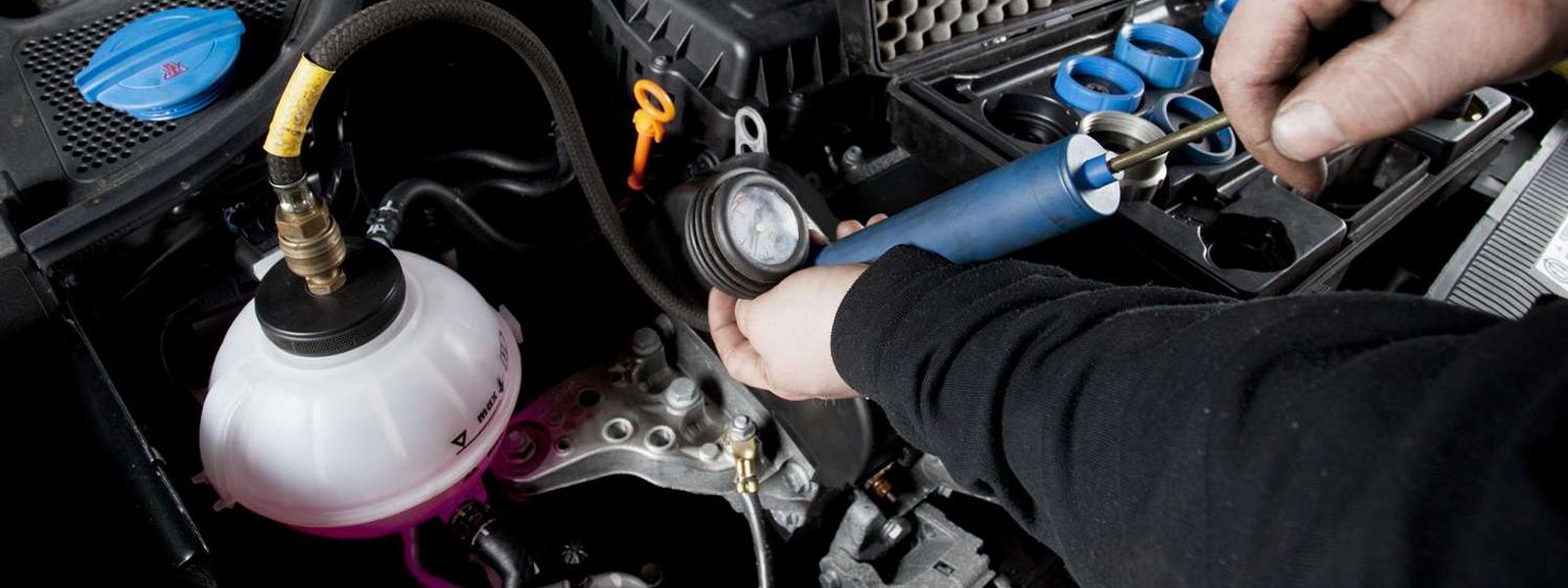
Clear P0480 only after completing the confirmed repair and reconnecting the system correctly. Use a safe bidirectional command or the manufacturer’s specified operating conditions to verify every commanded fan speed or circuit. Confirm that the fan starts and stops as requested, connectors do not heat abnormally, the temperature remains stable, and A/C performance is normal under the original complaint condition.
Rescan for pending and stored codes and review relevant data. If P0480 returns, the fan remains abnormal, or the temperature begins to rise, stop the test and resume diagnosis. Clearing the light or disconnecting the battery does not repair the circuit and may erase useful data or reset readiness monitors.
FAQs
Can a bad cooling fan relay cause P0480?
Yes. A failed relay coil, burned contacts, or poor relay-socket connection can cause the commanded and monitored circuit states to disagree. Some vehicles use an integrated module instead of a removable relay.
Why does the cooling fan run all the time?
Possible causes include a stuck relay, shorted control wire, failed module, incorrect sensor data, or a programmed fail-safe response. Compare the commanded state with actual operation before replacing parts.
Why does the cooling fan fuse keep blowing?
A shorted wire, damaged connector, seized motor, or excessive motor current may be responsible. Use only the specified fuse rating and stop replacing it if it opens again.
Is P0480 the same as P0481 or P0483?
No. P0480 concerns the Fan 1 control circuit, P0481 generally concerns Fan 2, and P0483 is a fan rationality or performance-related check. Always verify the manufacturer-specific definition.
Can low coolant cause the P0480 code?
Low coolant can cause overheating and abnormal temperature data, but it does not by itself confirm a Fan 1 electrical circuit fault. Check coolant only when the system is cool, repair any leak, and diagnose the stored circuit code separately.


