Signs of Bad Coil Springs

Have you ever felt that your car's ride wasn't as smooth as it used to be? Perhaps you've noticed strange noises or an unusual tilt in your vehicle. Well, chances are, you might be dealing with bad coil springs. These unsung heroes of your car's suspension system play a crucial role in keeping your ride comfortable and safe. Dive deep into the world of bad coil spring symptoms with us!

Signs Of Bad Coil Springs
So, you've been cruising around town, and you can't help but notice that something's not quite right with your ride. Well, it might just be those trusty old coil springs giving you some grief. Understanding these signs to check out if your coil springs are on the fritz.
- Bumpy Road Blues: Ever felt like your car's turned into a carnival ride? When those coil springs go south, your smooth drive can start to feel like a wild rollercoaster, bouncing you around more than your favorite old-school tunes.
- Car Slouch: Take a peek at your car from the front or back. If it's got that tired, slouchy look like it's had a long day, your coil springs might be letting it down.
- Groaning and Moaning: You know those weird noises that make you wonder if your car's trying to communicate? Bad coil springs can turn your peaceful drive into a squeaky symphony, with clunks and creaks as the stars of the show.
- Tire Troubles: Your tires are like your car's shoes, and if they're wearing unevenly, it's a sign that your coil springs might be tripping them up. So, keep an eye on those tire treads.

- Wonky Handling: Suddenly feel like you're wrestling with the steering wheel, especially when taking turns? Bad coil springs can mess with your car's handling, making it less predictable than that unpredictable weather we love to complain about.
- Bouncing Bonanza: If your car's bouncing around like it's having a dance party on a pothole, it's time to investigate those coil springs.
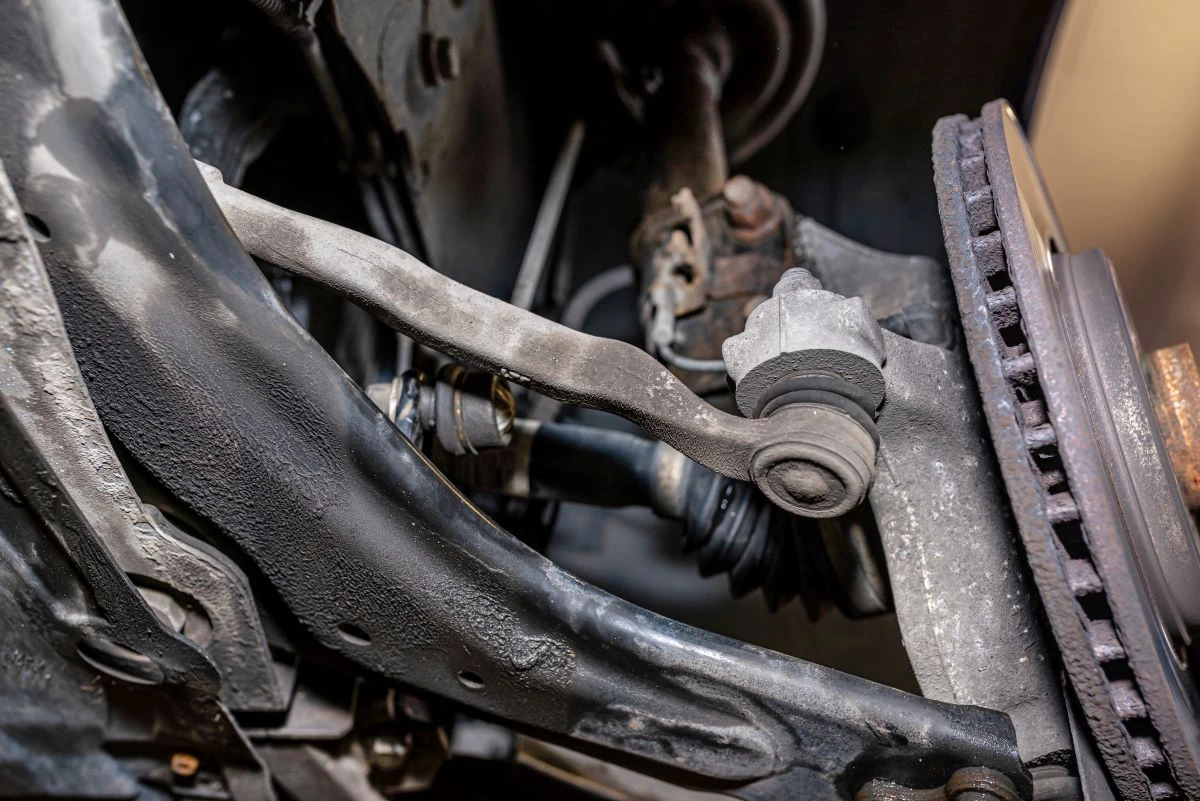
- Oil Stains and Rusty Surprises: Get under there and check for oil leaks or rusty patches on your coil springs. They're not supposed to be the Picasso of rust and oil art, so it's a sure sign something's amiss.
- Ground Hugger: Lastly, if your car gives the pavement an unwanted bear hug or scrapes its belly when going over speed bumps, those coil springs need a pep talk.
To get your car back to humming, it’s always a good idea to take a prompt check. If you are not confident about the cause or solution, have a local mechanic take a look.
Causes of Coil Spring Problems
- Wear and Tear Over Time
Just like your favorite pair of sneakers, coil springs can wear out with age. They've been supporting your vehicle through countless miles, and eventually, they might start to show signs of fatigue.
- Corrosion and Rust
Rust is like a silent predator in the world of coil springs. Over time, exposure to moisture, road salt, and other environmental factors can cause rust and corrosion, weakening the springs' structural integrity.
- Overloading Your Vehicle
Imagine carrying too many grocery bags at once – it's a bit much, right? The same goes for your car. Overloading it with heavy cargo can put excessive strain on the coil springs, leading to premature wear and potential failure.

- Rough Road Conditions
If you frequently navigate rough terrain or pothole-riddled roads, your coil springs take a beating. These challenging conditions can accelerate wear and contribute to coil spring problems.
- Manufacturing Defects
Sometimes, the issue starts right from the factory. Manufacturing defects can result in coil springs that are flawed from the beginning, causing problems down the road.
- Accidents or Impact
A significant collision or impact, like hitting a curb or large pothole, can put immense stress on the coil springs, potentially causing damage or misalignment.
- Improper Maintenance
Neglecting regular maintenance, such as failing to address other suspension issues or not lubricating components as needed, can indirectly lead to coil spring problems.
Understanding these common causes is significant in better coil springs maintenance and can potentially prevent issues down the line. To ensure safety and performance, it's essential to have the failing coil springs inspected and replaced.
Can I Still drive when coil springs are broken?
If your car's suspension system is a team of crucial players, each with a role to ensure your ride is comfortable and safe, coil springs are one of these key team members. When one of these coil springs breaks, it's like having a hiccup in your team's performance. Yes, you can technically drive, but it's far from ideal. Your car's handling becomes unpredictable, tire wear becomes uneven, and there's a risk of causing more damage to your suspension. Braking isn't as efficient, and the chances of accidents rise. So, while you might be tempted to keep going, it's really in your best interest to address that broken coil spring as soon as possible. It's about looking after your car's well-being, ensuring it can continue to look after you on the road. So, driving with a broken coil spring is not recommended.
How to protect your coil springs?
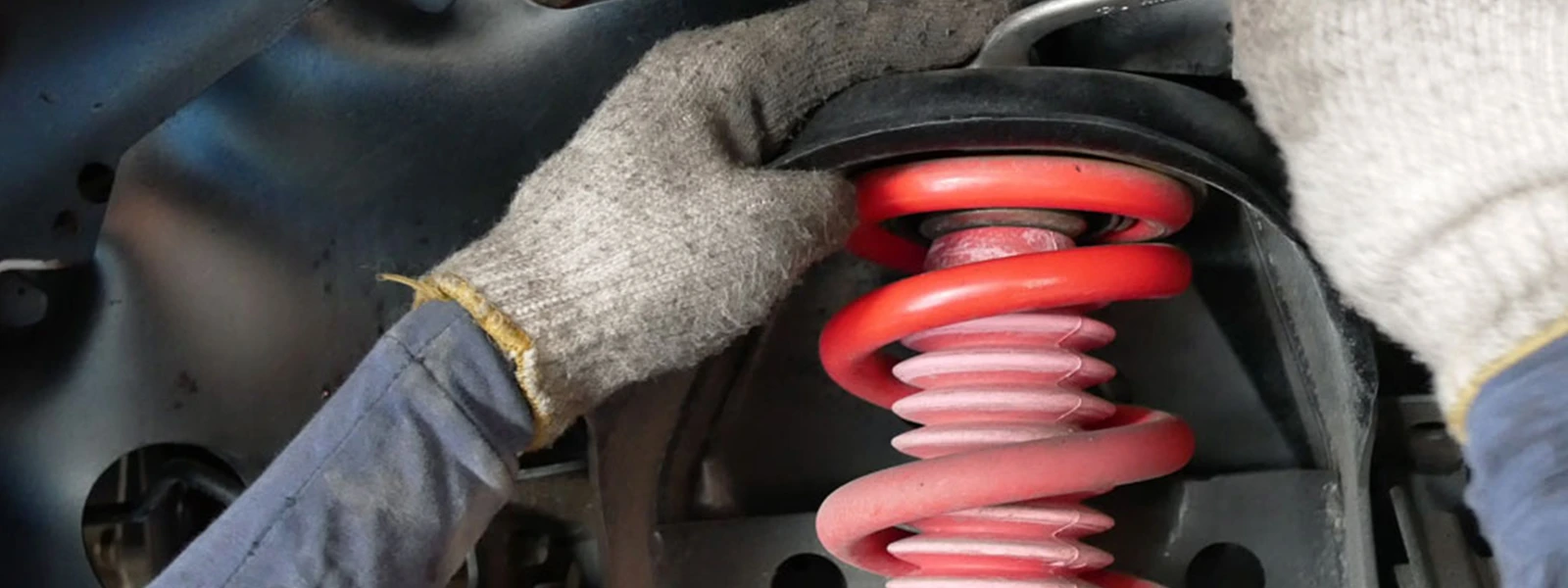
Preventing coil spring issues before they rear their troublesome head is a smart move. Regular maintenance plays a pivotal role in extending the lifespan of these vital components. Firstly, make sure to schedule routine inspections with a trusted mechanic. They can identify early signs of wear and address them before they lead to bigger problems. Additionally, keeping your car's weight within its recommended limits and avoiding overloading can go a long way in preserving coil springs. Lastly, taking it easy on rough roads and pothole-laden streets whenever possible can also help reduce the wear and tear on your suspension system. Remember, a little preventive TLC can keep those coil springs in tip-top shape, ensuring a smoother and safer ride down the road.


