TPMS and Fuel Efficiency

TPMS doesn’t save fuel itself, but prevents low tire pressure that raises rolling resistance, fuel costs, and tire wear.
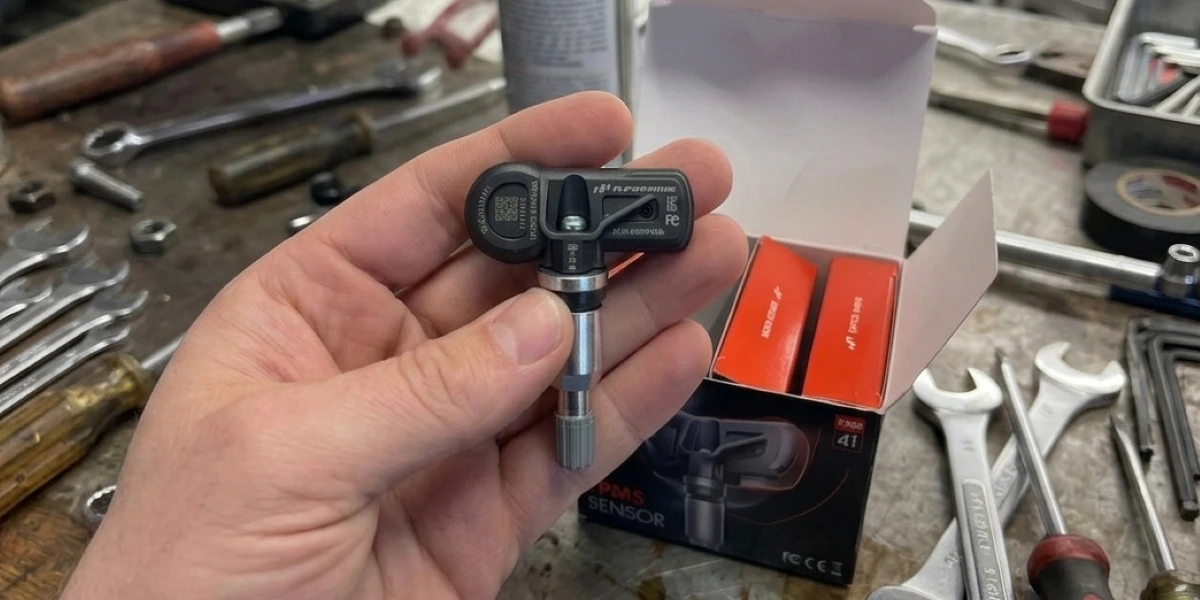


People often misunderstand tpms fuel efficiency. A tire pressure monitoring system doesn’t directly “create” fuel savings. What it does is reduce the chance you drive for weeks with low tire pressure or underinflated tires—conditions that increase rolling resistance and make the vehicle burn more fuel. Bottom line: TPMS itself doesn’t save fuel; maintaining proper tire pressure does. A well functioning tire pressure monitoring system helps you keep properly inflated tires, which supports fuel economy, tire life, and vehicle safety.
Why Low Tire Pressure Increases Fuel Consumption
When air pressure inside the tire drops below the optimal tire pressure (often close to your placard pressure), the tire’s shape changes under load. That change creates real efficiency losses.
First, under inflation increases rolling resistance. The contact patch grows and the sidewall flexes more each wheel rotation. That deformation turns energy into heat instead of forward motion. To maintain speed, the vehicle demands more torque, so fuel consumption rises and gas mileage drops.
Second, low tire pressure builds extra heat. That heat accelerates tread wear and can weaken tire structure over time. This reduces tire health and increases the risk of tire failure or tire blowouts, especially at highway speed or in commercial vehicles with heavier loads.
Third, underinflated tires often wear faster on the shoulders, creating uneven tire wear. That shortens tire longevity, leads to earlier tire replacements, and turns small pressure neglect into costly repairs.
The TPMS Blind Spot: A Warning Threshold Isn’t the Best Pressure
Many drivers treat the TPMS warning light as the only signal that matters. For fuel economy, that’s a mistake.
Most systems alert only after pressure drops past a certain threshold, not when you’ve drifted below “best for efficiency.” Temperature swings can lower inflation pressure overnight, then recover after driving, so you can hover below optimal while still losing fuel economy. Indirect TPMS (using wheel speed sensors) may miss small pressure losses that still matter for fuel savings.
That means you can be burning more fuel even if the warning light hasn’t triggered. A TPMS is a risk-control tool, not a precision optimization tool.
Quantify the Cost: A Simple Annual Fuel-Loss Model
If you want to manage tpms fuel efficiency like a measurable KPI, keep the math simple.
Use a conservative loss range when tires are underinflated:
Mild under inflation: about 1–3% higher fuel consumption
Noticeable under inflation across four tires: about 3–7%+ increased fuel consumption (plus more tire wear)
Then apply this formula:
Annual extra fuel cost = (Annual fuel spend) × (Efficiency loss %)
Example:
Annual fuel spend: $2,400
Efficiency loss: 3%
Extra cost: $2,400 × 0.03 = $72/year
For fleets, it scales fast:
Fleet extra cost = Extra cost per vehicle × number of vehicles
That’s why many fleet managers treat tire management and TPMS sensors as part of fuel cost control and operational stability.
Action Checklist: How to Improve Fuel Economy With TPMS
1. Use placard pressure as the baseline
Check the placard pressure on the driver door jamb. Don’t use the max pressure printed on the tire sidewall as your target.
2. Set a monthly “cold tire” routine
Check tire pressure monthly and before long trips. Measure when tires are cold for accurate readings. Inflate to proper tire inflation (near placard pressure) to reduce rolling resistance and improve fuel economy.
3. Handle the TPMS warning light with a checklist
If the TPMS warning light or “service tire monitor system” appears, confirm pressure with a gauge, inflate to the correct pressure, and inspect for slow leaks (valve stem, puncture, bead seat). If the light persists with correct tire pressure, the issue may be a tire pressure monitoring system fault or a bad sensor.
4. Know when it’s not “just pressure”
Escalate to service if the same tire keeps losing pressure, you see uneven wear patterns, or the vehicle pulls/vibrates. Alignment and suspension issues can accelerate tire wear and indirectly raise fuel costs.
5. For commercial vehicles, treat pressure control as operations hygiene
A well maintained TPMS helps reduce tire failures, prevent tire blowouts, support fuel savings, and avoid operational disruptions. Combine TPMS alerts with scheduled pressure audits for best results.

FAQ
1. Does TPMS improve fuel efficiency by itself?
Not directly. A tire pressure monitoring system helps fuel efficiency by reducing time spent driving on low tire pressure, which increases rolling resistance and fuel consumption.
2. Can gas mileage drop even if the TPMS light is off?
Yes. TPMS triggers at a threshold, not at the optimal tire pressure. You can still lose fuel economy before the warning appears.
3. What tire pressure target improves fuel economy without hurting tire life?
Use placard pressure. It’s designed to balance fuel economy, tire wear, and vehicle safety.
4. Why does low tire pressure increase fuel consumption?
It increases rolling resistance through extra tire deformation and heat, so the vehicle needs more fuel to maintain speed.
5. TPMS warning light is on but tire pressure is normal—what now?
Recheck with a gauge, then consider a sensor issue, a relearn/reset requirement, or a system fault. In many vehicles this shows as “service tire monitor system,” and may indicate the TPMS sensors need attention.


