TPMS Light After Tire Rotation

Learn why the TPMS light turns on after tire rotation and how recalibration helps restore accurate tire pressure monitoring.
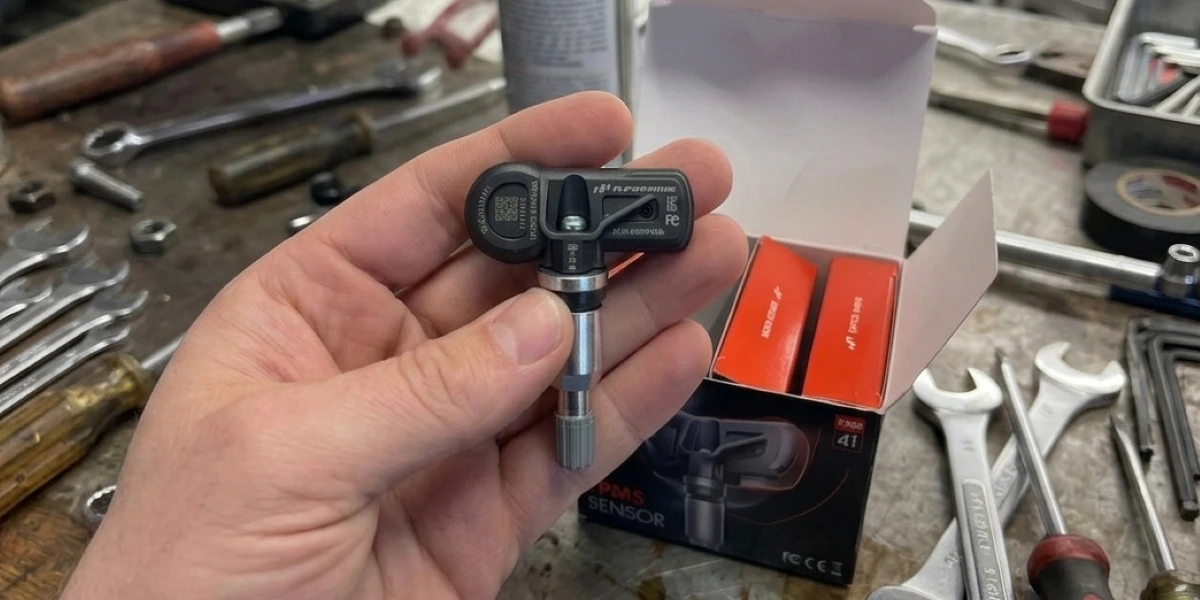


Many drivers are surprised when the TPMS light comes on after tire rotation, even though tire pressure appears normal. This situation is common and usually related to how the tire pressure monitoring system tracks tire position, sensor data, and air pressure changes. Understanding why this happens helps drivers respond correctly and maintain proper tire pressure and vehicle safety.
How Tire Rotation Affects the TPMS System
Tire rotation changes the position of each tire on the vehicle. Front tires move to the rear, rear tires move forward, or tires shift diagonally depending on the rotation pattern. When tires are rotated, the TPMS system may no longer recognize which sensor belongs to which wheel position.
Because the system relies on sensor data linked to specific wheel locations, rotating tires without recalibration can trigger the TPMS warning light.
Tire Pressure Differences After Rotation
Even when tires are inflated to the same pressure, small differences in air pressure can exist between tires. Rear tire pressure may differ slightly from front tire pressure due to load distribution, tread depth, or uneven wear.
After rotating tires, the TPMS system may detect these pressure differences and interpret them as low tire pressure, causing the TPMS light to appear.
TPMS Sensors and Tire Position Changes
Each TPMS sensor is associated with a specific tire position, such as front left or rear right. After rotating tires, those sensors are now in new locations. If the system is not reset or recalibrated, it may misinterpret pressure data from the new positions.
This mismatch between sensor data and tire position is one of the most common reasons the TPMS light turns on after tire rotation.
Direct TPMS and Tire Rotation
Vehicles equipped with direct TPMS use pressure sensors installed inside each tire, often at the valve stem. These sensors provide individual pressure readings for each tire.
After tire rotation, direct TPMS systems usually require a relearn or reset process so the control unit can identify the new sensor locations. Without this step, the TPMS warning light may stay on even when all four tires have proper pressure.
Indirect TPMS and Tire Rotation
Indirect TPMS systems do not use physical pressure sensors. Instead, they rely on wheel speed data from the anti lock brake system. Indirect TPMS measures differences in rotational speed to estimate tire pressure.
After rotating tires, changes in tread depth or wheel position can affect rotational speed, causing the system to detect a pressure imbalance and activate the TPMS light. Indirect systems often require recalibration after rotation to reset baseline values.
When the TPMS Light Appears After Rotation
The TPMS light may appear immediately after rotating the tires or after driving a few miles. In some cases, the light stays on continuously. In others, it may blink briefly before remaining illuminated.
These behaviors indicate that the TPMS system is detecting a mismatch between expected and actual pressure data rather than a sudden tire failure.
Checking Tire Pressure After Rotation
Before assuming there is a TPMS issue, tire pressure should be checked using a tire pressure gauge. Each tire should be inflated to the recommended pressure listed on the driver’s door jamb or in the owner’s manual.
Adding a small amount of air may resolve the warning if one tire is slightly underinflated. Even a little air difference can trigger the TPMS light.
TPMS Reset After Tire Rotation
In many vehicles, a TPMS reset is required after tire rotation. Some vehicles include a TPMS reset button, while others use the infotainment system or automatically recalibrate after driving.
Resetting the TPMS allows the system to relearn sensor locations and pressure baselines, clearing the warning light if no underlying issues exist.
Automatic vs Manual Recalibration
Some TPMS systems recalibrate automatically after a few minutes of driving. Others require a manual reset using vehicle settings, a reset button, or a scan tool.
If the TPMS light stays on after driving and checking tire pressure, a manual reset may be necessary to restore normal operation.
Uneven Wear and Tread Depth Differences
Uneven tire wear and differences in tread depth can affect how the TPMS system interprets pressure and wheel speed data. After rotation, these differences may become more noticeable, especially on vehicles with indirect TPMS.
This can cause the system to detect abnormal rotation patterns and trigger a warning light even when tire pressure is correct.
TPMS Light vs Actual Tire Problems
In most cases, a TPMS light after tire rotation does not indicate tire damage or a serious safety issue. However, it should not be ignored. The warning may reveal low pressure in one tire, a sensor issue, or the need for recalibration.
Addressing the warning promptly helps ensure the TPMS system is working properly and continues to support vehicle safety.
When Professional Assistance Is Needed
If the TPMS light remains on after checking tire pressure and performing a reset, professional assistance may be required. A trained technician can inspect TPMS sensors, verify sensor communication, and recalibrate the system using diagnostic tools.
Persistent warnings may indicate sensor damage, faulty sensors, or the need to replace TPMS sensors.
Final Thoughts
The TPMS light coming on after tire rotation is a common and usually preventable issue. Tire position changes, pressure differences, and sensor recalibration requirements all play a role.
By checking tire pressure, following the manufacturer’s reset procedure, and understanding how the TPMS system works, drivers can keep the system functioning properly and maintain safe tire pressure after every tire rotation.


