TPMS Reset: When and Why It's Needed

Learn when a TPMS reset is needed, why the tire pressure light stays on, and how it restores accurate monitoring.
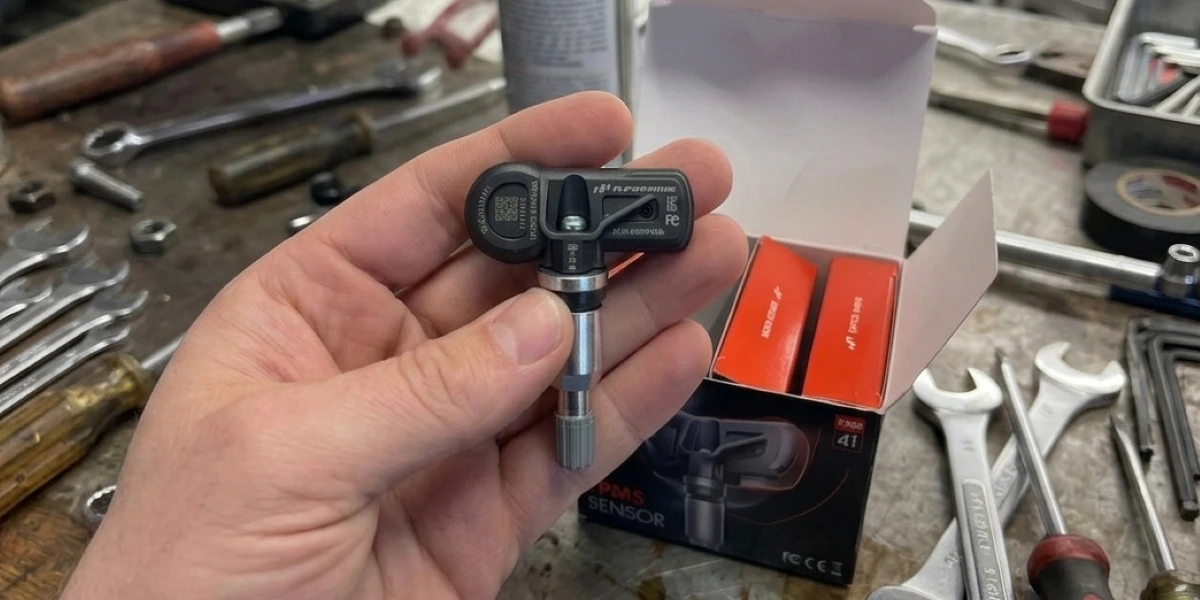


The tire pressure monitoring system (TPMS) is designed to alert drivers when tire pressure falls below the recommended level. In many cases, a TPMS reset is required after adjusting tire pressure, rotating tires, or installing new tires. Understanding when and why a TPMS reset is needed helps ensure accurate pressure monitoring, prevents unnecessary warning lights, and supports overall vehicle safety.
What Is a TPMS Reset?
A TPMS reset is the process of recalibrating the tire pressure monitoring system so it can correctly recognize current tire pressure conditions. Resetting the TPMS does not inflate tires or fix mechanical issues. Instead, it clears stored reference values and allows the system to relearn proper tire pressure levels.
A reset is typically performed when the TPMS warning light remains on even after tires are properly inflated.
Why TPMS Resets Are Necessary
TPMS systems rely on baseline pressure data to detect low tire pressure. When tire pressure is adjusted or when tires are replaced or rotated, the system may no longer recognize the new pressure values correctly. As a result, the tire pressure light may stay on, blink, or trigger inaccurate warnings.
Resetting the TPMS helps the system align with current tire conditions and ensures accurate monitoring.
Common Situations That Require a TPMS Reset
Several routine maintenance scenarios may require a TPMS reset:
-
After adjusting tire pressure to the recommended PSI
-
After tire rotations or wheel changes
-
After installing new tires
-
After seasonal temperature changes, especially cold weather
-
When the TPMS warning light stays on or blinks
These situations can alter pressure readings or sensor positions, causing the system to misinterpret tire pressure.
TPMS Reset and Tire Pressure Adjustment
Before performing a TPMS reset, it is important to check tire pressure using a tire pressure gauge. Tires should be inflated to the recommended pressure listed on the driver’s door jamb or in the owner’s manual.
Resetting the system without properly inflating the tires may result in inaccurate readings and repeated warning alerts. Properly inflated tires are essential for correct TPMS operation.
How TPMS Reset Procedures Work
TPMS reset procedures vary depending on the vehicle manufacturer and TPMS system type. Some vehicles include a TPMS reset button, while others use the infotainment system or require a specific driving sequence.
Common reset methods include:
-
Pressing and holding the TPMS reset button until the warning light flashes
-
Using the vehicle’s infotainment system to initiate a reset
-
Driving the vehicle for several minutes after resetting
-
Using a scan tool to reset the system electronically
The exact reset procedure can be found in the vehicle’s owner’s manual or glove box documentation.
TPMS Reset Button and Manual Reset
Many vehicles are equipped with a TPMS reset button located near the steering wheel, under the dashboard, or inside the glove box. A manual reset usually involves turning the ignition to the “on” position and pressing the reset button until the TPMS light blinks.
After releasing the button, the vehicle may need to be driven for a few minutes to allow the system to complete the reset process.
TPMS Light Behavior After Reset
After a successful reset, the TPMS warning light should turn off once the system recalibrates. If the light remains on or continues to blink, it may indicate an underlying issue such as:
-
A faulty sensor
-
Sensor damage
-
Inaccurate readings
-
Slow leaks
-
Low air pressure in one tire
In these cases, resetting alone will not resolve the issue.
TPMS Reset and Sensor Issues
TPMS sensors are small electronic components installed in the wheels or valve stems. Over time, sensors may become damaged, lose battery power, or provide inaccurate readings.
If a TPMS reset does not clear the warning light, the issue may involve sensor damage or a malfunctioning TPMS system. Persistent warnings should not be ignored, as they may affect vehicle safety.
TPMS Reset and Spare Tires
Some vehicles monitor the spare tire as part of the TPMS system. If the spare tire has low pressure, the TPMS warning light may remain on even after resetting. Checking and inflating the spare tire is sometimes necessary to complete the reset successfully.
Temperature Changes and TPMS Reset
Temperature fluctuations can significantly affect tire pressure. When temperatures drop, air pressure decreases, potentially triggering the TPMS light. In cold weather, a TPMS reset may be needed after reinflating tires to the proper pressure.
Seasonal changes often explain why TPMS issues appear suddenly even without visible tire damage.
TPMS Reset and Vehicle Safety
Maintaining proper tire pressure is critical for vehicle safety. Underinflated tires can increase stopping distance, reduce steering control, and contribute to uneven tire wear or tire damage.
A properly reset TPMS system ensures timely warnings, allowing drivers to address pressure issues before they lead to unsafe driving conditions.
When to Seek Professional Assistance
If the TPMS warning light stays on after multiple reset attempts, professional assistance may be required. Trained technicians can diagnose faulty sensors, reset the system using specialized scan tools, and identify underlying TPMS issues.
Ignoring persistent TPMS warnings can lead to inaccurate pressure monitoring and increased safety risks.
Final Thoughts
A TPMS reset is an important step in maintaining accurate tire pressure monitoring. Resetting the system at the right time helps prevent false warnings, supports fuel efficiency, and ensures the vehicle runs smoothly.
By checking tire pressure regularly, following the manufacturer’s reset procedure, and addressing sensor-related issues promptly, drivers can maintain reliable TPMS performance and support safe driving.


