TPMS Sensor Battery Life

Learn TPMS sensor battery life, failure signs, what shortens lifespan, and when to replace one sensor or all four.
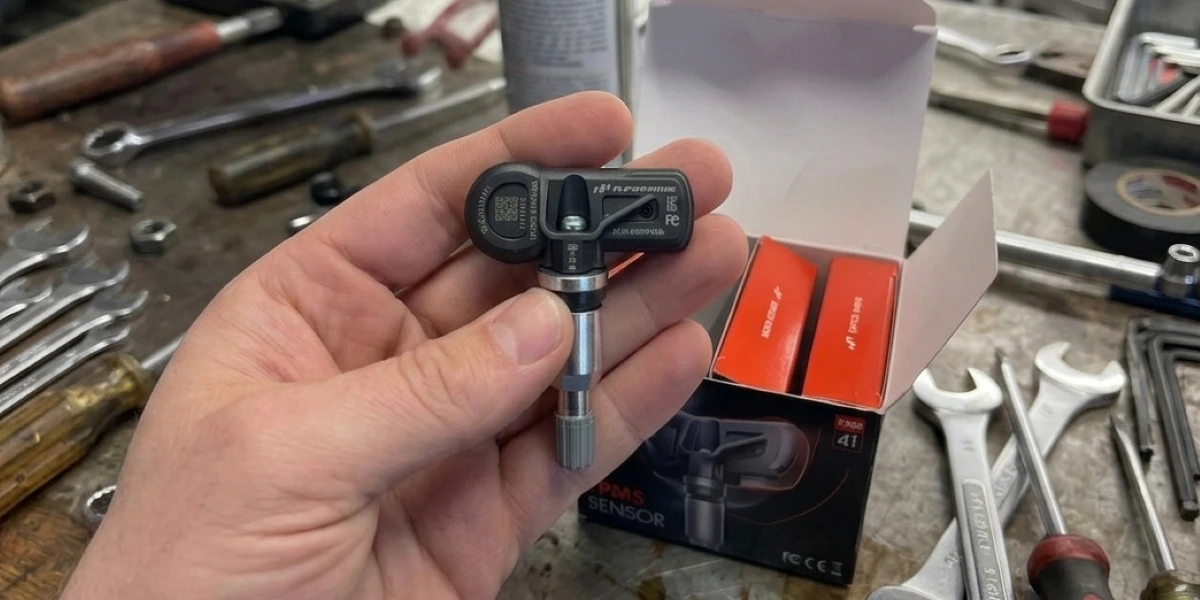


TPMS sensor battery life becomes a real question the moment a TPMS light shows up on your dash and your tire pressure looks fine. Most TPMS sensors use a sealed, built-in battery to power pressure measurement and radio frequency transmissions from inside the wheel. That battery capacity slowly declines until the sensor can’t transmit reliably to the vehicle computer. When that happens, the tire pressure monitoring system may show a warning, flashing behavior, or a sensor malfunction message even though the tires are properly inflated. Understanding lifespan, early failure signs, and replacement choices helps you avoid false alerts and unnecessary trips to a dealership.
What a TPMS Sensor Battery Is and Why It Eventually Dies
A TPMS sensor battery is a small lithium cell built into the sensor housing. It powers three things: the pressure sensor, the internal electronics, and the transmitter that sends data to your vehicle’s system.
It dies for a simple reason: it’s a fixed-capacity battery in a device that keeps working every time the wheel moves. As the car reaches constant speed or changes speeds, the sensor “wakes up” and sends radio frequency transmissions at intervals. More driving time generally means more transmissions, which means more power usage. Over years, the battery life is consumed and the sensor becomes intermittent or dead.
Typical TPMS Battery Life: What Most Drivers Can Expect
There isn’t one universal number for TPMS battery life because designs differ across OEM systems and sensor generations. That said, most TPMS sensors are built to last for years under normal driving, not months.
Battery lifespan tends to be shorter when:
-
The vehicle is driven frequently or long distances (more motion, more transmissions)
-
The car sees lots of stop-and-go driving (more wake cycles)
-
The wheels experience harsh conditions (repeated heat/cold swings, winter weather, corrosion)
Practically, if your vehicle is older and still running original OEM sensors, it’s common for multiple sensors to approach end-of-life around the same period.
Signs Your TPMS Sensor Battery Is Failing
A weak sensor battery doesn’t always fail instantly. Many drivers see intermittent behavior first, especially with temperature changes.
Common signs include:
-
The TPMS light turns on, then goes off after driving, then returns later
-
The TPMS light flashes before staying solid (often indicating a system fault rather than low tire pressure)
-
You confirm tire pressure with a tire pressure gauge, but the warning remains
-
One wheel repeatedly shows wrong readings or no reading while the other tires look normal
-
The system reports a sensor malfunction or “service tire monitor system” message
If tire pressure is correct and the warning persists, a failing TPMS sensor battery becomes a top suspect.
What Shortens TPMS Sensor Battery Life
TPMS sensor battery life is impacted by usage and environment. The biggest factors are operational, not brand claims.
Key factors that reduce battery life:
-
High annual mileage and frequent driving at sustained speeds (more transmissions)
-
Stop-and-go driving and short trips (more wake/sleep cycles)
-
Extreme cold weather and heat (adds strain to batteries over time)
-
Long periods of inactivity (batteries still self-discharge slowly, and age still matters)
Also note: tire service doesn’t “drain” batteries directly, but it can expose older sensors to physical stress. If a shop handles the sensor roughly or reuses damaged components, it can cause failure that looks like a battery problem.
Do TPMS Batteries Get Replaced, or Do You Replace the Whole Sensor?
For most factory-style direct TPMS sensors, the battery is not replaceable. The sensor is designed as a sealed unit, so when the battery dies, you replace the sensor.
Some aftermarket designs market “replaceable” batteries, but many vehicles still use sealed OEM-style sensors. From a reliability standpoint, replacing the full sensor is often the standard approach because it restores signal strength and reduces repeat issues.
If you’re shopping for a replacement, focus on:
-
OEM compatibility for your vehicle system
-
Correct frequency and fitment
-
Stable radio frequency transmissions and signal reliability
-
Quality valve stem sealing to prevent slow leaks
For compatible replacement options, start here: TPMS sensors.
When to Replace One TPMS Sensor vs All Four
This is a cost and risk decision.
Replace one sensor when:
-
Only one wheel shows a consistent sensor malfunction
-
The other sensors are newer, or you have confirmed they’re healthy
Consider replacing all four when:
-
The sensors are original and similar age
-
Multiple sensors are showing intermittent behavior
-
You want to avoid repeated tire removal labor over the next year
For many drivers, the labor of breaking down the tire can be a bigger cost driver than the sensor itself, so bundling replacements can reduce repeat service.
How to Confirm It’s a Battery Issue (Not Low Tire Pressure)
Use this simple order of operations:
-
Check tire pressure cold with a tire pressure gauge and inflate to the recommended tire pressure
-
Drive a short distance and see if the warning clears
-
If the TPMS light flashes or returns frequently, it’s more likely a sensor or system issue than actual low pressure
-
Have a shop scan the TPMS system with a tool to identify which sensor is weak or dead
This approach prevents you from replacing sensors unnecessarily and keeps your tires properly inflated for safety and fuel efficiency.
FAQ
1) How long do TPMS sensors last on average?
Most TPMS sensors last several years, but TPMS sensor battery life varies by vehicle, driving habits, and conditions.
2) Can cold weather make a dying TPMS battery act worse?
Yes. Cold temperatures can reduce battery performance and signal strength, making intermittent failures show up more often.
3) My tire pressure is correct—why is the TPMS light still on?
If pressure is correct, the cause is often a TPMS sensor battery nearing end-of-life or a system malfunction that needs diagnosis.
4) Do I have to go to the dealership to replace a TPMS sensor?
Not always. Many tire shops can replace and program compatible sensors, as long as the sensor matches your system and frequency.
5) Is it worth replacing all four sensors at once?
If the sensors are the same age and one has died, replacing all four can reduce repeat labor and prevent additional failures soon after.


