Does TPMS Monitor the Spare Tire?

Explains when TPMS monitors a spare, why warnings appear after swaps, and how to check spare tire pressure.
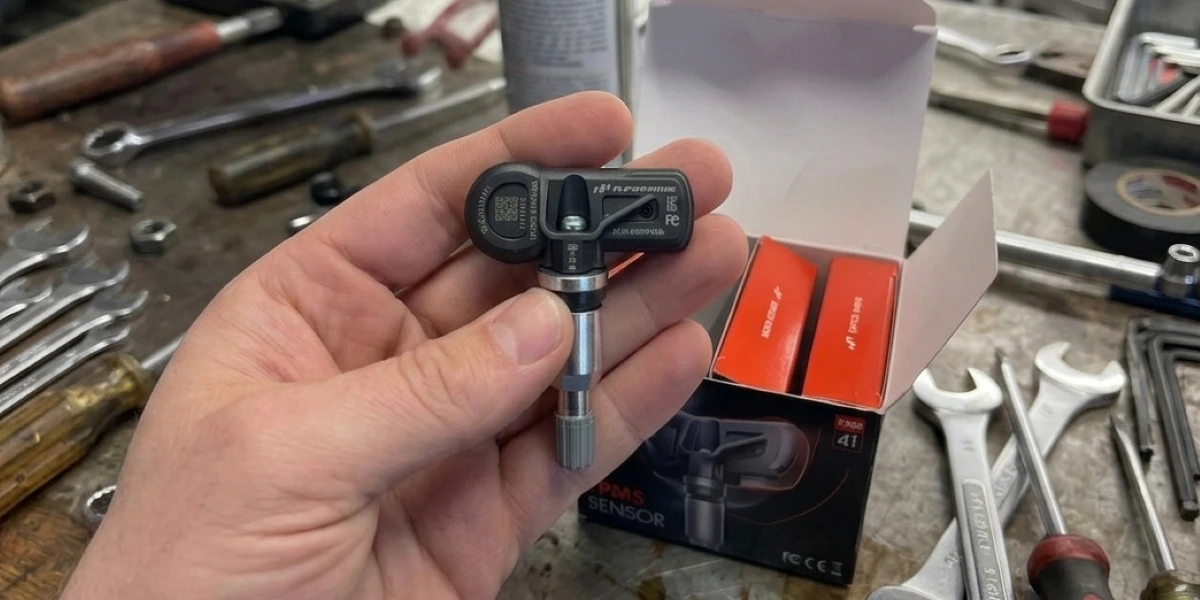
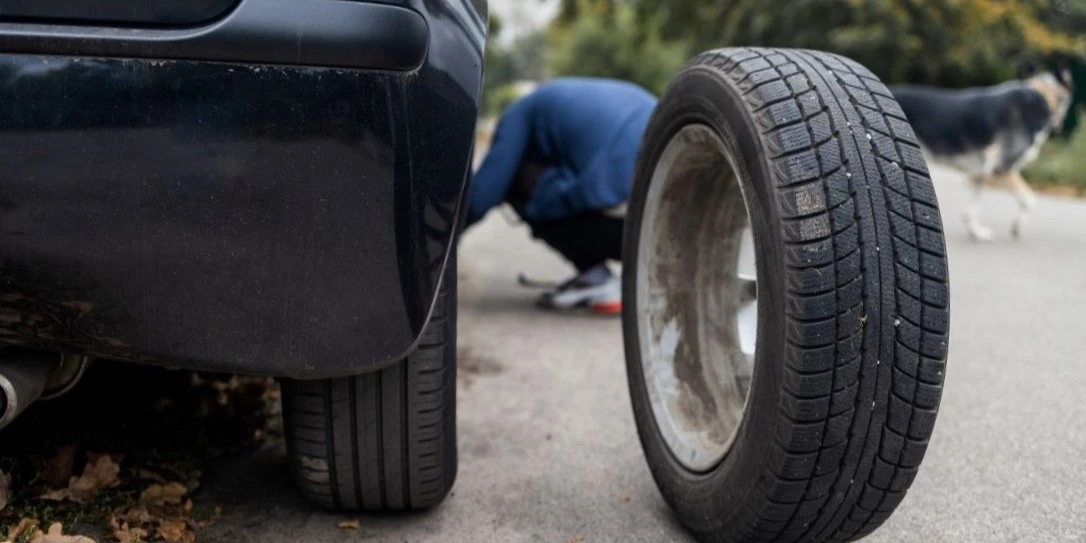

Many drivers assume the tire pressure monitoring system watches every tire on the vehicle, including the spare. In reality, tpms spare tire behavior depends on how your vehicle is built, what type of spare tire you have (full size vs temporary), and whether a tpms sensor is mounted on the spare wheel. This matters because a flat spare tire is still a safety risk. If you discover a completely flat spare when you need it most, you lose time, add cost, and increase roadside exposure. A well-maintained tire pressure monitoring system helps reduce surprises, but spares are a special case.

When TPMS does monitor the spare tire
TPMS may monitor the spare tire when the spare wheel has an installed tire pressure sensor and the tpms system is programmed to recognize it. This is more common when:
-
The vehicle uses a full size spare tire that matches the other tires and is mounted on a compatible rim
-
The spare is regularly rotated into service, so the vehicle treats it like a normal wheel position
-
The manufacturer designed the system to track individual pressure for five tires, not just four
In these setups, spare tire pressure can be visible as an individual pressure reading on the dash or in a vehicle menu. If the spare loses air pressure and drops below the correct pressure threshold, the tpms light or low tire pressure light can trigger.
When TPMS does not monitor the spare tire
In many vehicles, TPMS only monitors the four tires that are mounted and actively used. The spare tire may not be monitored if:
-
The spare wheel has no tpms sensor installed
-
The spare is a temporary “donut” size spare, and the system isn’t configured to read it
-
The spare is stored under the vehicle or inside the trunk without being “seen” by the system
-
The vehicle computer is designed to track only four sensors at a time
In these cases, your spare tire pressure can drop slowly for months without any warning light. You may still get a tpms light if one of the four tires is low, but the spare can be at improper pressure with no dashboard alert.
Why you can get a TPMS light after installing a spare
If you put on the spare tire after a flat tire, you may see a warning light even if you inflate the spare to the proper pressure. Common reasons include:
-
The spare wheel has no pressure sensor, so the system detects a “missing sensor” and flags a fault
-
The spare has a bad sensor or a dead sensor battery, so it can’t transmit reliably
-
You installed a wheel with a sensor ID the car doesn’t recognize, especially after new tires or new sensors
-
The tpms system needs a relearn/reset process after swapping wheels
Some vehicles show the tpms light and others display a system fault message. A tire shop can confirm sensor status quickly with a scan tool, and compatible replacement sensors can be sourced from TPMS sensors.
How to keep spare tire pressure at the correct level
Because tpms spare tire monitoring is inconsistent across models, the safest approach is to manage the spare manually.
Use this simple routine:
-
Check spare tire pressure at least every 1–3 months, especially before road trips
-
Use a tire pressure gauge when the tire is cold for a consistent reading
-
Inflate to the correct pressure listed on the driver door sticker or owner’s manual
-
Inspect the tire valve for slow leaks and verify the cap is present
-
If your spare is stored underneath the vehicle, inspect for damage and air loss more frequently
If you rely on remote start and short driving cycles, remember that the spare can still lose air while the vehicle seems “fine” day-to-day.
Full size spare vs temporary spare: what changes
Full size spare tire:
-
More likely to have a tpms sensor if it’s mounted and intended for rotation
-
Easier to keep at the same recommended psi as the other tires
-
Better for maintaining vehicle safety and handling
Temporary spare (donut):
-
Often uses a higher inflation requirement and different size
-
Less likely to be monitored by the tpms system
-
More likely to trigger a warning light or fault when installed
Either way, the spare wheel should never be ignored. A spare at low pressure can be unsafe even for a short drive.
FAQ
1) Does TPMS monitor the spare tire on most cars?
Not always. Many vehicles only monitor the four mounted tires. Monitoring the spare depends on whether the spare has a tpms sensor and system support.
2) Why is my TPMS light on after I installed the spare tire?
Common causes include a missing sensor in the spare wheel, a bad sensor, a dead sensor battery, or the need for a relearn/reset after wheel changes.
3) How do I know the correct spare tire pressure?
Use the driver’s door sticker or owner’s manual. Don’t guess and don’t rely on the tire sidewall as your target.
4) If the spare isn’t monitored, how often should I check it?
Check spare tire pressure every 1–3 months and before long trips. Use a tire pressure gauge when the tire is cold.
5) Can a tire shop add a TPMS sensor to my spare wheel?
Often yes, if the rim supports a valve-mounted sensor and your vehicle system can recognize it. A shop can verify compatibility and program the sensor if needed.


