Understanding Brake Hydraulic Hoses for Safe and Reliable Braking

Learn about the importance of brake hydraulic hoses in maintaining safe and reliable braking, including how they work, signs of wear and tear, and tips for replacement.
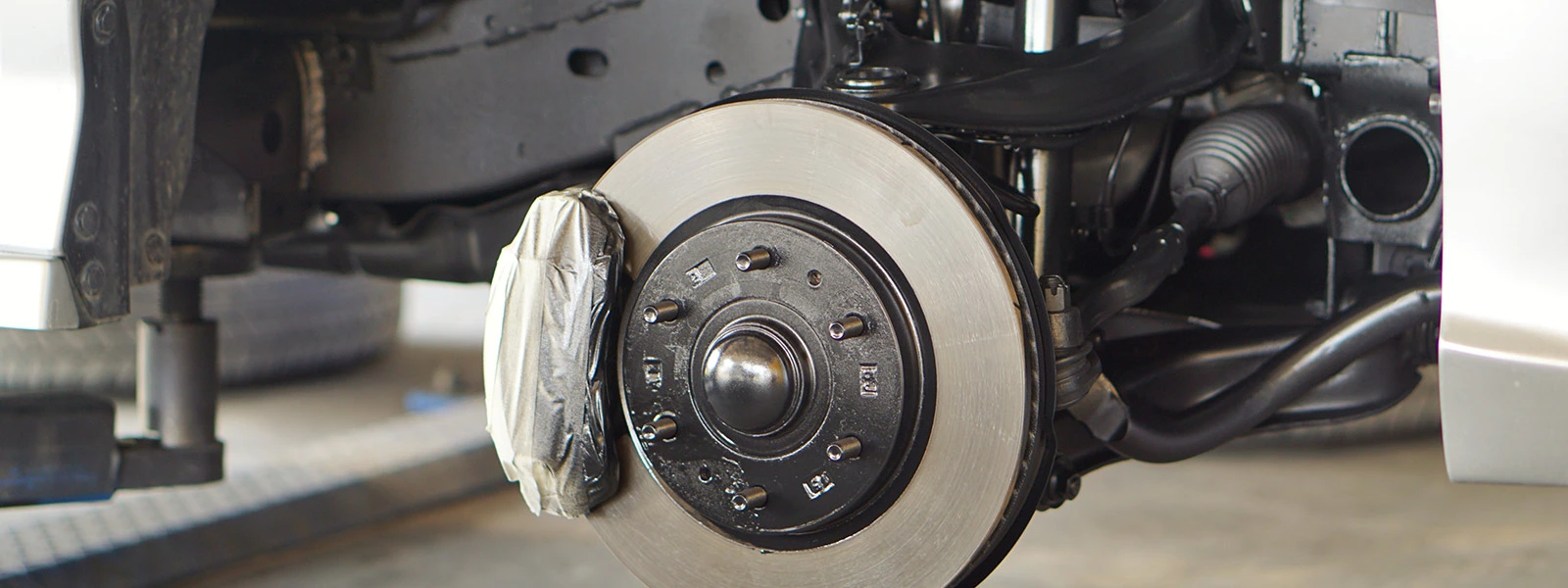
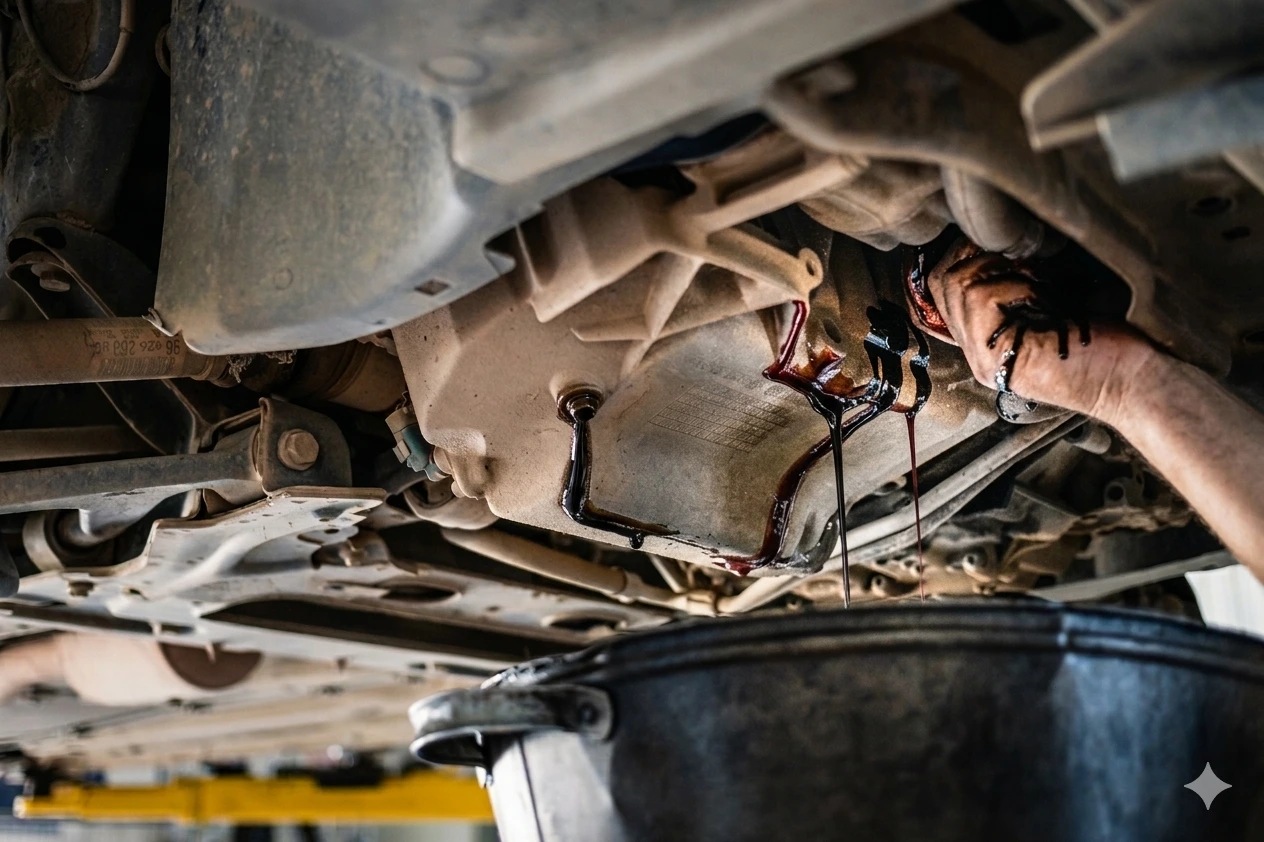
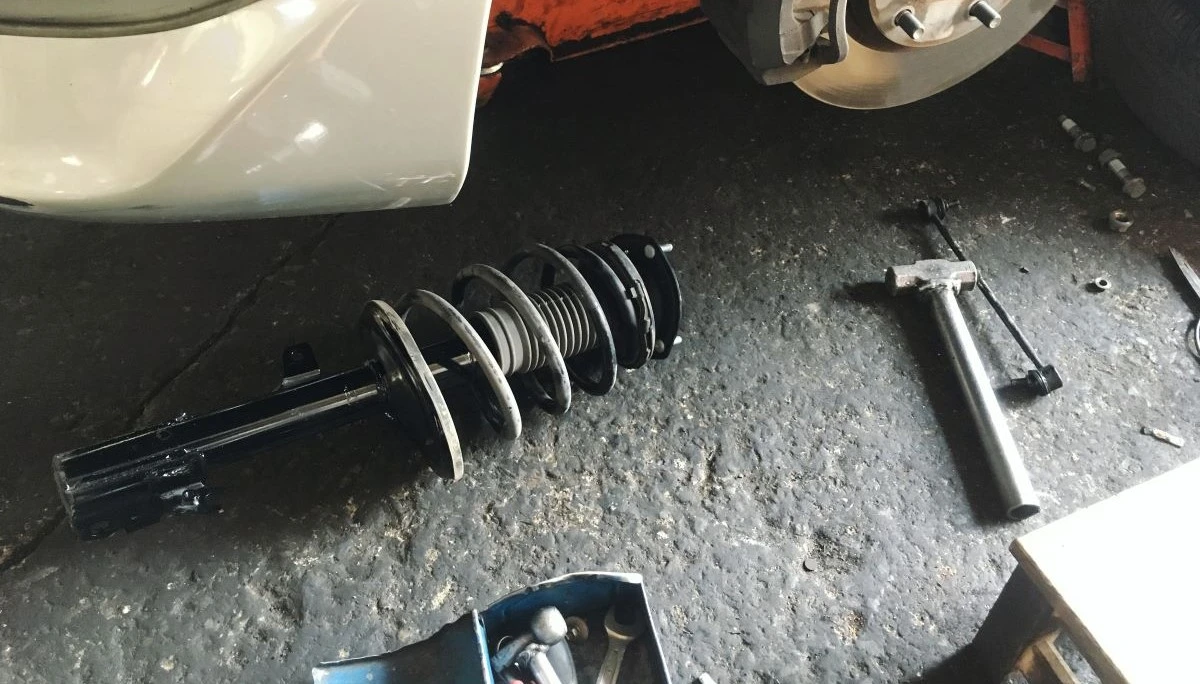
Are you a car enthusiast who loves to get under the hood and understand the inner workings of your vehicle? If so, you may have come across the term "brake hydraulic hose" during your exploration of braking systems. Brake hydraulic hoses are a vital component of any vehicle's braking system, allowing for the transfer of hydraulic fluid and the subsequent application of pressure to stop the vehicle. Understanding the importance of these hoses and their role in safe and reliable braking is crucial for any car owner or enthusiast. In this blog post, we will dive into the world of brake hydraulic hoses, exploring what they are, why they're important, how to check and replace them. So buckle up and get ready to learn more about this essential component of your vehicle's braking system.
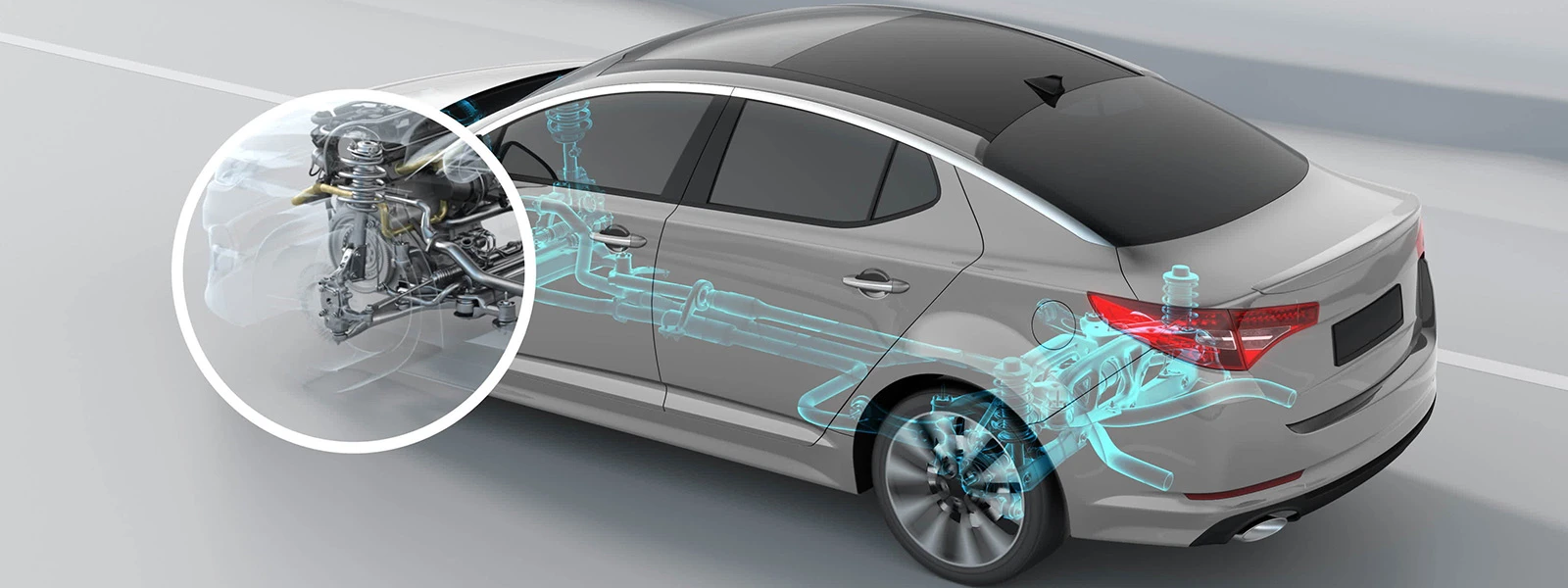
What are Brake Hydraulic Hoses?
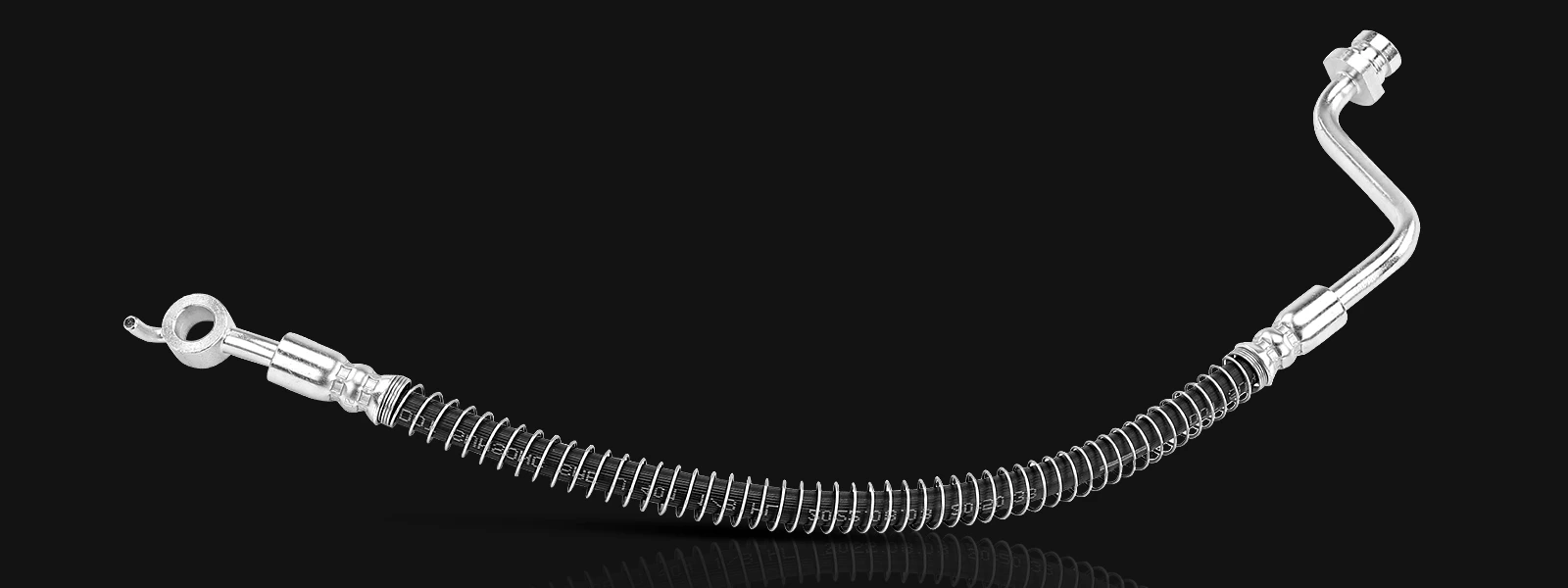
Brake hydraulic hoses are an essential component of any vehicle's braking system, responsible for the safe and efficient transfer of hydraulic fluid from the master cylinder to the brake calipers. They act as the link between the brake lines and the brake calipers, allowing for the application of pressure that ultimately stops the vehicle.
Types of brake hydraulic hoses
There are two main types of brake hydraulic hoses: rubber and braided stainless steel. Rubber hoses are the most common and affordable option, but they can deteriorate over time and may not hold up to extreme temperatures or pressures. Braided stainless steel hoses, on the other hand, are more durable and can handle higher pressures and temperatures. They are often used in high-performance vehicles or in racing applications.
Understanding the different types of brake hydraulic hoses and their functions is crucial for ensuring the safety and reliability of your vehicle's braking system. In the following sections, we will dive deeper into the importance of these hoses and how to maintain them to ensure optimal performance.
Why are Brake Hydraulic Hoses Important?
Brake hydraulic hoses play a critical role in the overall function of a vehicle's braking system. Without them, the transfer of hydraulic fluid from the master cylinder to the brake calipers would not be possible, rendering the braking system useless.
However, worn or damaged brake hydraulic hoses can be extremely dangerous, as they can lead to brake failure and potentially cause accidents. The constant exposure to high pressure and heat can cause rubber hoses to deteriorate over time, leading to cracks, leaks, or even complete failure. Similarly, braided stainless steel hoses can also suffer from fatigue or damage from impacts.
Regular brake maintenance and inspection is crucial to ensure the proper functioning of the brake hydraulic hoses. Any sign of wear, damage, or leaks should be addressed immediately to prevent potential accidents. It is recommended that brake hoses be inspected at least once a year or during routine brake maintenance.
In summary, brake hydraulic hoses are essential for the safe and reliable operation of a vehicle's braking system. Regular inspection and maintenance are crucial for preventing potential brake failures that can lead to accidents. It is important to choose high-quality brake hydraulic hoses and have them installed by a professional to ensure maximum safety and performance.
How to Check Brake Hydraulic Hoses?
Regular inspection of brake hydraulic hoses is important to prevent potential brake failures and ensure maximum safety and performance. Here is a step-by-step guide on how to check brake hydraulic hoses:
- Start by examining the brake hydraulic hoses visually. Check for any signs of cracks, cuts, abrasions, or leaks in the rubber or braided stainless steel hoses.
- Move the hoses around gently and check for any signs of bulges or deformities, which can indicate damage to the reinforcement layers inside the hose.
- Check the connections between the brake hydraulic hoses and the brake calipers and master cylinder for any signs of leaks or corrosion.
- Finally, test the hoses for flexibility by gently bending them back and forth. They should be firm and not crack or kink under pressure.
Signs of worn or damaged brake hydraulic hoses
- Soft or spongy brake pedal
- Brake fluid leaks
- Reduced braking performance or longer stopping distances
- Squealing or grinding noises when applying the brakes
- Brake warning light on the dashboard
If you notice any of these signs or detect any issues during the inspection, it is important to have your brake hydraulic hoses checked and replaced by a professional mechanic to prevent potential brake failures and ensure maximum safety on the road.
How to Replace Brake Hydraulic Hoses?
Replacing brake hydraulic hoses can seem like a daunting task, but it is essential for ensuring the safety of your vehicle. Here is a step-by-step guide on how to replace brake hydraulic hoses:
- Gather the necessary tools and supplies: You will need a wrench, a new brake hydraulic hose, a container for catching brake fluid, and fresh brake fluid.
- Locate the brake hydraulic hose that needs to be replaced: This is typically found near the brake caliper or the master cylinder.
- Remove the old brake hydraulic hose: Use a wrench to remove the fittings that hold the brake hydraulic hose in place. Be sure to catch any brake fluid that drips out of the hose.
- Install the new brake hydraulic hose: Attach the new hose to the brake caliper or master cylinder using the same fittings that were used for the old hose.
- Bleed the brake system: This is necessary to remove any air that may have entered the brake lines. Follow the manufacturer's instructions on how to bleed the brakes properly.
- Test the brakes: Make sure that the brakes are functioning properly before driving your vehicle.
Necessary tools and safety precautions
When replacing brake hydraulic hoses, it is important to take the necessary safety precautions. Always wear protective eyewear and gloves when working with brake fluid. Be sure to dispose of any used brake fluid properly, as it can be harmful to the environment.
Regular brake maintenance and inspection can help prevent the need for brake hydraulic hose replacement. Be sure to check your brake hydraulic hoses for signs of wear or damage, such as cracks or bulges. If you notice any issues, it is important to have them replaced as soon as possible to ensure the safety of your vehicle.
Top Brake Hydraulic Hoses Brands
When it comes to choosing the best brake hydraulic hoses, it's important to consider reliable and reputable brands that offer high-quality products. One such brand is A-Premium, whose mission is to build a framework that makes auto repairs predictable.
Premium is dedicated to manufacturing the highest quality car parts and fulfilling the after-market requirements around the world. We offer one of the most comprehensive ranges of auto parts and services directly to consumers. A-Premium's commitment to quality and reliability has made us one of the top recommended brands for brake hydraulic hoses.
Our brake hydraulic hoses are made with high-quality materials and are designed to withstand the harsh conditions of the road and are suitable for different types of vehicles and driving needs. Our brake hydraulic hoses are known for their durability, longevity, and high performance.
Final Thoughts
It's crucial to ensure that your brake hydraulic hoses are in good condition and working properly to ensure safe and reliable braking. Regular inspection and maintenance of your brake hydraulic hoses can help you identify any wear or damage, preventing potential safety hazards on the road. In case of any issues, it's essential to replace your brake hydraulic hoses with high-quality and reliable ones to ensure proper functioning of your braking system.
We encourage you to take action and prioritize the safety of yourself and others on the road by maintaining and replacing your brake hydraulic hoses as needed. Stay vigilant and keep your braking system in top condition to ensure a safe and enjoyable driving experience.


