Universal TPMS Sensor Explained

Universal TPMS sensors explained: how they work, why programming matters, and accurate tire pressure monitoring.
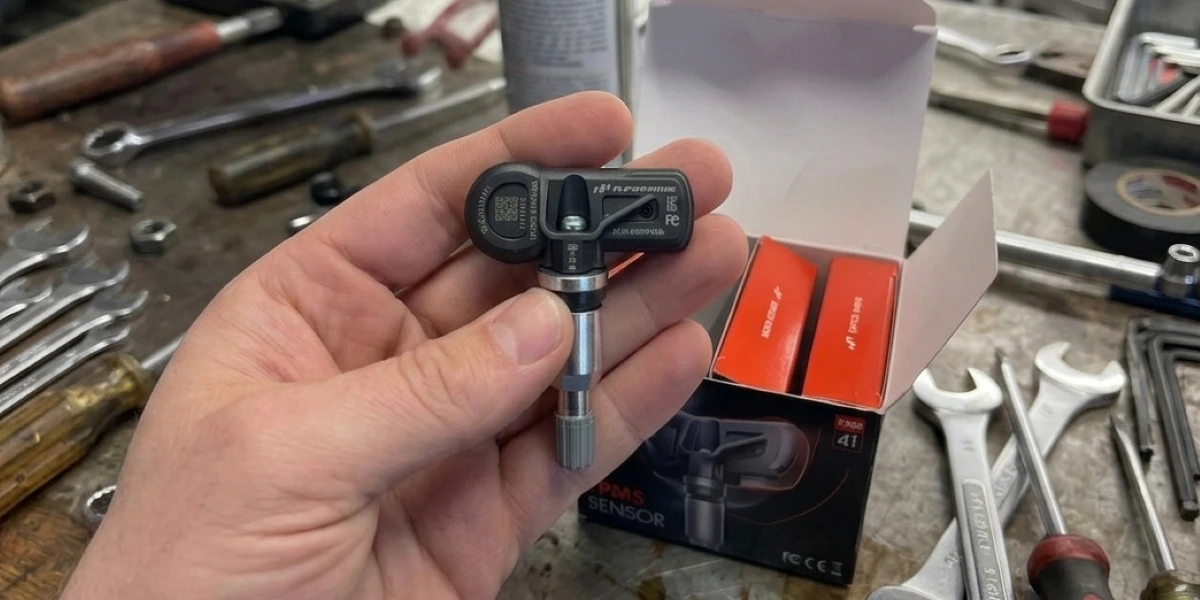


A universal TPMS sensor is designed to support a wide range of vehicles while maintaining accurate tire pressure monitoring across different TPMS systems. As tire pressure monitoring systems have become standard for vehicle safety, many drivers, repair shops, and fleet operators turn to universal TPMS sensors as a flexible aftermarket solution. This guide explains how a universal TPMS sensor works, why programming is required, and what factors matter most for compatibility, performance, and long-term reliability.
What Is a Universal TPMS Sensor?
A universal TPMS sensor is an aftermarket tire pressure monitoring sensor engineered to work across multiple vehicle models rather than fitting only one specific application. Unlike OE sensors that are built for a single vehicle platform, a universal TPMS sensor uses adaptable firmware and hardware to support a wide range of TPMS systems. This single sensor approach simplifies inventory, replacement, and service while still delivering accurate tire pressure and temperature readings. In today’s market, universal TPMS sensors have become a common alternative to OE sensors due to their flexibility and availability.
How a Universal TPMS Sensor Works Inside the TPMS System
Within the TPMS system, the sensor is mounted at the wheel, typically integrated with the valve stem. It continuously measures tire pressure and air temperature inside the tire, converting air pressure data into electronic signals. These signals are transmitted wirelessly to the vehicle’s TPMS system, allowing the vehicle to monitor pressure changes in real time. When tire pressure drops below the recommended level or fluctuates due to temperature changes, the system alerts the driver to maintain proper inflation and safety.
Universal TPMS Sensor vs OE Sensors: What’s the Real Difference?
OE sensors are designed for direct fit and are programmed specifically for a single vehicle model by the manufacturer. Universal TPMS sensors, by contrast, are designed for the broader aftermarket and can be programmed to match different vehicle requirements. While OE sensors offer exact factory specifications, universal TPMS sensors provide wider compatibility and faster availability in the replacement market. For many service shops and drivers, the performance difference is minimal when the sensor is properly programmed and installed.
Do Universal TPMS Sensors Need to Be Programmed?
Yes, most universal TPMS sensors must be programmed before they can communicate correctly with a vehicle. Programming assigns the correct sensor ID and protocol so the TPMS system can recognize the sensor. This process may involve a relearn procedure or the use of a programming tool, such as those commonly used in professional service environments, including Autel devices. Without proper programming, the TPMS sensor cannot function as intended, even if it is physically installed.
What Happens If a TPMS Sensor Is Installed Without Programming?
If a TPMS sensor is installed but not programmed, the vehicle may display a low pressure or TPMS warning on the dashboard despite proper tire inflation. This situation can confuse drivers and reduce confidence in the system. An unprogrammed sensor does not provide accurate pressure data to the vehicle, which can affect safety, handling, and overall driving confidence. Proper programming ensures that the TPMS system receives reliable data and functions as designed.
Valve Stem, Rubber, and Fit: Installation Factors That Matter
Installation quality plays a critical role in TPMS sensor performance. The valve stem, whether rubber or metal, must be compatible with both the wheel and the sensor design. Incorrect valve fit or improper installation can lead to air leaks, inaccurate pressure readings, or sensor damage. Ensuring the correct valve stem type and secure fit at the wheel helps maintain stable air pressure monitoring and extends sensor lifespan.
Performance and Accuracy: Are Universal TPMS Sensors Reliable?
When properly programmed and installed, a universal TPMS sensor can deliver accurate and consistent performance. These sensors are tested to measure tire pressure and temperature under normal driving conditions and are designed to meet industry standards for accuracy. Long-term reliability depends on correct installation, stable air pressure, and proper support from the TPMS system. In many cases, universal TPMS sensors perform comparably to OE sensors when used correctly.
When to Replace, Reprogram, or Relearn a TPMS Sensor
Not every TPMS issue requires sensor replacement. Some situations only need reprogramming or a relearn process, such as after tire rotation or wheel replacement. Replacement is typically necessary when a sensor fails electronically, no longer holds air pressure accurately, or cannot be recognized by the vehicle despite proper programming. Understanding when each action is needed helps avoid unnecessary costs and restores TPMS functionality efficiently.
Benefits of Choosing a Universal TPMS Sensor
Universal TPMS sensors offer clear benefits in flexibility, availability, and service efficiency. A single sensor option reduces inventory complexity, supports faster installation, and simplifies maintenance across different vehicle models. For shops and drivers alike, universal TPMS sensors provide an easy and effective option to maintain tire pressure monitoring without sacrificing safety or performance.
Final Checklist Before Buying a Universal TPMS Sensor
Before purchasing a universal TPMS sensor, ensure compatibility with your vehicle model and TPMS system. Confirm that the sensor supports the required programming or relearn process and matches the correct valve stem type. Verifying these factors helps ensure proper fit, accurate pressure monitoring, and reliable performance over time.
FAQ
Are universal TPMS sensors compatible with all vehicles?
Universal TPMS sensors support many vehicles, but compatibility depends on the TPMS system and programming capability.
Do all universal TPMS sensors require programming?
Most universal TPMS sensors must be programmed or relearned to communicate correctly with the vehicle.
Can a TPMS sensor work if air pressure is correct but the warning light stays on?
Yes, if the sensor is not programmed or recognized by the TPMS system, the warning light may remain on even when tire pressure is correct.


