
What a bad mass airflow sensor looks and feels like

A bad Mass Airflow Sensor (MAF) can lead to engine issues. Use an OBD2 scanner to diagnose problems and replace with a quality aftermarket sensor for better performance.
Suggested A-Premium Air Flow Sensors


A mass airflow sensor (MAF) is a crucial component in modern engine management systems, particularly in vehicles with internal combustion engines. Its primary function is to measure the amount of air entering the engine's intake system. This information is essential for the engine control unit (ECU) to calculate and regulate the correct air-to-fuel ratio for combustion, ensuring optimal engine performance, fuel efficiency, and emission control.
Understanding the mass airflow sensor: Key insights
Let's dive into the fundamentals of a mass airflow sensor (MAF). This crucial component communicates with the engine control unit (ECU), providing data on the volume of air entering the engine, usually measured in grams per second (g/s). Its operation relies on a heated element that stays hot through a current flow. As air passes over this element, it cools down, and the ECU adjusts the current to maintain its temperature. The amount of current required correlates directly with the mass of air passing through, hence providing the airflow measurement.
Some MAF sensors, like the one in your vehicle, incorporate a reference cold circuit. This circuit emits a square wave with a frequency that varies based on the airflow. This data, typically updated around ten times per second, offers real-time information for the ECU to adjust fuel delivery accordingly.
Under normal conditions, this data should exhibit slight fluctuations, corresponding to changes in rpm and throttle position. Additionally, a baseline measurement at idle, usually close to the engine's displacement volume, is expected. For instance, with a warm engine and the AC off, your idle measurement sits around 4.7 g/s.
The MAF sensor and Oxygen (O2) sensors operate in tandem, forming a closed-loop control system. They measure oxygen levels in and out, allowing the ECU to fine-tune the air-fuel mixture for optimal performance. Without an MAF sensor, the system operates in open-loop control, still functional but not as precise. However, a malfunctioning MAF sensor disrupts this process, leading to erratic idling and performance issues. In your case, you've experienced rpm fluctuations, almost stalling out, and dimming lights, particularly noticeable during light braking.
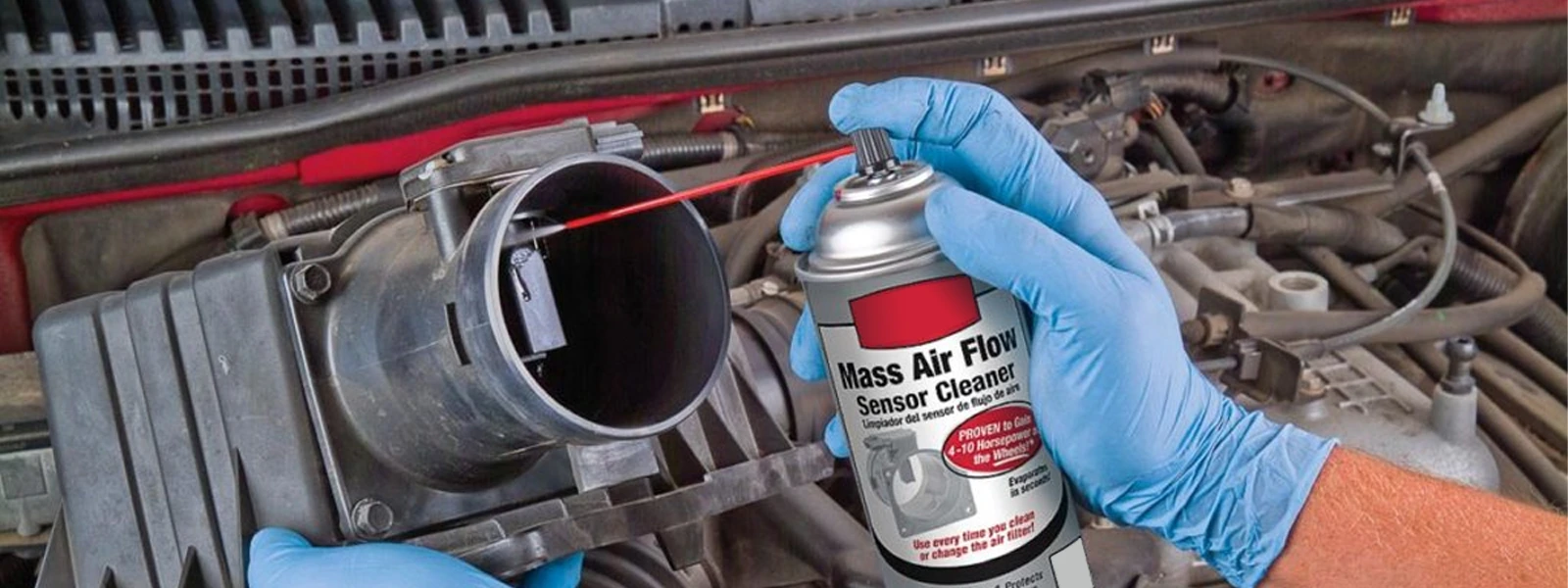
Typically, cleaning the MAF sensor with a specialized cleaner resolves issues arising from bad readings. It's a simple task, taking about five minutes, and often restores normal operation. However, in your situation, despite cleaning attempts, the problem persists, indicating potential underlying issues beyond mere contamination.
Decoding MAF sensor issues: Insights from OBD2 scanner data analysis
Identifying a faulty MAF sensor: Insights from OBD2 scanner data analysis. In my quest to troubleshoot engine issues, I utilized a Wi-Fi OBD2 scanner paired with my iPhone, ultimately capturing undeniable evidence of my MAF sensor misbehaving. The anomalies were glaringly obvious: 1. Flat lines: A stark deviation from the norm, flat lines in MAF sensor readings are a red flag. Engine operation isn't smooth enough nor intake airflow precise enough to warrant perfectly steady readings. Even the slightest variation, typically around 0.01 g/s, is expected with each reading. While observing the data, I noted a period of relatively consistent yet jagged readings, followed by a distinct instance of a flat line. Interestingly, engaging the accelerator sometimes restored normal function. 2. Abnormally low readings: The MAF sensor readings dipped well below idle levels, a scenario deemed practically impossible under normal circumstances. This observation sheds light on the telltale symptoms of a malfunctioning or dirty MAF sensor, underscoring the importance of troubleshooting steps before investing in a replacement unit. Moreover, it offers a glimpse into the data output that can be gleaned from such diagnostic tools, providing invaluable insights for vehicle maintenance and repair enthusiasts. Hopefully, this analysis proves insightful to fellow enthusiasts, offering guidance on identifying MAF sensor issues and navigating potential solutions.
Recommendations for dealing with a faulty MAF sensor
Opting for aftermarket auto parts replacement involves choosing components for your vehicle that third-party manufacturers produce. Here are some reasons why you might consider aftermarket parts: Variety and availability: Aftermarket parts are produced by numerous companies, leading to a wide range of options and availability. Performance upgrades: Some aftermarket parts are designed to enhance the performance of your vehicle.
Prioritize safety: If your MAF sensor malfunctions, it's preferable to unplug it rather than continue to drive with a broken one. Driving with a faulty MAF sensor can lead to further engine issues and potentially compromise safety.
Use accelerator wisely: In case of a malfunctioning MAF sensor, you can use the accelerator pedal strategically to maintain a decent rpm while limping the car home. This can help minimize the risk of stalling and ensure a safer journey.
These recommendations aim to guide individuals facing MAF sensor issues, prioritizing safety and practicality in addressing the problem.
Shop for A-Premium aftermarket auto parts
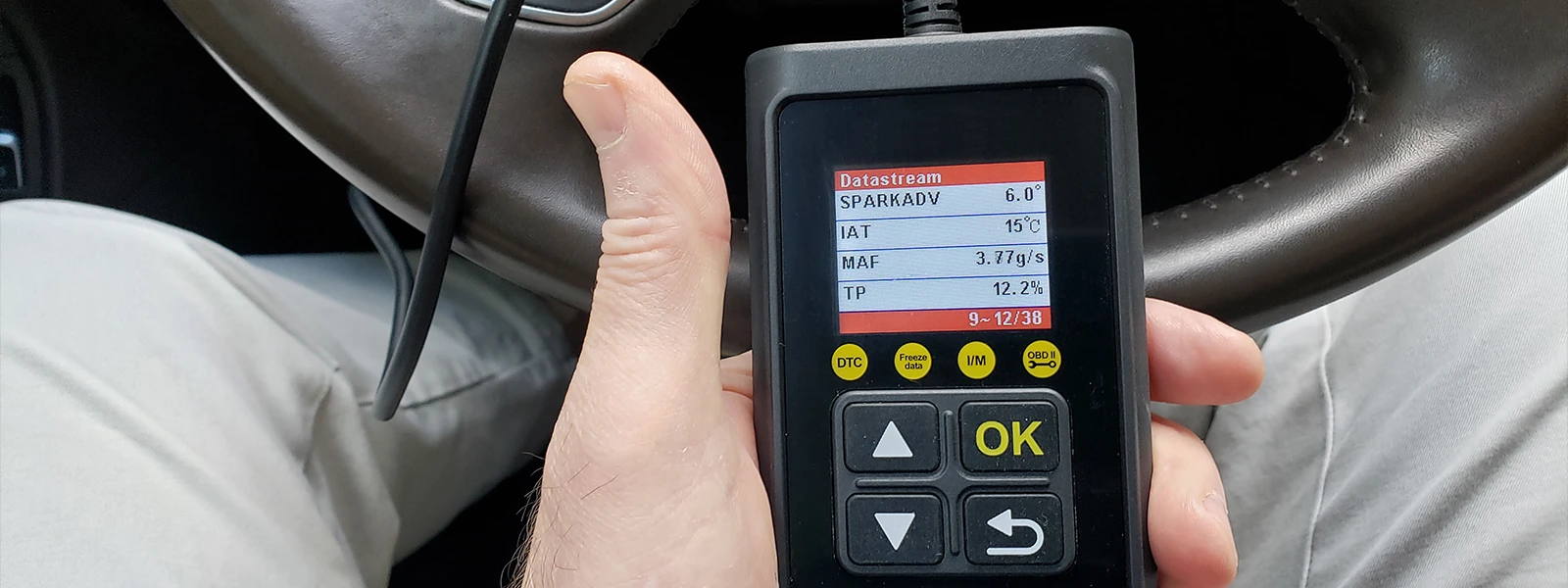
A-Premium OBD2 scanner is designed to monitor and report various vehicle performance and emissions parameters, including those linked to the mass air flow (MAF) sensor. However, the specific parameters monitored can vary based on factors like the vehicle's make, model, year, and the old version it adheres to. Common maf-related parameters include MAF sensor reading, voltage, frequency, diagnostic trouble codes (dtcs), air/fuel ratio adjustments, and fuel trim values.
Utilizing the A-Premium OBD2 scanner can effectively inspect abnormal data readings from the mass airflow sensor (MAF) and identify issues with engine instability. With timely diagnosis and analysis, you can clean the MAF sensor, resolving its problems and ensuring your vehicle drives smoothly.
A-Premium high-quality mass airflow sensor (MAF) is characterized by accuracy, durability, consistency, compatibility, and diagnostic features, and often comes with a warranty. It provides precise airflow measurements, withstands harsh conditions, maintains reliability over time, fits various vehicle models, and may include diagnostic capabilities for easier troubleshooting. Revitalize your ride with A-Premium mass airflow sensor (MAF)! Elevate your engine's performance to new heights with precision, durability, and reliability. Don't settle for anything less. Upgrade now and feel the power!
You May Also Need


