What Are Brake Rotors And How Do They Work

Brake rotors are an essential component of a vehicle's braking system, playing a crucial role in bringing the car to a safe stop. This blog post provides an in-depth explanation of brake rotors and how they function.


When driving a car, safety is undoubtedly the core element that every driver pays the most attention to. To ensure this, the car must have an efficient and reliable braking system. In modern vehicles, the braking system plays a vital role. It is not just a simple deceleration device, but also the key to protecting the lives of drivers and passengers in emergency situations.
In order to successfully slow down and stop the car, modern vehicles use a number of carefully designed components that work together to ensure the accuracy and efficiency of the braking process. Especially when driving at high speeds, the braking system must be able to respond quickly and effectively reduce the speed of the vehicle until it stops completely. Among these components, the brake rotor is undoubtedly one of the core components of the braking system. So, what exactly is a brake rotor? How does it work? We will introduce you to it in detail in this blog.
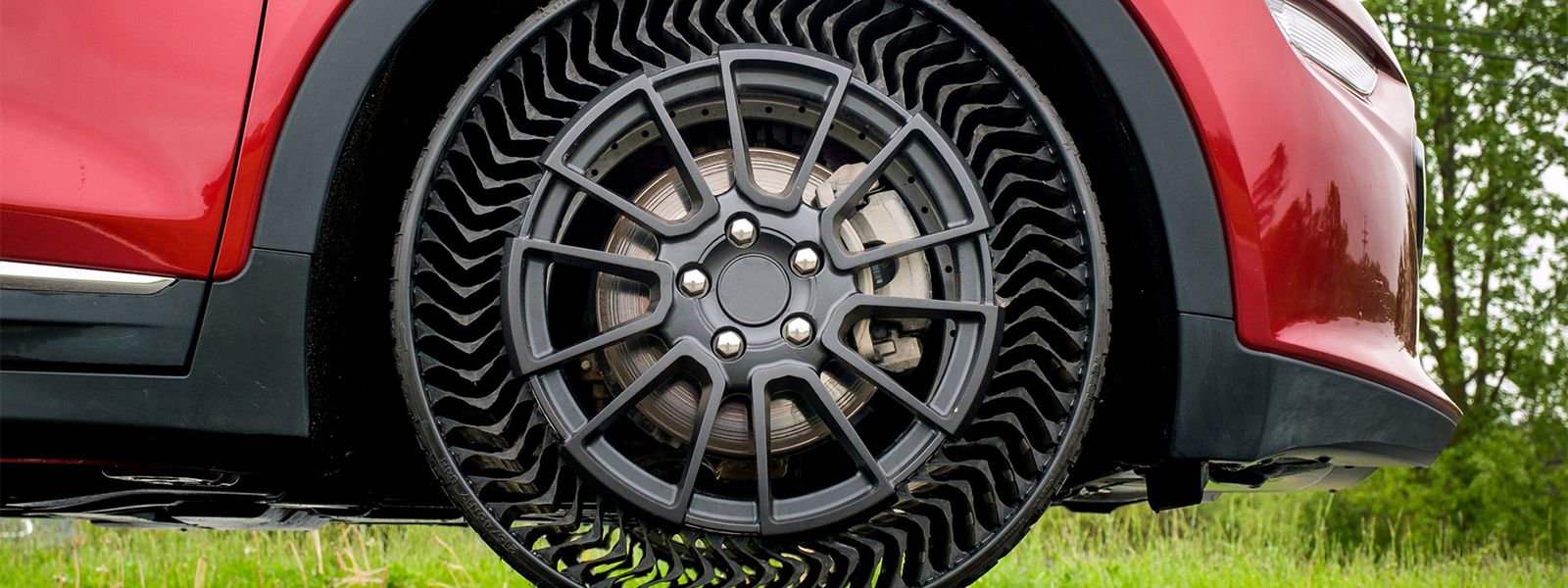
What are brake rotors
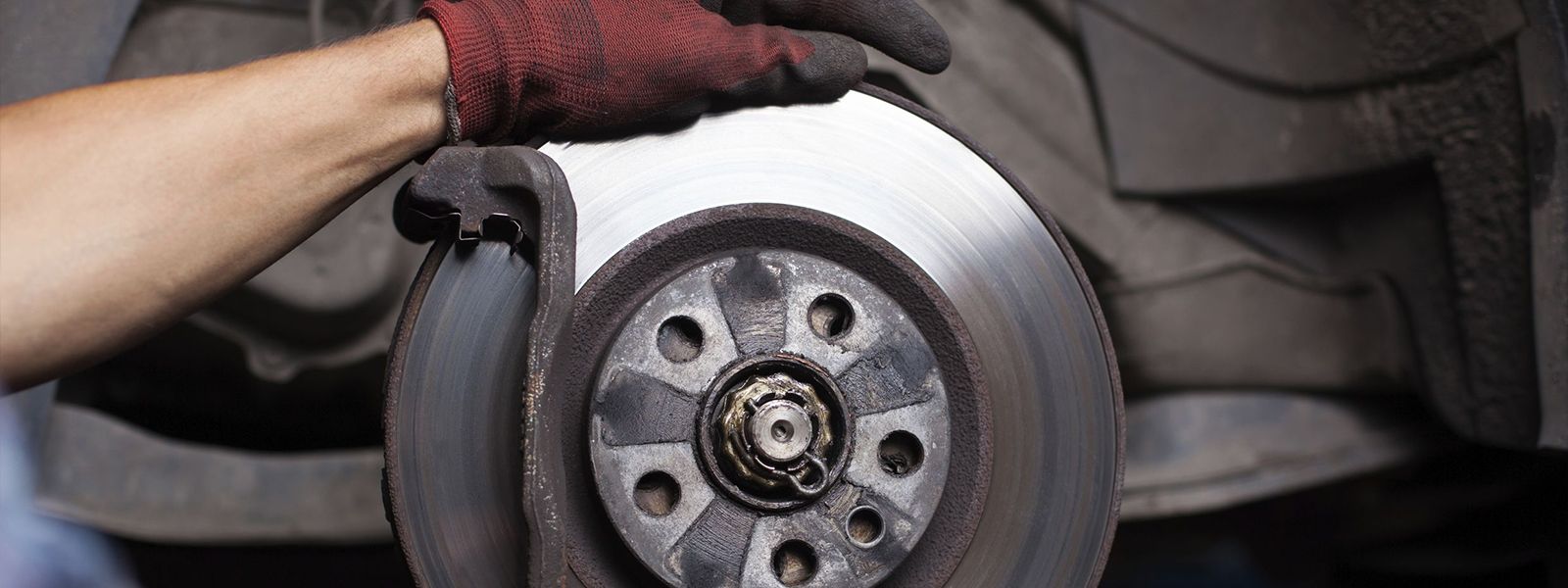
Brake rotors are a vital part of your vehicle's braking system. They are attached to each wheel (usually two at the front and two at the rear). The main task of these rotors is to efficiently convert the wheel's motion (kinetic energy) into thermal energy (heat), thereby slowing down and stopping the vehicle.
When you press the brake pedal, this action triggers the master brake cylinder to send a signal to the brake calipers on your vehicle. The calipers then clamp the brake pads, pressing them against the wide surface of the brake rotors. Due to the strong friction generated between the brake pads and the rotors, the rotation of the wheels is quickly slowed down, eventually slowing the vehicle down and stopping it safely.
Rotors are usually made of iron. This is because iron has good wear and corrosion resistance, which ensures that the brake rotors can maintain stable performance under long-term and intensive use. Although brake rotors are designed and manufactured with durability in mind, they still require regular maintenance and inspection. During use, the rotors may wear due to friction and heat, so when the wear reaches a certain level, the brake rotors need to be replaced in time to ensure the normal operation of the braking system and the safety of the driver.
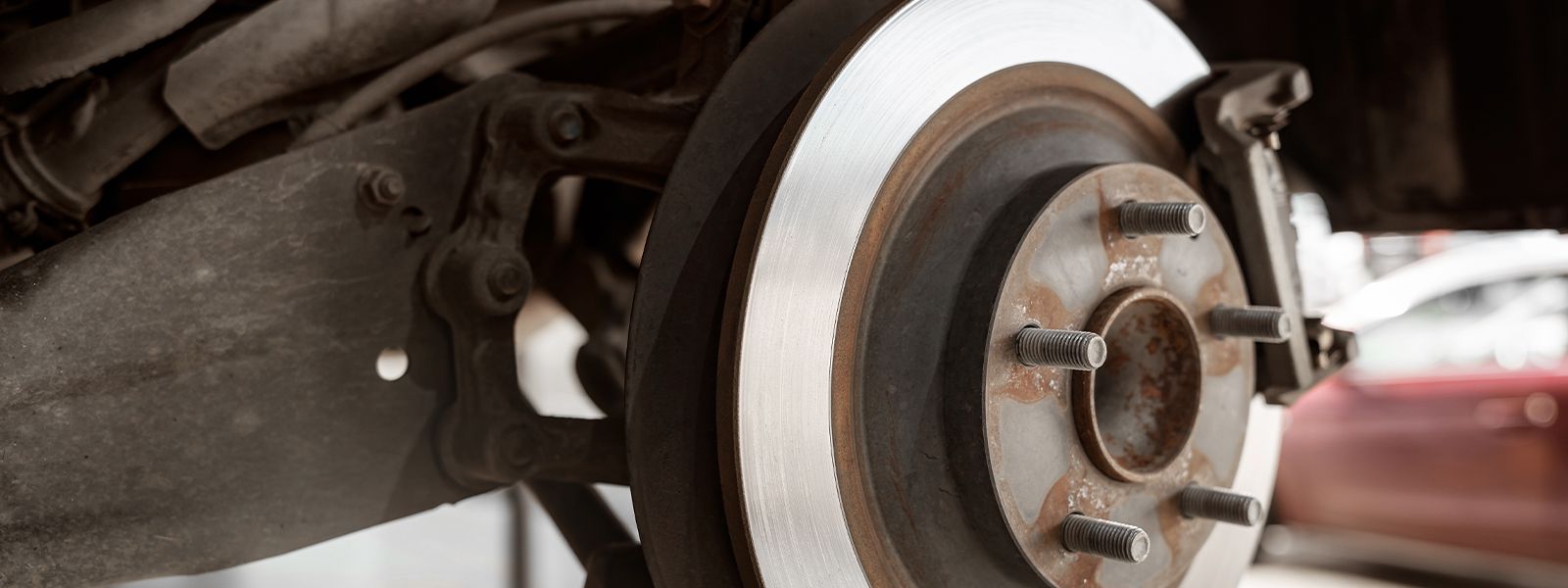
How do brake rotors work
When you press the brake pedal, the brake rotor begins its braking function. The brake pads are pressed against the rotors to create the necessary friction. It's important to note that your car has one such rotor for each wheel. When the brakes are applied, all four wheels slow down their rotation in unison.
As the brake pads and rotors come into close contact, the friction between them gradually slows down the wheel's rotation (assuming you don't press the accelerator at the same time). This friction naturally generates a lot of heat.
To handle this heat, brake rotors are usually made of steel to ensure they are heat-resistant. In addition, brake rotors are designed with ribs or gaps that effectively dissipate heat during braking and prevent overheating. The specific type of brake rotor varies depending on the type of ribs used in its design.
Once you remove your foot from the brake pedal, the brake pads stop contacting the rotors and the car's wheels can spin freely again without any hindrance.
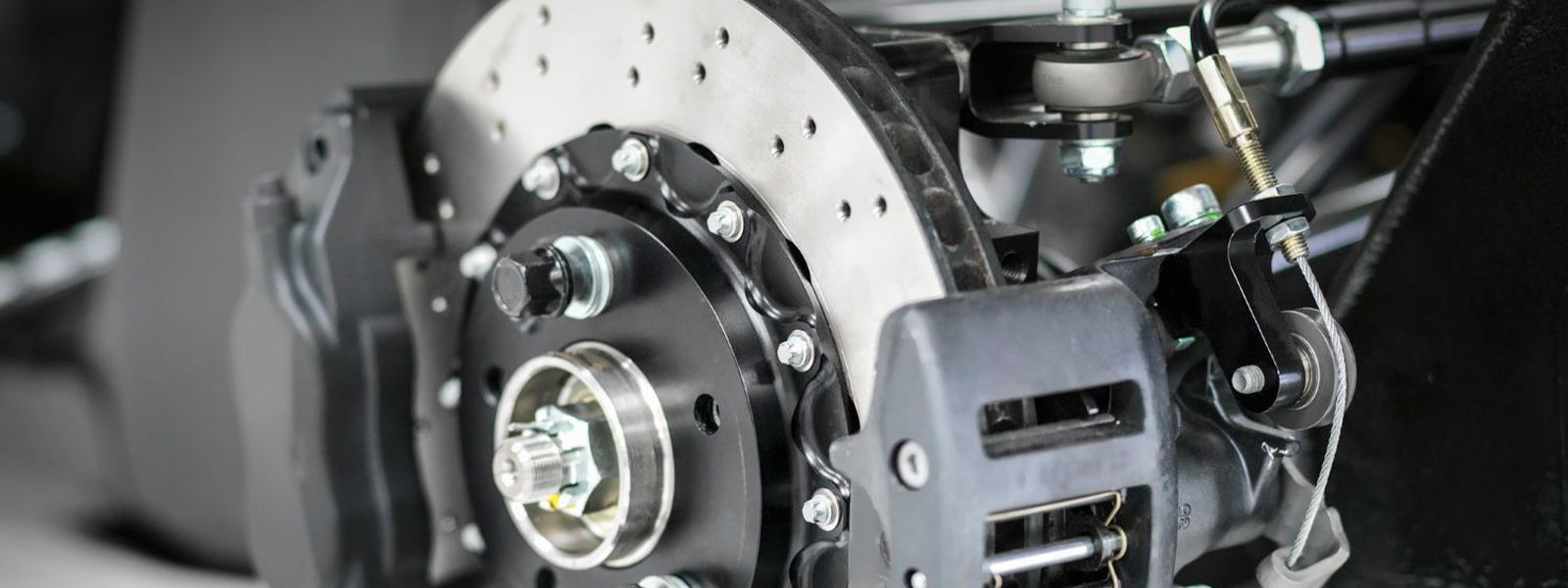
When do you need to replace your rotors
When the brake rotors are worn, you should consider replacing them. It is worth noting that the replacement frequency of new rotors is similar to that of brake pads. In order to ensure the best braking effect and driving safety, it is recommended to replace the rotors at the same time as the brake pads.
Although the design life of brake rotors can theoretically support two to three replacements of brake pads, according to the actual performance of the current new rotors, their wear rate is almost the same as that of brake pads. Therefore, when maintaining the vehicle, be sure to pay attention to the status of both the brake pads and the rotors.
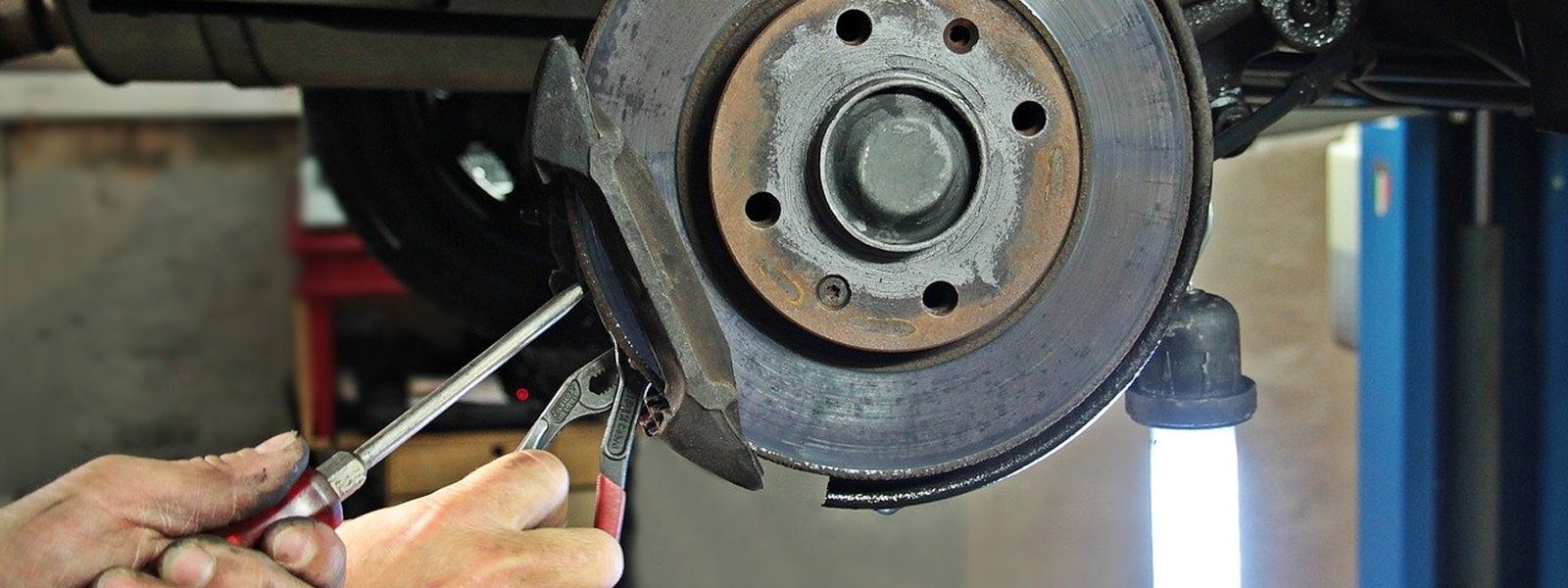
Common indications that your brake pads are wearing out
- Abnormal brake noise: When the vehicle brakes, if you hear a harsh metal friction sound or a sharp whistling sound, it is likely that the warning iron sheet on the brake pad has begun to wear the brake disc.
- Changes in the feel of the brake pedal: If you feel that the brake pedal feels lighter or softer, and you need to step deeper to achieve the previous braking effect, this may be due to the increase in the working stroke caused by the wear of the brake pad.
- Longer braking distance: When the brake pad is severely worn, the braking distance tends to be longer and the braking effect is weakened.
- Vehicle driving jitter: When the brake pad cannot effectively brake the vehicle, it may cause the vehicle to shake during driving.
- Reduced brake oil: When the brake pad is worn more, the gap between the disc and the pad becomes larger. After the gap is automatically adjusted, the brake oil needs to be added to the master cylinder, resulting in a reduction in the brake oil in the brake oil pot.
Just like brake pads, brake rotors wear down a bit every time you apply the brakes. On average, rotors can last anywhere from 30,000 to 80,000 miles.
Brake Rotor's exact lifespan depends on a few different variables:
- The quality of the brake itself
- Usage environment
- Braking frequency
- Maintenance and maintenance
- Temperature factors
- Start-stop and load changes
How much do brake rotors cost
There really is no one set answer to the question of "How much does brake rotors cost?". Because mechanics charge for their services and individual manufacturers' parts pricing vary, costs will vary by region and specific circumstances. If you replace just the brake pads, you'll pay between $35 and $150 for parts for all four wheels. Labor is usually $80 to $120 per axle, for a total of $115 to $270 per axle.
As mentioned earlier, it is important to replace the brake rotors at the same time as the brake pads to ensure the best braking effect and maximum driving safety. Installing new brake pads on worn rotors may cause compatibility issues, such as vibration, and even reduce braking safety, which is far less effective than replacing new brake pads and rotors at the same time. The price of each brake rotor is generally between $30 and $75. Higher-quality rotors are usually equipped with coating caps and rims designed to exceed the performance of the original equipment, so their prices will be slightly higher. If the brake rotor and brake pad are replaced in the repair shop, the labor cost is generally $150 to $200 per axle. However, if you choose to go to a professional repair shop for this service, the cost is often higher, and you can expect to pay $250 to $500 per axle.
Calipers are the most difficult and expensive parts of your brake system to replace. A single caliper can cost up to $130, and multiple calipers can cost even more. A complete brake repair, which includes replacing the pads, rotors, and calipers, typically costs an average of $300 to $800. However, depending on the make and model of your vehicle, a repair can easily cost over $1,000.
Of course, learning to replace your own brake pads, rotors, and calipers can save you a lot of money. However, before attempting DIY maintenance, it is important to remember that your safety is always the primary consideration and should be placed above cost. If you have reservations or are unsure about doing the repairs yourself, it would be wise to choose one of the reputable preferred installers in your area.


