
What Is Engine Air Filter? Things You Need to Know


Ever wondered what keeps your car's engine running smoothly and without a hitch? One of the unsung heroes of your ride is the engine air filter. Engine air filter does a job similar to what our lungs do for us. Just like we filter out dust and dirt from the air we breathe, the engine air filter does the same for your car's engine by filtering air entering an engine, catching dust particles, sand, dirt, and other debris that could damage engine parts.
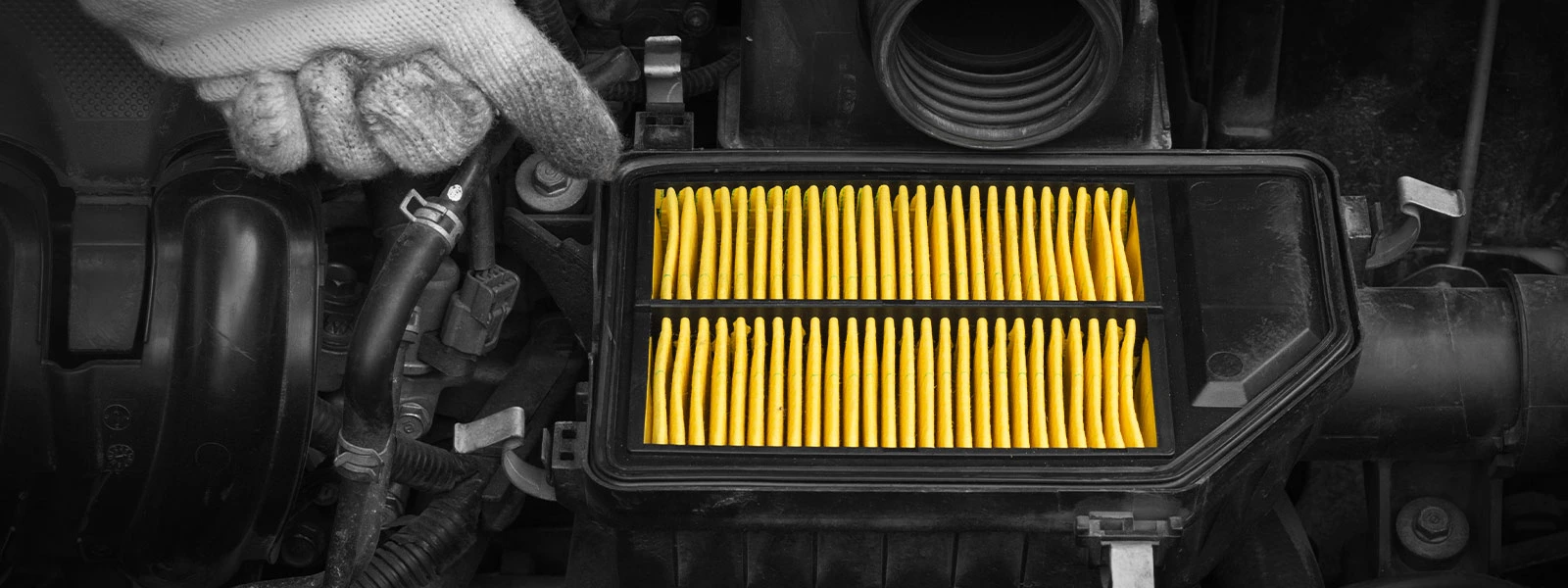
The engine air filter is typically located within the engine compartment of a vehicle, and is usually found between the engine's intake manifold and the air intake duct or housing. In many vehicles, the air filter is housed in a rectangular or cylindrical container, often with a removable cover or housing that allows for easy access to the filter.
Filters are available in a variety of sizes and shapes designed for specific vehicles, meaning there is no one-size-fits-all solution. They can be constructed from pleated paper, cotton, or synthetic materials. While many filters have a rectangular form, some are cylindrical or round in shape, and they are commonly integrated into a plastic or rubber frame. When it comes time for a replacement, both the filter and frame are typically replaced as a single unit.
How Does an Engine Air Filter Work?
During car operation, outside air is drawn into the engine through the air intake system. This air pulled into the car carries various particles like dust, dirt, pollen, and debris. The engine air filter acts as a barrier, capturing the particles to trap and hold these contaminants. The pleated design of the engine air filter provides a larger surface area for effective filtration. While the filter captures the contaminants, it still allows clean air to pass through. This ensures that the engine receives a sufficient amount of clean and oxygen-rich air for proper combustion.
Could a dirty air filter adversely affect fuel economy?
Yes, a dirty air filter can indeed have a negative impact on fuel economy. When the air filter becomes clogged with dirt, dust, and debris, it restricts the airflow to the engine. This can disrupt the proper air-fuel mixture, leading to incomplete combustion and decreased engine efficiency. As a result, the vehicle may require more fuel to generate the same amount of power, leading to reduced fuel economy.
How often should you change the engine air filter?
The frequency of air filter replacement can vary depending on the automaker and driving conditions. Guidelines provided by manufacturers range from replacing the filter every 15,000 miles to every two years or even longer intervals. The specifically recommended replacement interval for your vehicle can be found in the maintenance schedule section of your owner's manual.
It's important to consider driving conditions, as the recommended interval may suggest more frequent replacements if you often drive in dusty or dirty environments. This applies to driving on unpaved roads, in desert areas, or in large urban areas with heavy traffic, diesel trucks, and industrial pollution.
A general recommendation is to inspect the air filter at least once a year, either by yourself or with the help of a mechanic. If the filter is covered in dirt, insects, leaves, or debris, it's time for a new one. If there is only a small amount of dirt or it's localized to one area, you can likely continue using the filter for a longer period. You can try brushing off the surface dirt and rotating the filter to expose a clean section to the primary airflow. If fanning the pleats of the air filter causes dirt to fly and leaves your hand dirty, it's a clear indication that the filter needs replacement. Holding the filter up to a light source and inspecting it from various angles can also reveal the level of dirtiness below the surface.
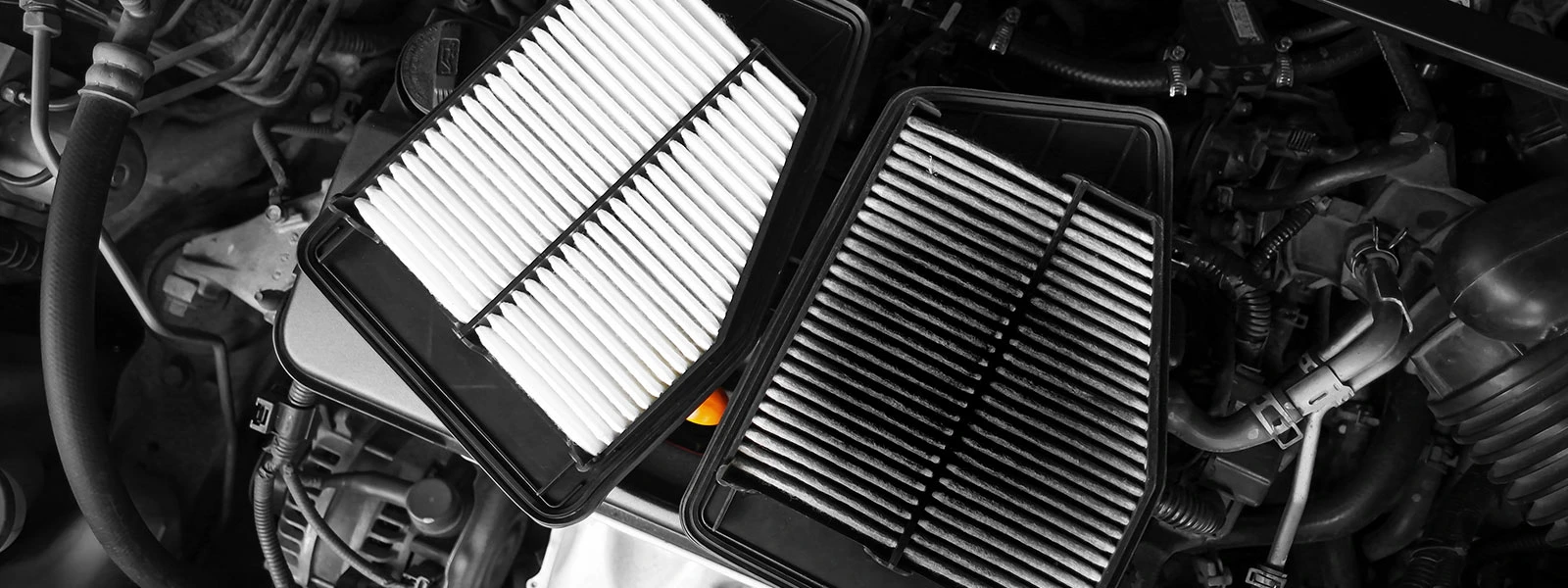
Engine air filter maintenance
Looking after the engine air filter is crucial to keep your car's engine performing at its best. Follow these to keep it in good condition:
- Regular Inspection: Visually check the air filter for dirt, debris, and damage.
- Cleaning the Filter: If reusable, tap or brush off loose dirt, or use compressed air to remove particles.
- Replacement as Needed: Replace the filter if cleaning doesn't restore optimal condition or if it's disposable.
- Proper Installation: Ensure the filter is correctly seated and secured in the filter housing.
- Maintain a Clean Environment: Keep the engine compartment free of leaves and debris near the air intake.
- Follow Maintenance Schedule: Consult the owner's manual for recommended maintenance intervals and tasks.
By doing so, you can maintain optimal airflow, fuel efficiency, and overall engine performance. Neglecting air filter maintenance can lead to decreased engine power, lower fuel economy, and potential damage to important engine parts.


