
A Comprehensive Guide to Replacing the Engine Oil Cooler Line

A-Premium oil cooler line helps maintain optimal engine oil temperature, ensuring effective lubrication and cooling. Recognizing the importance of timely oil cooler line replacement is the key to preserving your engine's long-term health and performance.


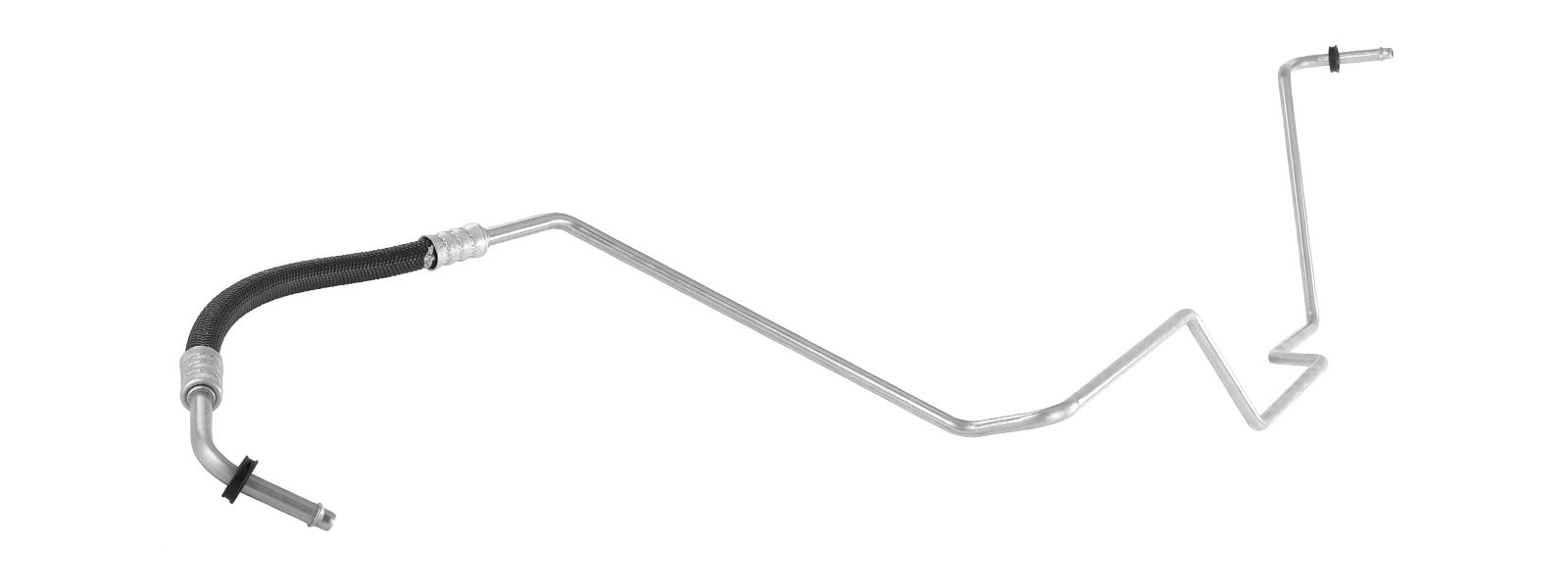
An oil cooler line, also known as an oil cooler hose, is a component in a vehicle's engine cooling system that helps regulate the temperature of the engine oil. The oil cooler line is responsible for circulating the engine oil through an oil cooler, a heat exchanger that helps remove excess heat from the oil.
This is important for the overall health and longevity of the engine, as excessive oil temperatures can lead to increased wear and tear on engine components, as well as reduced oil viscosity, which can impact the engine's lubrication. By maintaining the proper oil temperature, the oil cooler line helps to ensure that the engine oil can effectively lubricate and cool the moving parts of the engine, reducing the risk of premature wear and tear.
How to identify a broken oil cooler line
Visual inspection
The first step in identifying a broken or damaged oil cooler line is a thorough visual inspection. Carefully examine the entire length of the oil cooler line, or pipe, for any obvious signs of wear and tear. Look for cracks, holes, leaks, or other damage to the hose material. Pay close attention to the connection points at the engine block and oil cooler, checking for any looseness or signs of deterioration.
Signs of oil cooler line issues
One of the telltale signs of a problem with the oil cooler line is the presence of oil leaks. Inspect the area underneath the vehicle for any oil stains, drips, or puddles, which could indicate a leak in the line. Run the engine and closely monitor the oil cooler line while it is pressurized to help identify any weeping or spraying leaks that may not be visible during a static inspection.
Temperature changes in the oil cooler line can also be a useful indicator of potential issues. Feel the different sections of the line - if one area is significantly cooler than the rest, it could signify a blockage or restriction in that part of the system. Rapid fluctuations in the temperature of the line may also point to a leak or breach somewhere along its length.
In addition to tactile inspections, changes in engine performance can also hint at problems with the oil cooler line. Pay close attention to any shifts in engine oil pressure, oil temperature, or overall engine behavior. Symptoms like rough idling, reduced engine power, or increased oil consumption may all be indications of an issue with the oil cooling system and the associated line.
Diagnostic testing
Finally, the use of diagnostic tools and testing procedures can help confirm the presence of a broken or damaged oil cooler line. Utilize an engine diagnostic scanner to check for any trouble codes related to the oil cooling system. Additionally, performing a pressure test on the oil cooler line can help identify any leaks or blockages that may be present, providing a more definitive assessment of the component's condition.
Replacing a faulty oil cooler line
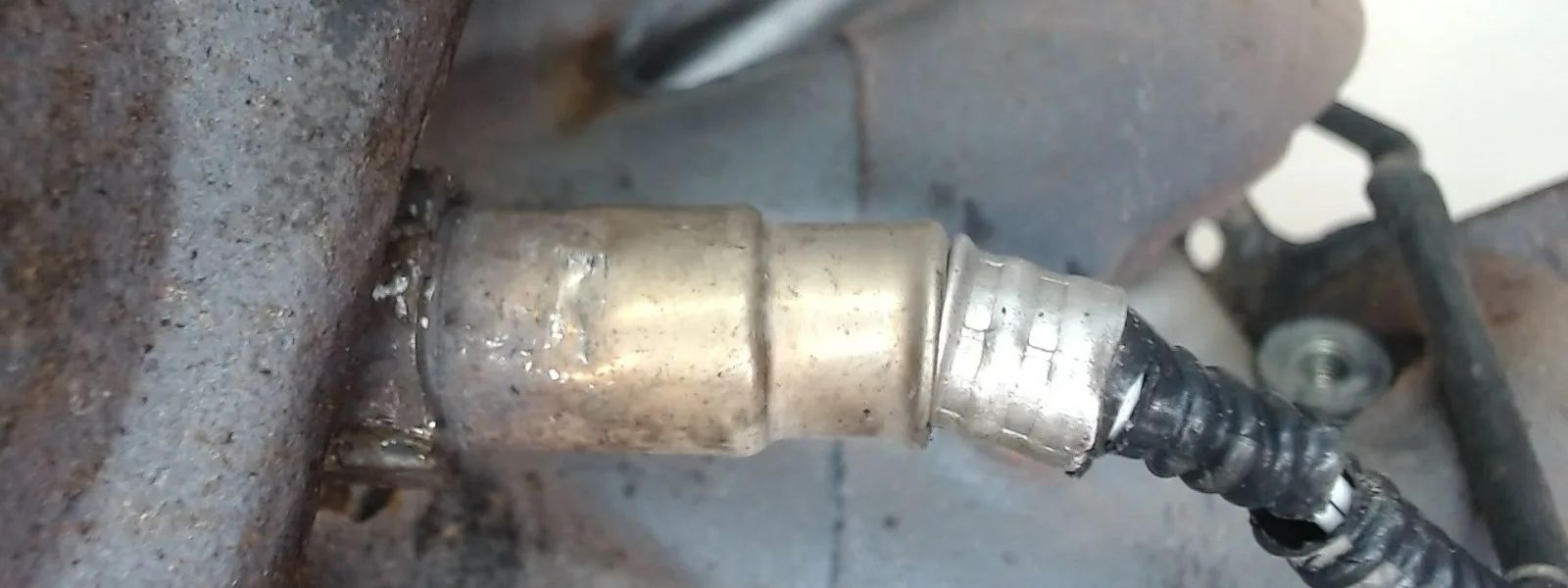
- Prepare for the replacement: Ensure you have all the necessary tools and materials before beginning the replacement process. This includes the correct replacement oil cooler line, as well as standard tools like wrenches, screwdrivers, and a drain pan. Park the vehicle on a level surface and allow the engine to cool down fully to avoid potential burns.
- Disconnect the old oil cooler line: Locate the connection points of the faulty oil cooler line, typically at the engine block and the oil cooler itself. Use the appropriate wrenches to loosen and remove the bolts or clamps securing the line in place. Gently pull the old line away, taking care not to damage any surrounding components.
- Install the new oil cooler line: Position the new replacement oil cooler line and align it with the correct connection points. Reconnect the line, ensuring the fittings are properly seated and the bolts or clamps are tightened securely. Check that the new line is not twisted or kinked, which could restrict oil flow.
- Inspecting for leaks and refilling oil: Once the new oil cooler line is in place, carefully examine the connections for potential leaks. If needed, further tighten the fittings. Then, following the manufacturer's guidelines, add the appropriate amount and type of fresh engine oil to the system.
- Verifying the replacement: After installing the new oil cooler line, start the engine and let it run for a short period, closely observing the line for any signs of leakage or abnormal temperature changes. Additionally, check that the engine oil pressure and temperature readings are within the normal operating parameters. If everything appears to be working correctly, the oil cooler line replacement process is now complete.
By carefully following these step-by-step guidelines, you can successfully replace a malfunctioning oil cooler line and restore proper oil cooling to your vehicle's engine.
Cost to replace an oil cooler line
The price tag for an oil cooler line replacement can vary significantly depending on several variables. The replacement part itself is usually priced in the range of $50 to $150, with the specific vehicle make and model being a major factor. Additionally, the cost of 4-5 quarts of fresh engine oil, typically $20 to $50, may need to be accounted for as part of the total materials expense.
A-Premium oil cooler lines provide significant price advantages compared to the market. Many of our oil cooler line parts are priced lower than the typical market price, with a wide range of options available for under $50, while still maintaining excellent quality standards. These high-value, competitively-priced oil cooler lines make A-Premium a top choice for cost-conscious consumers.
Reliable engine protection from A-Premium
A-Premium oil cooler lines are crafted with durable metals, rubbers, and quality materials to provide dependable cooling and safeguard your engine. The oil cooler line's design and materials can optimize heat transfer from the hot oil to the cooling medium, improving the overall cooling capacity of the oil cooler system. Designed to fit a wide range of vehicle makes and models, such as Chevrolet, GMC, and Ford, our extensive oil cooler hose selection offers flexible solutions that seamlessly integrate with the oil cooler and the rest of the engine's components to meet your specific needs.
A-Premium offers a comprehensive oil cooler line solution to meet your needs. Whether you require an inlet or outlet configuration, we can precisely match your requirements, providing cost savings while ensuring a convenient installation process. Enjoy free standard shipping, easy returns, and responsive customer support around the clock and order today for A-Premium.


