
AC Compressor Shuts Off After 2-3 Minutes? Common Causes & Expert Fixes

Is your AC short-cycling? If your compressor shuts off after just minutes, it's likely a safety trigger. From refrigerant leaks to electrical faults, this guide helps you diagnose the issue to restore your cooling and prevent costly damage.


When you expect your air conditioning system to provide relief on a sweltering day, the last thing you want is for the ac compressor to cycle off after just 2-3 minutes. Whether you are dealing with a car vehicle or a home hvac system, this "short-cycling" behavior is more than just an inconvenience—it is a critical component signaling an underlying failure.
If your air conditioner is blowing hot air or failing to stay engaged, here is the professional breakdown of why this happens and how to inspect the damage.
What Does the AC Compressor Do?
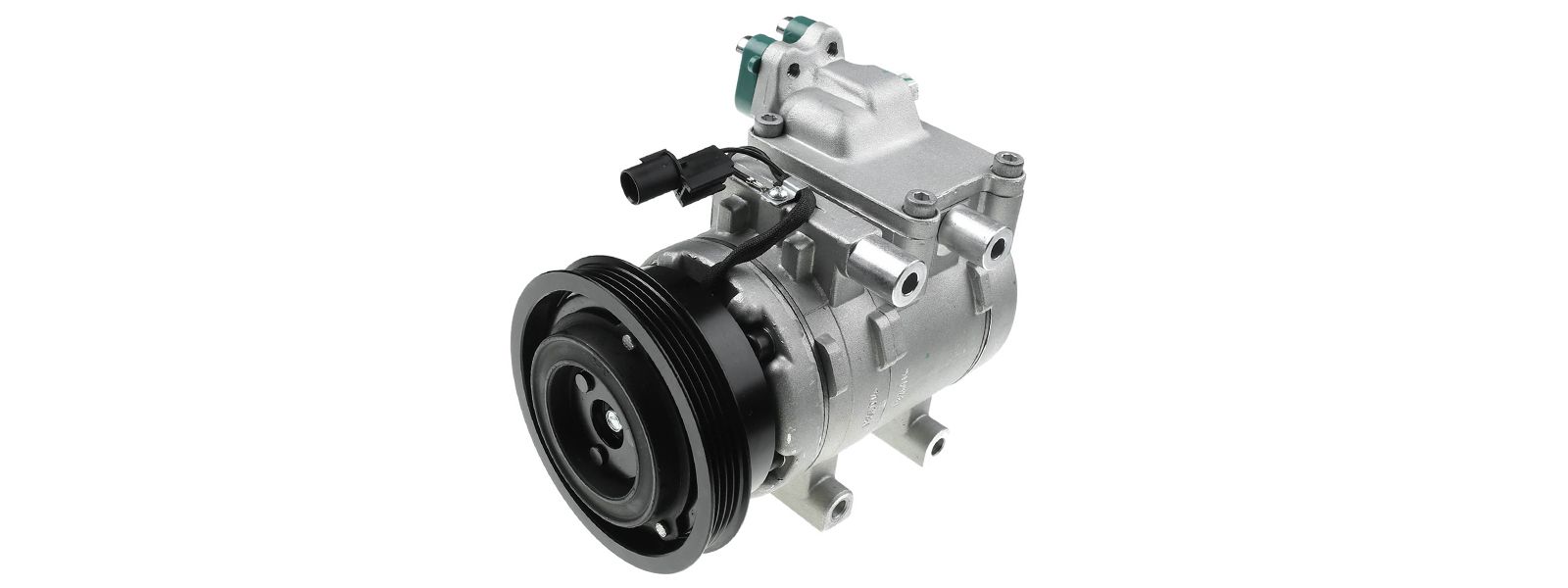
The compressor is the "heart" of your ac unit. Its primary function is compressing low-pressure refrigerant gas into a high-pressure, high-temperature liquid. This process allows the system to absorb heat from inside the car or home and release it through the condenser unit (the outdoor unit). If the compressor stops running, the entire cooling cycle halts, leaving you with nothing but hot air coming from your vents.
Top 6 Reasons Your AC Compressor Shuts Off Early
1. Low Refrigerant Levels (The Most Common Culprit)
The most frequent cause for a system cycling off is a refrigerant leak. Modern air conditioning systems require a specific pressure and volume of gas to operate.
-
The Problem: If there is a refrigerant leak, the system’s low-pressure switch triggers a safety shutoff to prevent the compressor from running without lubricant oil.
-
The Fix: A hvac professional must locate the leaks, replace damaged o rings or seals, and recharge the system. Do not attempt to bypass this switch.
2. Dirty Condenser Coils
The condenser unit is responsible for dissipating heat.
-
The Problem: If dirt, dust, or debris clogs the condenser unit, heat cannot escape. This causes the ac system to reach dangerously high head pressures. The safety cutout activates, shutting down the motor to prevent an electrical burnout.
-
The Fix: Use a coil cleaner and a soft brush to remove debris. Regular maintenance is the best way to save money on costly repairs.
3. Electrical Issues and Capacitor Failure
Your ac compressor relies on a run capacitor to provide the initial power surge required to start.
-
The Problem: If the capacitor is failing, the compressor may draw excessive current, causing the circuit breaker to trip or the system to overheat and shut off within minutes.
-
The Fix: Inspect wiring and the capacitor for signs of swelling or burning. If you hear a clicking sound but the fan isn't turning, this is a clear sign of an electrical system malfunction.

4. Faulty Thermostat or Sensor Malfunction
If the thermostat is poorly placed or malfunctioning, it may incorrectly signal that the desired temperature has been reached.
-
The Problem: If the sensor is reading incorrect data, it tells the ac unit to stop cooling prematurely.
-
The Fix: Verify the thermostat calibration. Ensure the sensor isn't placed near a heat source or restricted by poor airflow.
5. Restricted Airflow (Dirty Air Filters)
A clogged air filter is a simple component that often causes complex failures.
-
The Problem: Restricted airflow prevents the evaporator coil from absorbing heat, causing the coil to freeze. When the ice build-up reaches the sensor, the compressor shuts off to prevent damage.
-
The Fix: Replace the air filter immediately. This is the first step in any ac system troubleshooting guide.
6. Overheating and Motor Wear
If the compressor itself is physically worn—due to internal moisture, contamination, or lack of oil—it may seize up as it gets hot.
-
The Fix: If the internal mechanical parts are failing, you may need a full ac compressor replacement.
Repair or Replace? Making the Right Call for Your AC Compressor
When your air conditioning system starts failing, the decision to repair or perform a full ac compressor replacement is a significant financial choice. While repairing minor issues is often the first instinct, there comes a point where investing in a new compressor or a high-quality remanufactured compressor is the more sensible, cost-effective path.
When to Repair
You should consider repair if the failure is isolated and the compressor body itself remains intact.
-
Minor Leaks: If the refrigerant leak is confined to accessible o rings, seals, or faulty service valves, these components can often be replaced without pulling the entire unit.
-
Electrical Gremlins: If the system is shutting down due to a failed run capacitor, loose wiring, or a faulty relay, these are relatively inexpensive, routine electrical repairs that do not require removing the compressor.
-
Sensor/Switch Issues: Sometimes, the compressor is fine, but the pressure switch or thermostat is giving a "false positive" signal to shut down. Properly diagnosing these sensors can save you from replacing a perfectly working unit.
When to Replace
Replacement becomes the necessary (and often cheaper) option when the internal integrity of the compressor is compromised.
-
Internal Mechanical Failure: If you hear grinding, squealing, or metallic clunking noises, it often indicates the internal pistons or vanes have suffered a catastrophic breakdown. Once metal shavings enter the lines, the refrigeration system is contaminated, and a full unit swap is mandatory.
-
Seized Motor: If the compressor motor is seized due to a total lack of oil or moisture contamination, the unit is beyond repair.
-
Age and Wear: If your unit is near the end of its life-cycle and has required multiple repairs over the last few years, a new compressor will provide long-term peace of mind, backed by a fresh warranty and improved energy efficiency.
-
System Contamination: If the system has been left open to the atmosphere, moisture will react with the refrigerant and oil to form acids. This acidic sludge destroys internal parts rapidly, making a new compressor the only viable solution to ensure the system doesn't fail again shortly after a "quick fix."
The Professional Bottom Line: If the estimated cost of repairs exceeds 50% of the price of a new compressor, or if the system is heavily contaminated, replacement is almost always the smarter long-term investment for your money and your comfort.
Pro-Tips for Long-Term AC Health
-
Regular Inspection: Check your belt tension and listen for unusual grinding noises.
-
Verify Parts Quality: Always use compatible ac parts and high-grade refrigerant.
-
Preventive Service: Annual service by an hvac professional helps you catch leaks before they cause systemic damage.
Frequently Asked Questions (FAQ)
Q: Can I just add more refrigerant myself?
A: No. Refrigerant handling requires specialized equipment. Incorrect charging can lead to system damage and is often illegal without certification.
Q: My AC is running, but the compressor clutch isn't moving. Is it broken?
A: If the compressor clutch does not engage, check the fuse, the relay, and the refrigerant level. If these are fine, the compressor clutch or internal components may be failing.
Q: How can I tell if I have a refrigerant leak?
A: Look for oily residue around the fittings or o rings. A professional uses a UV dye kit to identify hidden leaks accurately.
Q: Is it expensive to replace an AC compressor?
A: The cost varies significantly depending on the models and whether you need to replace other parts like the receiver-dryer or expansion valve. Investing in quality parts now will save you from repeating the job later.
Disclaimer: Working with HVAC systems involves high-pressure gases and electrical components. If you are not comfortable performing these checks, contact a qualified technician to stay safe and ensure the job is fixed correctly.


