
Do Brake Pads Expire? How Long Can Brake Pads Last?

In this guide, we explore how driving habits and environmental factors accelerate normal wear, the critical thickness levels you need to monitor, and the warning noises you should never ignore to keep your braking system in peak condition.


Whether you are a daily commuter or a weekend road-tripper, the question "Do brake pads expire?" is a vital one for your safety. While brake pads don't have a calendar expiration date like food, they do have a functional shelf life and a finite service life determined by normal wear and tear.
Understanding how car's brake pads function within the larger brake system is the first step toward maintaining your vehicle's peak performance.
How Brake Pads Work
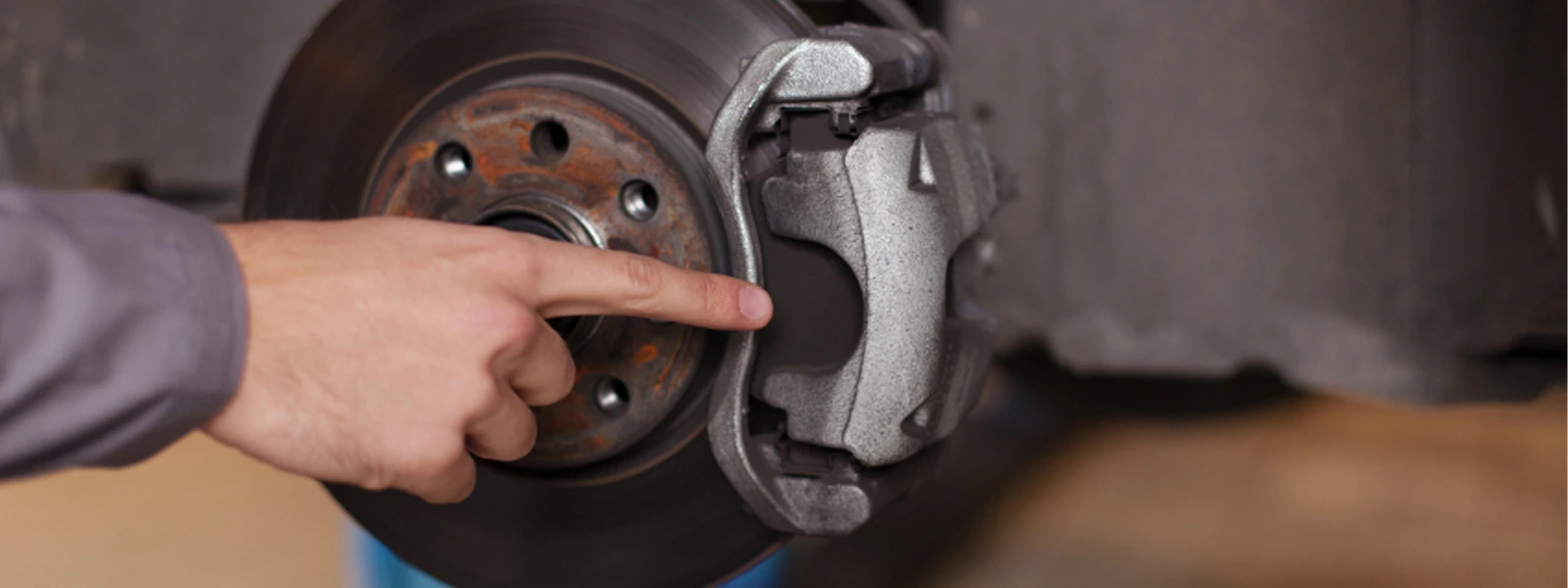
At its core, your automotive braking process is about physics. Brake pads convert the kinetic energy of your moving car into thermal energy through friction.
When the driver hits the brake pedal, hydraulic pressure is sent through the brake fluid to the caliper. The caliper then acts as a clamp, forcing the pad into direct contact with the brake rotor (or brake discs). This friction material grinds against the disc surface to slow the wheels, ultimately bringing the passenger cabin to a safe stop.
Every time you apply the brakes, small amounts of the material wear away. Eventually, the pad becomes too thin to generate necessary stopping power.
How Long Can Brake Pads Last?
The lifespan of brake pads typically falls within the range of 30,000 to 70,000 miles. However, this point can vary wildly based on several factors:
1. Brake Pad Material and Quality
The quality of the material is the biggest factor in durability.
-
Organic: Made from glass, rubber, and resin. They are quiet but wear out the fastest.
-
Semi-Metallic: The majority of modern vehicles use these. They offer great stopping power and dissipate heat well, but can be noisy.
-
Ceramic: High-quality pads designed for luxury and performance. They produce less dust, keep wheels cleaner, and have a long life.

2. Driving Habits
If you are an aggressive driver, you will need to replace brake pads much sooner. Frequent, sudden stops at high speeds generate massive thermal energy, which causes the friction material to degrade rapidly. By coasting to a slow and avoiding "riding the brakes," you can save money on a premature replacement.
3. Environmental Conditions
Extreme heat can harden the pad surface, while moisture and road salt can lead to rust and corrosion on the brake rotor. If dust and debris get trapped between the pad and the rotor, it can cause damage and uneven wear.
How to Tell If You Have Worn Brake Pads
Your vehicle is designed to provide clear signs when it’s time for a brake system maintenance check. Notice these indicators:
-
Squealing or Grinding: Most pads have a built-in metal "wear indicator" that creates a high-pitched noise when the material is low. If you hear heavy grinding, you have reached metal-to-metal contact, which can ruin your brake rotors.
-
Vibrations: If the brake pedal shakes, your rotors may be warped from excessive heat.
-
Pulling to One Side: This typically indicates a stuck caliper or uneven wear across the wheels.
-
Soft Pedal: If the pedal feels "mushy," you may have a leak in the brake fluid or a failing master cylinder.
If you’ve confirmed your brake pads need replacing, these guides can help:
- Your Complete Guide to Brake Pad Maintenance, Safety, and Replacement.
- Can I Just Replace Brake Pads Without Replacing Rotors?
- Are Ceramic Brake Pads Right for Your Ride?
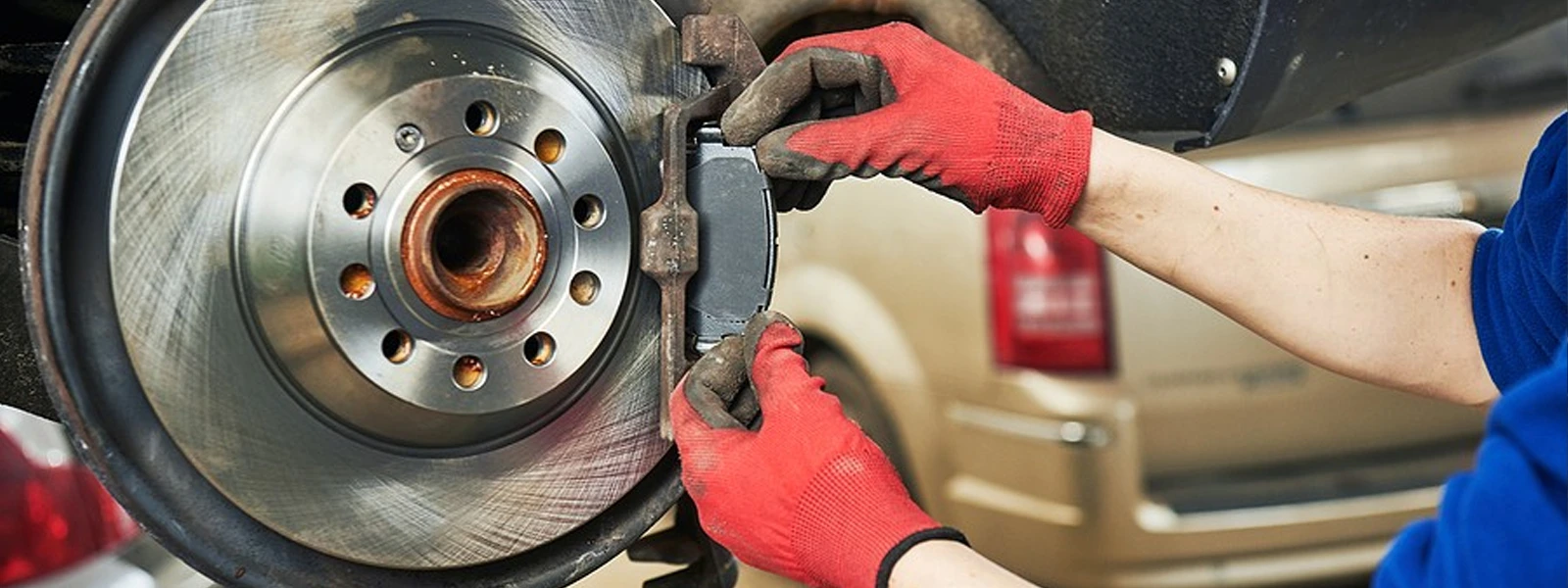
The Thickness Gauge: When to Replace Brake Pads
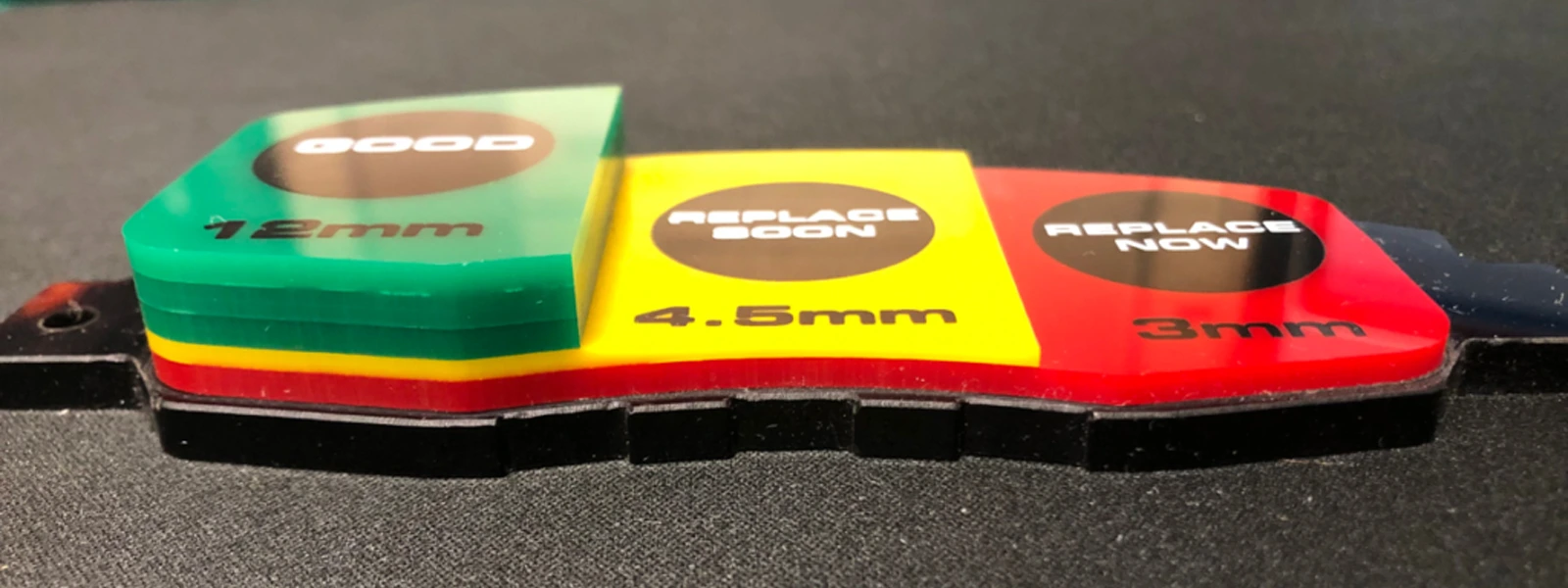
In the automotive world, we use a color-coded form to determine safety:
|
Level |
Thickness |
Action Required |
|
Green |
8mm - 12mm |
Safe Operation |
|
Yellow |
4mm - 6mm |
Caution: Plan for replacement soon. |
|
Red |
2mm - 3mm |
Danger: Immediate replacement required. |
✅️ Pro Tip: While a 3mm pad might technically last another 2,000 miles, the ability to execute an emergency stop is significantly reduced. For the safety of your passengers, replace them once they hit the yellow zone.


Maintenance Tips to Extend Brake Life
To get the most out of your brakes and avoid a high cost repair file, follow these steps:
-
Inspect Regularly: Have a professional inspect your brake discs and calipers during every oil change.
-
Clean Your Wheels: Removing brake dust prevents it from becoming contaminated and damaging the seals.
-
Upgrade your Hardware: When you replace brake pads, always check the caliper pins and hardware. A failed caliper can destroy brand-new pads in a matter of days.

Summary
Do brake pads expire? Not by the clock, but by the odometer and your driving style. To maintain your car's performance, you must monitor wear patterns and replace worn brake pads before they damage other components like the rotor.
If you've noticed shorter stopping distances or strange noises, don't wait. Refresh your brake system today to ensure a safe, moving experience on every road.


