Hard Start in Hot Weather? Testing Your Fuel Pump and Ignition Coil for Heat Soak

Heat soak is a "final warning" for aging parts. This guide dives into why fuel pumps and ignition coils fail in high heat and how to professionally diagnose these faults to solve your car’s hot-weather starting issues.
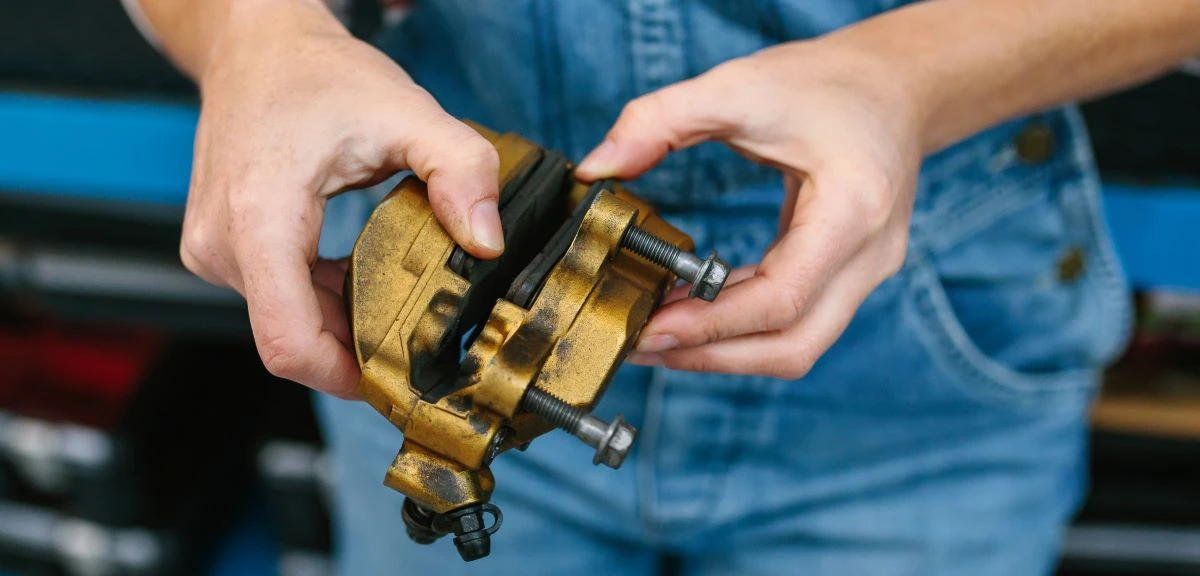
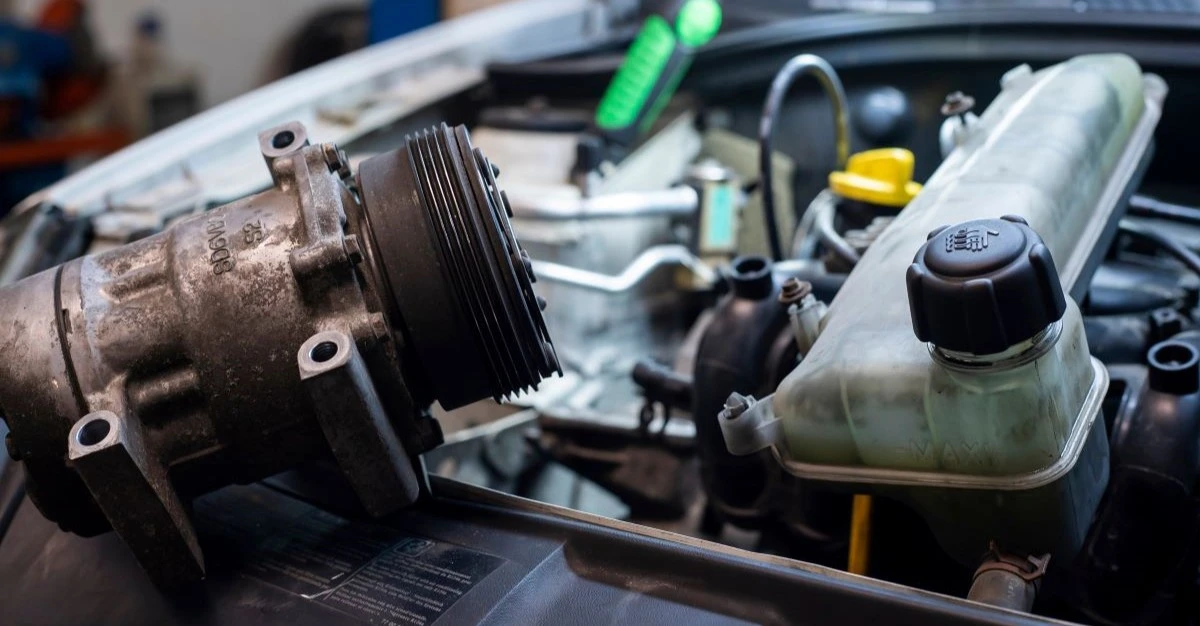
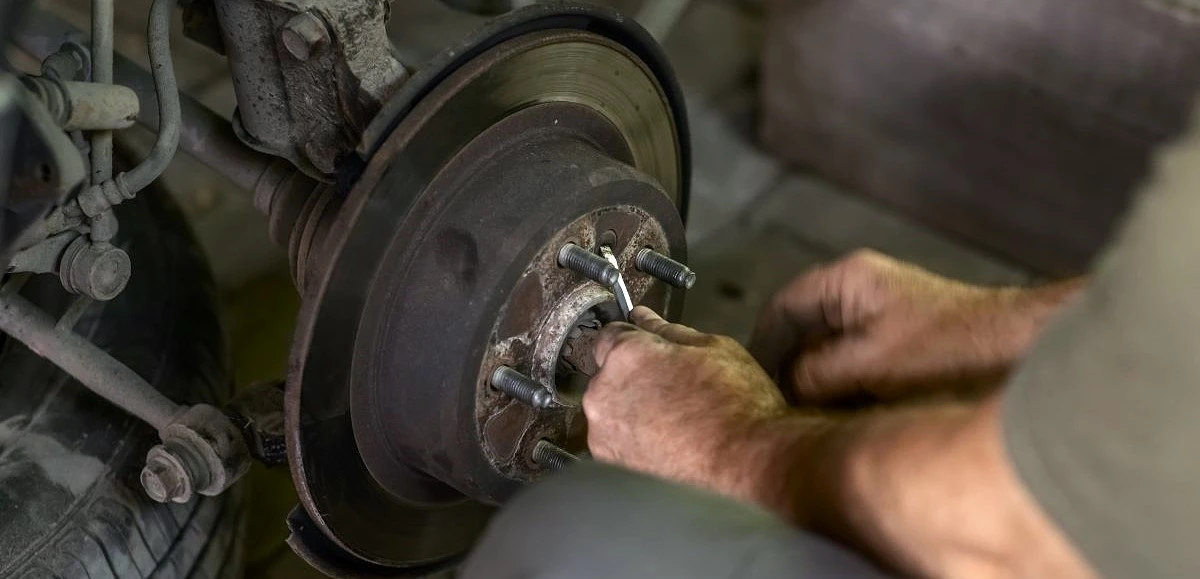
We’ve all been there: your car ran perfectly on the way to the grocery store, but after sitting in the scorching sun for twenty minutes, the engine cranking cycle continues indefinitely without firing. It feels like the vehicle is simply "tired" of the heat.
In the automotive world, this is a classic case of heat soak. When you shut off a hot engine, the cooling system stops circulating, causing temperatures under the hood to rise. This localized heat spike can push aging components past their breaking point—specifically your fuel pump and ignition coil. Whether you have a stock setup or a modified performance build, heat is a universal enemy of reliability.

1. The Fuel Pump: Pressure vs. Vapor Lock
When a fuel pump begins failing, heat is its worst enemy. High temperatures increase electrical resistance and can cause "vapor lock"—where the fuel actually boils in the lines, turning into gas bubbles that the injector cannot effectively spray into the cylinder.
How to Test for Heat Soak:
-
The "Prime" Test: If you notice the car won't start, turn the key to the "On" position to engage the circuit and listen for a 2-second hum. No hum? The power may not be reaching the assembly, or the motor is seized by heat.
-
Fuel Pressure Gauge: Connect a gauge to the fuel rail. Low fuel pressure during a hot start is a common sign of a failing unit. If the volume of flow drops significantly when hot, the internal seals or check valve are likely compromised.
-
The Cooling Trick: A "field test" involves safely cooling the fuel tank or lines. If you discover the car starts immediately after, you've confirmed the trouble.
2. The Ignition Coil: The Resistance Trap
Modern ignition coils and coil pack systems are transformers that convert low car's battery voltage into the thousands of volts needed to ignite the air-fuel mixture.
In modern engines, these are often electronically controlled and mounted directly over the spark plug. As a coil ages, its internal insulation breaks down. When the engine bay gets hot, the copper windings expand, potentially opening microscopic cracks that cause an internal short or a massive increase in electrical resistance.

How to Test for Heat Soak:
-
The Multimeter Ohms Test: Using a digital multimeter, test the resistance of the primary and secondary windings. Compare the reading when cold versus when the hard start occurs.
-
Spark Intensity Test: Use a spark tester to see if the ignition is sending enough juice through the wires to the plug. A healthy system should jump a gap with a crisp, blue snap. If you find the spark is weak or orange only when the engine is hot, the coil is failing under thermal stress.
Technical Note: While diesel engines operate on compression ignition and lack a traditional coil or spark plug, owners of gas-powered modern cars must keep this pair of components in mind during the summer months.


Fuel Pump vs. Ignition Coil: Quick Diagnosis
If you're stranded, use this guide in order to narrow down the symptoms:
|
Symptom |
Likely Culprit |
|
Engine sputters, tries to catch, but dies |
Fuel Pump (Pressure/Delivery Issue) |
|
Engine cranks vigorously but stays "dead" |
Ignition Coil (No Spark) |
|
Starting improves after venting the hood |
Both (Common Heat Soak) |
|
Strong smell of unburned gas while cranking |
Coil or Distributor (Fuel is present, but no fire) |
Summary & Prevention
Heat soak issues are often the "final warning" from a component that is already on its last legs. While you can sometimes get home by letting the car cool, the problem will only get worse. Ensure your filters are clean and your battery is healthy so the circuit has enough power to operate the fuel assembly during a difficult start.
The bottom line: If your car hates the summer heat, don't just keep cranking the starter. Check your fuel pressure and coil resistance—your wallet and your car's battery will thank you.
Does your car exhibit any specific "hiccups" while driving, or does the trouble only happen during the initial start?


