
Camshaft Position Sensor Replacement

Master the art of camshaft position sensor replacement with our dynamic guide! Uncover symptoms of failure, gather your tools, and follow our expert steps to boost your engine’s performance and keep your ride running like new.


Suggested A-Premium Parts


In the intricate dance of modern engine performance, the camshaft position sensor emerges as a silent yet crucial player. This component acts as the engine's timing maestro, sending precise data about the camshaft's position to the engine control unit (ECU). When functioning optimally, it ensures that fuel injection and ignition occur at exactly the right moment, maximizing efficiency and power. However, when this sensor falters, it can unleash a cascade of performance issues, from erratic idling to diminished fuel economy. Understanding the significance of the camshaft position sensor and recognizing when it fails is vital for any car owner. Let’s dive into this comprehensive guide to explore the symptoms of a malfunctioning sensor, the factors that contribute to its failure, and provide a step-by-step method for its replacement to restore your vehicle's performance.
Symptoms of a bad camshaft sensor
Identifying a failing camshaft position sensor early can prevent more severe engine problems. Common symptoms include:
- Engine misfires: One of the most noticeable signs is engine misfires, which occur when the timing of fuel injection and ignition is disrupted.
- Check engine light: A malfunctioning camshaft position sensor often triggers the check engine light on the dashboard, indicating a need for diagnostic testing with an OBDII scanner.
- Poor fuel economy: A faulty sensor can lead to inefficient fuel usage, resulting in increased consumption.
- Difficulties starting the engine: If the sensor fails, the engine may crank but not start, indicating a timing issue.
- Rough idling: A bad sensor may cause the engine to run unevenly or stall, particularly at idle.
- Reduced engine power: Drivers may experience a lack of responsiveness during acceleration due to improper timing.
What causes a camshaft sensor to fail
Several factors can contribute to the failure of a camshaft position sensor. One primary cause is prolonged exposure to heat, which can damage the sensor over time. Electrical issues, such as poor connections or short circuits, can also impair the sensor's functionality. Regular wear and tear from continuous operation further contribute to sensor degradation.
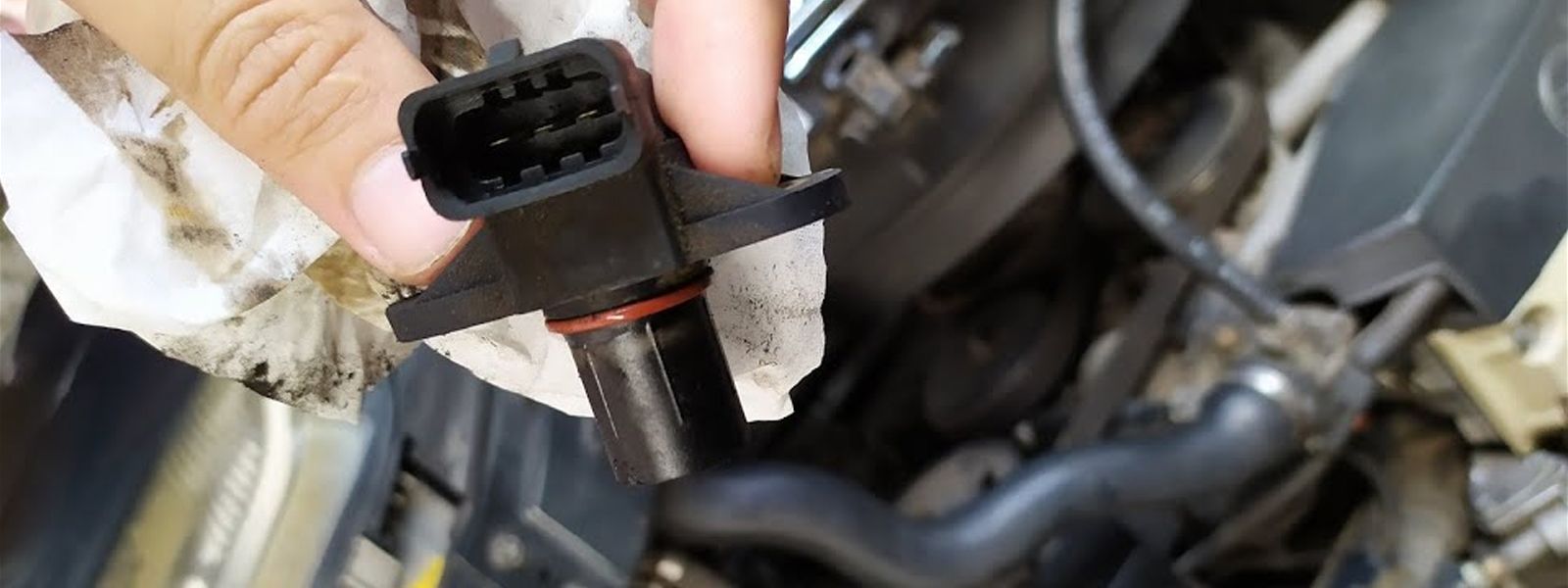
Oil contamination is another potential issue, as oil leaks can affect the sensor's accuracy. Additionally, mechanical damage from surrounding engine components can lead to failure. Understanding these causes can help in maintaining the sensor and preventing premature failure.
Steps to change a cam position sensor
Replacing a camshaft position sensor is a straightforward task that can be accomplished with basic tools. Follow these steps for a successful replacement:
1. Gather tools and materials
- Socket set
- Wrench
- Screwdriver
- Replacement camshaft position sensor
2. Disconnect the battery
Start by disconnecting the negative terminal of the battery to ensure safety and prevent electrical shocks.
3. Locate the camshaft position sensor
Refer to your vehicle’s manual to identify the specific location of the camshaft position sensor, typically found near the camshaft or cylinder head.
4. Remove the old cam sensor
- Carefully disconnect the electrical connector from the sensor.
- Use the appropriate socket to unscrew and remove the old sensor from its mounting.

5. Install the new sensor
- Position the new sensor in place and secure it with screws.
- Reconnect the electrical connector, ensuring a tight and secure fit.
6. Reconnect the battery
Once the new sensor is installed, reconnect the negative battery terminal.
7. Test the vehicle
Start the engine to verify that it runs smoothly and check for any warning lights on the dashboard.
Cam sensor replacement FAQs
- How often should a camshaft position sensor be replaced?
The camshaft position sensor should be inspected during routine vehicle maintenance. Replacement is typically necessary only when symptoms of failure are observed or confirmed through diagnostic testing.
2. Can I drive with a bad camshaft position sensor?
Driving with a faulty camshaft position sensor is not recommended, as it can lead to poor engine performance, reduced fuel efficiency, and potential engine damage.
3. How much does it cost to replace a camshaft position sensor?
The cost to replace a camshaft position sensor typically ranges from $100 to $300. This includes parts, which usually cost between $20 and $150, and labor fees that can vary based on the mechanic's rates and the vehicle's complexity.
4. Is it necessary to reset the check engine light after replacing the sensor?
In many cases, the check engine light will reset itself after replacing the faulty sensor. However, using a diagnostic scan tool to clear the codes may be necessary to ensure it does not return.
5. Can a bad camshaft position sensor affect my vehicle's emissions?
Absolutely. A faulty camshaft position sensor can lead to improper fuel-air mixture and timing, resulting in increased emissions and potentially failing emissions tests.


