
P0011 Code: Camshaft Timing Over-Advanced Causes & Fixes

A check engine light reading "P0011" means your vehicle's intake camshaft timing is running too far advanced. This Variable Valve Timing (VVT) glitch can cause a rough idle, sudden stalling, and a noticeable drop in fuel economy.


Your check engine light just flashed on, and your OBD-II scanner reveals a P0011 diagnostic trouble code (DTC). Before you panic, it helps to understand exactly what this code means: your engine’s variable valve timing (VVT) system isn’t operating within its engineered parameters. Specifically, the intake camshaft timing on Bank 1 is too far advanced.
Common symptoms of a P0011 code range from a simple dash light to severe engine hesitation and stalling. Let’s break down the technical definition of this code, its root causes, and how to execute a permanent fix.
What Does the P0011 Code Mean?
The formal definition of a P0011 code is "A" Camshaft Position Timing Over-Advanced or System Performance (Bank 1).
This fault code triggers when the Powertrain Control Module (PCM) or Engine Control Module (ECM) detects a target discrepancy between the desired camshaft phase angle and the actual angle. If the PCM attempts to regulate the timing but the camshaft position sensor reports that the timing remains stuck in an advanced position, the system logs the P0011 code.
For more professional consulting on OBD2 codes, you can read OBD2 Codes Categories Explained (P, C, B, U) .
Decoding the Terminology:
-
The "A" Camshaft: This refers specifically to the intake camshaft. In dual overhead cam (DOHC) configurations, separate shafts handle intake and exhaust valves. This code isolates issues to the intake side.
-
Bank 1: This identifies the side of the engine containing cylinder number one. On inline four-cylinder (I4) engines, there is only one bank, so it defaults to Bank 1. On V6 or V8 engines, you will need to reference your vehicle's service manual to locate cylinder 1.

Common Symptoms of an Over-Advanced Camshaft
Improper valve timing directly impacts engine breathing and volumetric efficiency. When the intake valves open too early, you can expect several noticeable performance issues:
Rough Idle and Stalling
An over-advanced camshaft disrupts smooth air-fuel mixing at low RPMs. You will likely experience a rough idle, excessive engine vibration, or immediate stalling when coming to a stop. This symptom is often magnified during cold starts, as the engine computer cannot optimize the air-fuel ratio for cold combustion chamber temperatures.
Decreased Fuel Economy
Variable valve timing is crucial for maximizing fuel efficiency. When the VVT system locks up or fails to retard the timing during highway cruising, your engine burns fuel less efficiently. Drivers often report a 10% to 15% drop in miles per gallon (MPG) when a P0011 code is present.
Acceleration Hesitation and Power Loss
You will notice a distinct lack of throttle response when trying to accelerate. In severe instances, the vehicle’s PCM will trigger limp mode—a protective software map that restricts engine RPM and power output to insulate internal components from catastrophic mechanical damage.
What Causes a P0011 Diagnostic Trouble Code?
The variable valve timing system relies heavily on precise hydraulic and electrical controls. The most common failure points include:
Low Oil Level and Engine Oil Contamination
Because VVT systems use pressurized engine oil to hydraulically rotate the cam phasers, low engine oil pressure is the leading cause of a P0011 code. If oil levels are low, there isn't enough hydraulic force to actuate the phaser. Furthermore, old, contaminated oil or sludge will quickly clog the microscopic passages within the VVT system.
Incorrect Oil Viscosity
Using an incorrect engine oil viscosity can restrict flow through the tightly engineered oil control passages. If an engine requires 5W-30 but is filled with a thicker 10W-40, the cam phasers will move too slowly, triggering a timing correlation code.
Faulty VVT Solenoid (Oil Control Valve)
The VVT solenoid, or Oil Control Valve (OCV), acts as the gatekeeper for hydraulic fluid. Over time, internal electrical windings can fail, or the mechanical spool valve can stick due to carbon buildup.
Stretched Timing Chain or Belt
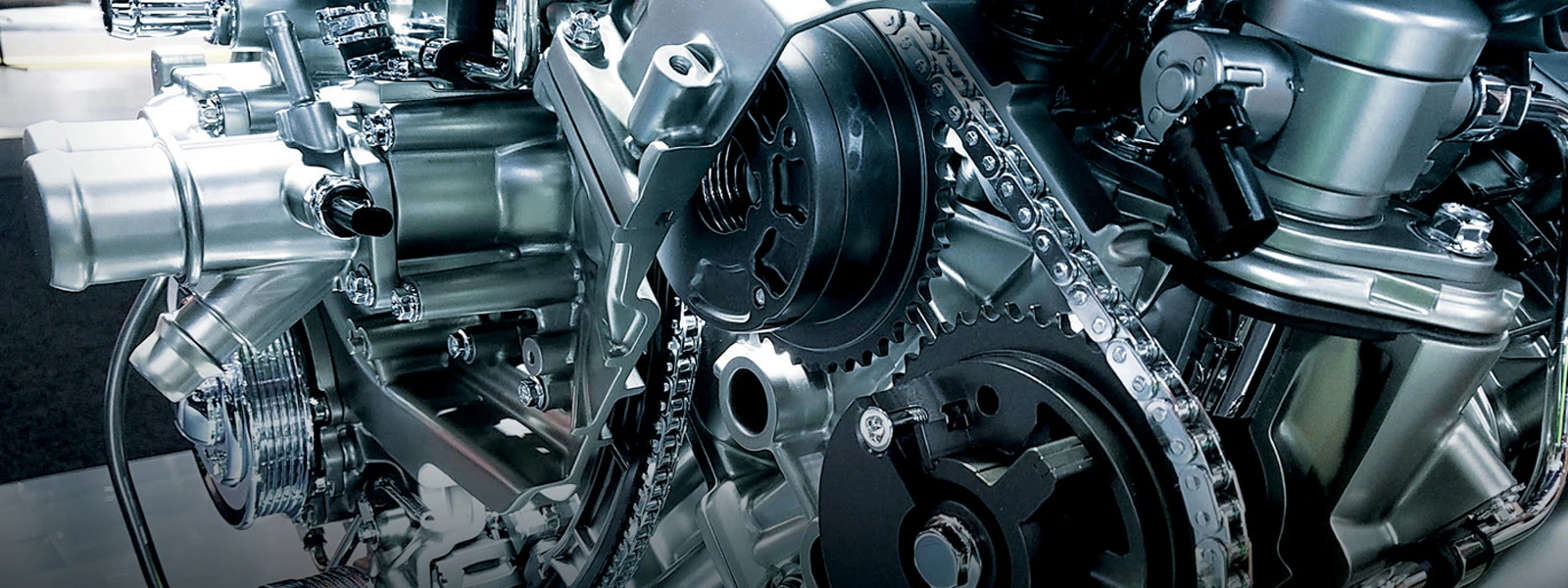
If a vehicle has high mileage or has suffered from poor maintenance, the timing chain can stretch, or the hydraulic timing chain tensioner can fail. Even a few degrees of mechanical slack will throw off the synchronization between the crankshaft and camshaft position sensors.
How to Diagnose and Troubleshoot Code P0011
Before buying replacement parts, follow this step-by-step diagnostic workflow to isolate the true root cause:
|
Step |
Component to Inspect |
Diagnostic Action |
|
1 |
Engine Oil Dipstick |
Pull the dipstick. Check the oil level and inspect the oil's color and viscosity. If it's low or black and thick, address this first. |
|
2 |
OBD-II Scanner Data |
Read freeze frame data. Look for accompanying codes like P0010 (VVT circuit fault) or P0014 (exhaust side fault) to isolate electrical vs. mechanical issues. |
|
3 |
VVT Solenoid (OCV) |
Locate the solenoid on the cylinder head. Disconnect it, pull it out, and inspect the integrated micro-screen filter for sludge. |
|
4 |
Electrical Continuity |
Use a digital multimeter to measure resistance across the solenoid terminals. A healthy solenoid typically reads between 5 and 15 Ω. |
|
5 |
Camshaft Position Sensor |
Back-probe the sensor wiring to verify that the sensor is receiving its 5V reference signal and sending a clean pulsing signal back to the PCM. |
Step-by-Step Fixes for Modern DIYers
For modern DIYers, purchasing high-quality replacement parts has become highly streamlined. Rather than manually measuring components, you can use online fitment tools by entering your Year, Make, Model, or 17-digit VIN to instantly source precise matches.
Fix 1: Perform a Strategic Engine Oil Change
If your oil is low, dark, or has surpassed its service interval, perform a complete oil and filter change. Be sure to use the exact oil viscosity specified in your owner's manual to ensure proper hydraulic performance inside the VVT passages.
Fix 2: Replace the VVT Solenoid (Oil Control Valve)
If the solenoid fails a resistance test or remains mechanically stuck after cleaning, it must be replaced.
-
Locate the solenoid near the front or side of the cylinder head cover on Bank 1.
-
Disconnect the electrical connector and remove the retaining bolt (usually a 10mm).
-
Pull the old solenoid out carefully.
-
Lubricate the O-ring of the new replacement solenoid with clean engine oil or lithium grease to prevent tearing during installation.
-
Insert the new part, torque the bolt to factory spec, and plug in the connector.
🛠️ Part Sourcing Tip: When replacing critical engine management sensors or actuators, look for trusted aftermarket brands like A-Premium. Their VVT solenoids and camshaft position sensors are engineered to meet or exceed OEM performance specifications, guaranteeing a precise drop-in fit.
Fix 3: Install a New Camshaft Position Sensor
If your diagnostics point to an erratic or dead sensor signal:
-
Disconnect the wiring harness tab from the camshaft sensor.
-
Unbolt the sensor from the cylinder head.
-
Check the old sensor's tip for metallic debris buildup, which can disrupt magnetic readings.
-
Install the new sensor, secure the hardware, and clear the trouble codes using your scanner.
Fix 4: Address Timing Chain Failures (Professional Intervention)
If your physical timing marks do not align at Top Dead Center (TDC) due to a jumped or stretched timing chain, this requires a comprehensive timing kit replacement (including a new chain, guides, and tensioners). Because an error in setting up mechanical timing can lead to bent valves and ruined cylinder heads on interference engines, this job is best left to professional technicians.
Frequently Asked Questions (FAQ)
Can I drive my vehicle with a P0011 code?
You can typically drive a very short distance (such as to a local repair shop) if the engine isn't stalling or shaking severely. However, you should avoid long trips. If the code is caused by a failing timing chain or complete loss of oil pressure, driving can lead to catastrophic, irreversible engine failure.
What is the most common fix for a P0011 code?
The most frequent remedy is simply changing the engine oil and replacing a stuck or clogged VVT solenoid. Always start with the simplest, least expensive step: checking your oil condition and level on the dipstick.
How does advanced valve timing affect emissions?
When intake valves open too early, unburned fuel and exhaust gasses can re-enter the intake manifold. This severely lowers combustion efficiency, spikes hydrocarbon emissions, and can cause long-term catalytic converter damage if left unaddressed.
How can I prevent variable valve timing codes in the future?
The absolute best prevention is adhering strictly to routine oil change intervals. VVT systems are highly sensitive to oil quality; using high-grade synthetic oils that meet your manufacturer's specific standards will keep internal oil control passages clean and sludge-free.
Need reliable replacement components to clear your check engine light? Explore a comprehensive catalog of precision-fit VVT solenoids, camshaft sensors, and timing system components at A-Premium.com to get your vehicle running smoothly again with free shipping on your order.


