Uneven Brake Pad Wear: Is Your Caliper Slide Pin the Culprit?

In this expert guide, we break down how your braking system functions, the science behind uneven wear, and the essential maintenance steps you need to take to ensure a perfect fit and smooth stops every time.
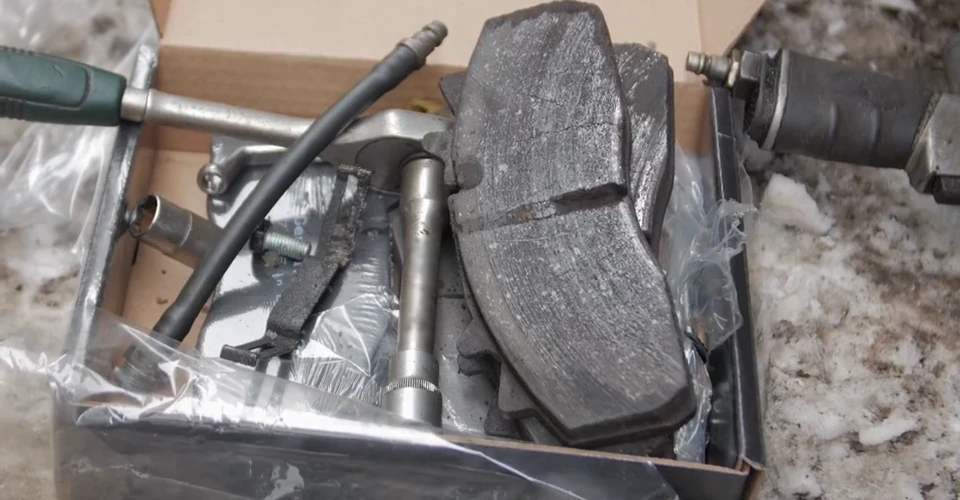
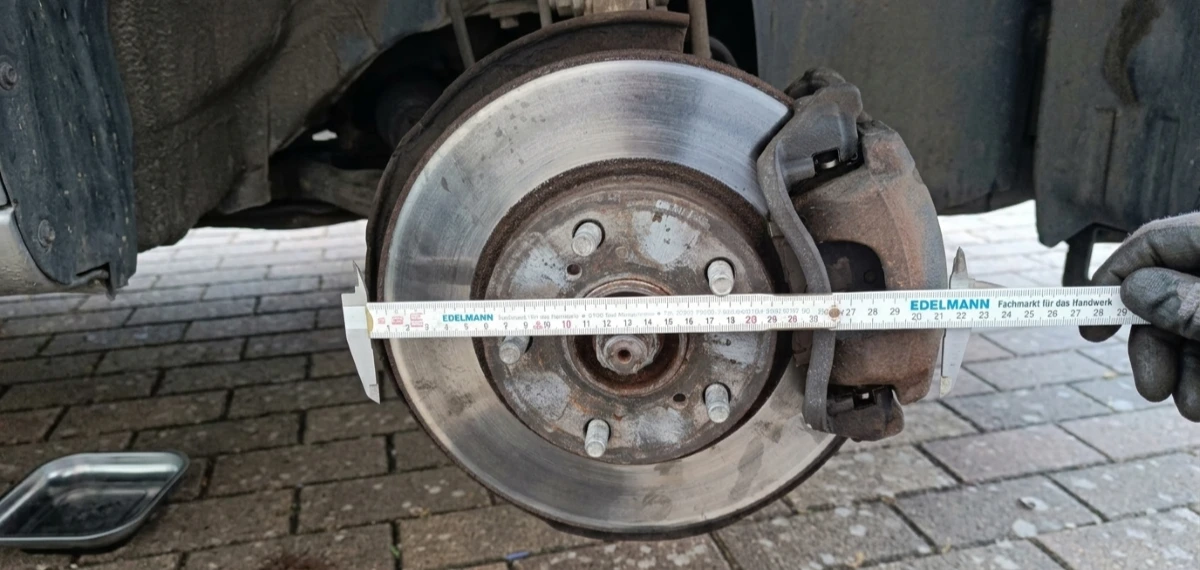
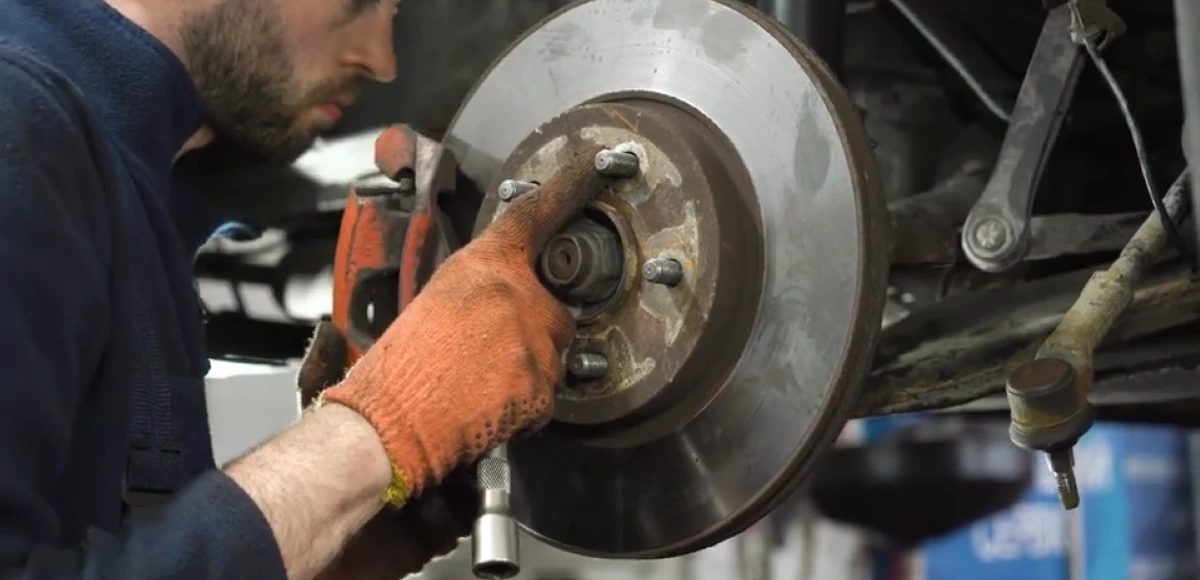
You pull the wheels for a routine inspect session, only to find a frustrating sight: the inner brake pads are worn down to the backing plate, while the outer pads look nearly new. Or perhaps you notice the top of the friction material is tapered, showing uneven wear compared to the bottom.
In the world of automotive maintenance, uneven brake pad wear is a diagnostic "smoking gun." While many drivers jump to blame the quality of the brake pad material or the brake rotors, the actual offender is often a small, vital component of the vehicle’s braking system: the caliper slide pin.
How do Floating Calipers Function?
Most modern cars are equipped with floating calipers (also known as sliding calipers). Unlike fixed calipers, which use pistons on both sides of the rotor, a floating caliper typically uses a pair of pins to move back and forth.
When the driver presses the brake pedal, the master cylinder generates hydraulic pressure, forcing the caliper pistons to push the inner pad into contact with the rotor. To engage the outer pad, the entire brake caliper must slide along the pins to pull the outer pad inward, creating friction on both sides. This movement is crucial; if the caliper hardware cannot move freely, the brake performance is severely contaminated.
Why Does a Stuck Caliper Cause Uneven Wear?
The mounting bracket holds the slide pins, which are designed to be protected from moisture and dirt by rubber dust boots. Over time, intense heat, rust, and corrosion can cause the internal lubricant to dry out, leading to a stuck caliper.
When a pin is restricted, it leads to two primary wear patterns:
-
Inner vs. Outer Pad Variance: If the caliper cannot retract to its neutral position, the pads continue to make contact with the rotation of the brake rotors. One pad stays under constant pressure, resulting in slow drag and rapid thinning.
-
Tapered Pad Wear: If one pin moves while the other is stuck, the force is applied at an angle. This causes the friction material to grind against the rotor unevenly, which you might notice as a squealing noise or a grinding sensation.

Symptoms of Failing Caiper Hardware
A seized or failing brake caliper doesn't just eat through your materials; it presents major safety risks:
-
Vehicle Pulling: If the braking force is uneven, the car may pull to one side during a stop.
-
Spongy Brake Pedal: Constant friction generates immense heat, which can cause brake fluid to boil. This results in a soft or "spongy" brake pedal feel and reduced efficiency.
-
Brake Noise: Worn components typically produce a high-pitched squealing or heavy grinding sound when the metal backing hits the rotor.
Pro-Active Maintenance: Beyond the "Pad Slap"
To ensure safe driving and peak performance, a simple replacement of the pads (a "pad slap") is never enough. Proper maintenance of the system is vital.
-
Inspect the Seals and Dust Boots: Always check the rubber seals for cracking. If air or moisture gets inside, rust will lock the pins in place.
-
Lubrication Matters: During every brake job, pins should be cleaned and coated with high-quality silicone grease. Never use oil or petroleum-based lubricants, as they cause rubber components to swell and fail.
-
Replace with Quality Hardware: If pins are pitted, it is often more cost-effective to replace the disc brake caliper set. When choosing a replacement, you can choose between remanufactured and new calipers. Both typically include new anti-rattle clips, shims, and hardware to ensure a perfect fit and long-term durability.

Summary: Protecting Your Car's Wheels
The caliper slide pin plays a crucial role in your braking system. It acts as the bridge between the pressure from the brake pedal and the mechanical friction required to stop your vehicle.
By ensuring your caliper components are clean and lubricated, you improve braking performance, protect your brake rotors, and ensure the safety of every passenger in the car. Don't let uneven wear compromise your efficiency—inspect your calipers today.


