Why Is Only One Brake Pad Worn Out?

In this comprehensive guide, we break down the mechanics behind your car's floating caliper system, explore the 4 major issues causing one-sided pad destruction, and provide an expert checklist to fix the root cause so you can protect your safety.
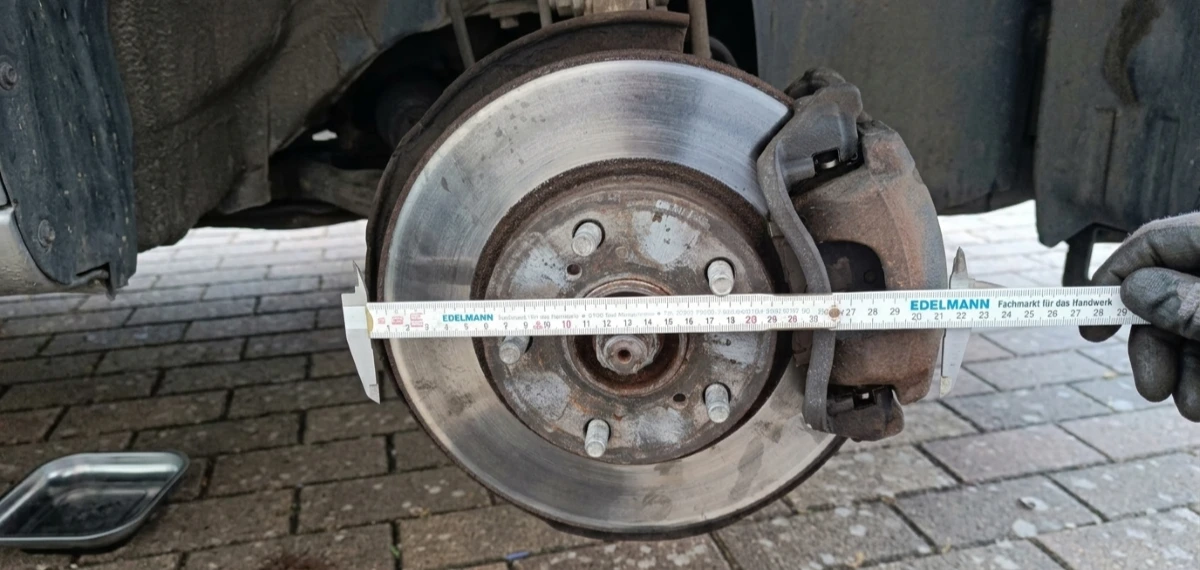
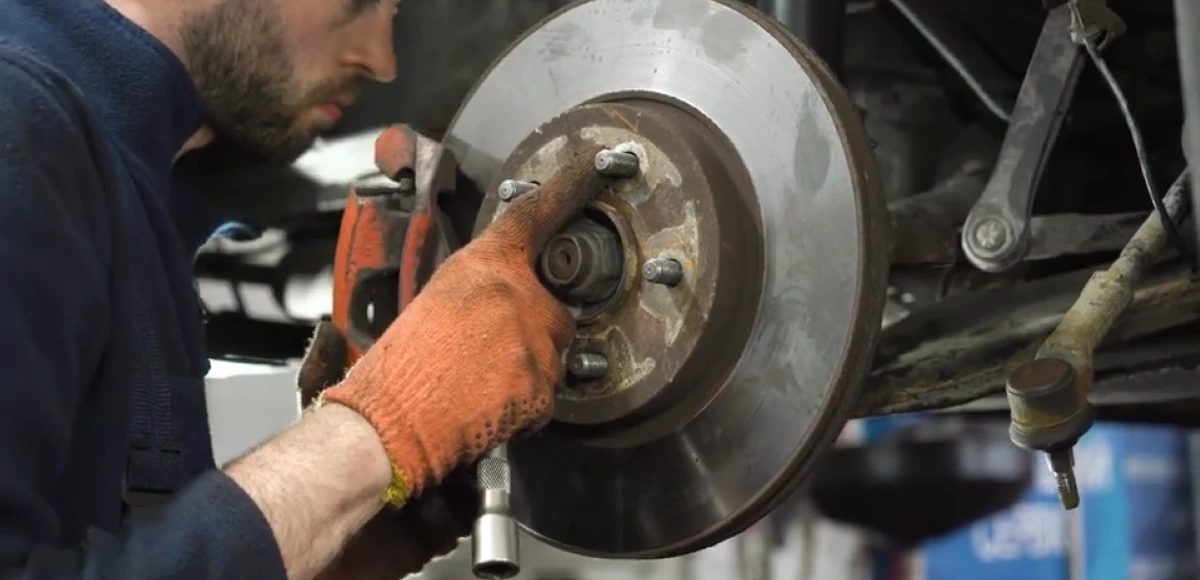
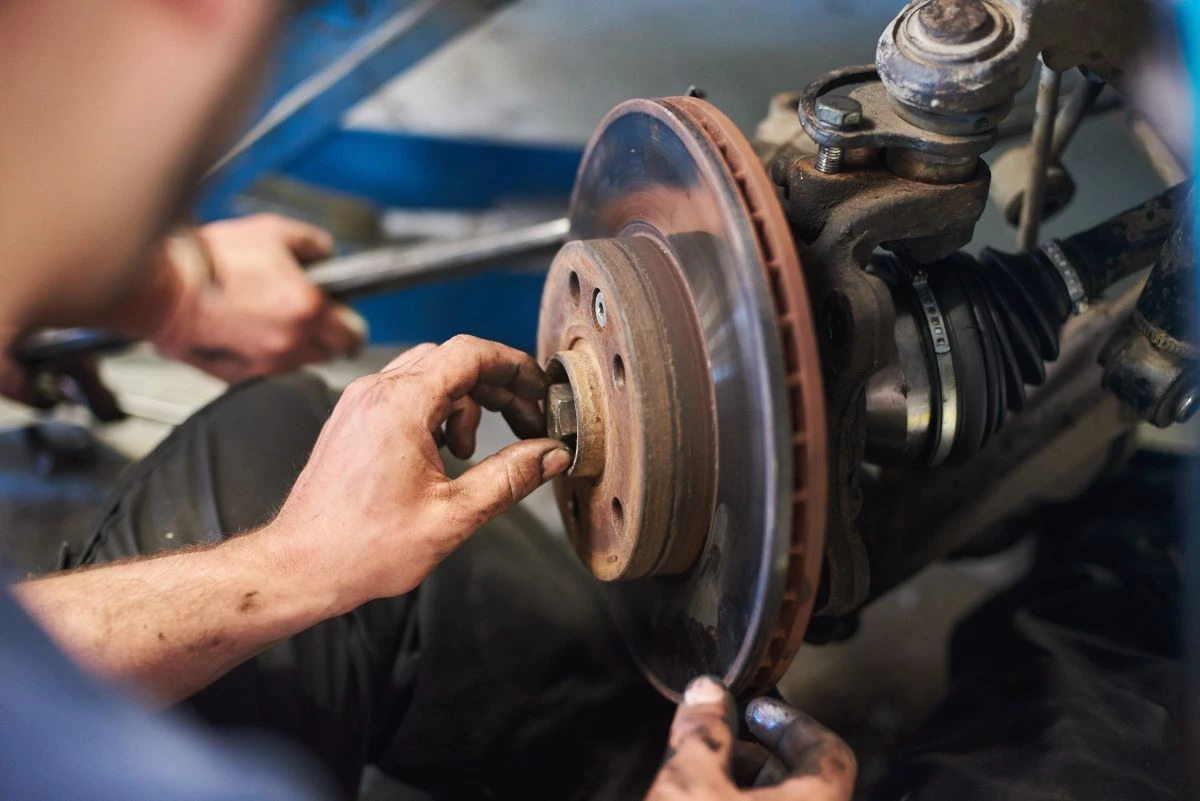


You press the brake pedal, and your vehicle comes to a smooth, predictable stop. It feels like a single, unified action. But beneath your wheels, a complex mechanical dance is happening every time you slow down.
When it’s time for a routine inspection, you might hear a perplexing diagnosis from your mechanic: "Your brake pads are worn down to the metal on one side of the wheel, but the other side looks almost brand new."
Logically, if you press one brake pedal, shouldn’t all the brakes wear down at the exact same rate? Ideally, yes. In reality, uneven brake pad wear is an incredibly common problem. To truly understand why this happens, we first need to look at which "side" is wearing out, because different wear patterns point to completely different mechanical failures inside your braking system.
The Two Faces of "One-Side" Brake Wear
When a driver notices uneven wear, it usually falls into one of two categories:
-
Inner vs. Outer Pad Wear (Same Wheel): One single wheel has two pads flanking the rotor. When one is bald and the other is thick, you have a caliper movement problem.
-
Left vs. Right Wheel Wear (Side-to-Side): The pads on the driver's side are completely toast, but the passenger side looks fine. This points to a deeper hydraulic or electronic issue.
To understand why the inner/outer pads wear unevenly, we must look at the brake caliper—the hydraulic clamp attached near the wheel hub that forces your vehicle's brake pads against the spinning rotors.
Most everyday cars use Floating Calipers. This system features a piston on only the inner side of the rotor. When you step on the pedal, hydraulic pressure pushes the inner pad against the disc first. The entire caliper housing then slides on metal pins to pull the outer pad against the opposite side. Because floating calipers rely entirely on lateral movement to distribute friction, they are highly susceptible to uneven wear if any moving component gets jammed.
(Note: High-performance vehicles use Fixed Calipers, which have pistons on both sides and squeeze the brake discs evenly, making them much less prone to single-sided wear.)
The 4 Common Culprits Behind the Uneven Wear
If your car is suffering from single-sided brake destruction, one of these four mechanical gremlins is usually at place:
1. Seized Caliper Guide Pins (The Inner vs. Outer Killer)
In a floating caliper system, the caliper body must slide freely back and forth on rubber-booted metal pins called guide pins (or slider pins). Over time, road salt, water, and debris tear those protective rubber boots. Once moisture gets inside, the metal rusts and seizes up.
The Result: If the caliper gets stuck while clamped down, the outer brake pad will continuously drag against the rotor even after you lift your foot off the pedal. This constant, unyielding friction rapidly burns through the pad on that specific side while the inner pad rests easy.
2. A Stuck Caliper Piston (The Inner Pad Destroyer)
The piston is the hydraulic cylinder that extends outward when you press the brakes. If the square-cut rubber seal around the piston degrades, or if corrosion builds up on the piston wall, the piston fails to retract when you release the brake pedal.
The Result: This causes a classic "stuck caliper." The pad directly touching the piston (the inner pad) remains jammed hard against the rotor, generating massive amounts of heat and forcing that single pad to wear down in a fraction of its normal life.
3. Degraded Brake Lines (The "One-Way Valve" Effect)
Your brake lines carry pressurized brake fluid to the calipers. Sometimes, an aging rubber brake hose degrades internally. A tiny piece of the inner lining can tear loose, acting like a makeshift flap or a one-way check valve inside the hose.
The Result: When you stamp on the brake pedal, the high-pressure fluid easily forces its way past the flap to apply the brakes. But when you let go, the fluid cannot flow backward. The hydraulic pressure remains trapped at that single wheel, keeping the brake pads permanently engaged and causing accelerated wear on just that corner of the car.
4. Malfunctioning Electronic Brakeforce Distribution (EBD)
Modern systems don't just apply equal pressure to all four wheels. Automated stability systems actively modulate brake pressure on individual wheels to keep the car tracking straight or prevent slides. If a wheel speed sensor is dirty or faulty, the computer might mistakenly ride the brake on one side of the vehicle, leading to a silent loss of pad life on a single wheel.
Decoding Your Car's Wear Symptoms
Mechanics can determine a lot about the history of a brake issue just by analyzing how the pads look:
|
Wear Pattern |
Likely Cause |
What You'll Experience |
|
Inner Pad worn thin |
Stuck caliper piston, or dry guide pins failing to retract. |
A spongy pedal feel, lower fuel economy. |
|
Outer Pad worn thin |
Seized guide pins holding the outer caliper under tension. |
A hot wheel face, heavy brake dust on one wheel. |
|
One Wheel (Left vs. Right) completely dead |
Restricted brake line or localized hydraulic failure. |
The steering wheel pulling sharply to one side when braking. |
How to Stay Ahead of the Problem
To maintain optimal safety, it is highly recommended to inspect and test your vehicle's brake pads every 5,000 miles (often during a tire rotation).
Always watch out for a loud metal-on-metal grinding or a sharp squealing when the brakes are applied. A pulsating vibration through the pedal or visibly thin friction blocks (less than 1/4 inch thick) are clear signs that the pads must be replaced immediately.
Electronic Guardians: Brake Pad Wear Sensors
If you drive a modern vehicle equipped with advanced tech, you might have brake pad wear sensors installed. These electronic sensors are designed to stay in close contact near the rotor surface.
When the friction material on the failing side wears down to a critical level, the rotor face physically cuts or completes the electrical loop inside the sensor. This immediately triggers a dashboard warning light, alerting the driver to buy replacements before catastrophic damage occurs.
The Fix: Why Slapping on New Pads Won't Work
When dealing with uneven wear, simply throwing a new set of pads onto the car is a temporary band-aid. If you don't fix the underlying mechanical problem, your new pads will suffer the exact same lopsided fate within a few thousand miles, compounding your repair cost.
To do the job right and maximize the durability and quality of your new components, make sure your brake service follows this precise restoration flow:
1.Free and Clean the Caliper Hardware:Step 1
Remove the caliper body and slide pins. Scrub away all rust, debris, and built-up brake dust from the caliper slider tracks using a wire brush.
2.Lubricate Moving Components:Step 2
Apply a premium, high-temperature silicone brake grease strictly to the guide pins and sliding points. Never use regular chassis grease, which melts and destroys the rubber boots.
3.Inspect Hydraulic Components:Step 3
Check the caliper piston for smooth travel. Inspect the rubber dust boots for tears. If the piston is pitted, rusted, or leaking brake fluid, the entire caliper assembly requires replacement.
4.Flush the Hydraulic System:Step 4
Perform a complete flush of the brake fluid. Fresh fluid removes trapped moisture and internal contaminants that cause line blockages and component corrosion.
A Quick Note on Material Choice: When selecting your replacement pads, consider your driving style. While Semi-Metallic Pads offer excellent heat transfer for heavy loads, Ceramic Pads provide superb long-term life, run quieter, and keep your wheels free of ugly dust. Just ensure you buy from trusted manufacturers who comply with environmental laws restricting heavy metal content (such as reducing copper content and eliminating lead).
Your brakes are the single most important safety feature protecting you on the road. If you suspect your car is braking unevenly or wearing out its pads on only one side, getting a targeted professional inspection right away ensures you stay safe—and keeps your entire hardware system working in perfect harmony.


