How to Tell If Your Brake Hose or Caliper Is Bad

The braking system's safety is contingent on the regular inspection of components like brake hoses and calipers to avoid issues such as leaks, spongy pedals, or reduced braking power, ensuring safe driving.

Suggested A-Premium Parts

The braking system is a crucial component of vehicle safety, and understanding when parts like the brake hose or caliper are failing can prevent serious issues. Both the brake hose and caliper are integral to the braking process, and knowing how to identify problems with these components can help maintain optimal performance and safety. This article explores how to tell if your brake hose or caliper is bad, providing signs to look out for and tips for diagnosing issues.
What is a Brake Hose?
The brake hose is a flexible tube that carries hydraulic brake fluid from the brake lines to the brake calipers. It needs to be durable and flexible to withstand the pressures of the braking system and the movement of the vehicle's suspension.
What is a Brake Caliper?
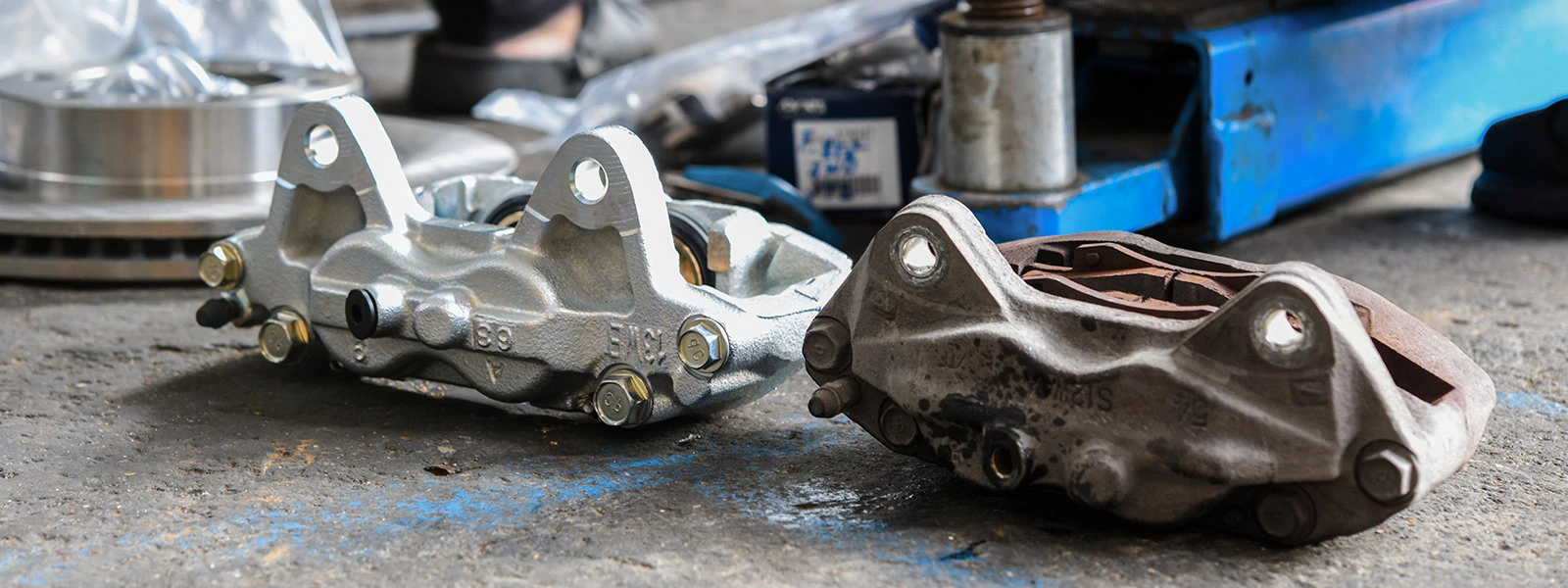
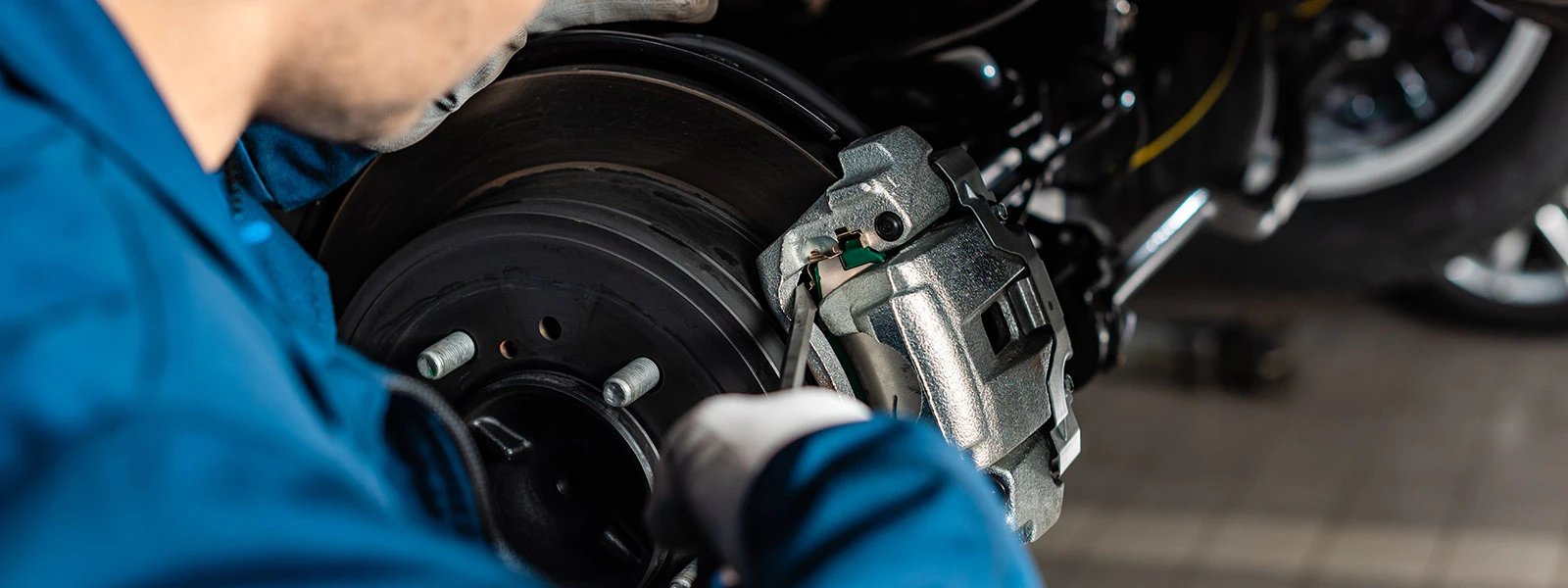
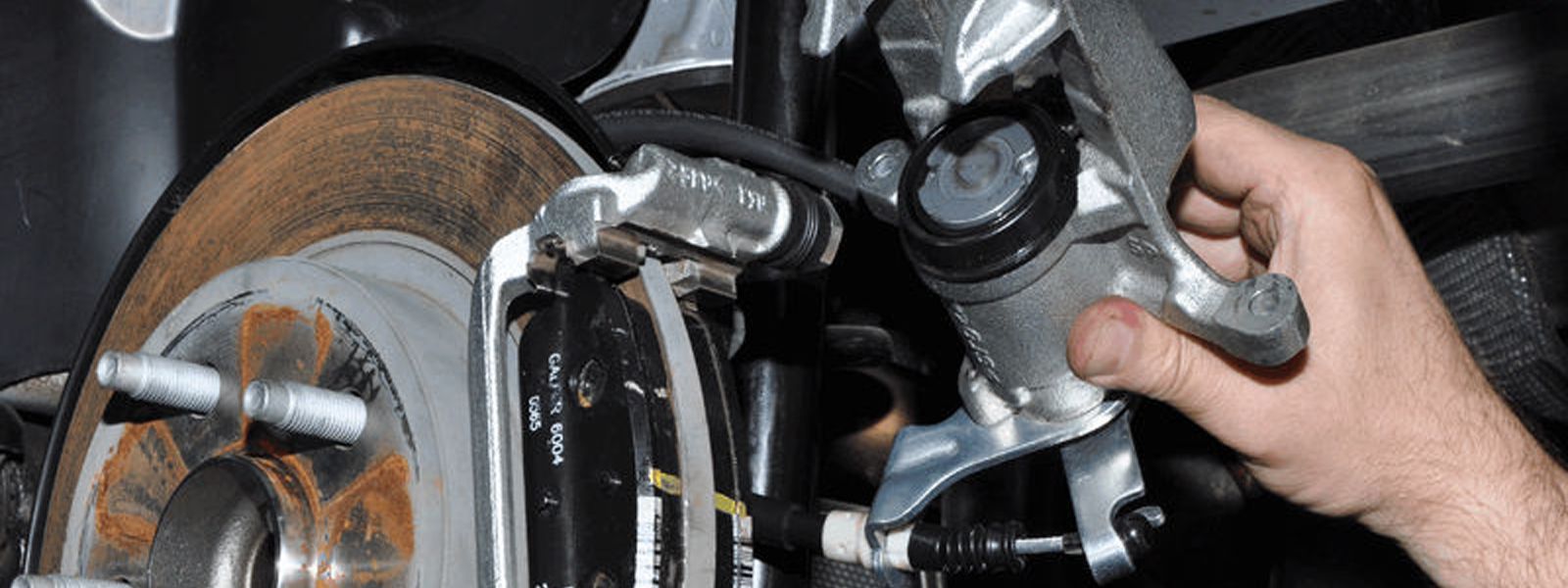
The brake caliper is a component of the disc braking system. It houses the brake pads and pistons. The caliper's job is to squeeze the brake pads against the rotor, creating friction that slows down and stops the vehicle.
Related Reading:What Are Brake Rotors And How Do They Work
Signs of a Bad Brake Hose
Leaking Brake Fluid
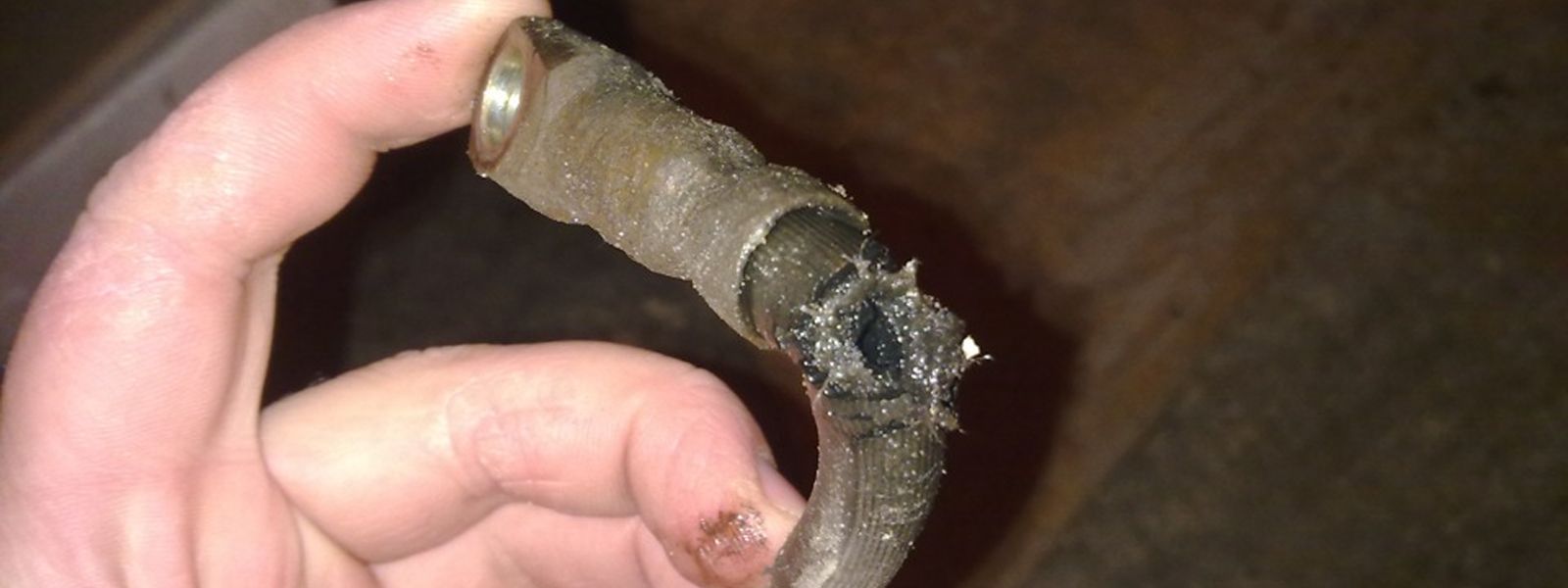
Description: One of the most common signs of a bad brake hose is leaking brake fluid. This can happen due to cracks, tears, or wear in the hose.
What to Look For:
- Wet Spots:Check for wet spots under your vehicle or near the wheels where the brake hose is located.
- Low Brake Fluid Level:Frequently low brake fluid levels can indicate a leak in the brake hose.
Swollen or Cracked Hose
Description: Over time, the brake hose can become swollen or develop cracks due to wear and tear.
What to Look For:
- Visual Inspection:Inspect the brake hose for any visible signs of swelling, cracking, or fraying.
Spongy Brake Pedal
Description: A spongy or soft brake pedal can be a sign of a bad brake hose. This happens when air enters the brake lines due to a leak in the hose.
What to Look For:
- Brake Pedal Feel:Pay attention to how your brake pedal feels when you press it. If it feels soft or spongy, it could indicate a problem with the brake hose.
Brake Fluid Contamination
Description: Contaminated brake fluid can indicate that the brake hose has degraded internally, allowing debris to enter the brake fluid.
What to Look For:
- Brake Fluid Color:Check the color of your brake fluid. Dark or dirty fluid can be a sign of contamination.
Signs of a Bad Brake Caliper
Pulling to One Side
Description: If your vehicle pulls to one side when braking, it can be a sign of a stuck or seized brake caliper.
What to Look For:
- Directional Pull:Notice if your car pulls to the left or right when you apply the brakes.
Uneven Brake Pad Wear
Description: Uneven wear on your brake pads can indicate a problem with the brake caliper, such as a stuck piston.
What to Look For:
- Brake Pad Inspection:Inspect your brake pads for uneven wear. One pad being significantly more worn than the other can indicate caliper issues.
Brake Fluid Leaks
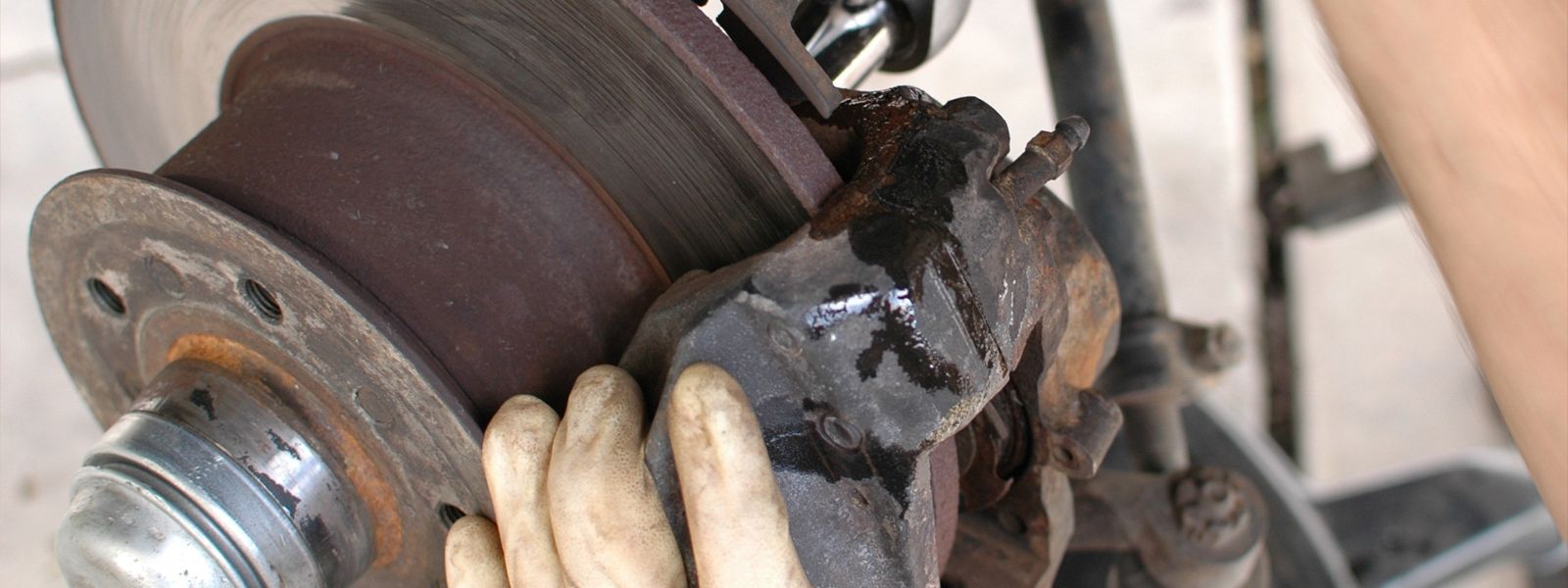
Description: Leaking brake fluid around the caliper area can indicate a damaged or faulty brake caliper.
What to Look For:
- Fluid Around Caliper:Check for wetness or fluid around the brake caliper.
Clunking Noise
Description: A clunking or grinding noise when braking can indicate that the caliper is not functioning properly.
What to Look For:
- Sound When Braking:Listen for unusual noises coming from the wheels when you apply the brakes.
Reduced Braking Power
Description: A bad brake caliper can lead to reduced braking power, making it harder to slow down or stop the vehicle effectively.
What to Look For:
- Braking Performance:Pay attention to how effective your brakes are. If you notice a significant reduction in braking power, it could be due to a bad caliper.
Diagnostic Techniques
Visual Inspection
Perform a thorough visual inspection of both the brake hose and caliper. Look for signs of wear, damage, leaks, and contamination.
Brake Fluid Check
Regularly check the brake fluid level and condition. Low or dirty brake fluid can indicate issues with the brake hose or caliper.
Test Drive
Take your vehicle for a test drive and pay attention to how it behaves when braking. Note any pulling, noises, or changes in pedal feel.
Professional Inspection
If you suspect issues with your brake hose or caliper but are unsure, it's best to have a professional mechanic inspect your braking system. They can accurately diagnose and fix any problems.
Preventive Maintenance Tips
Regular Brake Inspections
Schedule regular brake inspections as part of your vehicle's maintenance routine. Early detection of issues can prevent more severe problems and ensure your safety.
Replace Brake Fluid
Replace brake fluid at the intervals recommended by your vehicle manufacturer. Fresh brake fluid helps maintain the efficiency and reliability of your braking system.
Use Quality Parts
When replacing brake hoses or calipers, use high-quality parts from reputable manufacturers. Quality components ensure better performance and longevity.
Avoid Overloading
Avoid overloading your vehicle, as excess weight can strain the braking system and accelerate wear on components like the brake hose and caliper.
Frequently Asked Questions
How do I know if my brake hose is bad?
Signs of a bad brake hose include leaking brake fluid, a spongy brake pedal, swollen or cracked hose, and contaminated brake fluid.
What are the symptoms of a bad brake caliper?
Symptoms of a bad brake caliper include pulling to one side when braking, uneven brake pad wear, leaking brake fluid, clunking noise, and reduced braking power.
Can I drive with a bad brake hose or caliper?
Driving with a bad brake hose or caliper is unsafe. It can lead to brake failure, reduced braking power, and increased risk of accidents. It's important to address any braking issues promptly.
How often should I inspect my brake hoses and calipers?
Regular brake inspections should be part of your vehicle's maintenance routine. It's advisable to have your braking system inspected at least once a year or whenever you notice any signs of trouble.
What causes brake hoses and calipers to go bad?
Brake hoses can degrade over time due to wear, exposure to the elements, and internal contamination. Brake calipers can fail due to corrosion, wear and tear, and lack of maintenance.
How much does it cost to replace a brake hose or caliper?
The cost of replacing a brake hose or caliper varies depending on the make and model of your vehicle and labor rates. On average, replacing a brake hose can cost between $150 to $300, while replacing a brake caliper can cost between $250 to $600.
Conclusion
Ensuring that your brake hose and caliper are in good working condition is vital for the safety and performance of your vehicle's braking system. By recognizing the signs of a bad brake hose or caliper and conducting regular inspections, you can address issues before they become severe. Remember, when in doubt, consult a professional mechanic to diagnose and repair any braking problems to keep your vehicle safe on the road.


