How Do You Reset the Power Steering Assist on a Ford F-150?

In this guide, we’ll walk you through the professional steps to reset your power steering assist, check your battery voltage, and identify the root cause of faulty steering assistance to ensure your vehicle remains safe and smooth on the road.
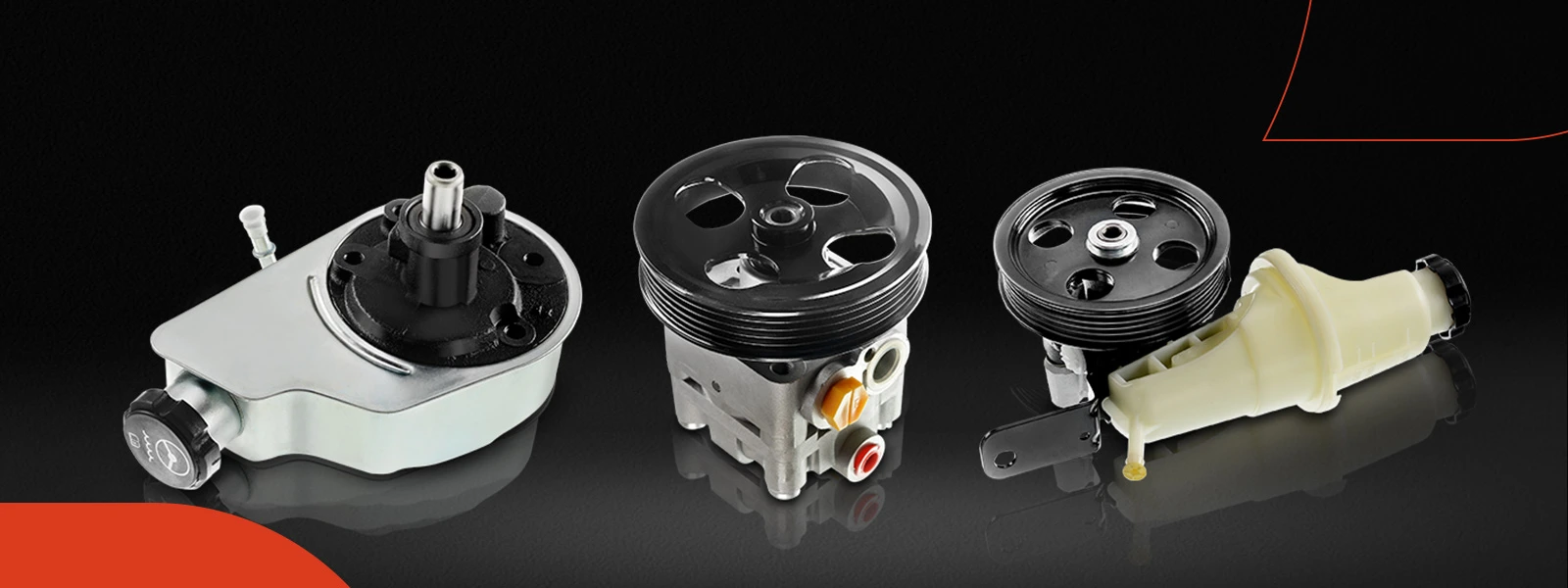

A-Premium Suggested Parts


If you are driving a Ford F-150 and suddenly see a “Steering Assist Is Reduced” or “Power Steering Assist Fault” message on your dashboard, you are likely experiencing a common issue with modern assisted steering technology. The Ford F-150's base MSRP represents the starting price before any additional options or packages, making it an attractive choice for many buyers.
Understanding how to reset the system and identifying the root cause is essential for maintaining the reliability and security of your truck. Key features like interior comfort and spacious cargo capacity benefit from reliable power steering assist, ensuring both convenience and practicality for everyday use.
What is Power Steering Assist?
Power steering assist is a critical system designed to reduce the physical steering effort required by the driver. By multiplying the force applied to the steering wheel, it makes maneuvering a heavy vehicle—especially at low speeds or when stationary—much easier.
Historically, trucks used hydraulic systems powered by an engine-driven pump. Modern Ford F-150s, however, are equipped with Electric Power Assisted Steering (EPAS). This technology replaces the hydraulic pump with an electric motor, managed by a computer module to improve fuel economy and provide a smooth ride.

How to Reset the Power Steering Assist on a Ford F-150
If your steering feels heavy or a warning light appears, you may be able to perform a basic reset of the electrical power components.
1. The Steering Wheel Restart Method
The simplest way to reset the electric power steering is to cycle the engine. This process allows the car's computer to discharge and reset the temporary memory within the EPS module.
-
Pull over to a safe location.
-
Turn off the engine and remove the key (or push the stop button).
-
Open and close the driver door to ensure the computer fully powers down.
-
Wait about 30 seconds and restart the vehicle.
-
Repeat this process two or three times. This action can clear temporary software glitches in the EPS module.
In many most cases, this sequence clears temporary software glitches that cause the power steering assist warning light to trigger.
2. Battery and Voltage Check
Since the system relies on electric power, low battery voltage can trigger a message. Ensure your accessories aren't draining the power and that the battery is healthy. A weak battery often impacts performance before it fails to start the engine.

3. Professional Diagnostic Reset
If the light remains on, a manual reset using an OBD-II search tool is required. Auto repair shops use these tools to pull specific fault data from the EPS module. Simply clearing the codes without a repair may result in the error returning, as the system is designed for your security.
Common Causes of Power Steering System Malfunction
The Ford F-150 electric power steering system is complex. Factors that vary depending on your specific models and configurations include:
-
Defective Sensors: Sensors that measure torque and wheel angle provide real-time data to the EPS module. If these fail, the motor won't know how much assist to provide.
-
Steering Rack Issues: A misalignment or physical damage to the steering rack can cause the electric motor to overwork and shut down.
-
Wiring Damage: Damaged or corroded wires can interrupt the flow of electrical power to the steering wheel components.
-
Software Errors: Occasionally, the system requires a software update from dealerships to fix coding errors in the electronic control unit.
Electric vs. Hydraulic: A Comparison
|
Feature |
Hydraulic Power Steering |
Electric Power Steering (EPS) |
|
Power Source |
Engine-driven Pump |
Electric Motor |
|
Fuel Economy |
Lower (constant drag) |
Higher (power on demand) |
|
Maintenance |
Requires Fluid/Cylinders |
Mostly Electrical/Software |
|
Control |
Fixed Assistance |
Variable/Speed-sensitive |
While older cars and trucks relied on a cylinder and pressurized fluid, modern hybrid and gas F-150s use electric systems to interface with features like lane-keeping assist and automated parking.

Maintenance and Repair Costs
When power assisted steering fails, the cost to replace components can vary. If you purchased a higher trim Ford, your system might include advanced speed-sensitive handling features that are more expensive to shop for.
-
DIY vs. Professional: DIY auto repair can save on labor, but the EPS module often requires specialized programming tools available only at dealerships.
-
Major Repairs: If the steering rack or motor is damaged, expect a more involved job. Always check your date of purchase and warranty, as some steering issues are covered under Ford technical service bulletins.
Conclusion
The power steering system is the cornerstone of your F-150's handling and operating safety. While a quick restart can occasionally reset the power steering assist, a persistent warning message should never be ignored. Whether it is a simple fuse or a full steering rack replacement, maintaining this system ensures the smooth and responsive performance you expect from a Ford.


