
Power Steering Hose Replacement

Gain insights on power steering hose failing cauuse, when and how to replace a new power steering hose from our guide.


A power steering hose is a component that connects the power steering pump to the steering rack in a power steering system. It is typically made of rubber or a combination of rubber and metal, and is designed to withstand high pressure and heat generated by the power steering fluid flowing through it. Without a properly functioning power steering hose, steering a vehicle could become difficult or even impossible.
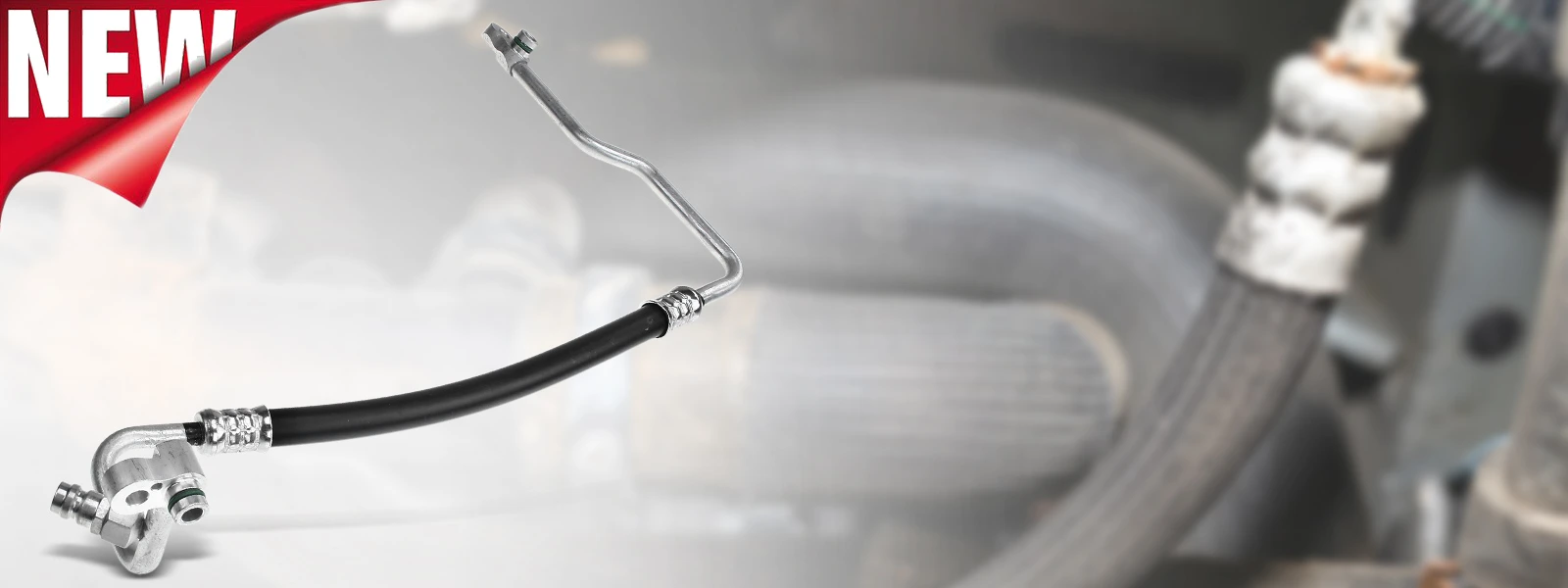
What causes power steering hoses to fail?
Power steering hoses face a challenging existence as they are subjected to extreme pressure and temperature levels while being exposed to damaging elements such as ozone, oil, and solvents. This combination of factors makes it understandable why power steering pressure line hoses and return hoses can wear down over time and become corroded or develop leaks.
The flammability of power steering fluid makes it exceptionally challenging to extinguish once ignited. Due to this safety hazard, it is critical to regularly inspect power steering hoses for any leaks and to take any such issues seriously. Any loss of power steering can significantly increase the risk of accidents, underscoring the importance of timely and thorough maintenance.
When to the consider replacing the power steering hose?
When detect these signs, you may need a new power steering hose:
- If you experience trouble steering or hear strange noises like groaning or whirring, it could mean that the power steering fluid level is low. This could be due to a leak in the power steering system, including the pressure hose, although a mechanic will investigate all other potential causes as well.
- If you notice visible leaks, go check the steel ferrules on both ends of the rubber pressure hose, as these are common points of leakage. If there is any seepage from these ferrules, it is recommended to replace the pressure hose.
- If the hose is damaged to a significant extent, with cuts, abrasions, cracks, or heat damage, it is advisable to replace it to prevent any sudden hose failure.
- If there are rubber particles present in the power steering fluid or reservoir, it indicates that the interior of either the pressure hose or the return hose is degrading. In this situation, it is recommended to replace all the rubber hoses and flush the system.
- The pressure and return hoses are made of rubber and have a finite lifespan. If the car is over 10 years old and power steering components need to be replaced, it is advised to replace all the rubber hoses as well.
Is it safe to drive with a faulty power steering hose?
No. Driving with a problem in the power steering pressure hose is definitely not safe. The high-pressure fluid in the hose is flammable and can cause a fire if it sprays onto a hot engine part such as the exhaust manifold. If there is a significant fluid loss, it can make steering difficult, and if the fluid level drops too low, it can cause damage to the power steering pump, leading to the need for a new hose and pump.
How to replace a power steering hose?
Then how to replace an old broken power steering hose with a new one?
First of all, you need to turn off the engine to cool it down;
And then identify the damaged power steering hose. Typically, the power steering hoses are located near the power steering pump and the steering rack.
Remove the damaged hose by using a wrench to loosen the fittings on both ends of the hose, and then carefully remove the hose from the power steering system. Make sure to have a drain pan underneath to catch any leaking fluid.
After that, use a clean rag or shop towel to clean the fittings on both the power steering pump and steering rack. This will ensure a proper seal for the new hose.
And you are ready to install the new hose. Carefully attach the new hose to the fittings on the power steering pump and steering rack. Hand-tighten the fittings first, and then use a wrench to tighten them further. Don’t forget to check the owner's manual to determine the correct type of power steering fluid to refill. Slowly add the fluid to the power steering reservoir until it reaches the proper level. At last, you will need to test the system by turning the engine on and turn the steering wheel to the left and right to check for any leaks or other issues. If everything looks good, take the vehicle for a test drive to ensure proper steering function.
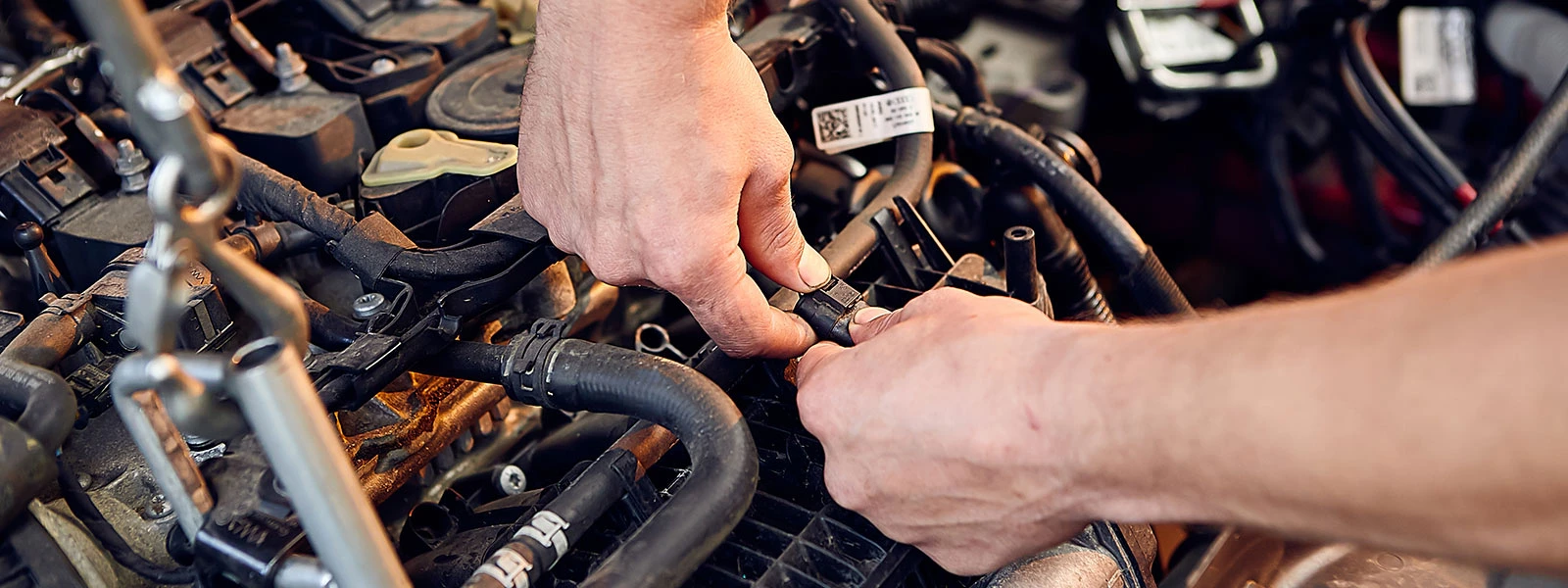
Note: These are general steps and may vary depending on the make and model of your vehicle. It's always a good idea to consult the owner's manual or seek professional help if you're not comfortable performing this task yourself.
What should be kept in mind during power steering hose replacement?
To ensure that the replacement is successful and the power steering system operates properly, you should keep these things in mind:
- Choose the right hose: The new hose should be the same size and length as the original hose. It should also be made from the same type of material, and should have the same fittings as the original hose.
- Inspect the entire power steering system before starting your replacement, especially the power steering fluid level.
- Always remove the old hose carefullyto avoid damaging any other components in the power steering system.
- Remember bleed the power steering system after installing the new hose to remove any air that may have entered the system during the replacement process.
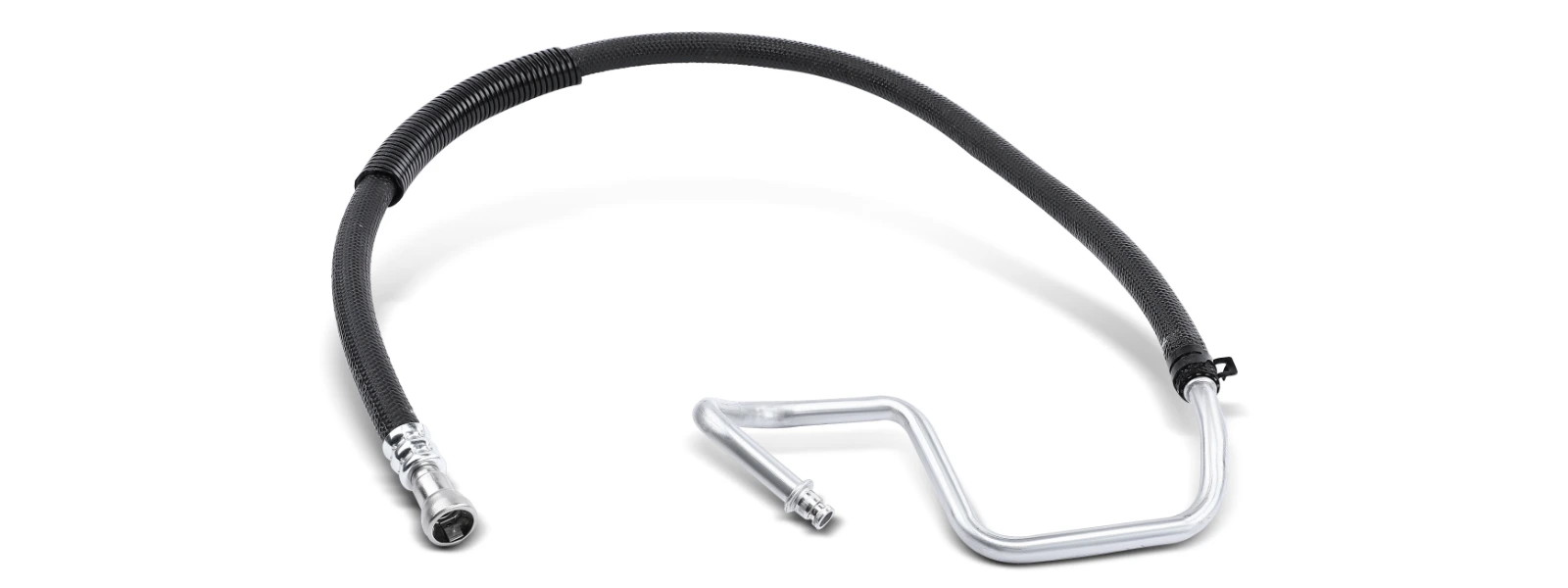
Get Your Car Working Again with A-Premium Power Steering Hoses!


