
Understanding Types of Car Alternators

Depending on their design, output power, cooling method, and alternators can be categorized in many ways. Different classification methods reflect the differences in performance, cost, reliability, etc. of alternators.


Suggested A-Premium Parts

On the Basis of Rotor Design
Brushed alternators
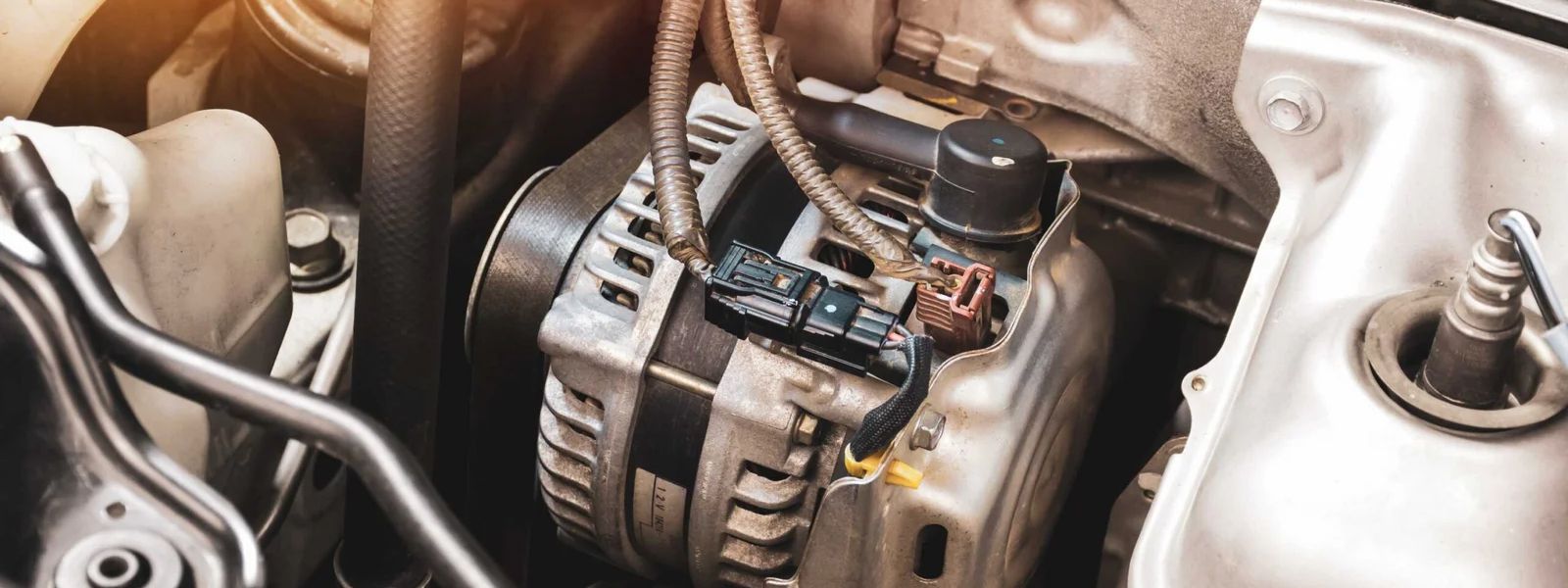
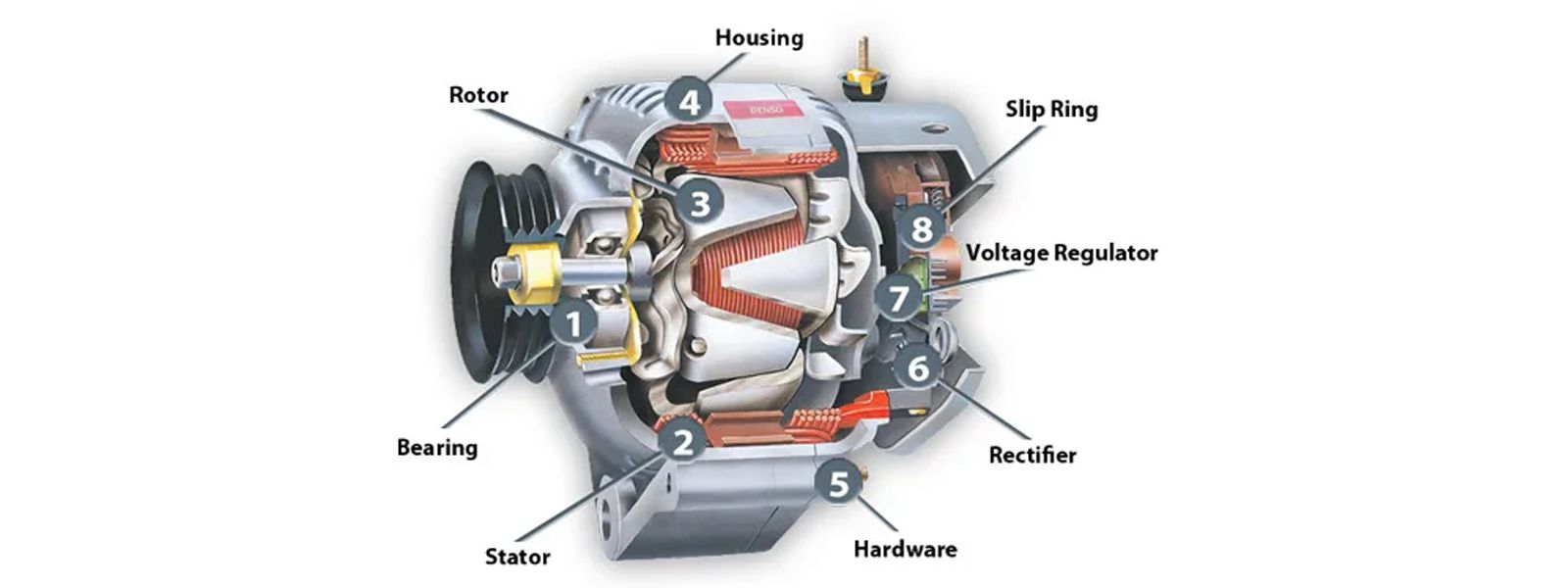
Traditional brushed alternators for automotive have a basic and simple design. Its core structure consists of a rotor equipped with electromagnetic coils, and fixed stator windings surrounding its exterior. As the engine spins the rotor, the changing magnetic field induces an AC voltage in the stator coils. These AC voltages are transferred to an external circuit via mechanical carbon brushes in contact with the rotor.
Although this brush design has a simple structure and low manufacturing cost, the mechanical wear of the carbon brushes requires regular maintenance, and the efficiency is relatively low. With the advancement of technology, brushless alternators have gradually replaced traditional brush-type alternators with their higher efficiency and reliability, becoming the mainstream choice for modern automobile power systems. However, for some older models, the mature, reliable, and cost-effective brushed alternator still has a large application space.
Brushless alternators
Compared with the traditional brushed alternator, the brushless alternator adopts a more advanced design. It abandons mechanical carbon brushes and instead uses an electronic control system to regulate the output voltage. In this design, the rotor is equipped with permanent magnets instead of electromagnetic coils, which induces an AC voltage in the stator windings as the rotor rotates in the stator's magnetic field. The electronic control unit accurately switches the excitation of the stator winding based on the real-time monitored rotor position, thereby achieving closed-loop regulation of the output voltage.
This brushless solution not only improves power generation efficiency but also eliminates the need for maintenance caused by mechanical wear and tear. The noise is also lower, so it has replaced the traditional brush alternator in more and more modern models. Despite higher manufacturing costs, the reliability and performance advantages of brushless alternators make them the first choice for the latest automotive power systems.
Hybrid alternators
Hybrid alternators are a transitional technology between traditional brushed alternators and advanced brushless designs. It combines the advantages of both solutions - using a permanent magnet rotor to improve efficiency, while retaining mechanical carbon brushes as a backup voltage regulation system, making the overall design simpler and more practical than a pure brushless solution. Specifically, the hybrid alternator's rotor also uses permanent magnets, which induce an AC voltage in the stator winding when it rotates in the stator magnetic field. The electronic control unit is responsible for accurately adjusting the excitation of these stator windings to achieve closed-loop voltage modulation.
Although a little more complex and costly than a basic brush design, hybrid alternators still offer greater efficiency and reliability. It provides mid-range models with a compromise between tradition and the future in the interim, but as brushless technology continues to mature, this hybrid design may eventually be replaced by purely electronically controlled alternators.
On the Basis of Magnetic Field
Permanent magnet alternators (PMAs)
The permanent magnet (PM) alternator uses a simpler and more efficient design. Unlike traditional brush or brushless alternators, PM design assembles permanent magnets directly on the rotor instead of using electromagnetic coils that require external excitation. This completely eliminates the need for wear-prone mechanical parts such as carbon brushes and slip rings, resulting in a tighter structure. As the rotor rotates in the stator's magnetic field, the permanent magnets induce an AC voltage in the stator windings, whose output can be precisely regulated by the electronic control unit. By eliminating mechanical components, the PM alternator is not only more efficient but also easier to maintain.
Although its maximum power may be slightly lower than that of large brushless designs, this simple and reliable principle makes it very suitable for light applications such as small engines and motorcycles. In recent years, its application in hybrid and pure electric vehicles has also increased.
Wound-field alternators
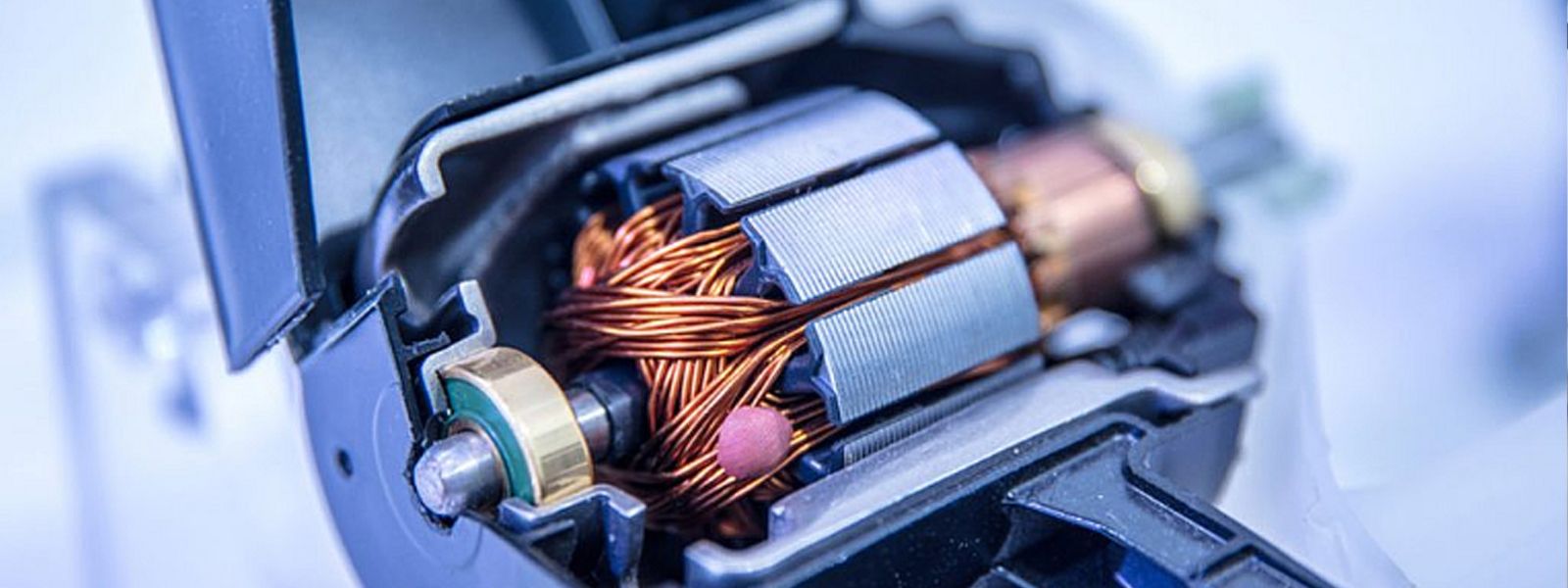
The wound-field design uses electromagnetically excited rotor windings. By supplying DC current to this winding, an adjustable and powerful magnetic field can be generated, thereby inducing controllable AC voltage and current in the stator. Although this solution has a more complex structure and requires the use of easily worn mechanical parts such as carbon brushes and slip rings, it also gives it a wider voltage and current adjustment range and can achieve higher power output.
It is precisely because of these performance advantages that wound-field alternators are more suitable for large vehicles.
On the Basis of Phase Count
Single-phase alternators
The single-phase alternator adopts a relatively simple design and only contains a single set of stator windings. Whether it adopts electromagnetic excitation or permanent magnet rotor design, the output is single-phase AC voltage. Although its power output capacity is lower than that of a three-phase alternator, it is more suitable for single-phase load applications. Generally speaking, the application scenarios of single-phase alternators in automobiles are relatively limited, and they are mainly suitable for vehicles with low power and low power demand.
Three-phase alternators
The three-phase alternator adopts a more complex design and contains three sets of windings on the stator that are 120 degrees out of phase with each other. Regardless of whether the rotor uses electromagnetic excitation or permanent magnets, its output is three-phase alternating current. Compared with single-phase alternators, the three-phase design can provide higher power output capability, smoother output waveform, and better efficiency and power factor. They can not only power the 12V or 24V circuit of the entire vehicle but also provide high power for some special equipment such as electric air conditioning compressors. The wide application of three-phase alternators is an important support for modern automobile electrical systems.
On the Basis of Power Output
Low output alternators
Low-output alternators usually have a power of less than 150 watts and are mainly used in vehicles with small displacement and low power demand, such as small motorcycles and light vehicles. This type of alternator has a relatively simple structure and low cost and can meet the basic power needs of these models.
High output alternators
High-output alternators are mainly used in large vehicles, such as trucks, SUVs, etc. The power output of this type of alternator usually reaches more than 1,000 watts, which is much higher than the medium-power alternators used in ordinary passenger cars. High-output alternators can provide sufficient power support for high-power vehicle electrical appliances, such as air-conditioning compressors, power electronic systems, etc., ensuring the normal operation of the entire vehicle electrical system. Although the structure of high-output alternators is more complex and the production cost is relatively high, the cost investment is worth it for large models because they can meet the urgent demand for high-power power of such models.
Ultra-high output alternators
Ultra-high output alternators are designed for specialty vehicles with extremely high power demands. The power output of this type of alternator can often reach 2000 watts or more. They are mainly used in large commercial vehicles, military vehicles, high-end luxury vehicles, and other models that have extremely demanding power requirements. These vehicles are often equipped with high-power electrical systems, such as powerful electric drive systems, electric power steering, high-power electric heating, etc., all of which require superpower support. Ultra-high output alternators use more complex electromagnetic designs, which have high structural and manufacturing costs.
On the Basis of Mounting Configuration
Front-mounted alternators
Front-mounted alternators are popular in mobile equipment due to their unique design advantages. This arrangement of installing the alternator directly on the front end of the engine can achieve a more compact overall structure and greatly save installation space. At the same time, due to the direct coupled transmission between the alternator and the engine, higher transmission efficiency can be achieved and energy loss can be reduced compared to the belt transmission method. In addition, the front position can effectively protect the alternator from the direct impact of external environmental factors, improving overall reliability.
Rear-mounted alternators
A rear-mounted alternator is a design in which the alternator is mounted at the rear end of the engine. First of all, the rear-end position can provide better protection for the alternator from the direct impact of the external environment and vibration, improving reliability. At the same time, due to different installation locations, rear-mounted alternators are usually larger and can provide higher power output. In addition, the rear-end position also facilitates the optimization of weight distribution, which is important for large vehicles and equipment. Therefore, rear-mounted alternators are undoubtedly a good choice for large mobile equipment.


