
What to know about brake master cylinder

The brake master cylinder, located under the brake pedal, converts pedal force into hydraulic pressure for braking. It features dual circuits for reliable braking, ensuring safety even if one circuit fails.


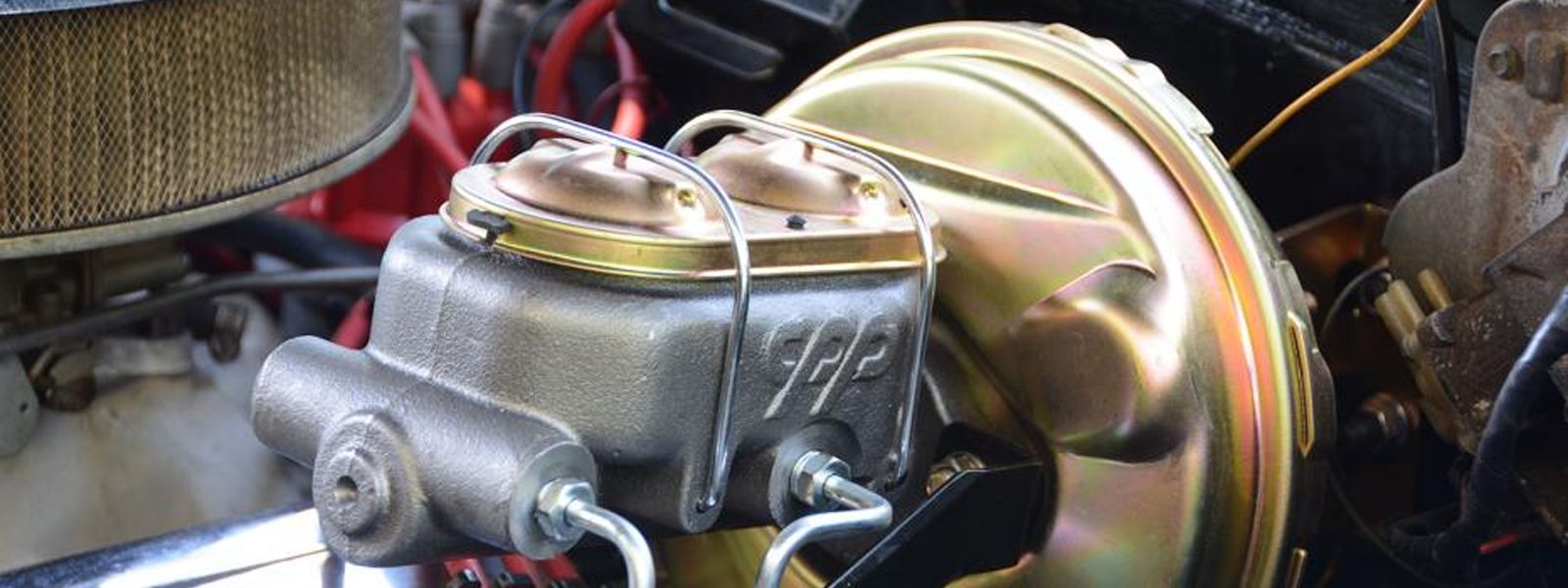
The brake master cylinder, as a vital component in a vehicle's hydraulic braking system, is situated underneath the brake pedal, near the driver's foot. This part is responsible for converting the mechanical force exerted on the pedal into hydraulic pressure. The key elements of the brake master cylinder include the cylinder body, primary piston, secondary piston, and fluid reservoir.
Pressing the brake pedal causes the primary piston within the master cylinder to generate pressure in the primary brake circuit, which is then routed to the front wheels. Concurrently, the secondary piston creates pressure in the secondary circuit, usually connected to the rear wheels. This dual-circuit design ensures reliable and redundant braking capability, even if one circuit fails. The master cylinder's proper operation is essential for the vehicle's safe driving, as it effectively translates the driver's input into the braking force applied at each wheel.
The role of the master cylinder in braking performance
The brake master cylinder is pivotal in determining a vehicle's overall braking capabilities. The master cylinder must generate the right amount of hydraulic pressure to effectively engage the brake pads against the discs or drums and create the friction needed to slow the vehicle. However, excessive pressure can cause premature wheel lockup and loss of control. The master cylinder's ability to smoothly and progressively modulate the brake pressure is essential for achieving the desired braking response.
The master cylinder diameter directly affects the brake pedal feel and applied pressure. A larger diameter master cylinder generates higher hydraulic pressure, resulting in a firmer, more responsive pedal and increased clamping force on the brake pads. Conversely, a smaller diameter reduces the pressure, leading to a softer, more spongy pedal feel and less braking force. The master cylinder converts the driver's mechanical input into hydraulic pressure transmitted to the brakes. Specifying the optimal master cylinder diameter is critical to balancing the pedal feedback and overall braking performance.
Typical symptoms of a failing brake master cylinder
- Soft or spongy brake pedal: When the master cylinder fails, it can no longer effectively transfer brake fluid pressure to the wheel cylinders, resulting in a mushy or spongy feeling in the brake pedal.
- Brake pedal goes to the floor: As the master cylinder seals wear out, brake fluid can leak internally, causing the pedal to slowly sink to the floor when the brakes are applied.
- Pulling to one side during braking: If the master cylinder is not creating even hydraulic pressure, the vehicle may pull to one side when the brakes are applied, indicating an issue with the master cylinder.
- Brake fluid leaks: Leaks in the master cylinder can cause brake fluid to seep out, dripping underneath the vehicle or onto the brake components.
- Brake warning light illuminated: The vehicle's brake warning light is designed to alert the driver to issues within the brake system, including problems with the master cylinder.
Other brake system issues can also trigger these symptoms, so a professional diagnosis is necessary to pinpoint the underlying problem and prescribe the appropriate repairs. It's important to keep in mind that a failing master cylinder can lead to dangerous brake failure, so the issue should be addressed promptly.
Causes of brake master cylinder failure
- Wear and tear: Normal usage over an extended period can gradually wear down the internal seals and components of the master cylinder. This deterioration can ultimately lead to fluid leaks and a reduction in the hydraulic pressure the master cylinder can generate.
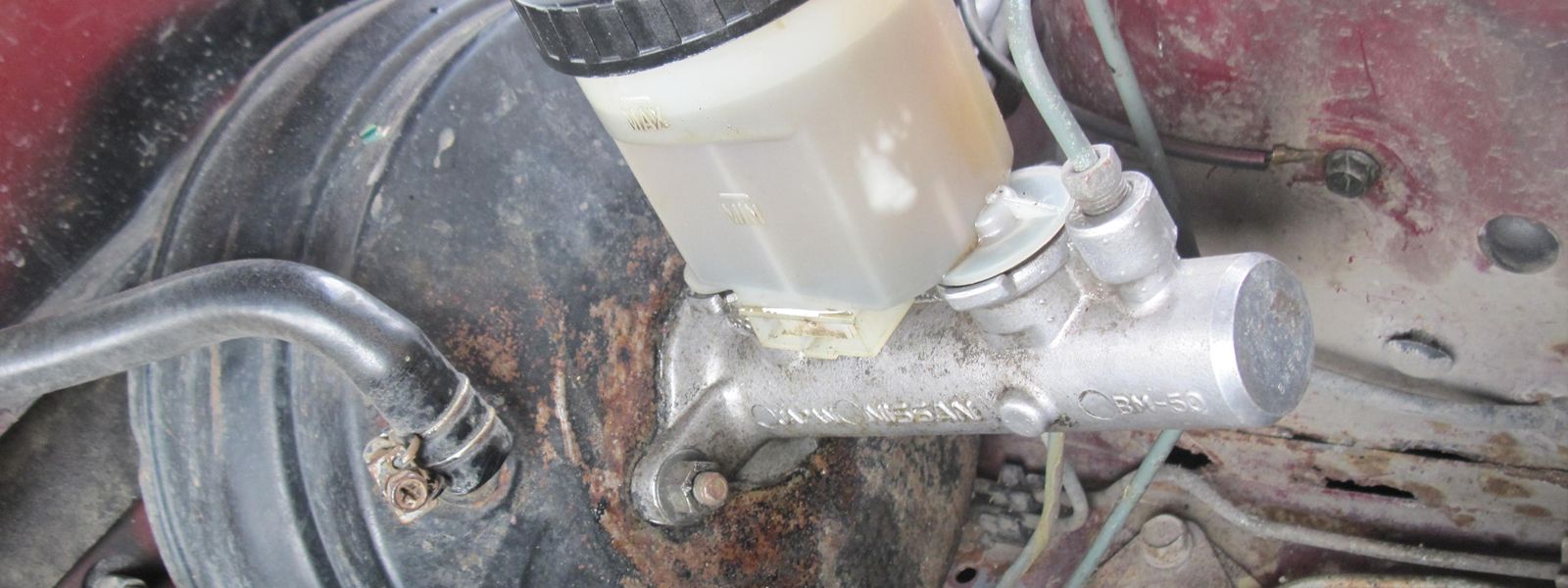
- Corrosion: Environmental exposure, such as moisture, road debris, and other contaminants, can corrode the internal components of the master cylinder, undermining its proper operation.
- Contamination: The introduction of dirt, debris, or incompatible fluids into the brake system can damage the sensitive components inside the master cylinder.
- Physical damage: Impact from road hazards, accidents, or improper installation can crack or deform the master cylinder, preventing it from operating correctly.
- Age: As the master cylinder ages, the rubber seals and other materials can become hardened, cracked, or degraded, leading to fluid leaks and reduced pressure.
- Overuse: Extensive braking, particularly in heavy-duty applications like towing or hauling, can accelerate the wear and tear on the master cylinder over time.
Maintenance tips for the brake master cylinder
Recognizing and addressing the underlying causes of master cylinder failure is crucial to maintaining the safety and reliability of a vehicle's braking system.
- Regular Inspections: Routinely examine the master cylinder during scheduled maintenance or if any brake concerns arise, looking for indications of leaks, corrosion, or wear.
- Timely Replacement: Replace the master cylinder by the manufacturer's recommended service interval, usually every 50,000-100,000 miles, or if any issues are detected.
- Fluid Care: Regularly check the brake fluid level and top it up as needed. Also, replace the fluid as specified, as contaminated or degraded fluid can accelerate wear on the master cylinder.
- Moderate Usage: Avoid excessive braking, especially in heavy-duty applications like towing or hauling, to minimize unnecessary strain on the master cylinder.
Reliable brake master cylinders from A-Premium
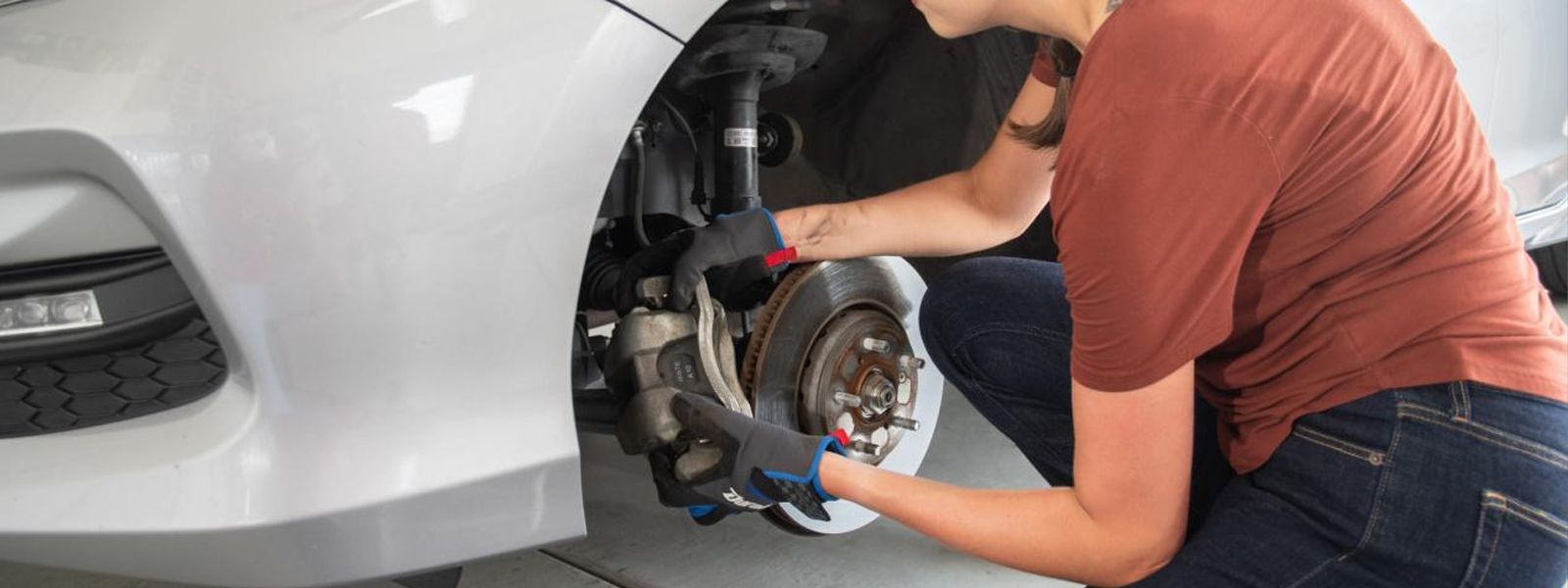
A-Premium's brake master cylinders are crafted using high-quality materials, like aluminum, to reliably protect your vehicle's braking system. You can select the master cylinder that best suits your needs, including versions equipped with a reservoir and sensor. We provide an extensive selection of master cylinders, compatible with a wide range of popular car models, such as Ford, Chevrolet, and Dodge, to meet your requirements perfectly. We also offer brake wheel cylinders to further enhance your options.
When you order from A-Premium, you'll enjoy the benefits of free standard shipping, a 90-day hassle-free return policy, a 3-year warranty, and a dedicated customer support team ready to assist you at any time.


